

 Tokyo
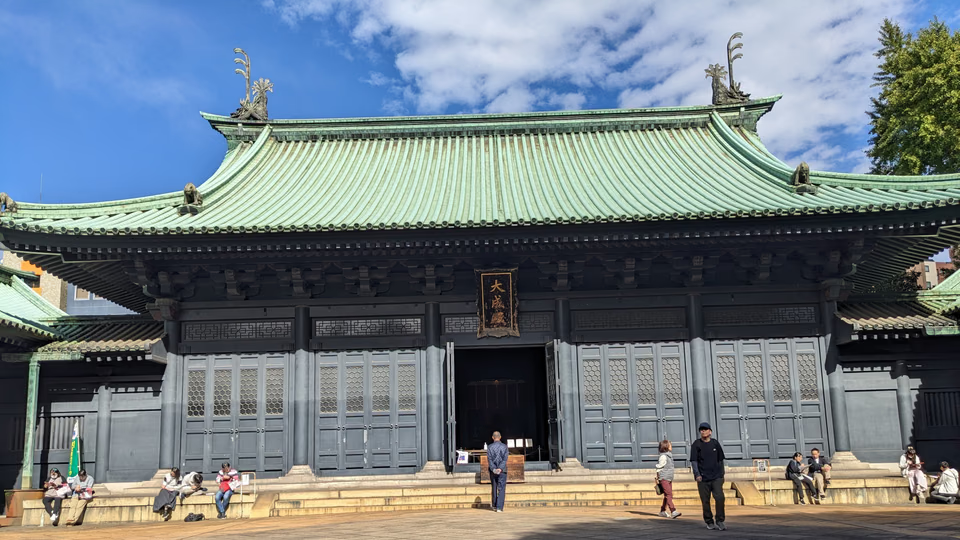
TokyoYushima Seidō
湯島聖堂
Why it mattersThe Confucian institution makes learning visible within the organization of Tokugawa education and official culture.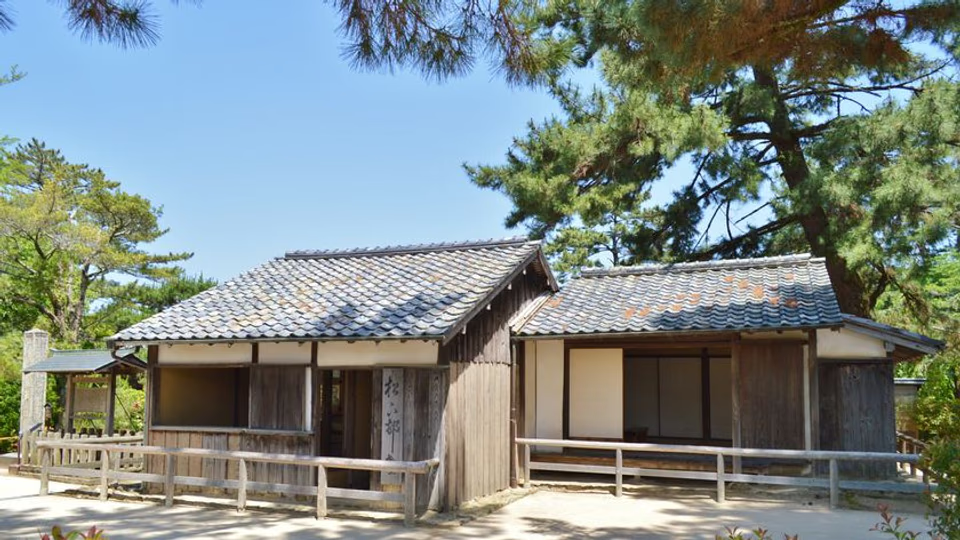 Hagi
HagiHagi: Shokasonjuku and the Castle Town
萩・松下村塾と城下町
Why it mattersThe school and castle town connect the scale of local instruction to the careers of later political actors.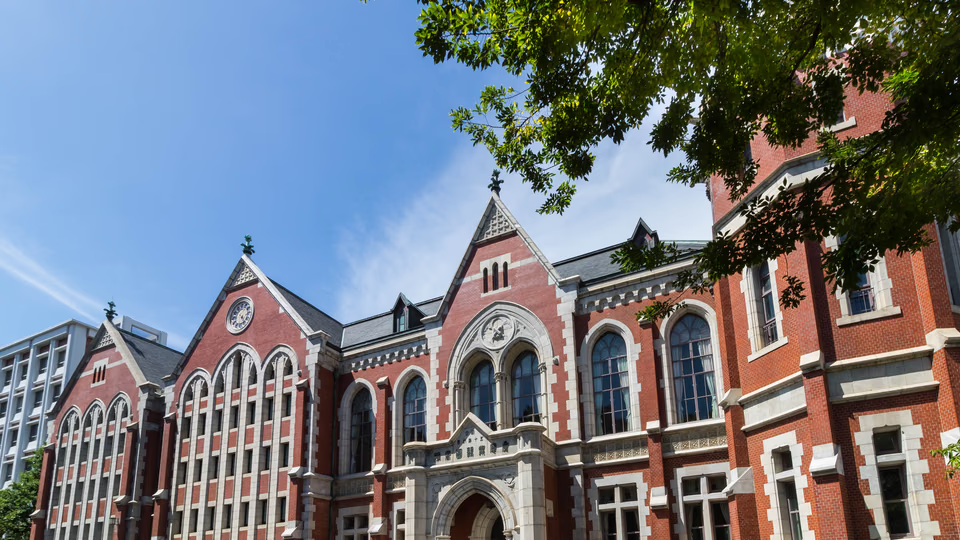 Tokyo
TokyoKeiō Gijuku Mita Historic Area
慶應義塾・三田の史跡
Why it mattersKeiō’s Mita setting ties educational institutions to the public work associated with Fukuzawa Yukichi.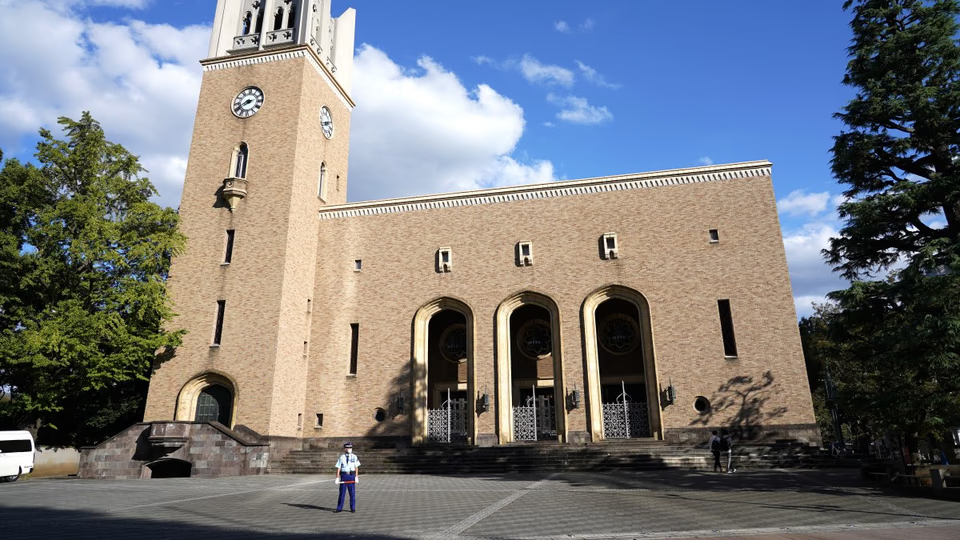 Tokyo
TokyoWaseda University Ōkuma Historic Area
早稲田大学・大隈重信ゆかりの地
Why it mattersThe university and Ōkuma-related sites connect the founding of a school with Meiji political and intellectual life.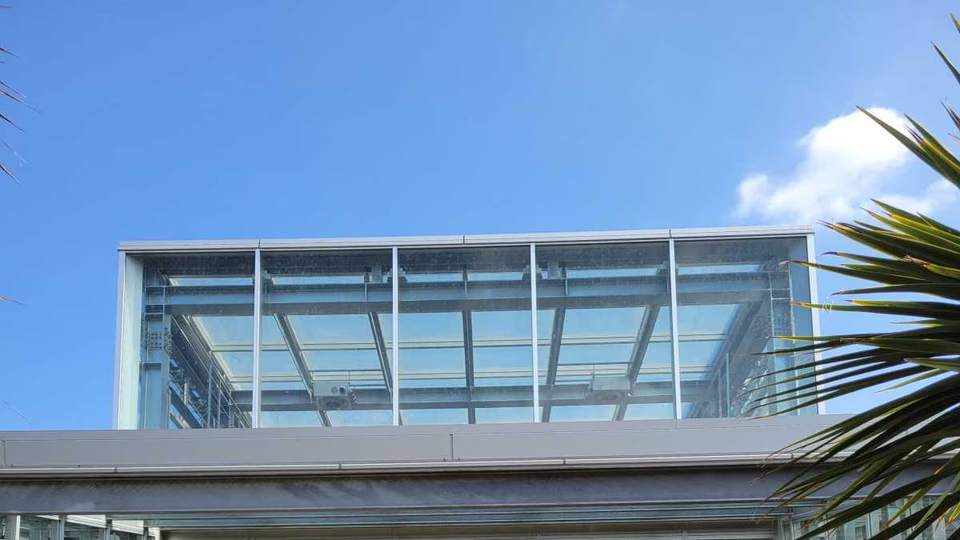 Tokyo
TokyoKoishikawa Yōjōsho–Koishikawa Botanical Garden
小石川養生所跡・小石川植物園
Why it mattersMedical care and the study of plants gave this ground a history of practical knowledge and public provision.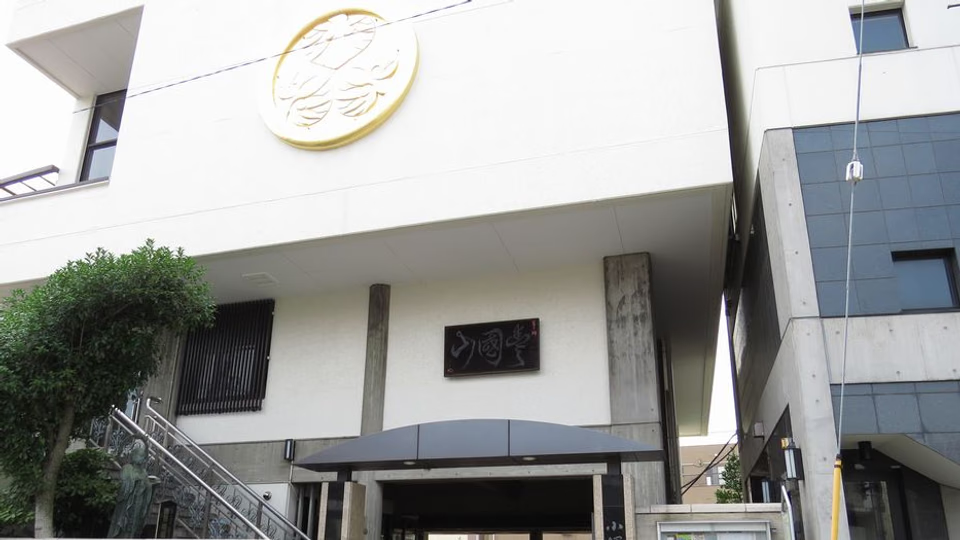 Tokyo
TokyoKozukappara Execution Ground–Ekō-in
小塚原刑場跡・回向院
Why it mattersThe site connects anatomical observation to the difficult material circumstances behind the translation of Dutch medicine.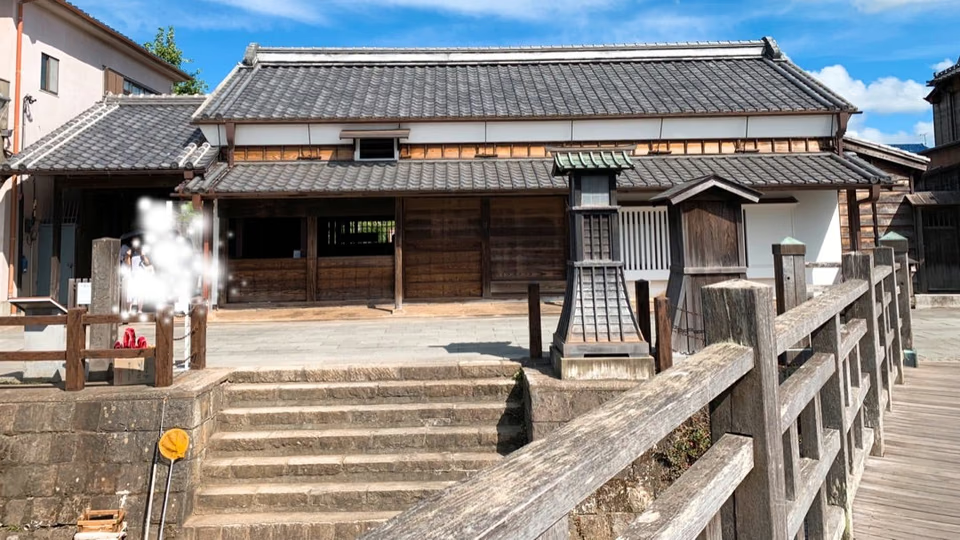 Sawara
Sawara: Inō Tadataka Residence and Memorial Museum
佐原・伊能忠敬旧宅/伊能忠敬記念館
Why it mattersThe residence and museum provide a route into the records, instruments and local life behind Inō’s surveying career.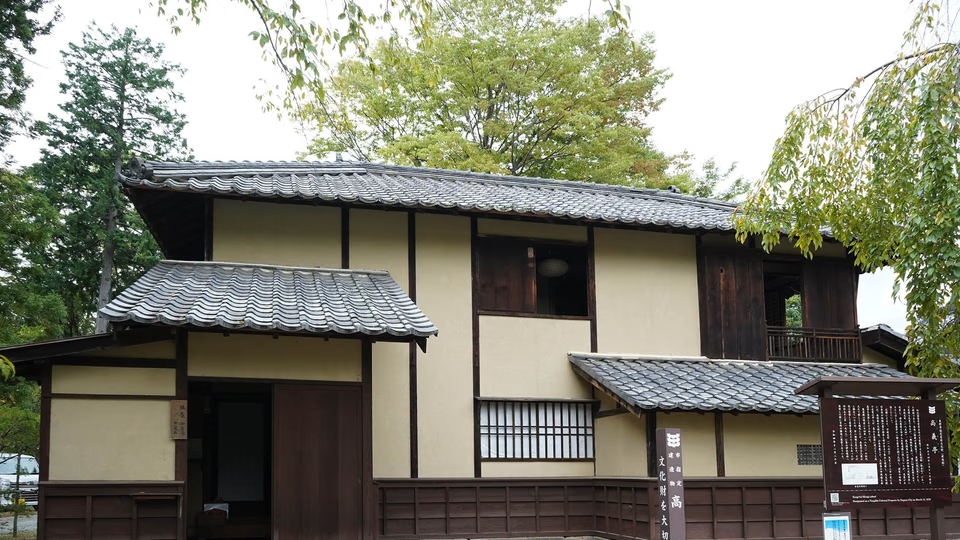 Nagano
Matsushiro Sakuma Shōzan Historic Area
松代・佐久間象山ゆかりの地
Why it mattersSites associated with Shōzan connect study and technical interests to debates about Japan’s defenses.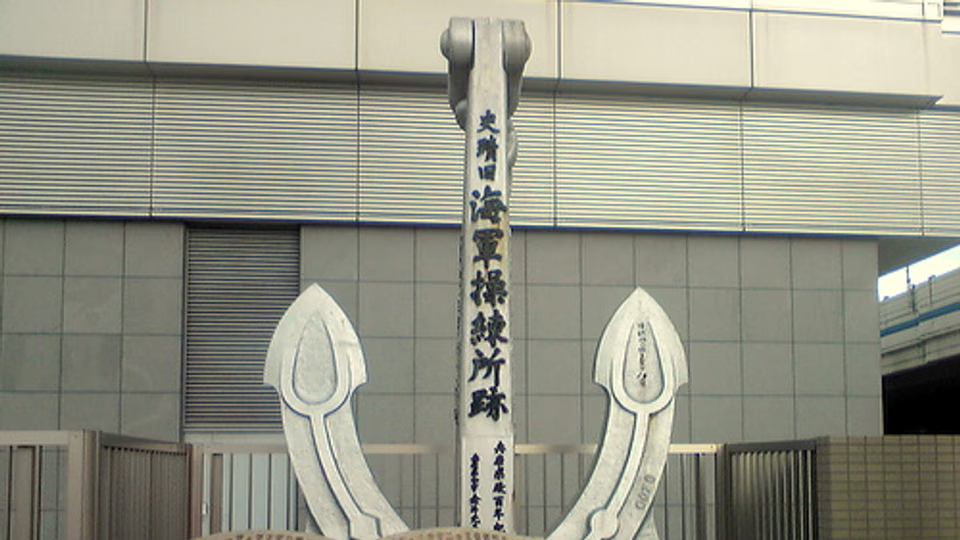 Kobe
KobeKobe Naval Training Center Site
神戸海軍操練所跡
Why it mattersNaval training made maritime knowledge a practical concern in the final years of the shogunate.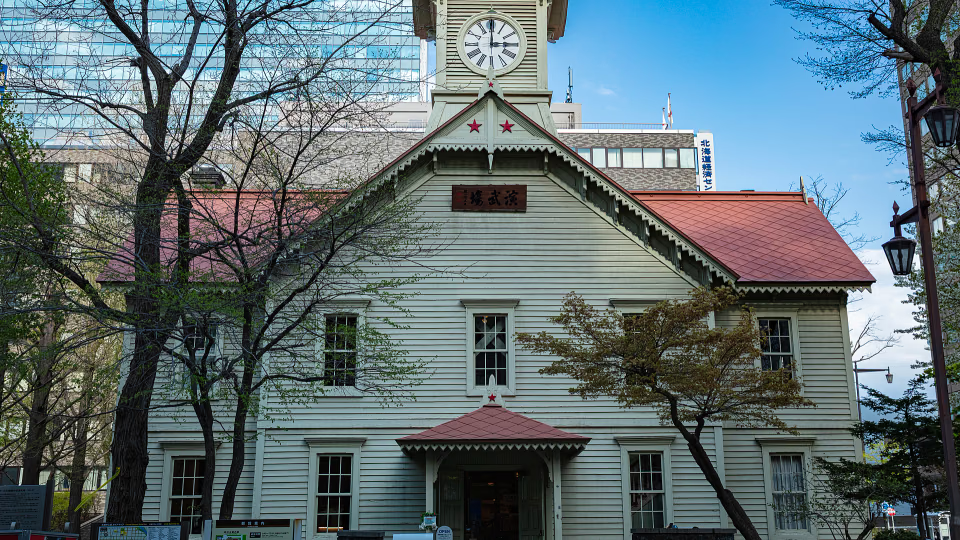 Sapporo
Sapporo Clock Tower
札幌市時計台(旧札幌農学校演武場)
Why it mattersIts connection to agricultural education links a familiar landmark to training and institution-building in Hokkaidō.