

 Asuka–Fujiwara
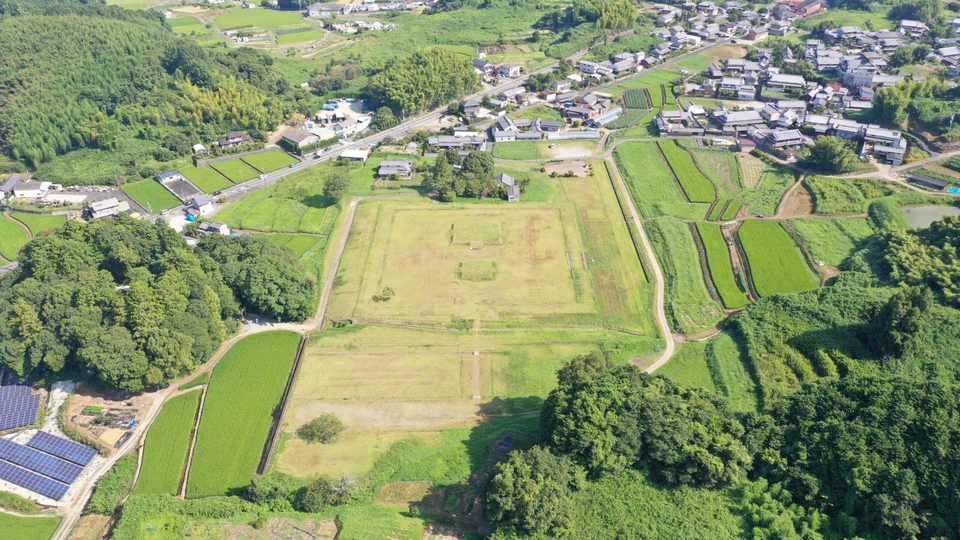
Asuka and Fujiwara: Ancient Capitals
飛鳥・藤原の宮都
Why it mattersThe dispersed Asuka sites and planned Fujiwara capital show royal government taking new architectural and administrative forms.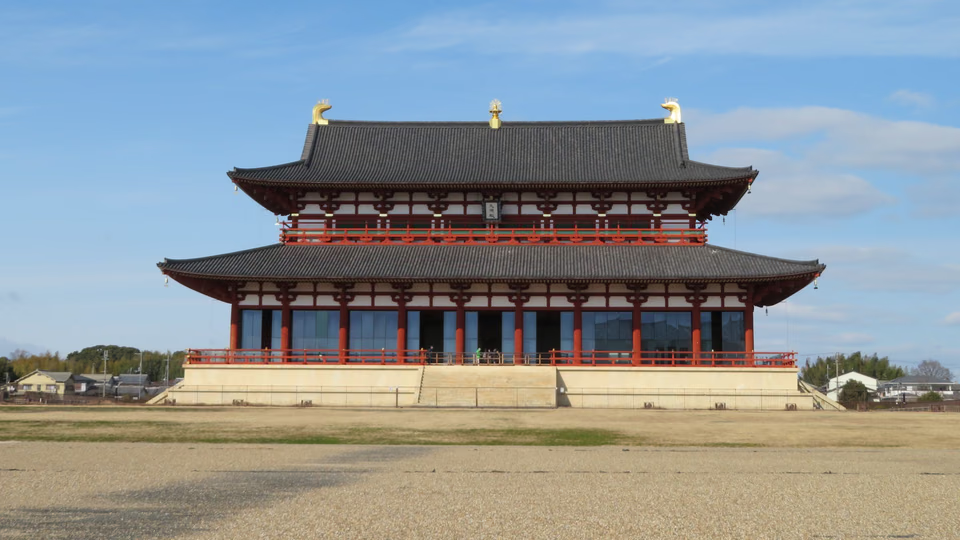 Nara
NaraHeijō Palace Site
平城宮跡
Why it mattersThe palace site makes the scale of Nara government legible through the relationship between ceremonial space, offices and the planned city.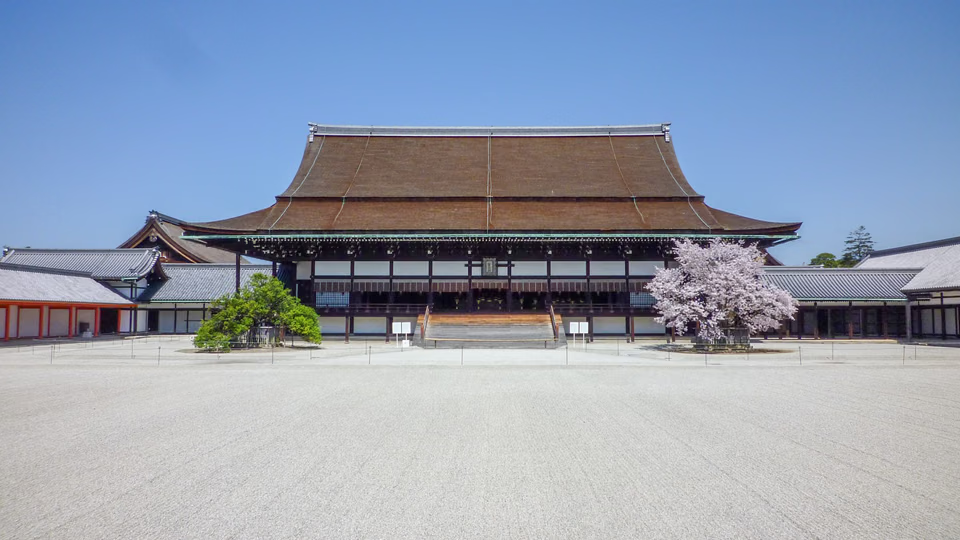 Kyoto
KyotoKyoto Imperial Palace
京都御所
Why it mattersThe palace connects imperial ceremony and succession to a court that remained politically meaningful through centuries of warrior government.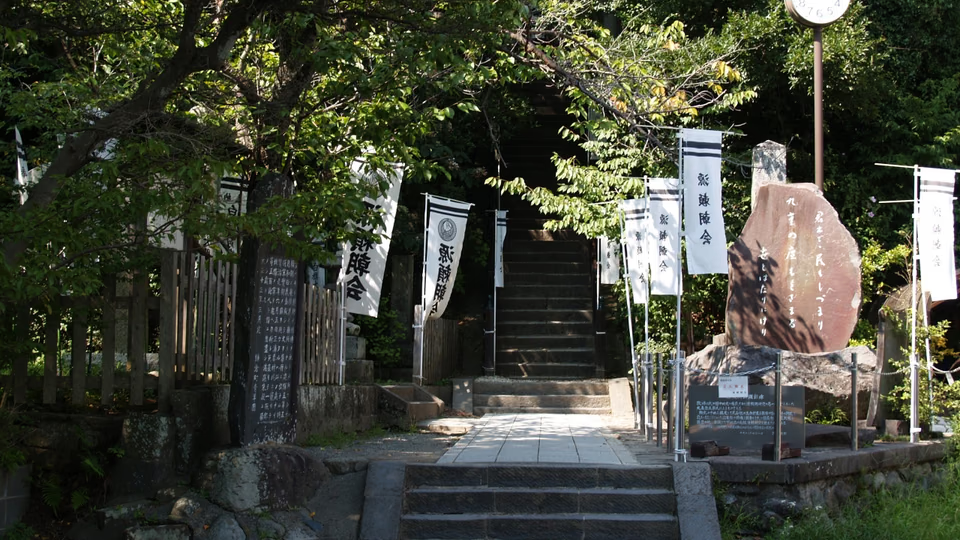 Kamakura
Kamakura Hokkedō–Hōjō Political Sites Area
鎌倉法華堂跡・北条氏ゆかりの史跡
Why it mattersResidences, religious sites and remembered government spaces help locate the institutions and households of Kamakura rule.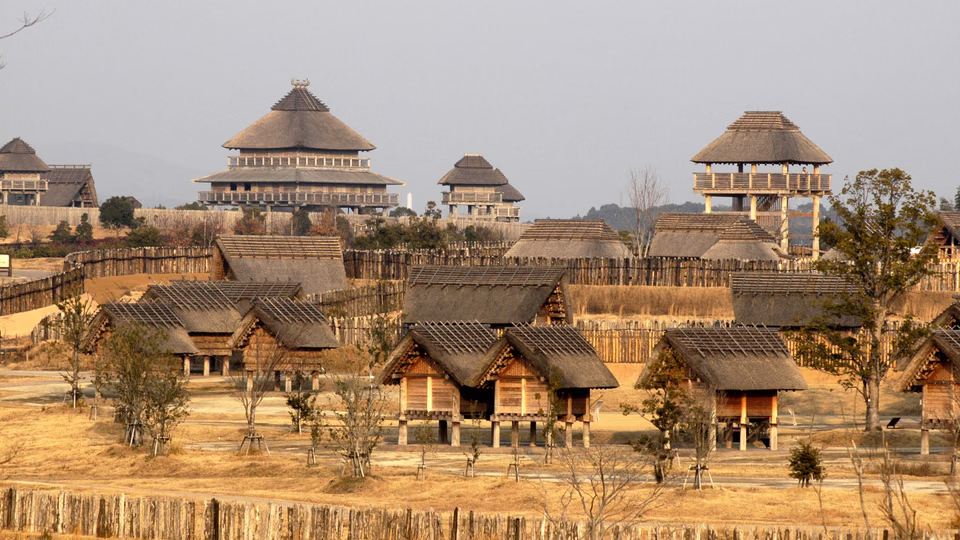 Yoshino
Yoshino and the Southern Court
吉野・南朝
Why it mattersYoshino's landscape explains how a displaced court sustained a rival claim to legitimacy away from Kyoto.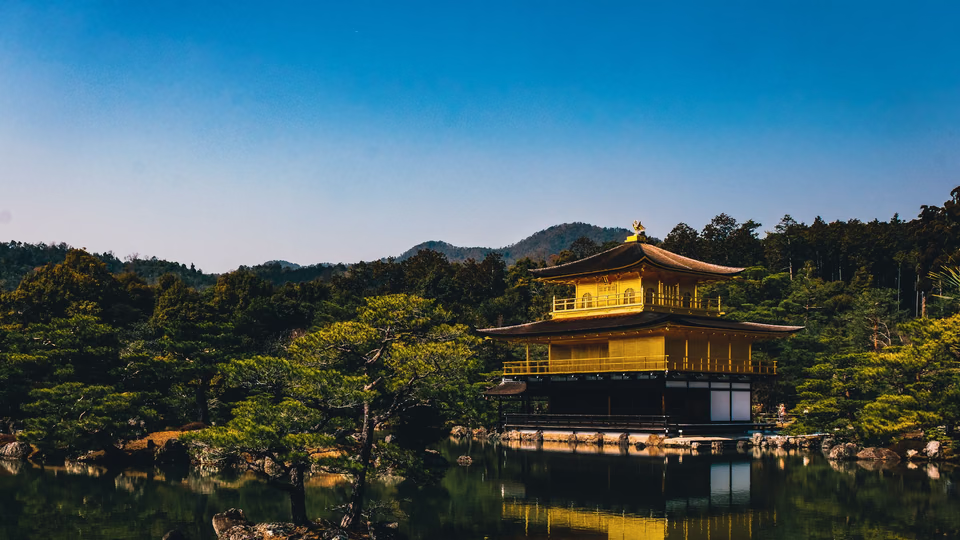 Kyoto
KyotoKinkaku-ji (Rokuon-ji)
鹿苑寺(金閣寺)
Why it mattersYoshimitsu's former Kitayama residence links shogunal wealth, court culture and religious patronage in one landscape.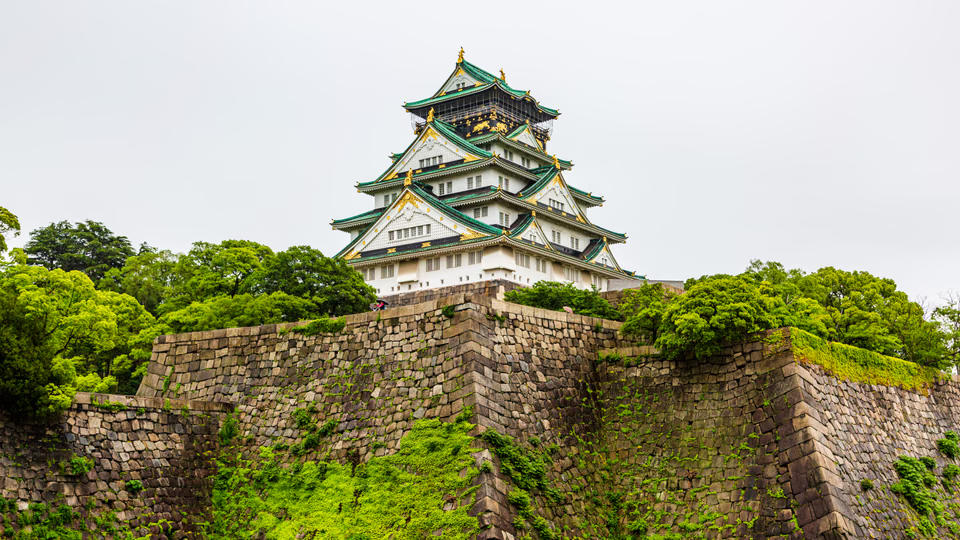 Osaka
OsakaOsaka Castle
大阪城
Why it mattersToyotomi construction and Tokugawa rebuilding reveal how successive rulers remade the same strategic center.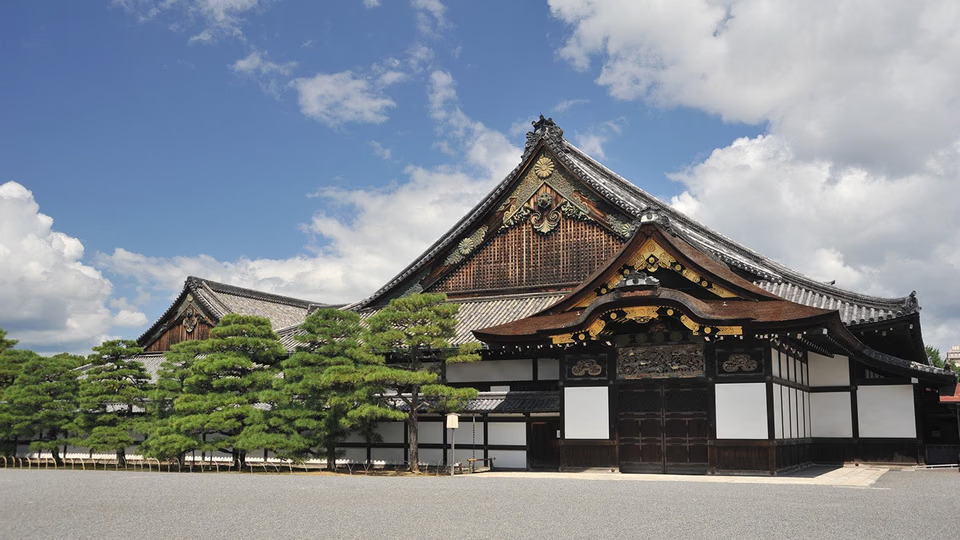 Kyoto
KyotoNijō Castle
二条城
Why it mattersThe castle placed Tokugawa authority in Kyoto, bringing shogunal ceremony into the imperial capital.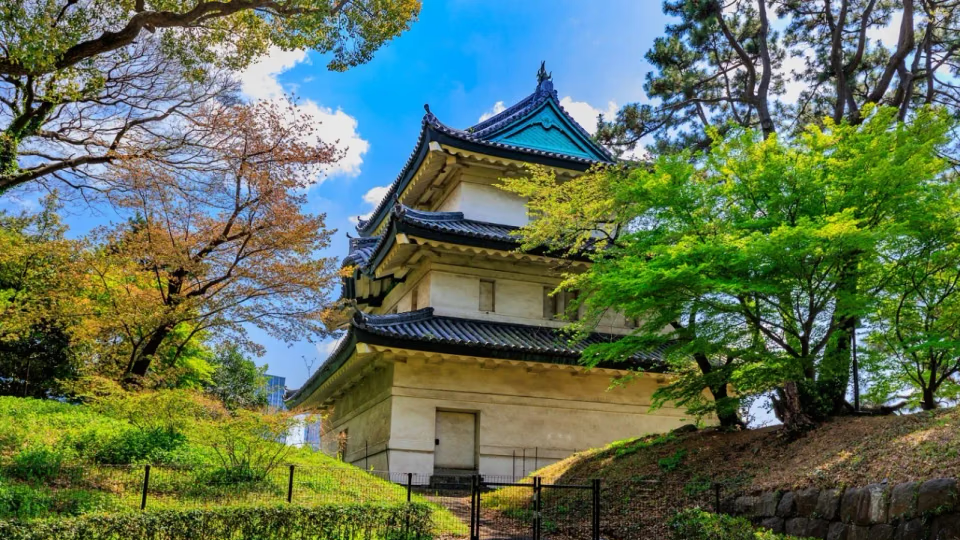 Tokyo
TokyoEdo Castle and the Imperial Palace East Gardens
江戸城・皇居東御苑
Why it mattersThe castle and its surrounding city made a territorial base into the center of hereditary Tokugawa government.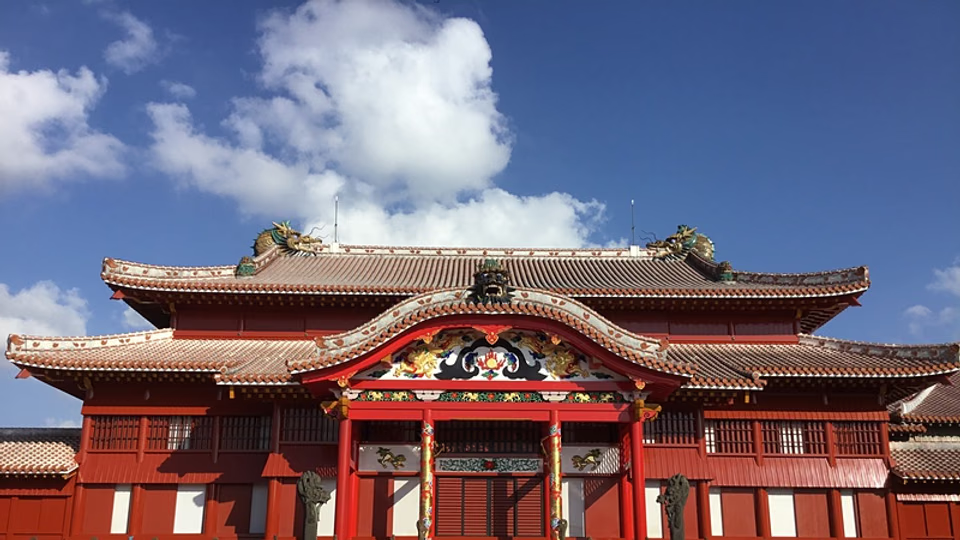 Naha
NahaShuri Castle
首里城
Why it mattersShuri was the center of Ryukyuan kingship, whose diplomacy and later subordination complicate a history told only from Japan's main islands.