

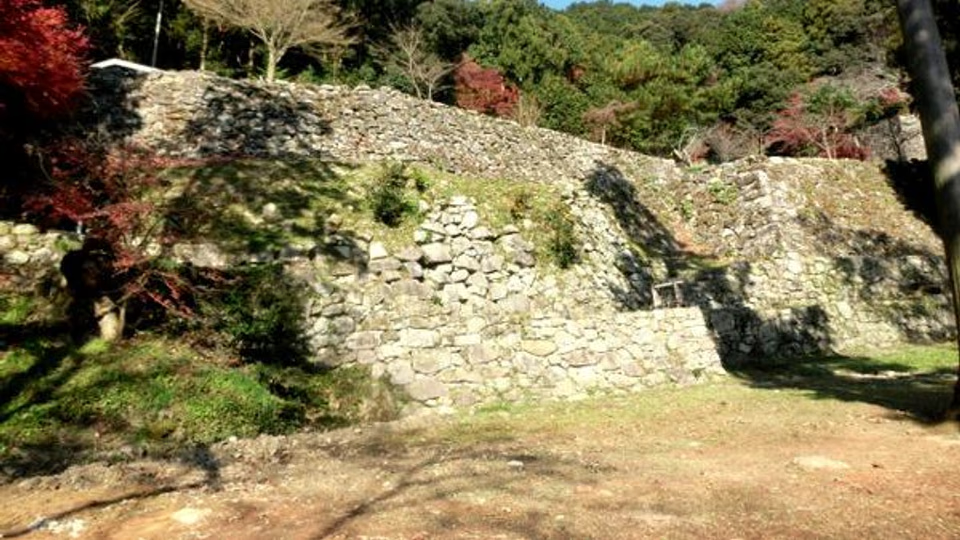
 Omihachiman
Azuchi Castle Ruins
安土城跡
Why it mattersNobunaga's castle site connects monumental construction to a new concentration of regional power and urban activity.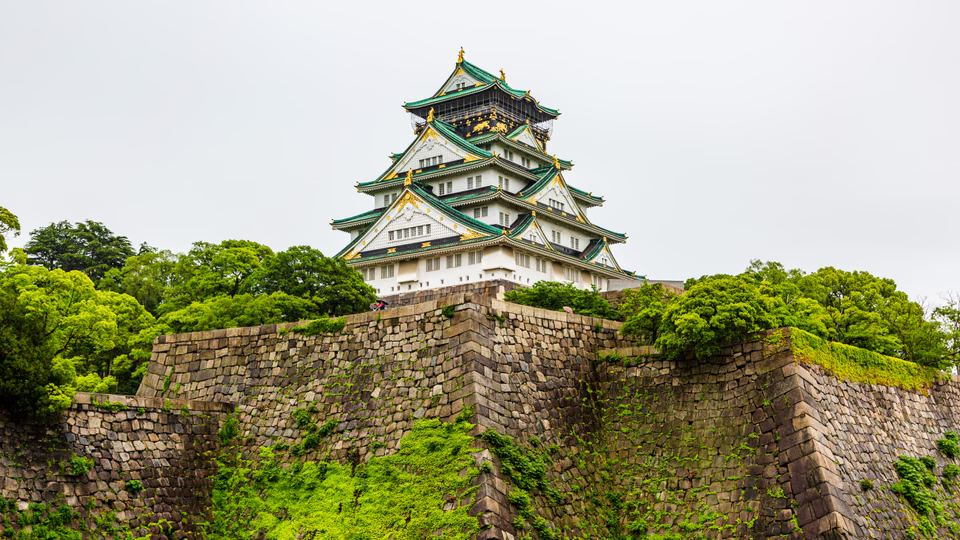 Osaka
OsakaOsaka Castle
大阪城
Why it mattersToyotomi construction and Tokugawa rebuilding reveal how successive rulers remade the same strategic center.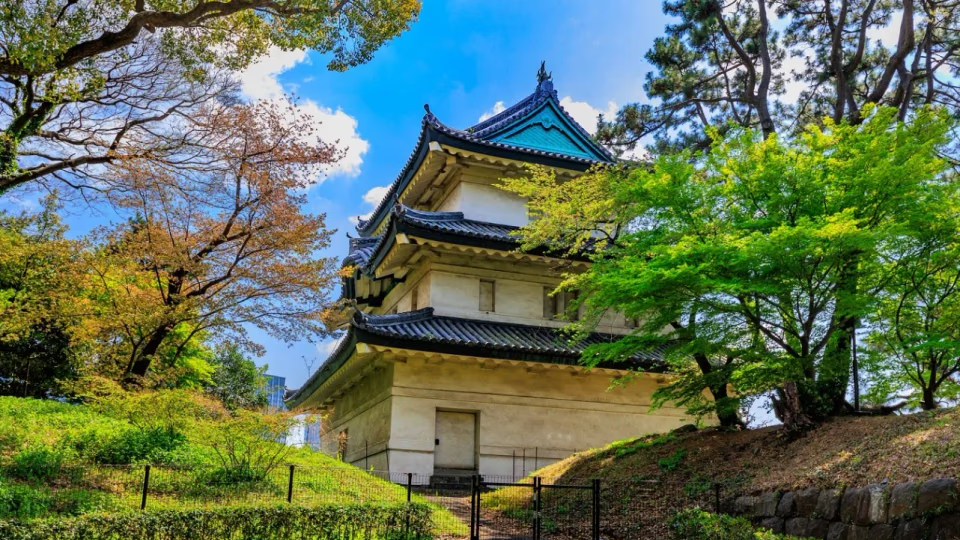 Tokyo
TokyoEdo Castle and the Imperial Palace East Gardens
江戸城・皇居東御苑
Why it mattersThe castle and its surrounding city made a territorial base into the center of hereditary Tokugawa government.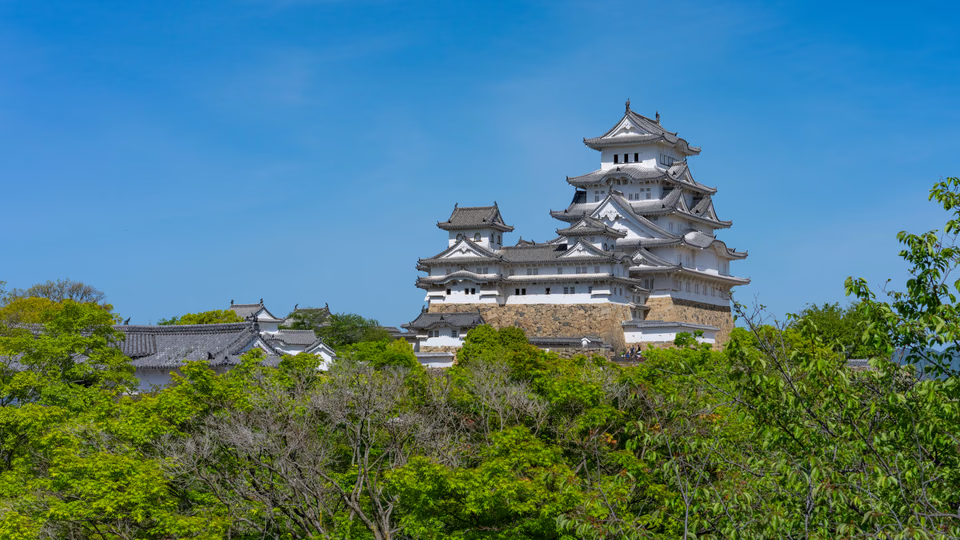 Himeji
Himeji Castle
姫路城
Why it mattersIkeda Terumasa's rebuilding reveals how a major lord secured position and displayed authority within the Tokugawa settlement.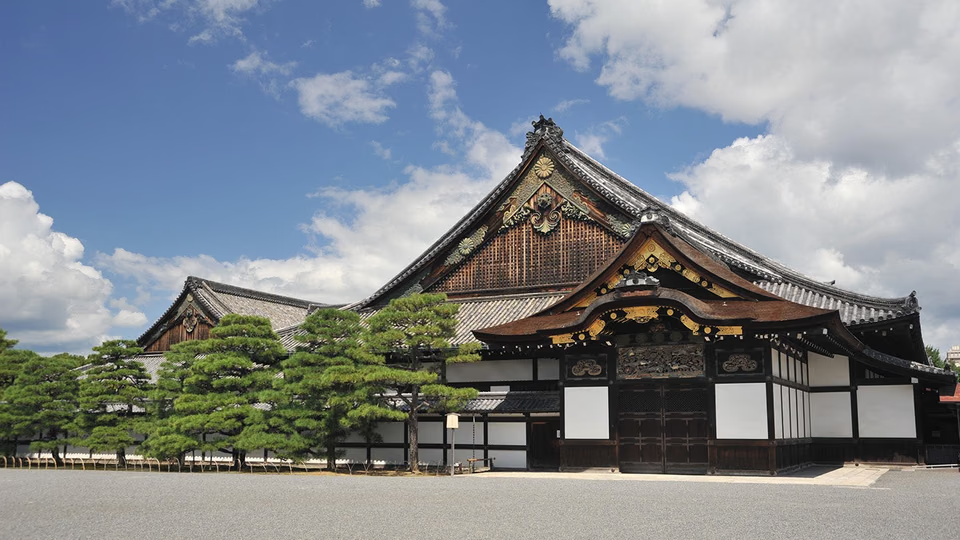 Kyoto
KyotoNijō Castle
二条城
Why it mattersThe castle placed Tokugawa authority in Kyoto, bringing shogunal ceremony into the imperial capital.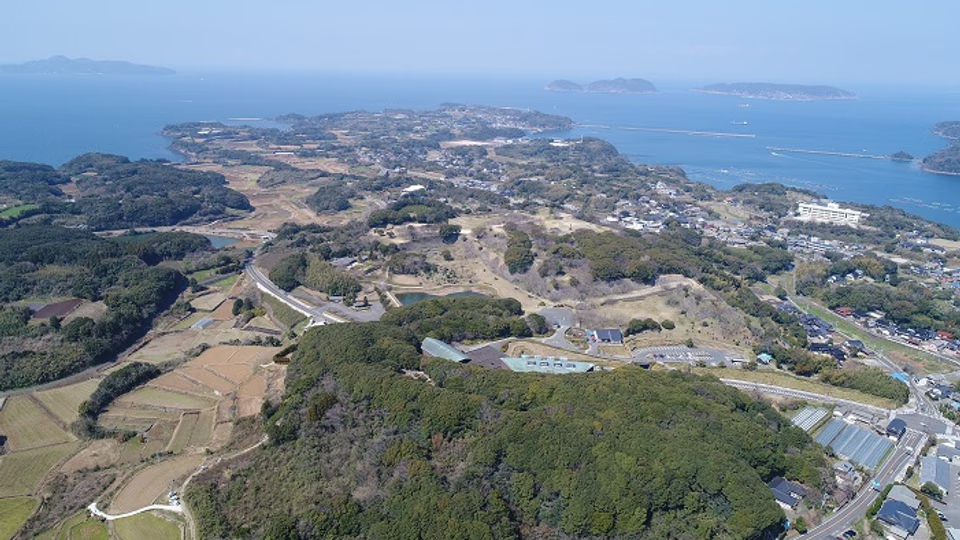 Karatsu
Hizen Nagoya Castle Ruins
肥前名護屋城跡
Why it mattersThe ruins and surrounding camps expose the scale of mobilization behind Hideyoshi's invasions of Korea.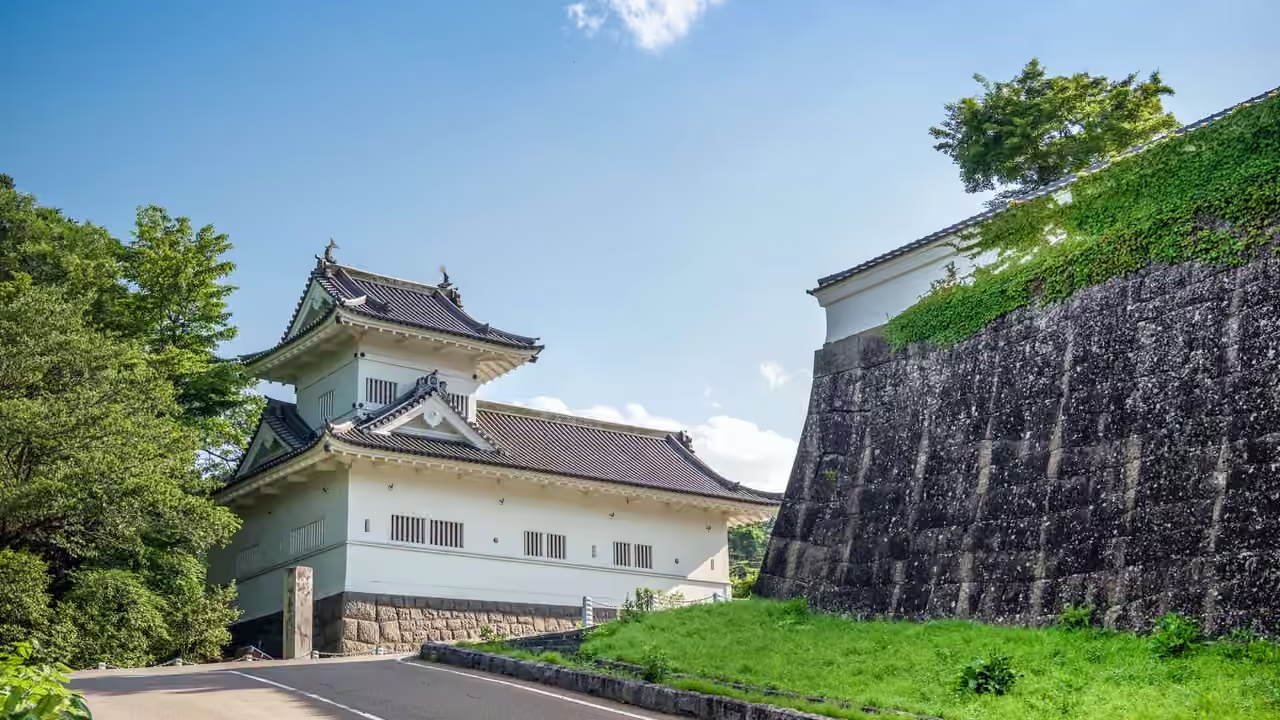 Sendai
Sendai Castle Ruins
仙台城跡
Why it mattersMasamune's castle and town show the construction of a durable regional center after the territorial settlement of 1600.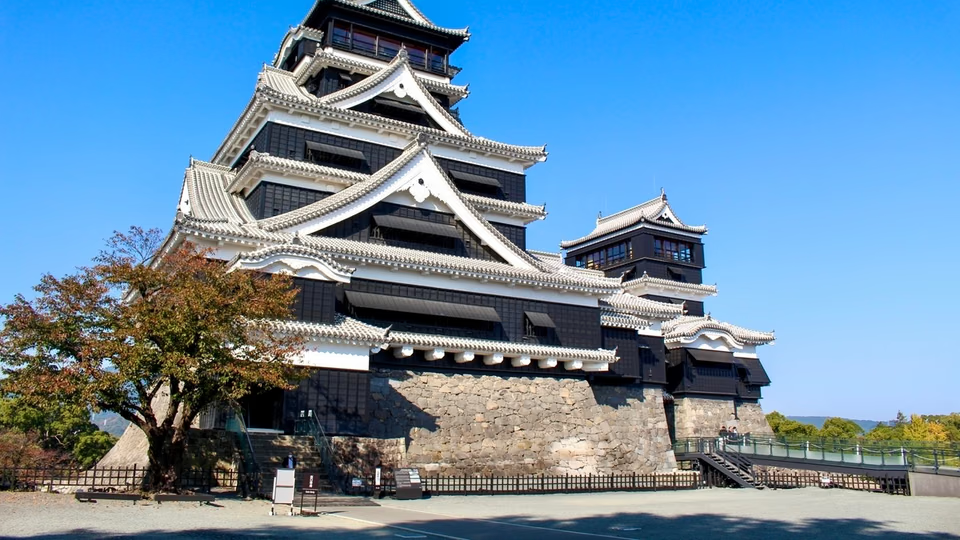 Kumamoto
Kumamoto Castle
熊本城
Why it mattersKiyomasa's fortification connects territorial administration to the later conflicts and rebuilding that changed the site.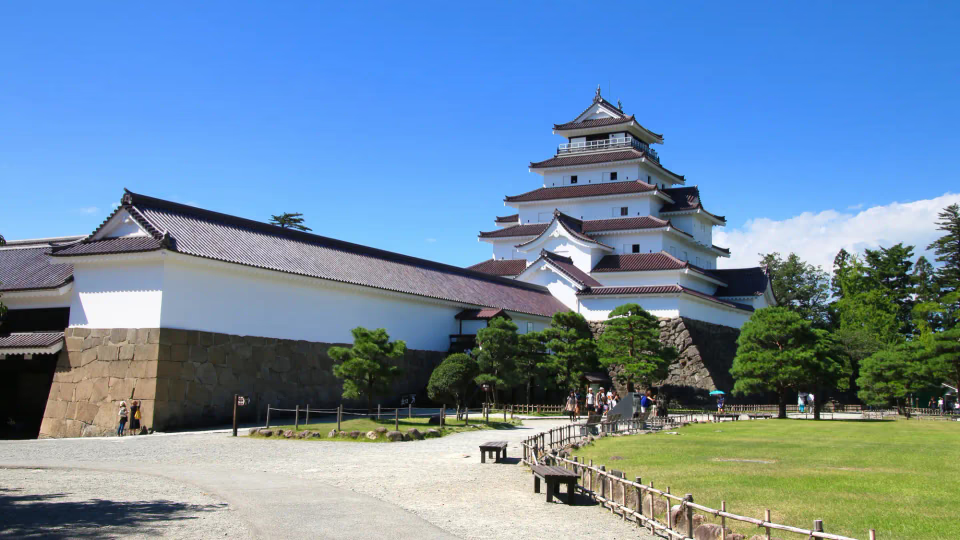 Aizuwakamatsu
Tsuruga Castle
鶴ヶ城
Why it mattersThe castle ties Aizu's domain government to its resistance during the Boshin War and the memory of defeat.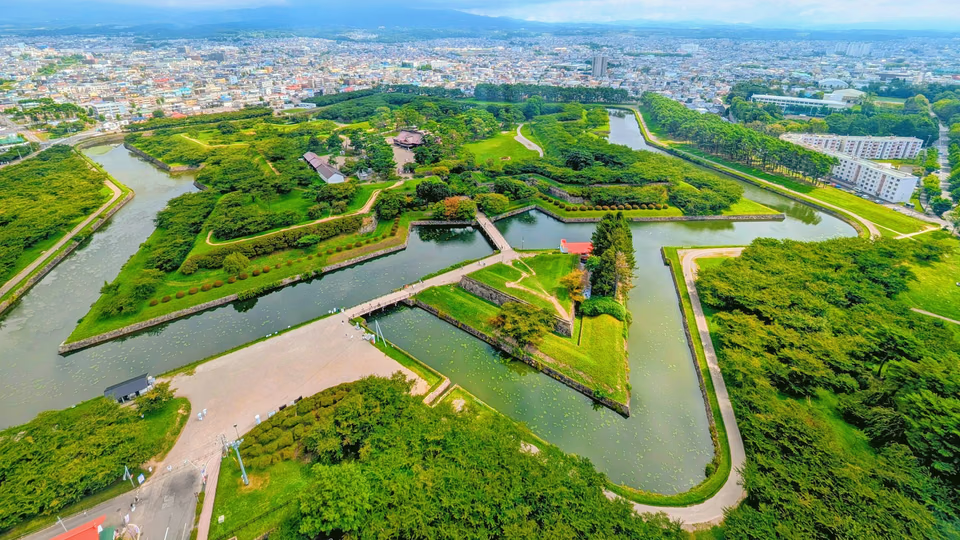 Hakodate
Goryōkaku
五稜郭
Why it mattersThe fort links imported military design to the final northern campaigns of the Boshin War.