

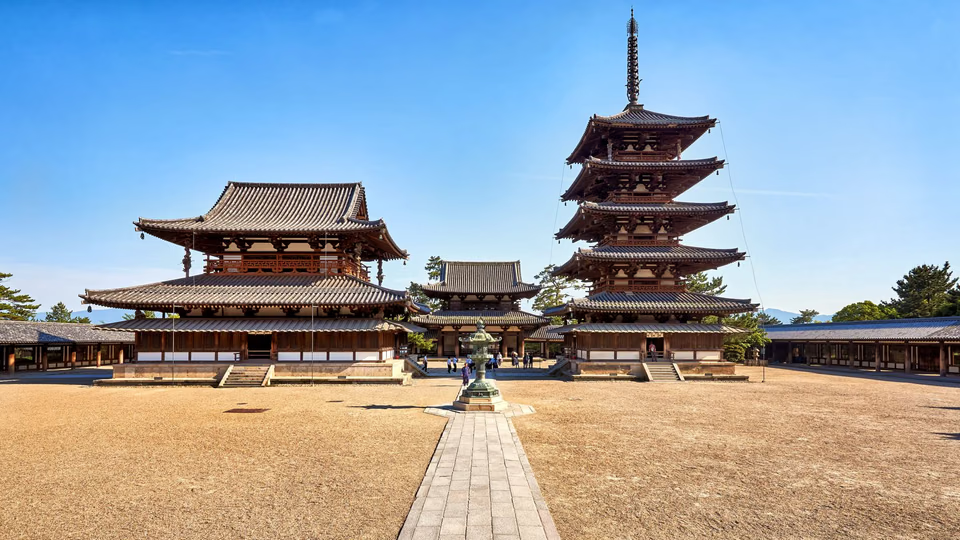
 Ikaruga
Hōryū-ji
法隆寺
Why it mattersTemple buildings, sculpture and inscriptions preserve evidence of early Buddhist patronage alongside later reconstruction and memory.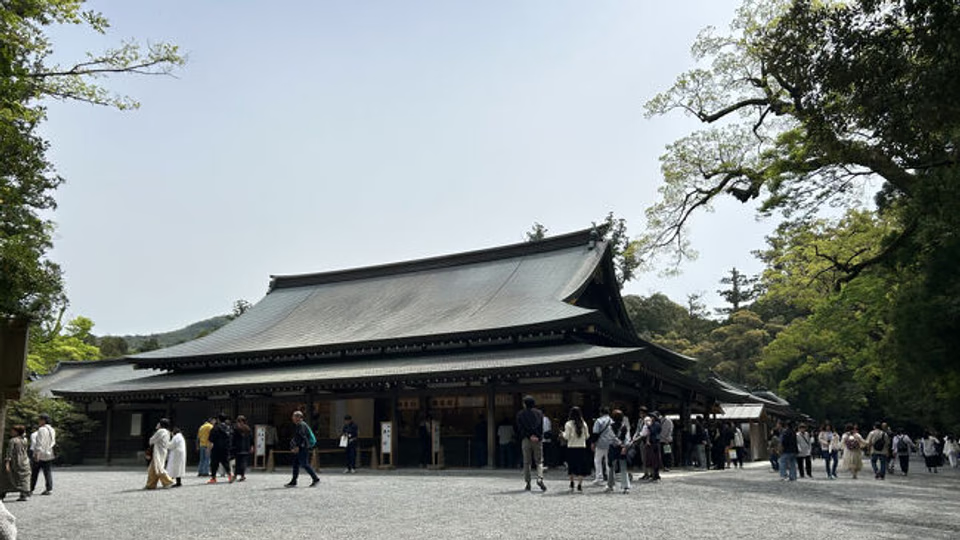 Ise
IseIse Jingū: Naikū
皇大神宮(内宮)
Why it mattersRitual renewal and imperial connections make Ise a place to examine continuity through repeated rebuilding.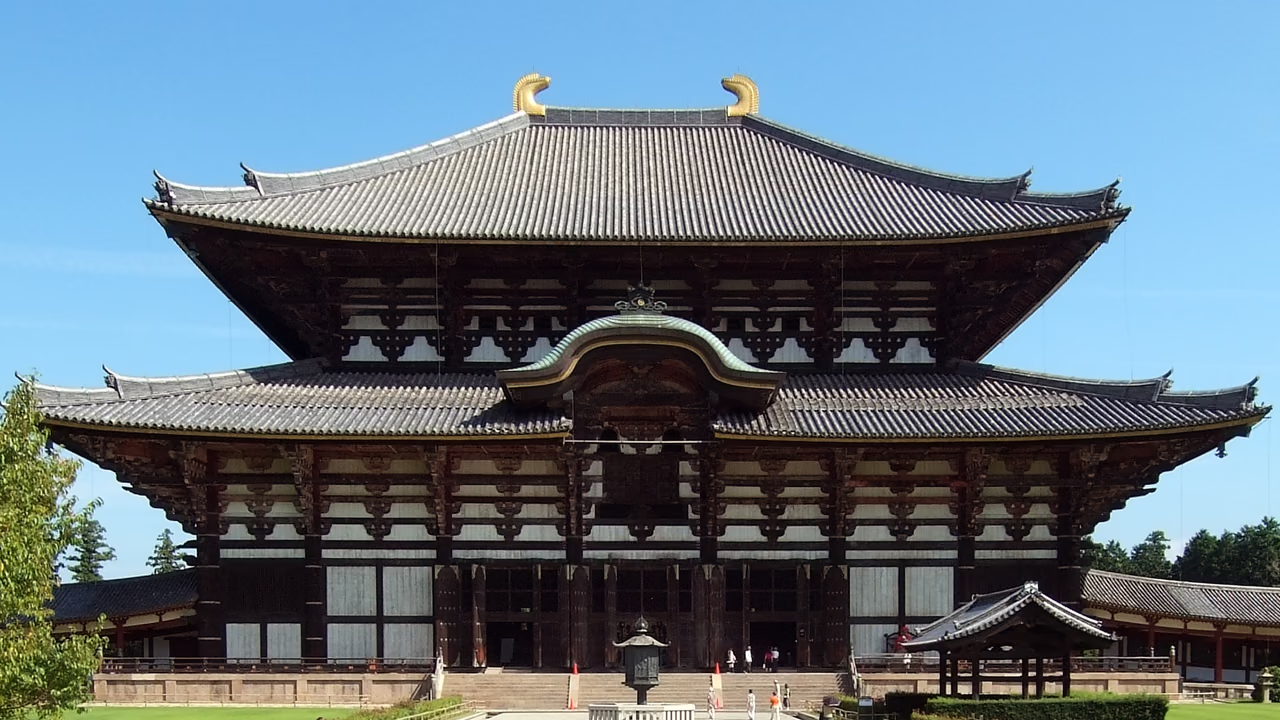 Nara
NaraTōdai-ji
東大寺
Why it mattersThe Great Buddha and ordination history reveal how religious ambition depended on labor, patronage and institutions extending beyond Nara.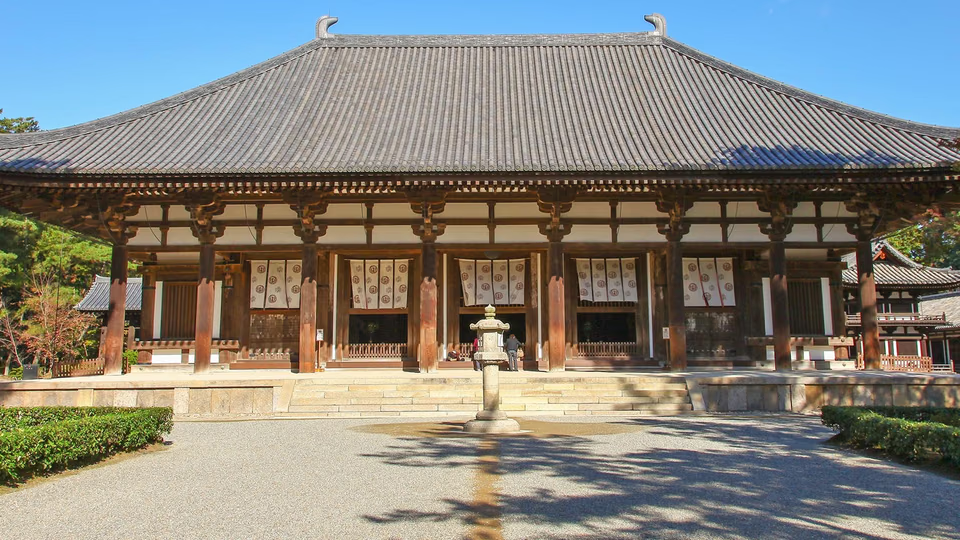 Nara
NaraTōshōdai-ji
唐招提寺
Why it mattersGanjin's temple connects maritime transmission of Buddhist expertise with the establishment of a lasting teaching community.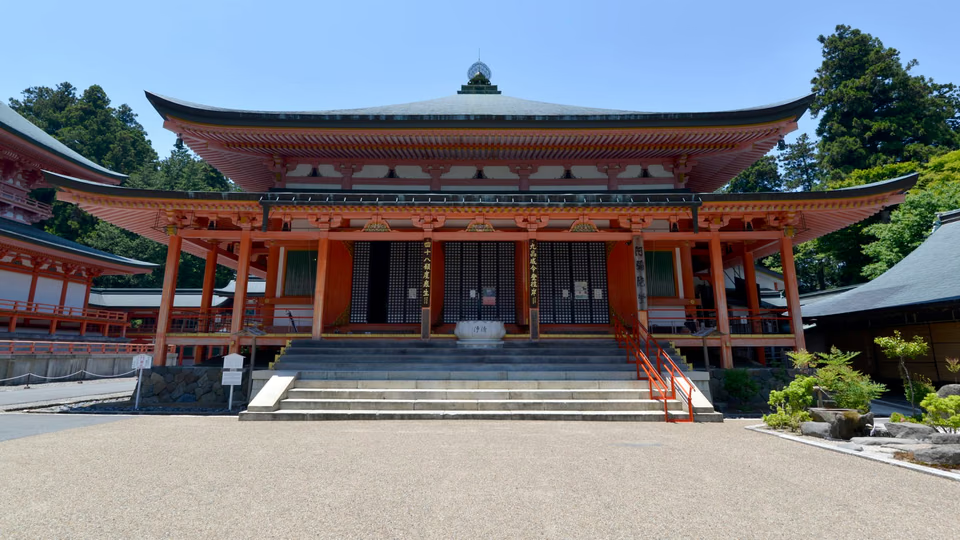 Otsu
OtsuHieizan Enryaku-ji
比叡山延暦寺
Why it mattersMount Hiei became a center of training and institutional power whose influence extended far beyond the mountain.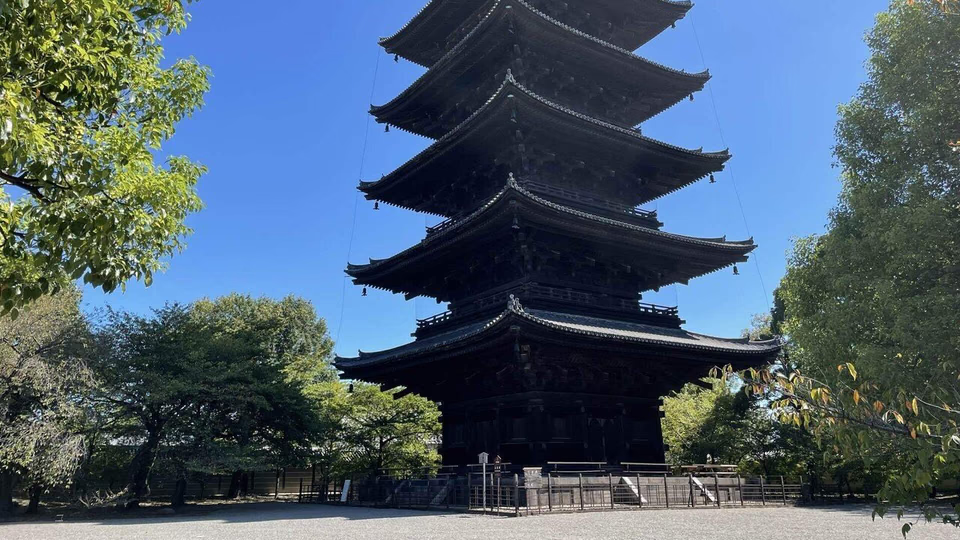 Kyoto
KyotoTō-ji
東寺
Why it mattersThe court's grant to Kūkai placed esoteric Buddhist teaching and ritual inside the capital's institutional landscape.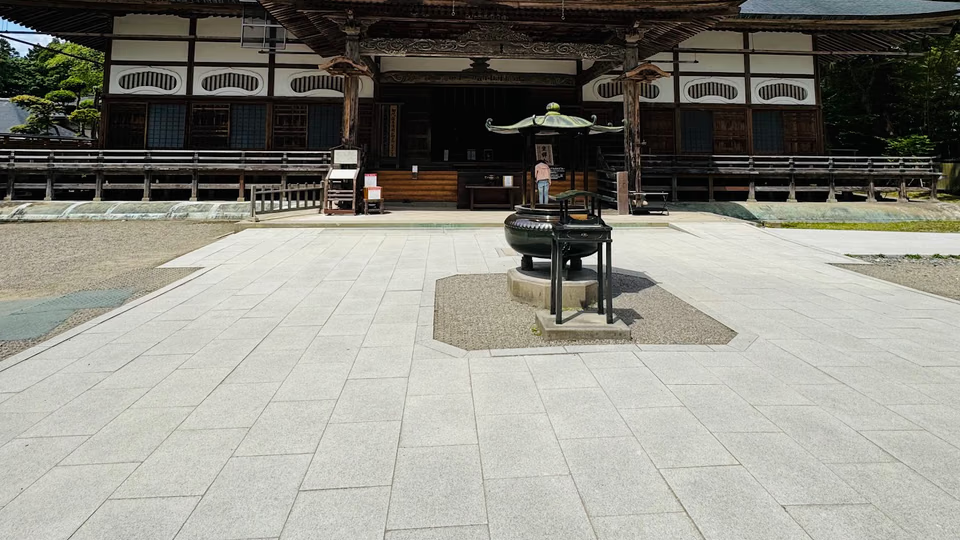 Hiraizumi
Chūson-ji
中尊寺
Why it mattersKiyohira's temple complex connects Buddhist commemoration with the wealth and authority of a northern regional government.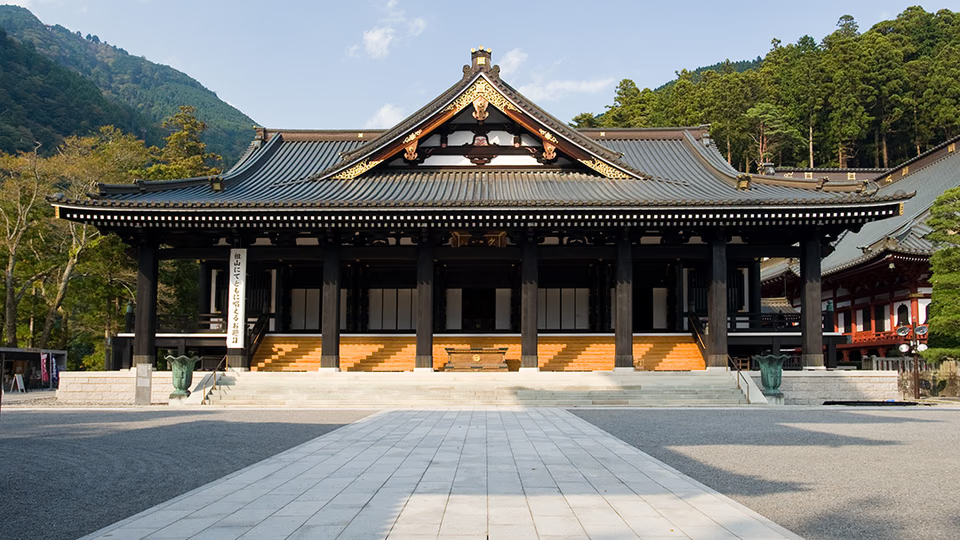 Minobu
Minobusan Kuon-ji
身延山久遠寺
Why it mattersMinobu locates Nichiren's later teaching and the community that preserved his religious legacy.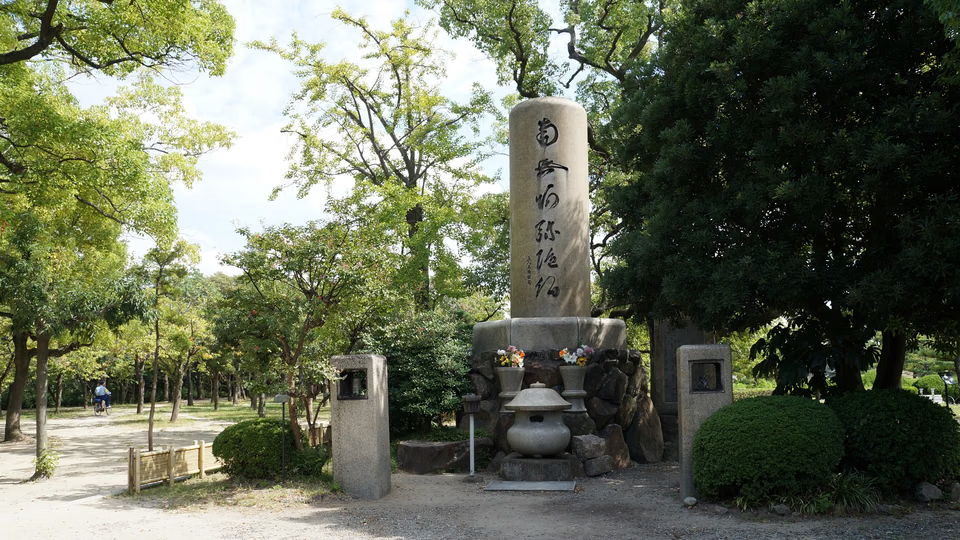 Osaka
OsakaIshiyama Hongan-ji Site
石山本願寺跡
Why it mattersThe lost temple center makes Osaka a place to read religious community, military resistance and negotiated survival together.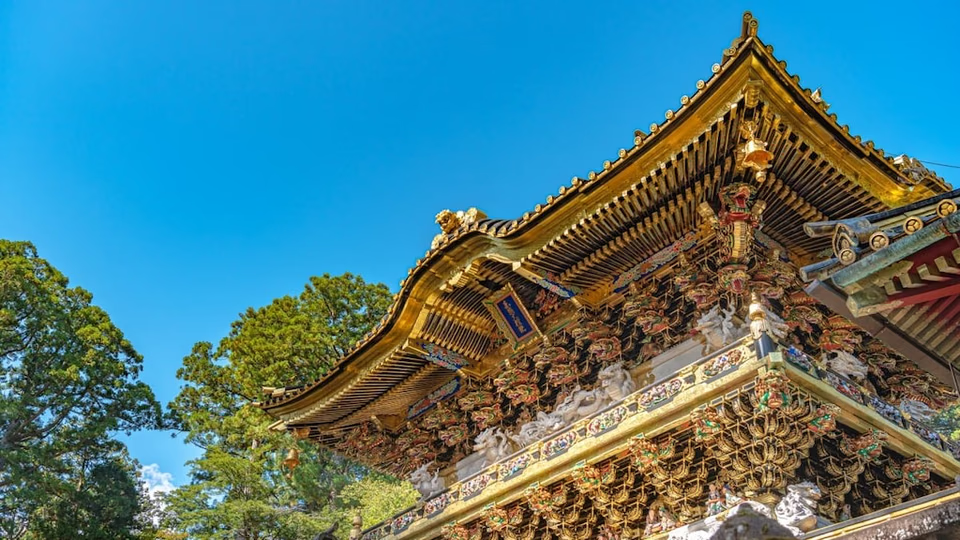 Nikko
NikkoNikkō Tōshōgū
日光東照宮
Why it mattersThe Tokugawa founder's shrine joined sacred status, dynastic memory and the resources of the warrior government.