02 / 26
A ruler turns to the Buddha
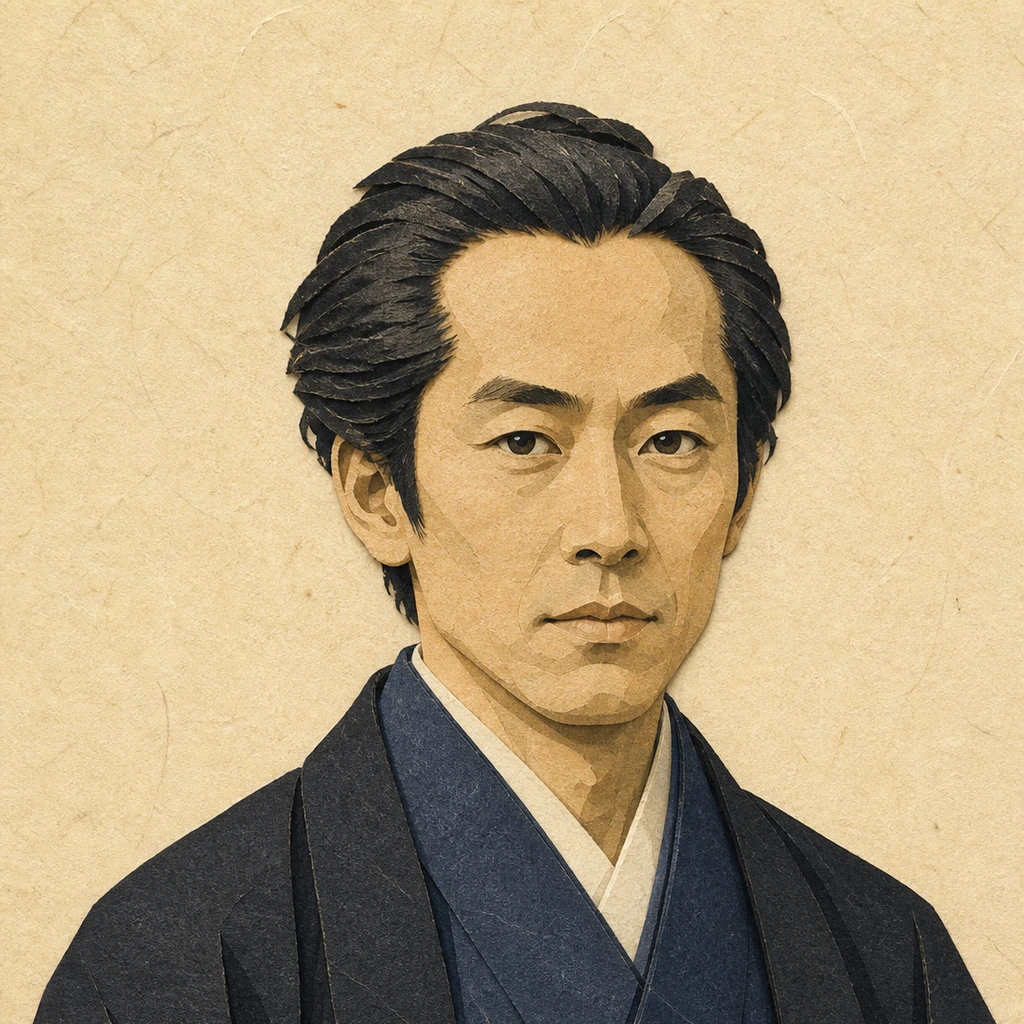
Reigned 724–749
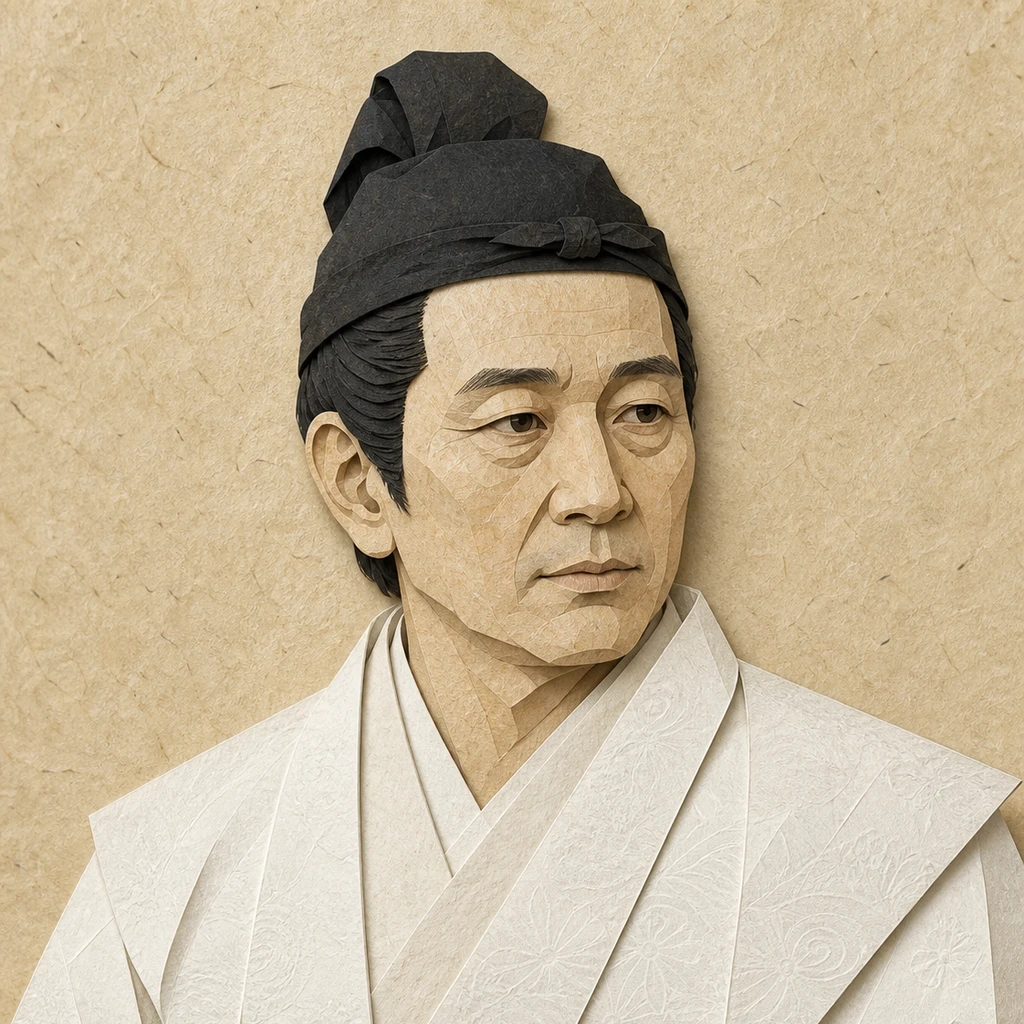
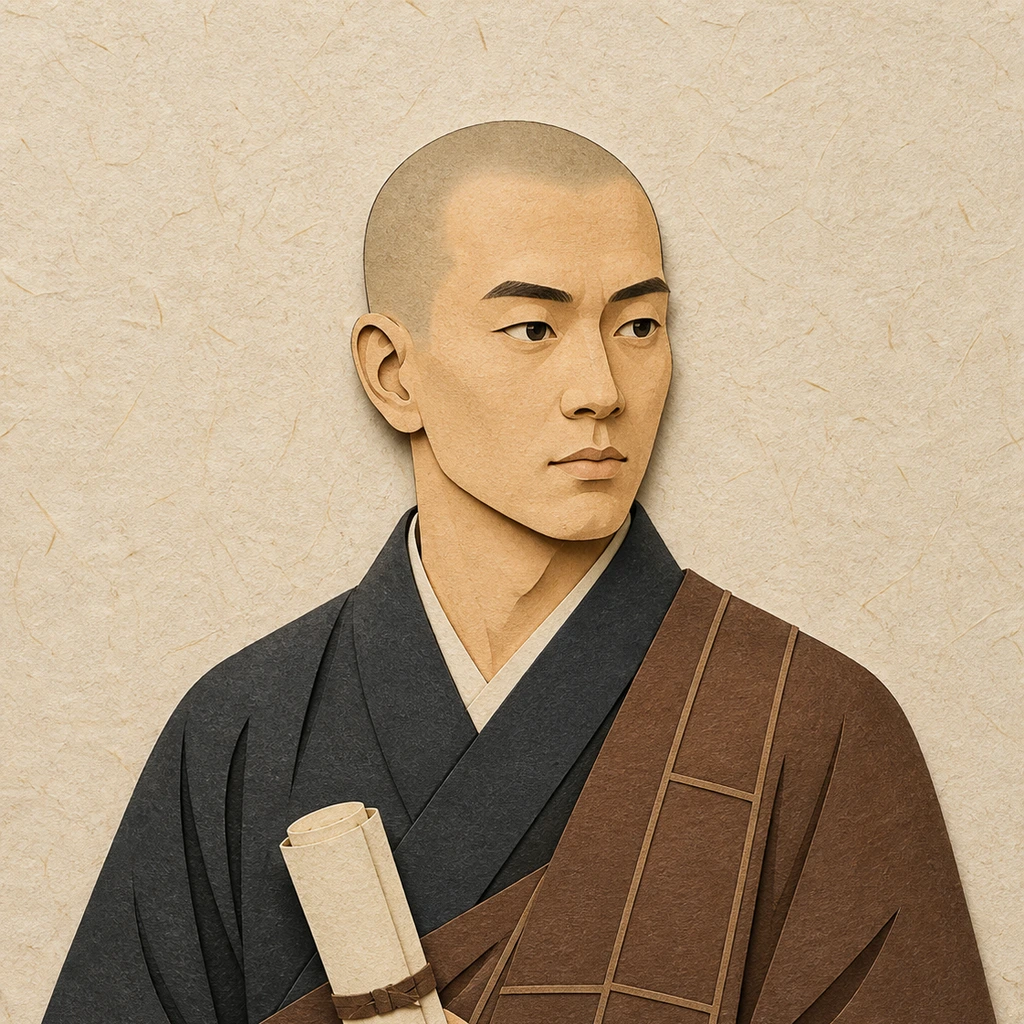
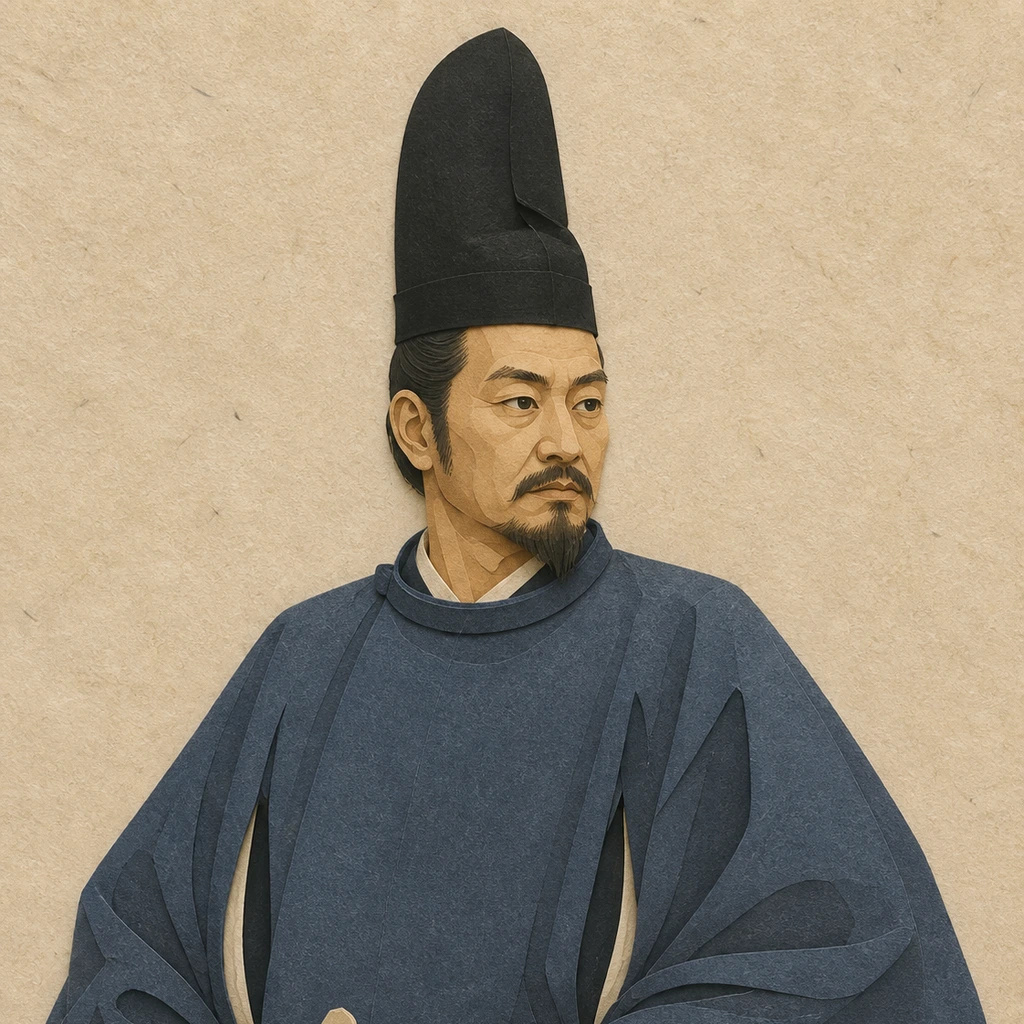
For Emperor Shōmu, a Buddhist temple could be part of governing. Monks prayed for the country, while the court helped build and support religious institutions.
In 741 he ordered a network of provincial monasteries. Tōdai-ji in Nara became its leading temple: a place for rituals and the study of Buddhist teachings, connected to a much wider political world.
The emperor’s support mattered. So did the officials, monks and workers who turned a royal command into buildings and daily activity.
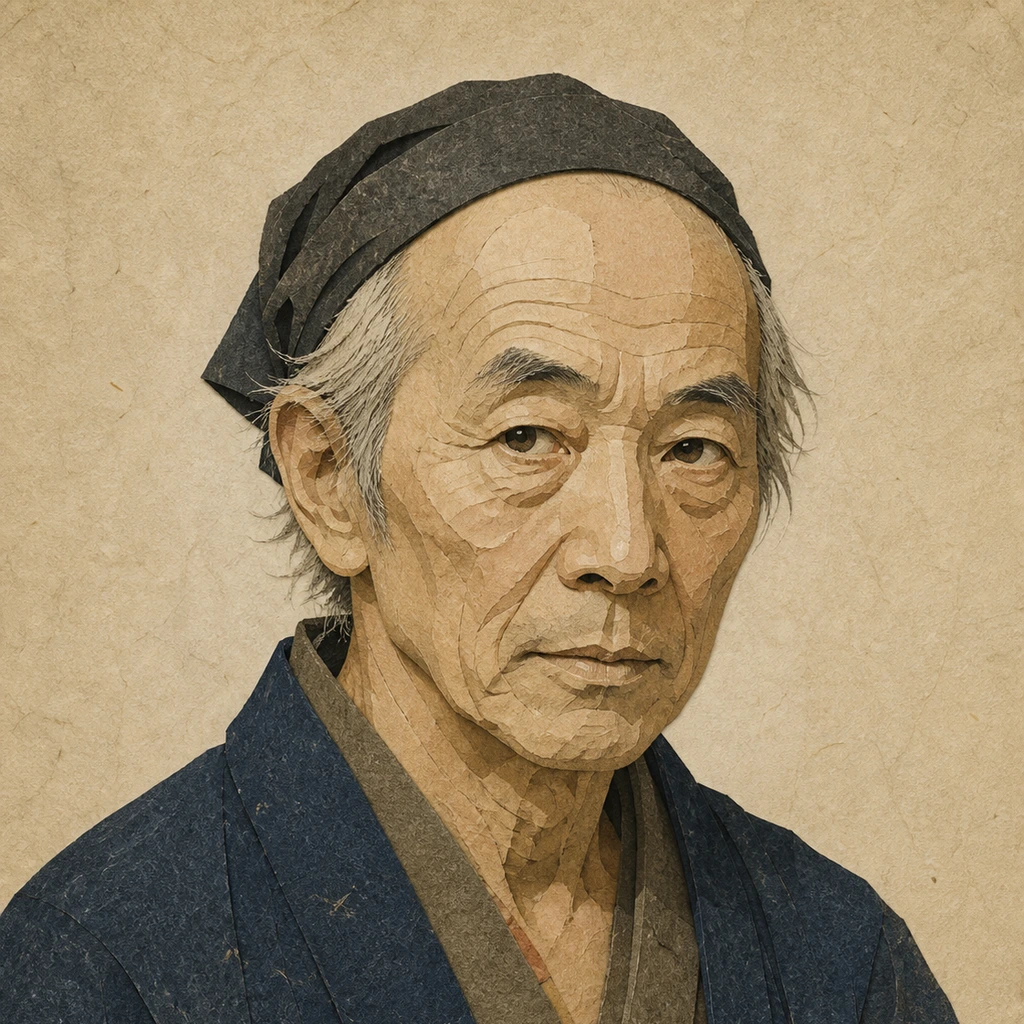
Retained eighth-century resource-delivery study. Anonymous workers, not Shōmu or a particular shipment to Tōdai-ji.
- The command
- 741: a provincial monastery network is ordered.
- The carrying
- Resources must be counted, transported and received.
- The institution
- Religious activity depends on continuing practical support.