02 / 29
A small settlement became a political center
1590–early 1600s
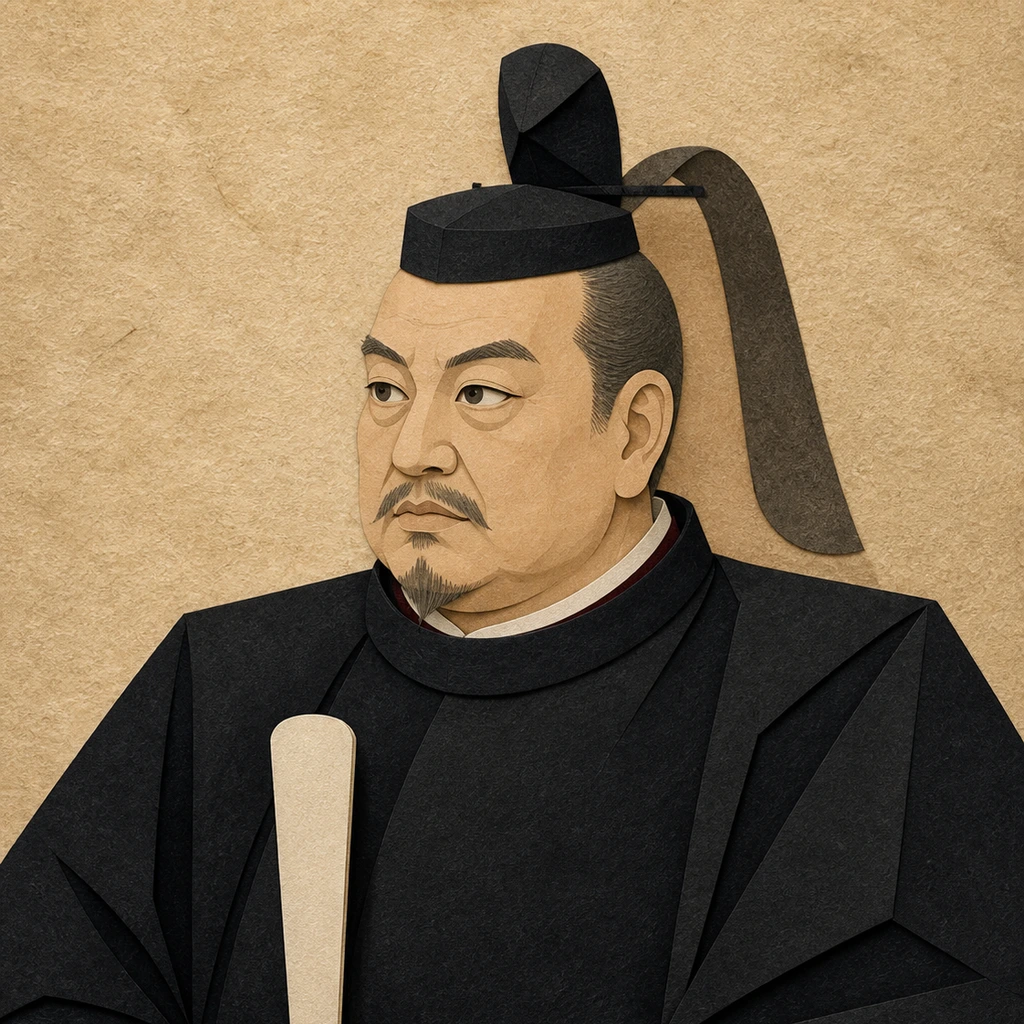
Tokugawa Ieyasu entered Edo in 1590 and made it the center of his eastern power. The site's bay, rivers and overland routes offered transport as well as difficult wet ground.
After Ieyasu became shogun in 1603, large construction projects expanded Edo Castle, redirected waterways and required materials and labor from many domains.
The city grew because government concentrated people and resources there. Geography offered possibilities, but political decisions turned them into an urban system.
A causal relationship, not a population chart, exact building programme or proof that Edo was empty before 1590.
- Water and routes
- The bay and rivers made movement possible.
- Wet ground
- Access also required engineering.
- 1603
- The shogunal government enlarged the concentration of need.