02 / 26
The emperor and the court
Across many periods
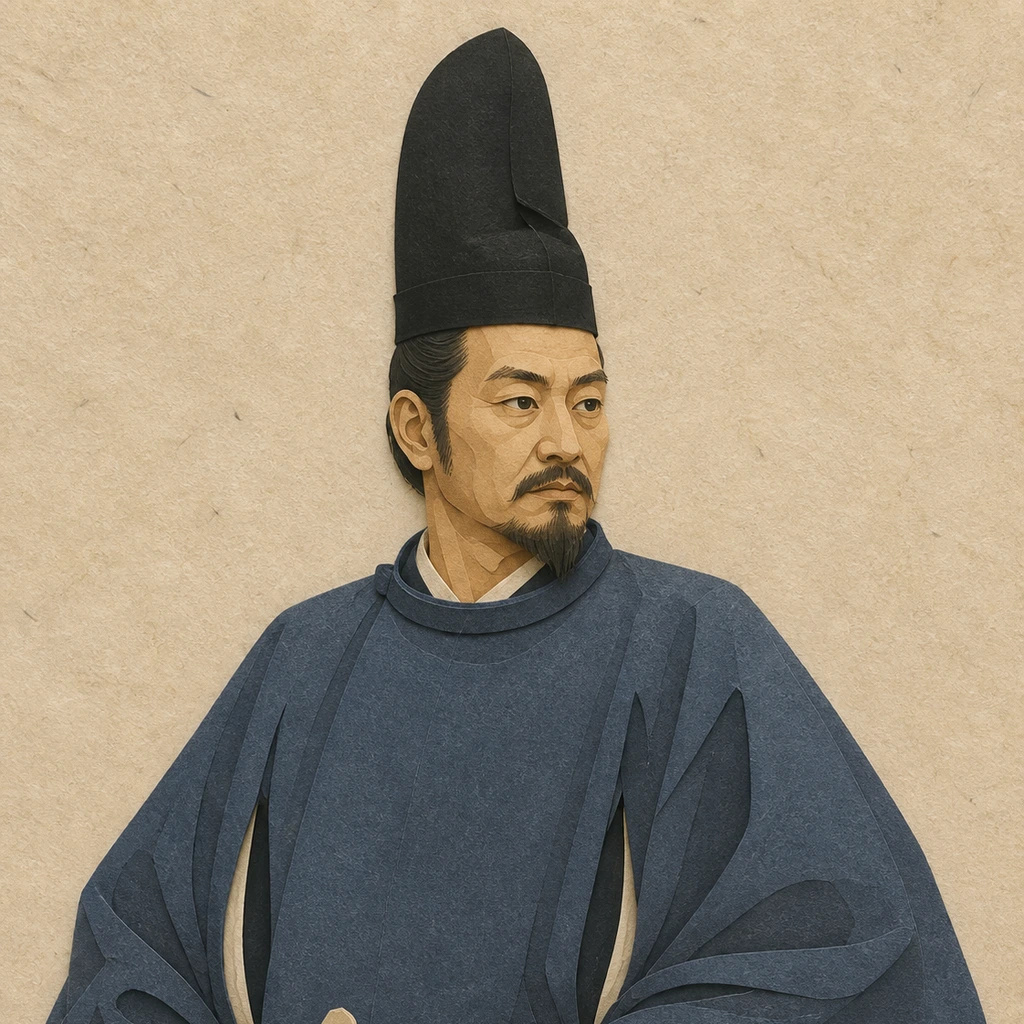
The court was the emperor's household together with officials who handled government, rank and ceremony. The emperor stood at the center of its claims to rightful rule.
An emperor might direct policy, work through a regent—an official acting on the ruler's behalf—or face constraints from powerful families. Retired emperors could also keep political influence.
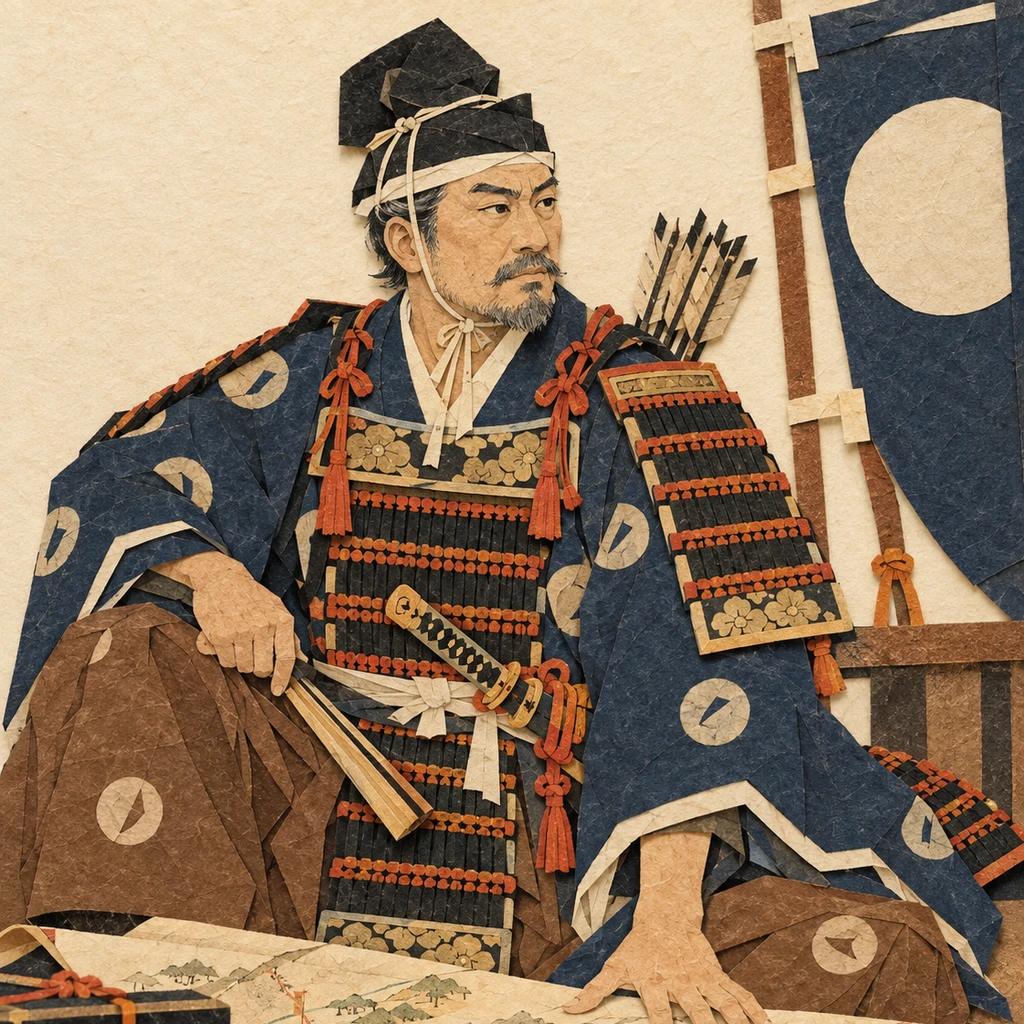
The position survived the rise of warrior governments. Appointments, succession and ritual still connected the imperial household with other centers of power; the balance changed from one reign to another.
Functional relationships across changing reigns, not a fixed constitutional chart.
- Office
- Rank and documents require specialists.
- Household
- Succession and upbringing require people.
- Variable balance
- A regent or retired ruler can matter without holding the throne.