

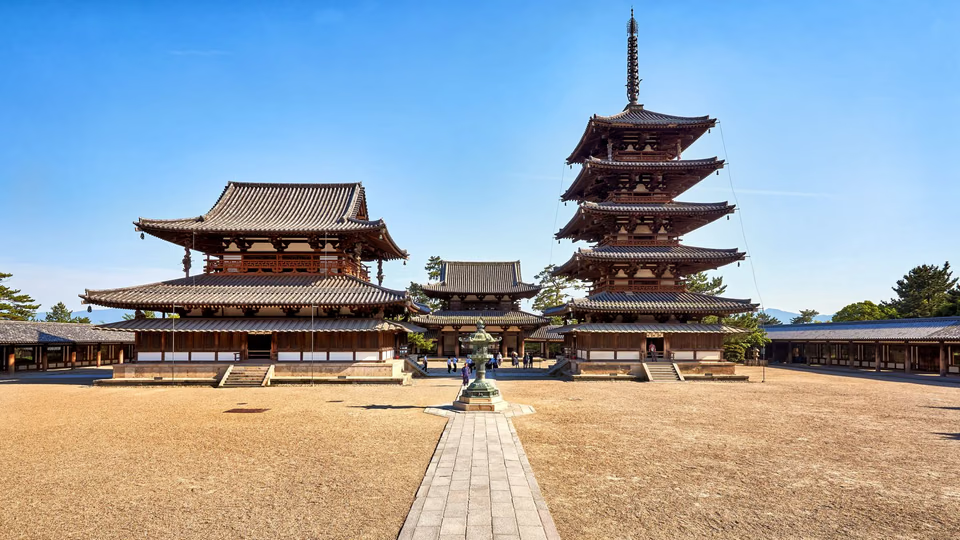
 Ikaruga
Hōryū-ji
法隆寺
Why it mattersBuddhist images and architecture connect artistic work to early religious patronage and the transmission of skills.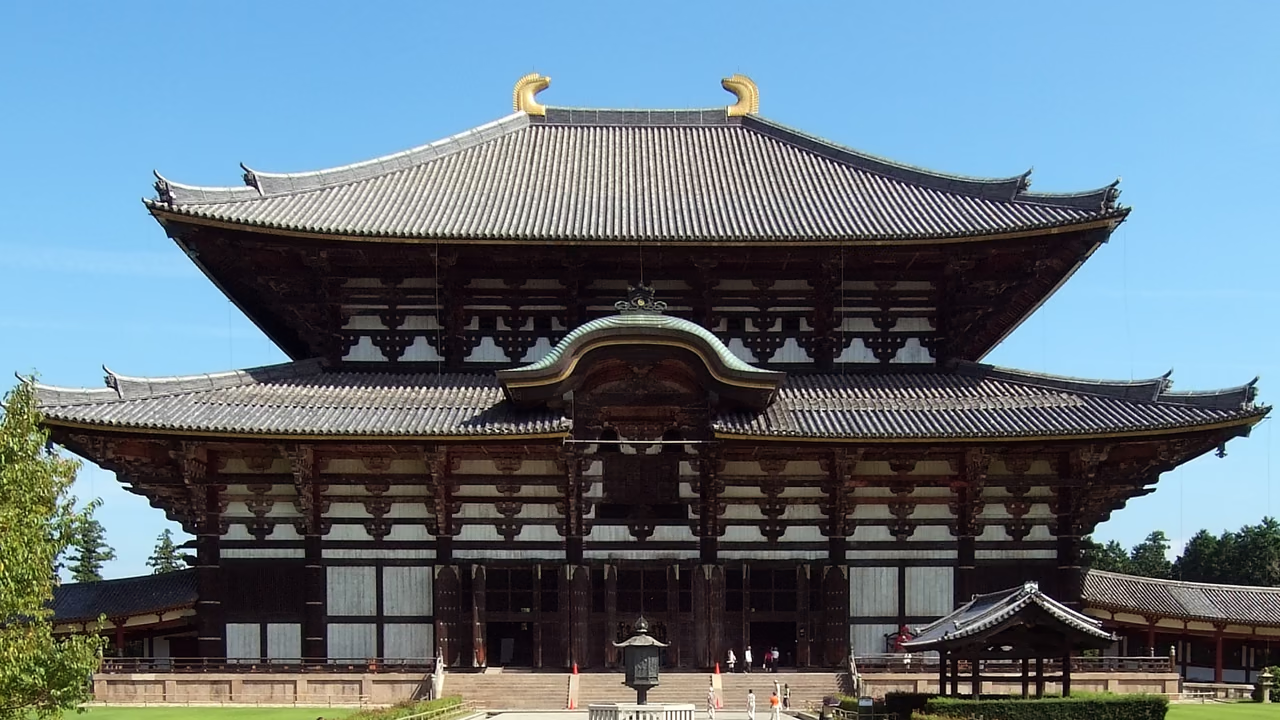 Nara
NaraTōdai-ji
東大寺
Why it mattersThe Great Buddha joins artistic production to the material resources and labor of an imperial religious project.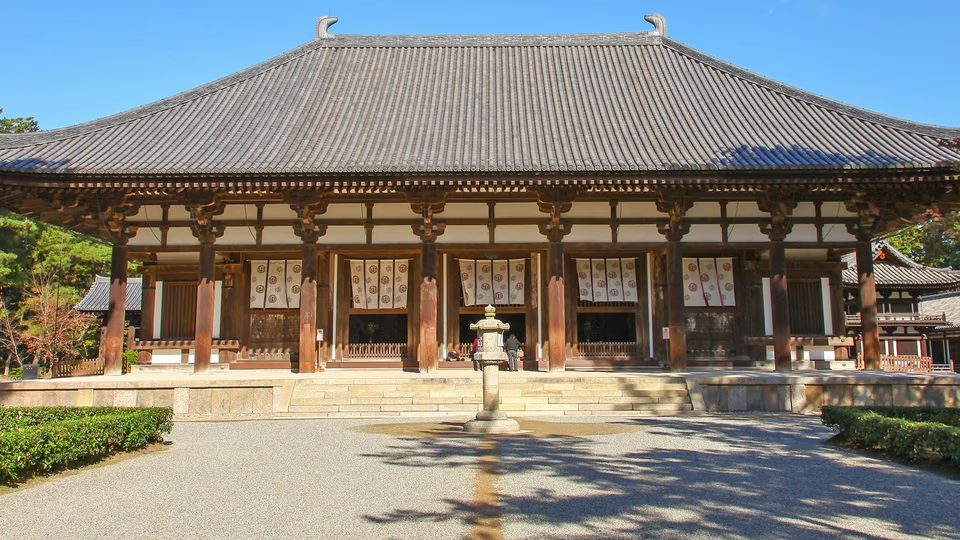 Nara
NaraTōshōdai-ji
唐招提寺
Why it mattersThe temple’s buildings and images situate religious art within the institutional legacy associated with Ganjin.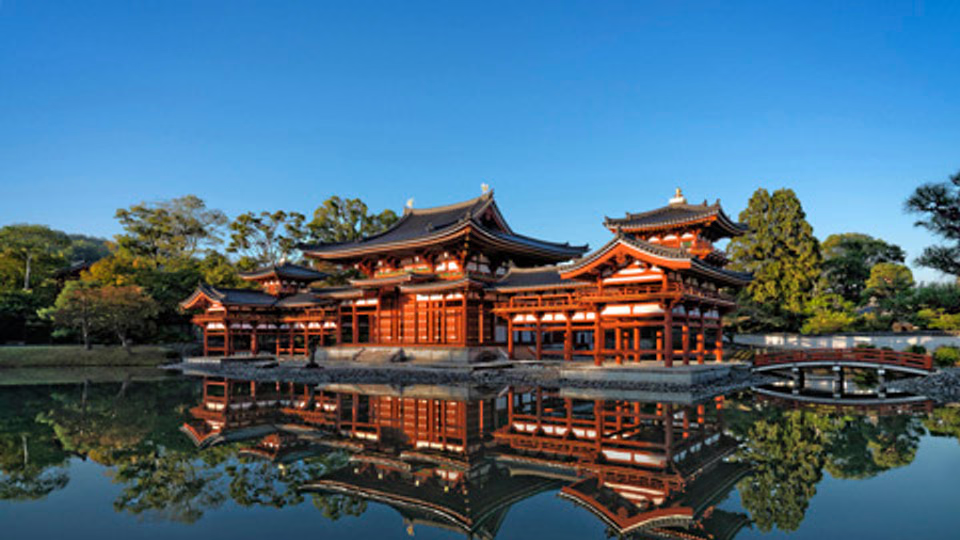 Uji
UjiByōdō-in
平等院
Why it mattersJōchō’s Amida image belongs to an ensemble of architecture, painting and landscape rather than an isolated masterpiece.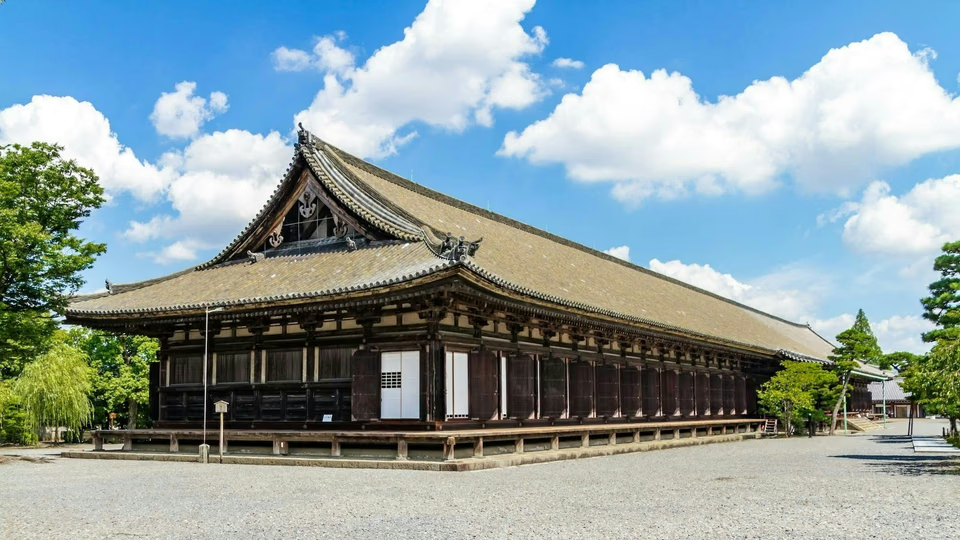 Kyoto
KyotoSanjūsangen-dō–Hōjūji-dono Historic Area
三十三間堂・法住寺殿
Why it mattersThe hall and its images connect devotional encounter to the courtly and religious setting of Hōjūji-dono.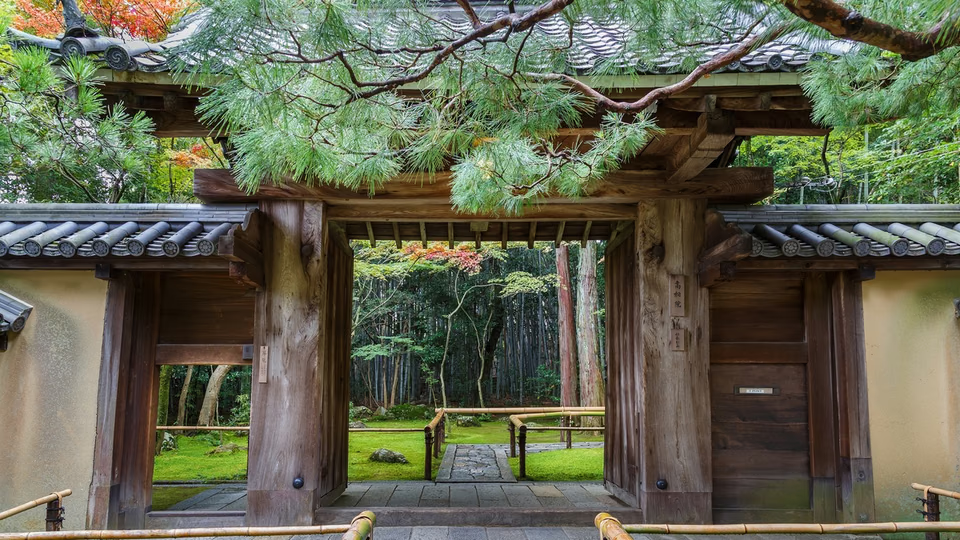 Kyoto
KyotoDaitoku-ji–Jukō-in
大徳寺・聚光院
Why it mattersTemple spaces and their artistic associations bring patrons, painted interiors and cultural practice into the same reading.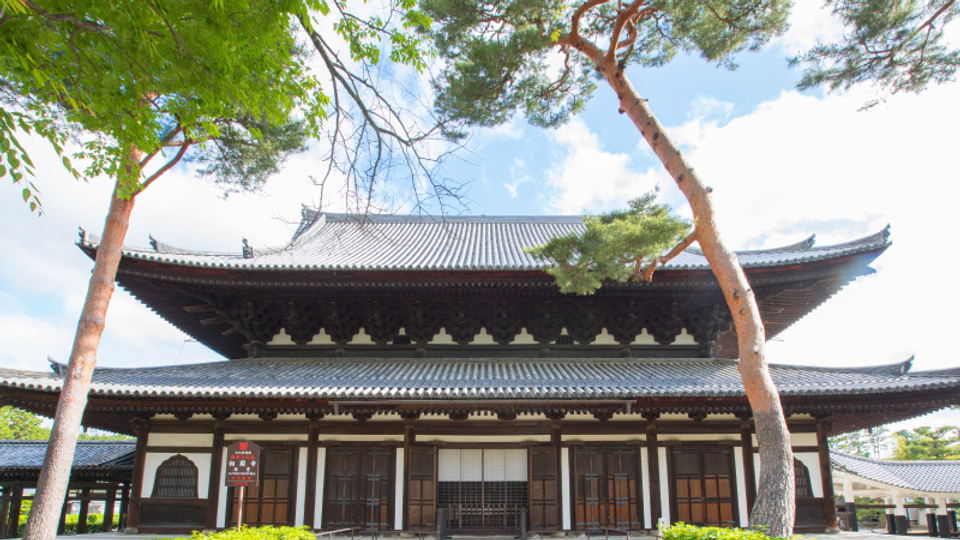 Kyoto
KyotoShōkoku-ji
相国寺
Why it mattersThe temple provides an institutional setting for following connections between religious life and artistic patronage.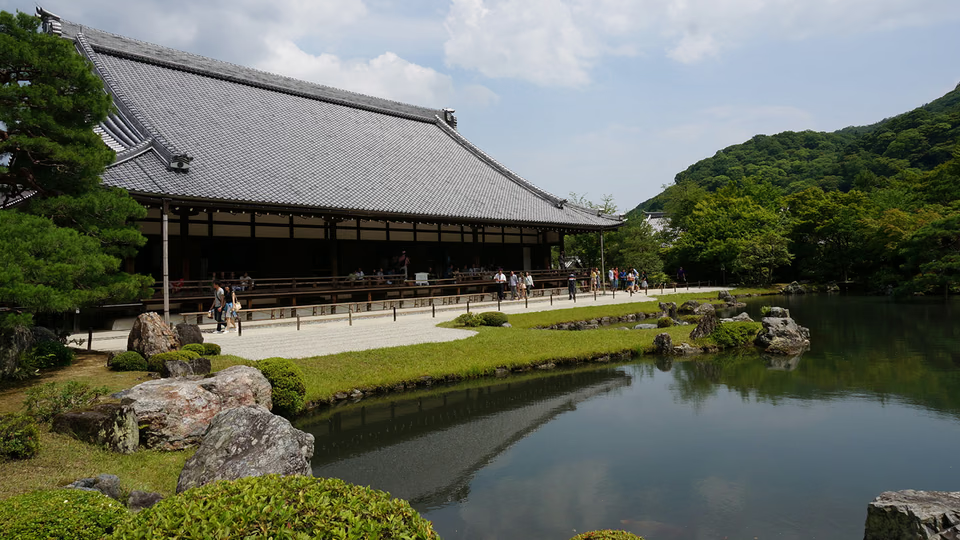 Kyoto
KyotoRyōan-ji
龍安寺
Why it mattersThe celebrated stones invite attention to viewing positions, buildings and the interpretations accumulated around a garden.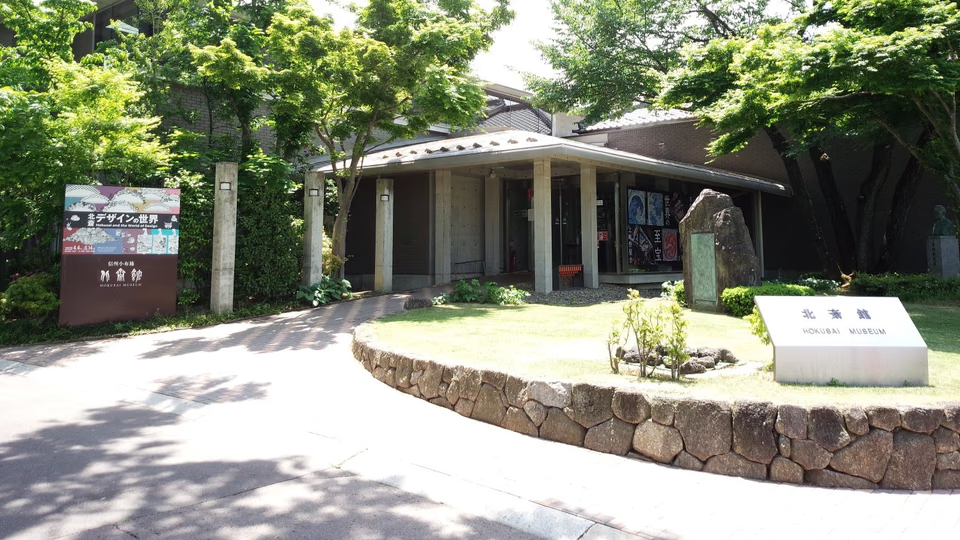 Obuse
ObuseObuse: Hokusai Museum and Ganshō-in
小布施・北斎館と岩松院
Why it mattersHokusai’s work in Obuse connects painting commissions to local patrons and the places that preserve his later reputation.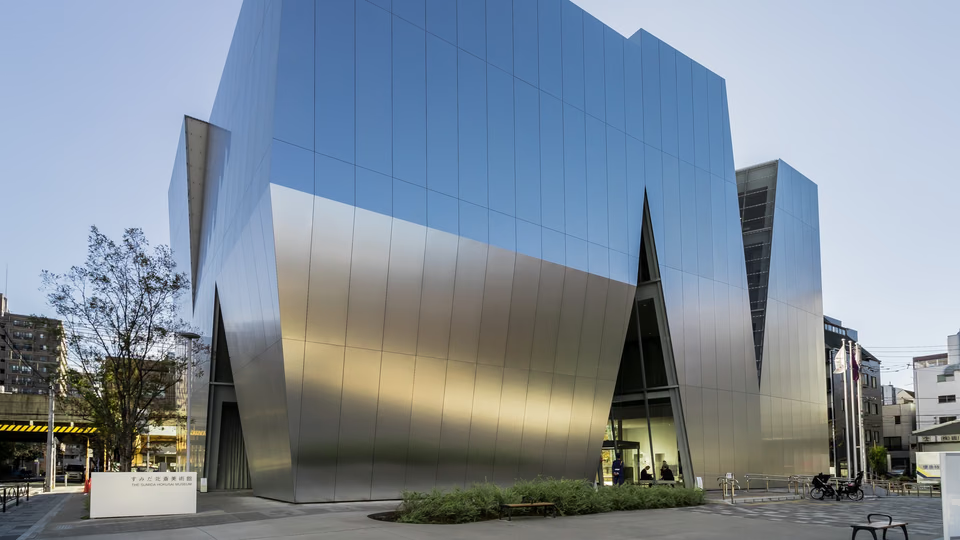 Tokyo
TokyoSumida Hokusai Historic Area
墨田・北斎ゆかりの地
Why it mattersThe district situates Hokusai’s remembered life and work within an urban environment and its later museum interpretation.