

 Nikko
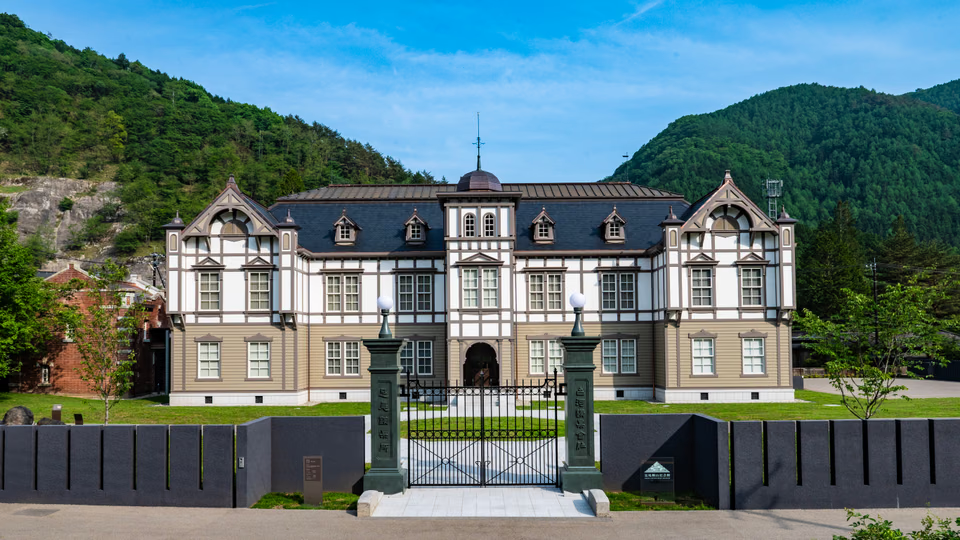
NikkoAshio Copper Mine Historic Area
足尾銅山歴史地区
Why it mattersCopper production and pollution connect industrial output to the damage borne by surrounding communities.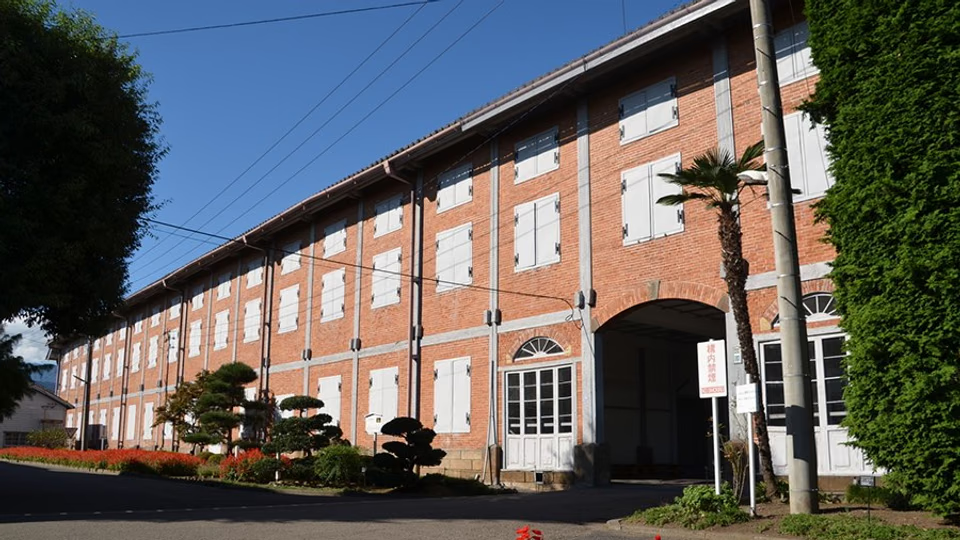 Tomioka
Tomioka Silk Mill
富岡製糸場
Why it mattersThe mill places workers and production processes at the center of Japan’s early industrial history.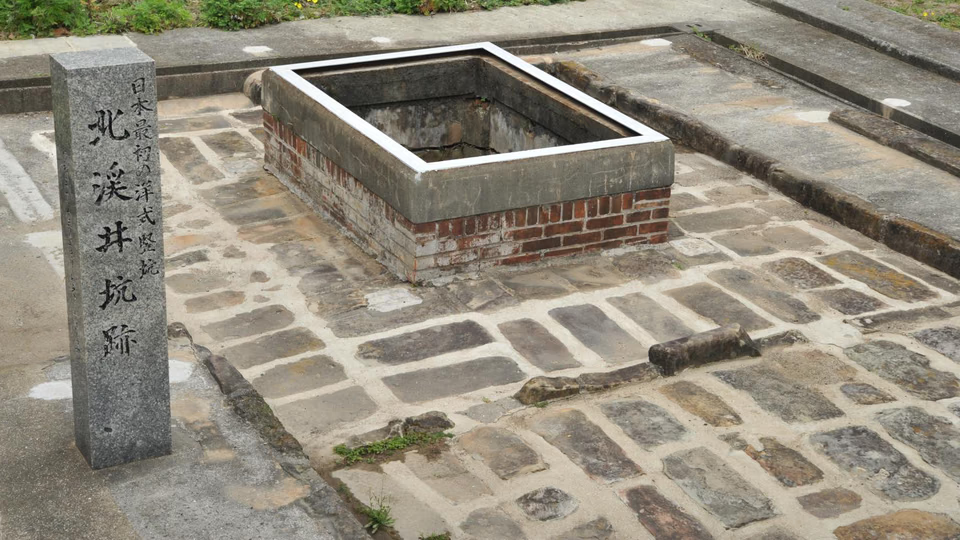 Nagasaki
Takashima Coal Mine Hokkei Shaft
高島炭坑 北渓井坑跡
Why it mattersThe mine connects fuel production to changing technology, investment and the labor of extraction.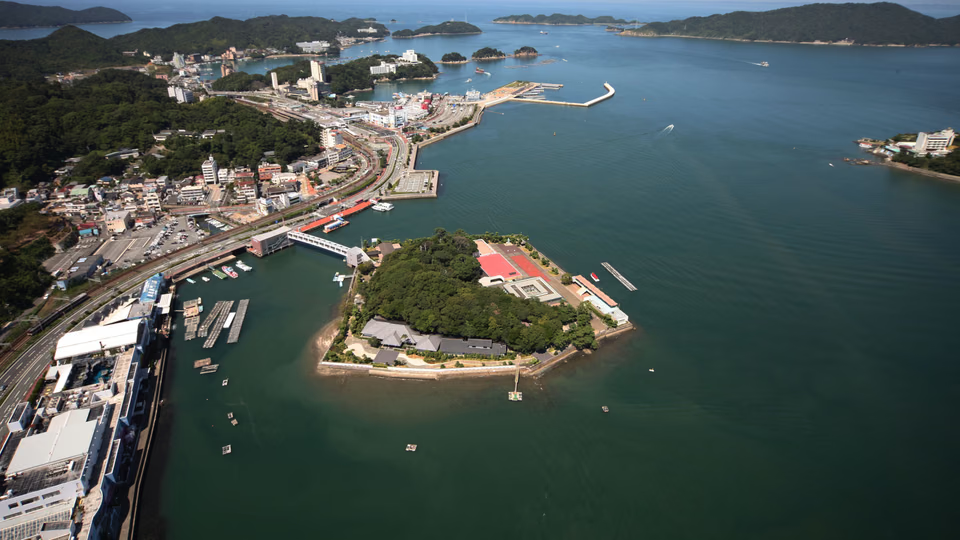 Toba–Shima
Mikimoto Pearl Island and the Toba Pearl Cultivation Landscape
ミキモト真珠島・鳥羽の真珠養殖
Why it mattersPearl cultivation links experiment, marine work and commercial ambition within a productive coastal landscape.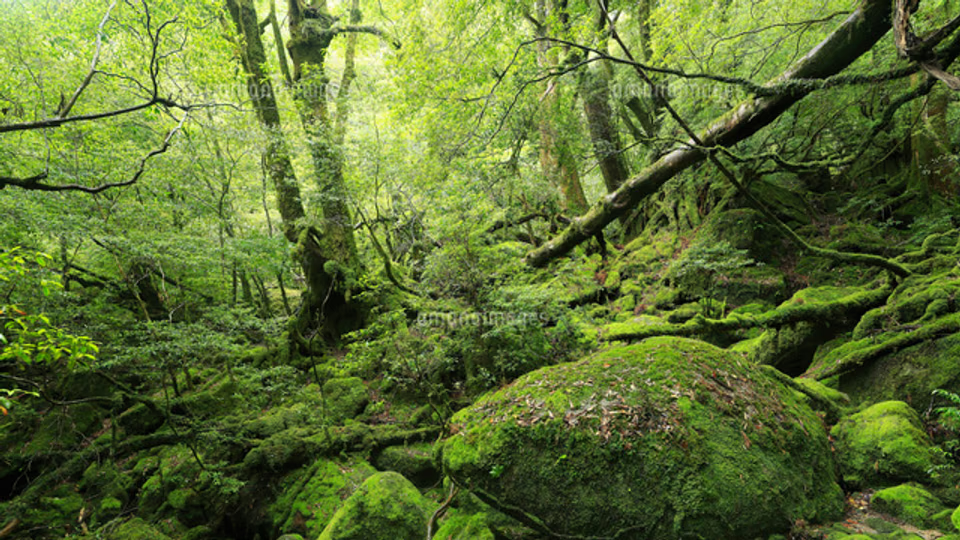 Yakushima
Yakushima Forest History
屋久島 森林史ジャーニー
Why it mattersThe forest’s history includes resource use and labor as well as the landscape encountered by visitors today.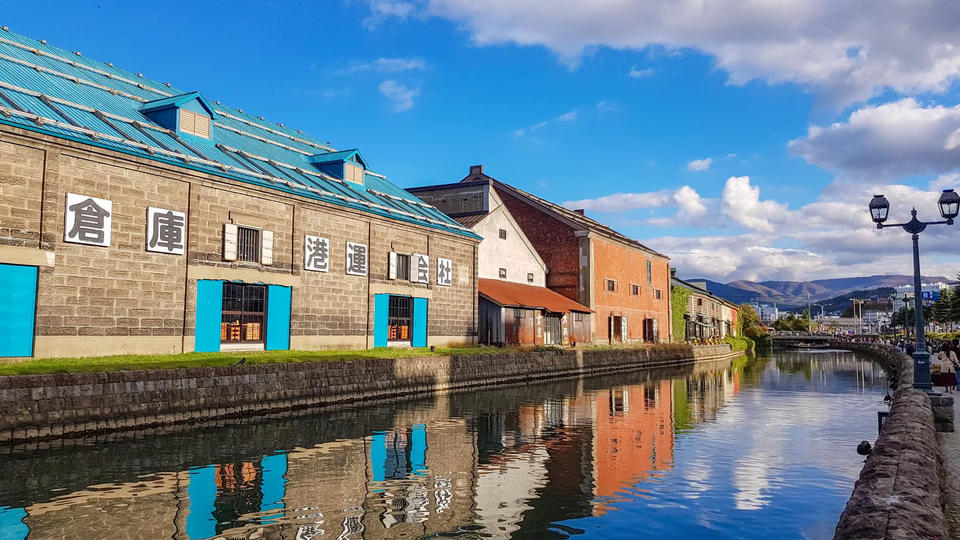 Otaru
OtaruOtaru Port–Rail–Warehouse Historic Area
小樽港・鉄道・倉庫歴史エリア
Why it mattersHarbor, railway and warehouse sites make the movement and storage of commodities visible as a connected system.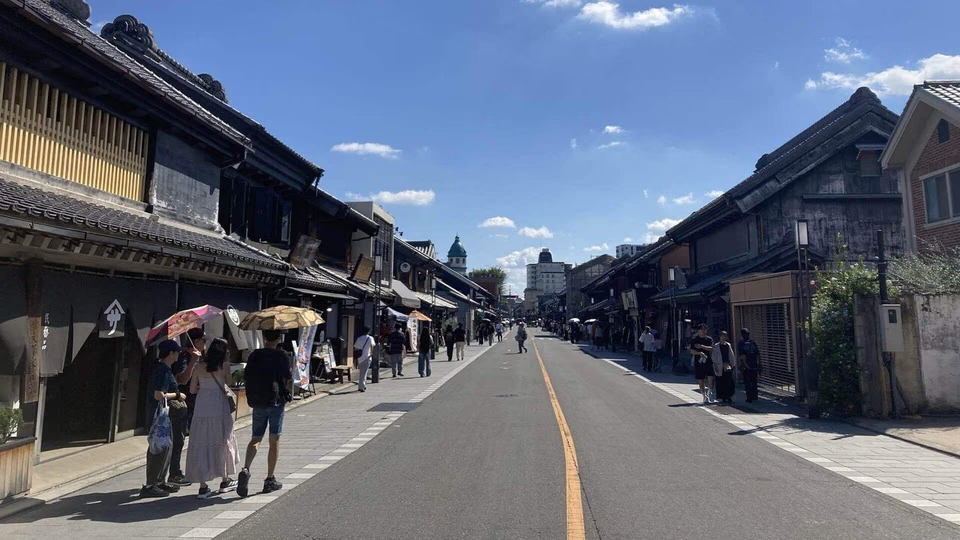 Kawagoe
Kawagoe
川越
Why it mattersThe commercial town offers a way to read streets and buildings through trade, storage and urban livelihoods.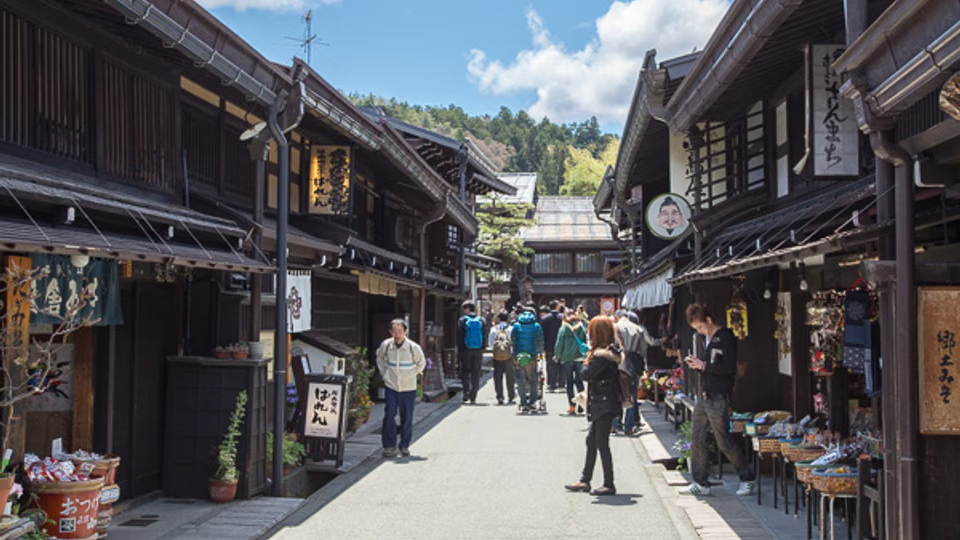 Takayama
Takayama Old Town
高山古い町並
Why it mattersTown houses and streets connect the visitor’s view to the organization of local commerce and daily life.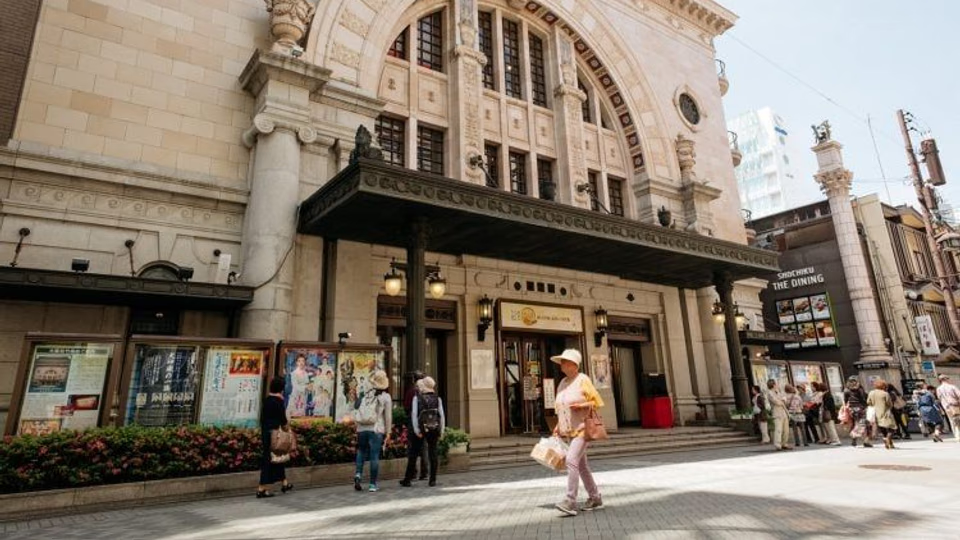 Osaka
OsakaDōtonbori Theater History Area
道頓堀の芝居町
Why it mattersThe theater district depended on performers, audiences and the businesses that sustained urban entertainment.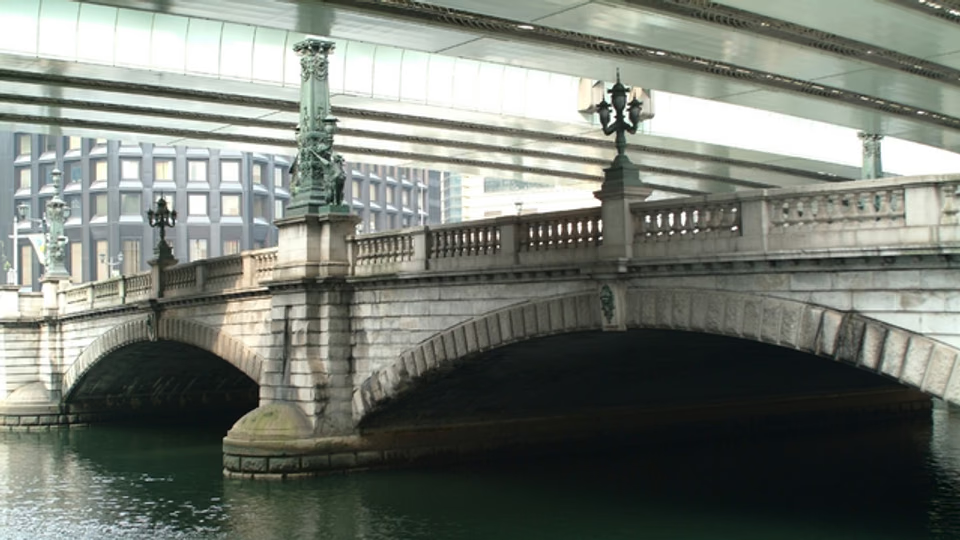 Tokyo
TokyoNihonbashi
日本橋
Why it mattersThe bridge and its commercial surroundings connect movement through Edo to exchange and everyday work.