

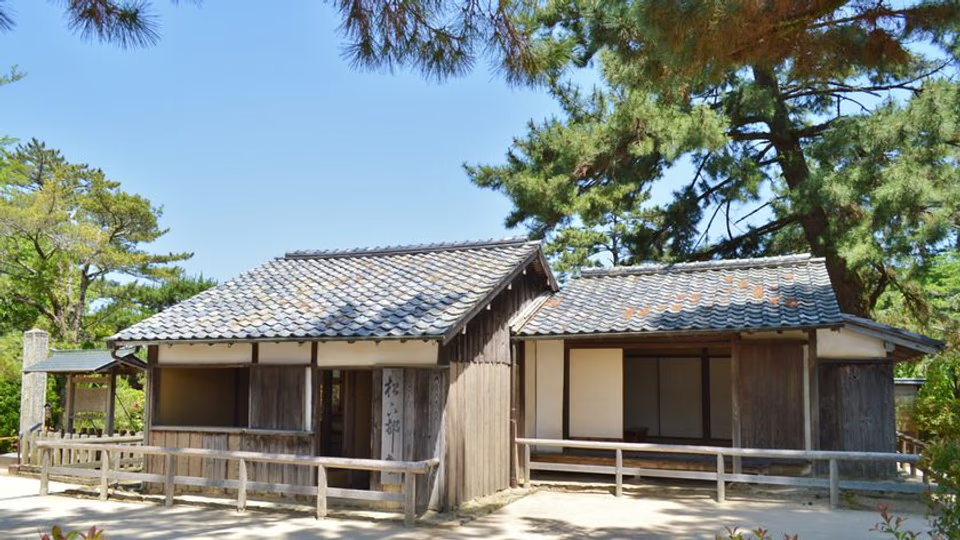
 Hagi
HagiHagi: Shokasonjuku and the Castle Town
萩・松下村塾と城下町
Why it mattersThe castle town and school connect Chōshū's local political culture to people who entered Restoration government.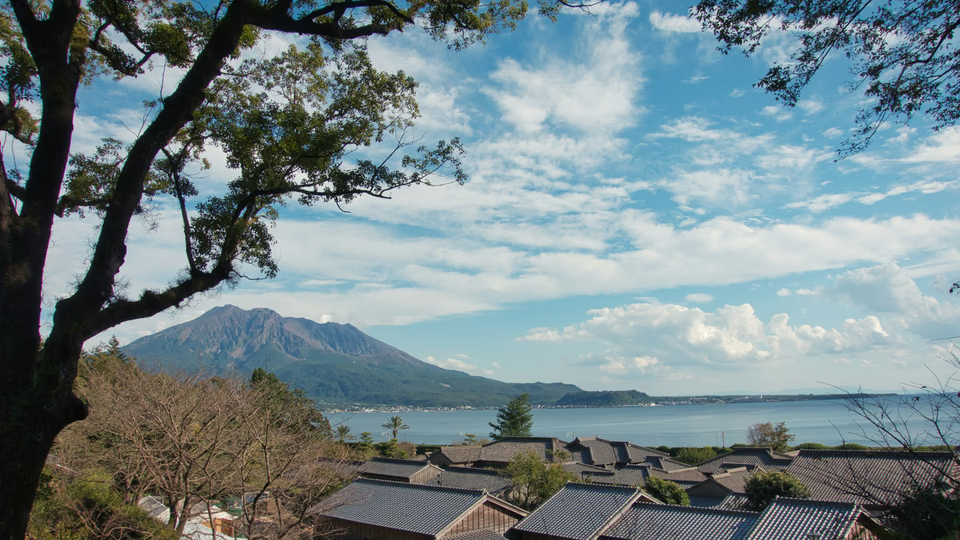 Kagoshima
Sengan-en
仙巌園
Why it mattersThe Shimazu estate connects domain authority with industrial experimentation before the Restoration.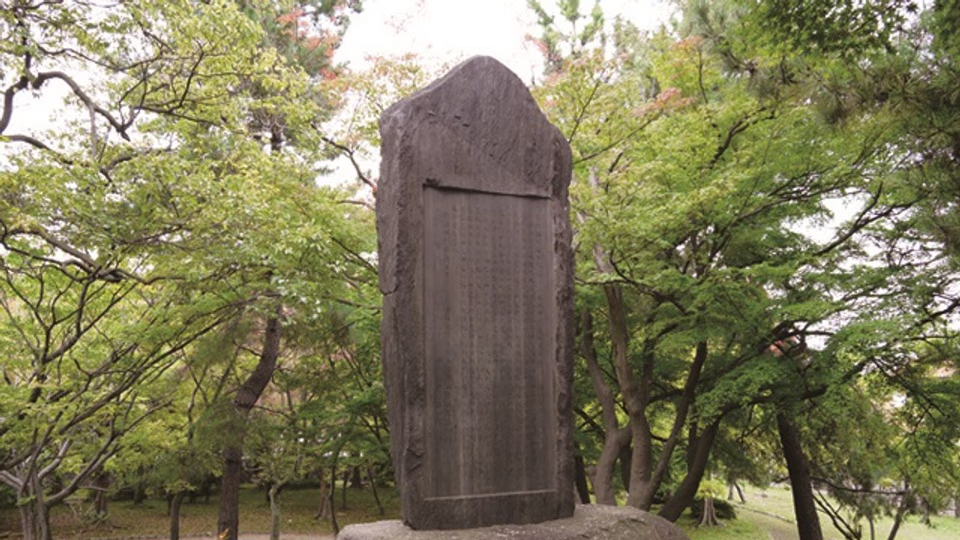 Kyoto
KyotoToba-Fushimi Battlefield
鳥羽・伏見の戦跡
Why it mattersThe southern approaches to Kyoto reveal how a battle over access to the capital became a contest over legitimate government.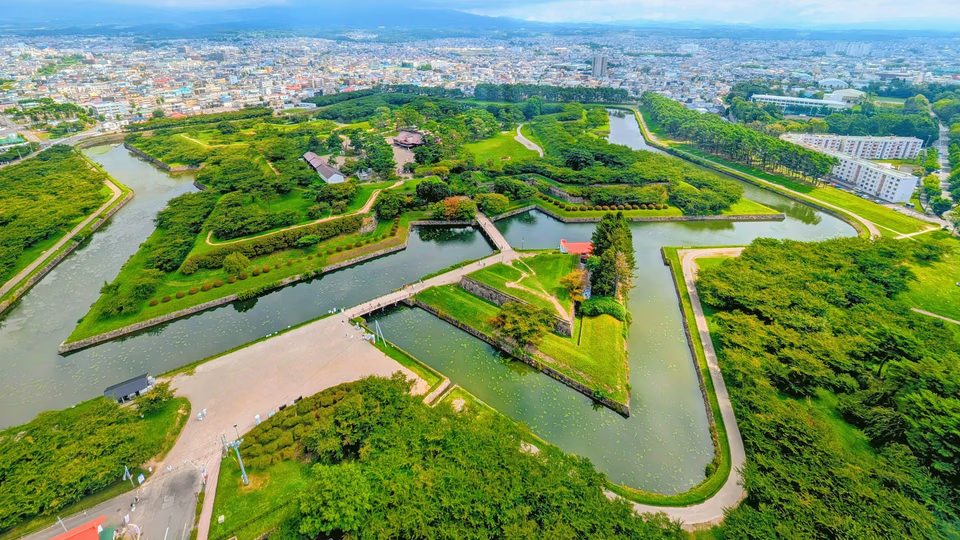 Hakodate
Goryōkaku
五稜郭
Why it mattersThe fort links imported military design to the final northern campaigns of the Boshin War.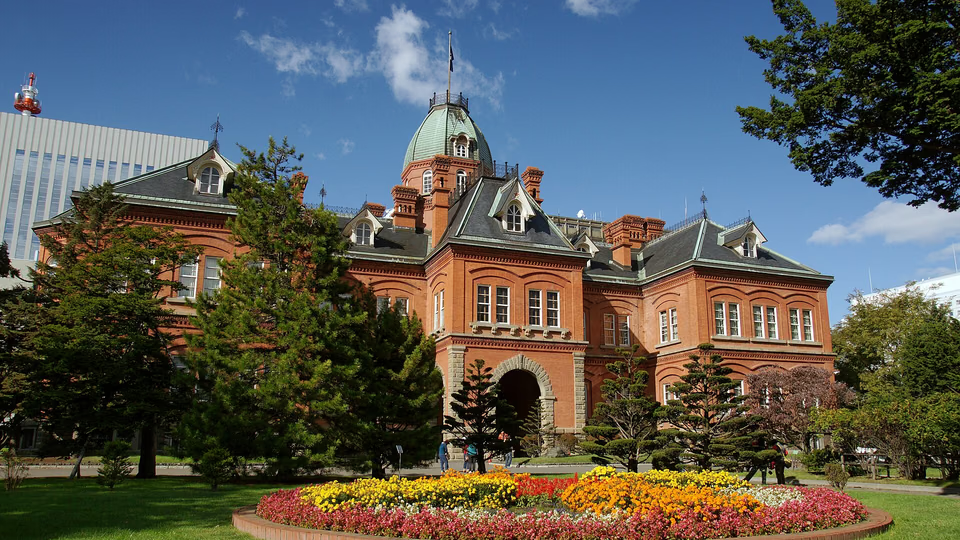 Sapporo
Former Hokkaidō Government Office–Kaitakushi Sapporo Heritage Area
旧北海道庁・開拓使と札幌の史跡
Why it mattersThe administrative landscape shows how the Meiji state built institutions and a new regional center in Hokkaidō.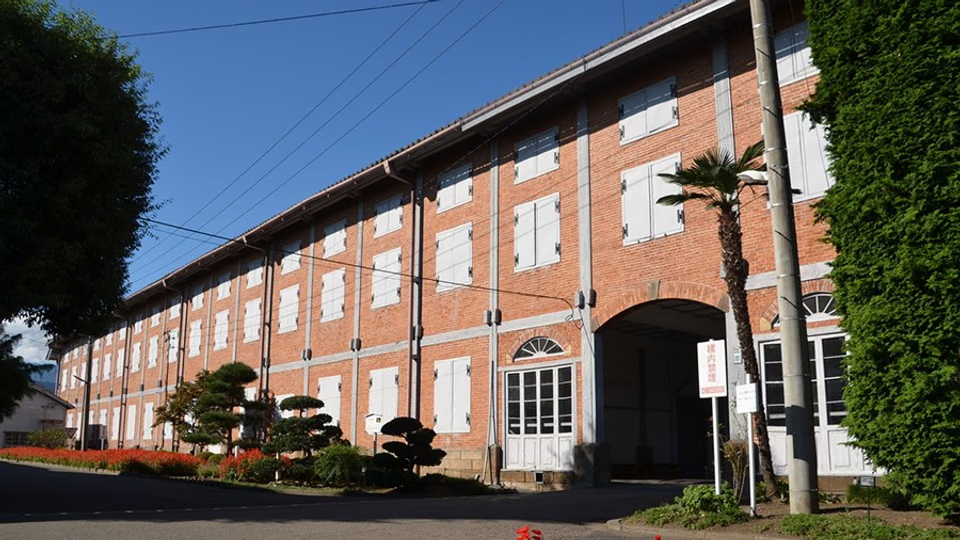 Tomioka
Tomioka Silk Mill
富岡製糸場
Why it mattersThe mill connects imported industrial methods with the organization of production and the labor of silk workers.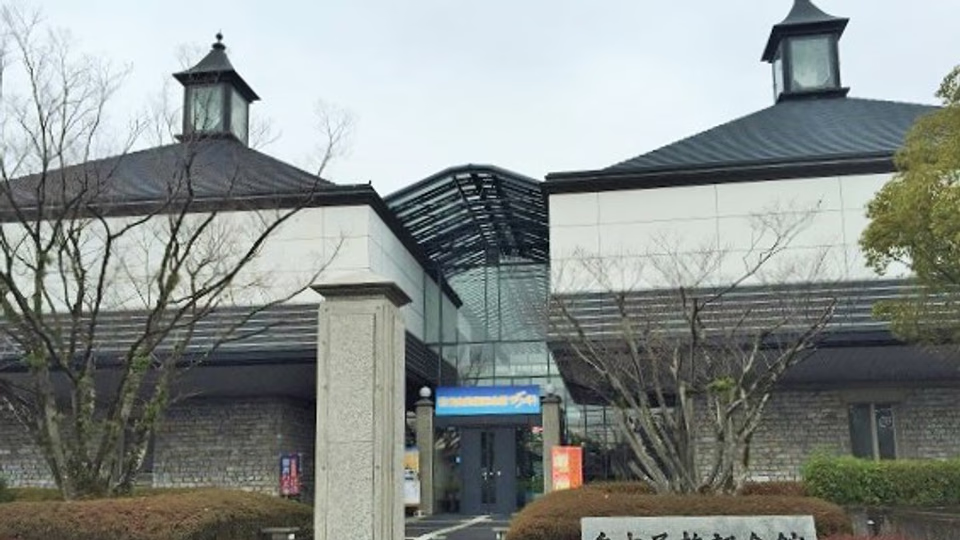 Kochi
KochiKōchi Freedom and People's Rights Memorial / Itagaki Area
高知市立自由民権記念館・板垣退助ゆかりの地
Why it mattersThe Kōchi sites connect Itagaki's career to organized demands for representation and political participation.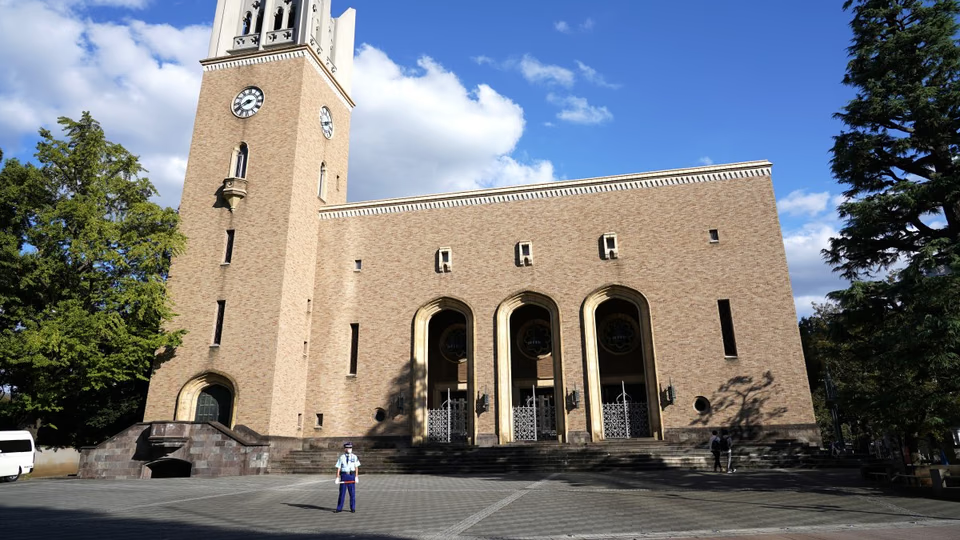 Tokyo
TokyoWaseda University Ōkuma Historic Area
早稲田大学・大隈重信ゆかりの地
Why it mattersŌkuma's school links higher education with the political networks and debates of constitutional Japan.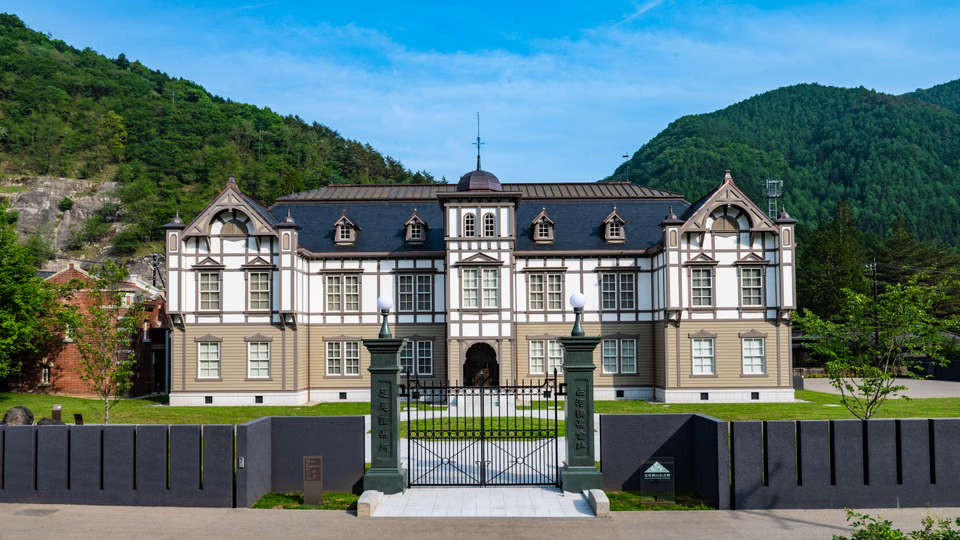 Nikko
NikkoAshio Copper Mine Historic Area
足尾銅山歴史地区
Why it mattersThe mining landscape exposes the environmental and social costs accompanying industrial development.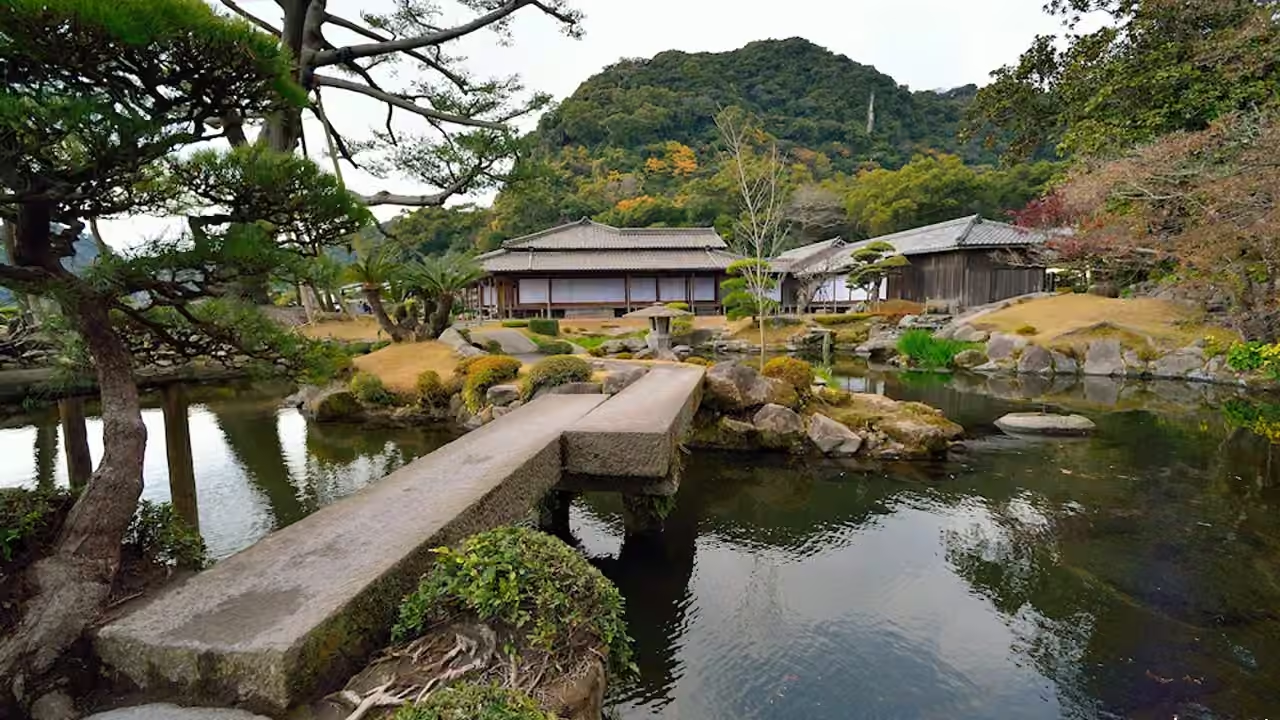 Kagoshima
Kagoshima: Shiroyama and Tsurumaru Castle
鹿児島・城山と鶴丸城
Why it mattersThe landscape connects Satsuma's role in the Restoration to the defeat of Saigō's rebellion against the new state.