

 Shimonoseki
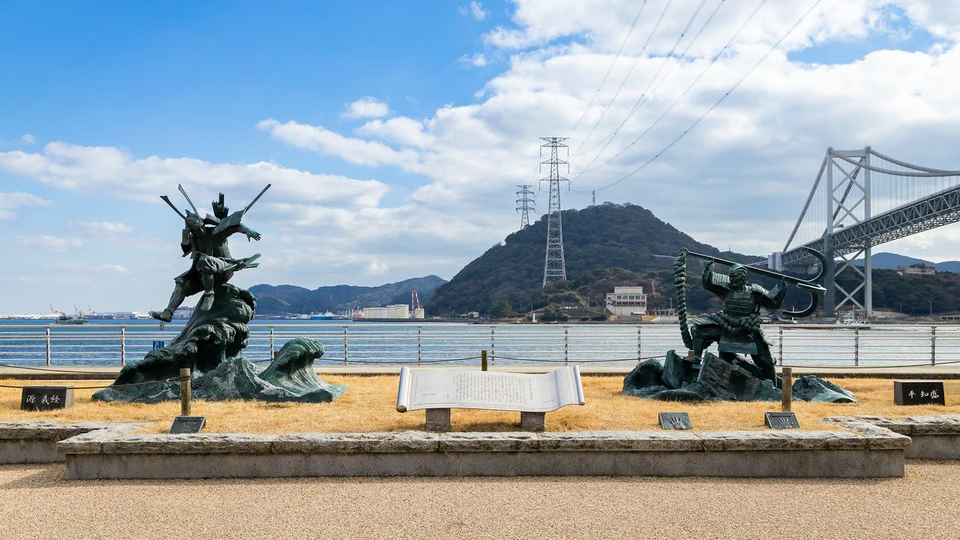
Dan-no-ura
壇ノ浦
Why it mattersThe strait makes the destruction of the Taira fleet and court a problem of maritime geography as well as dynastic conflict.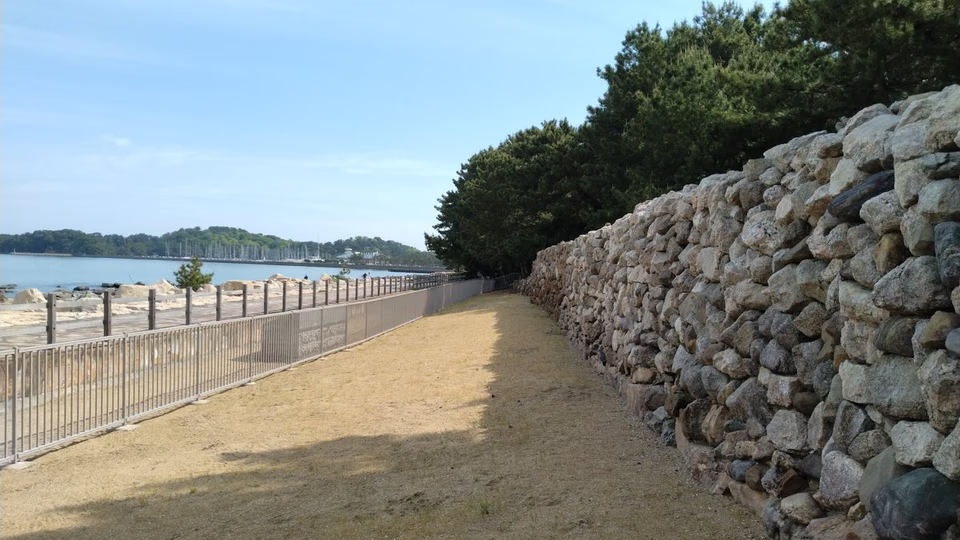 Fukuoka
Hakata Bay Genkō Bōrui
博多湾元寇防塁
Why it mattersThe defensive remains along Hakata Bay show how invasion threats changed coastal preparation and warrior obligations.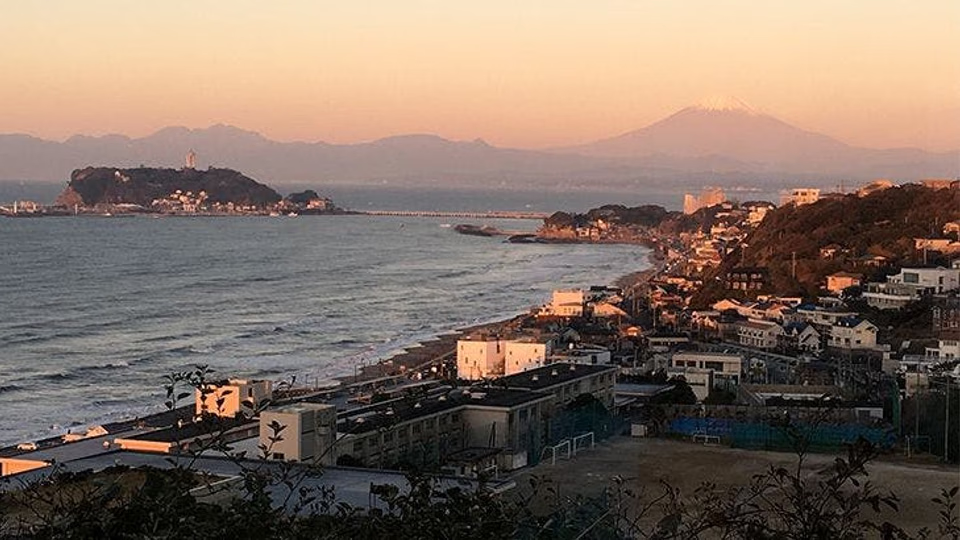 Kamakura
Inamuragasaki and the 1333 Kamakura Attack Route
稲村ヶ崎・鎌倉攻めの道
Why it mattersThe approach to Kamakura connects the geography of the 1333 assault with later stories about the government's fall.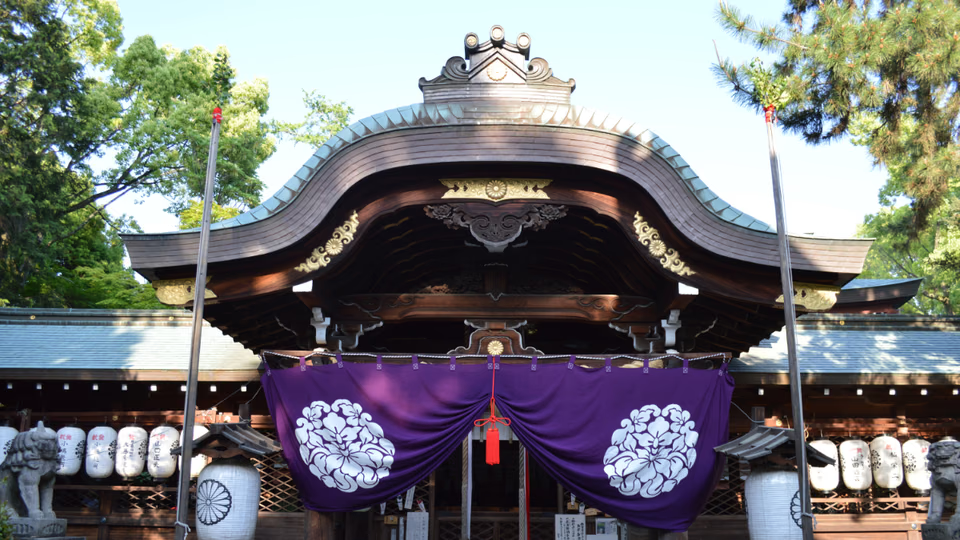 Kyoto
KyotoNishijin–Kamigoryō Ōnin War Historic Area
西陣・上御霊と応仁の乱の史跡
Why it mattersKyoto's streets and memorial sites place the Ōnin War within an inhabited city divided by rival forces.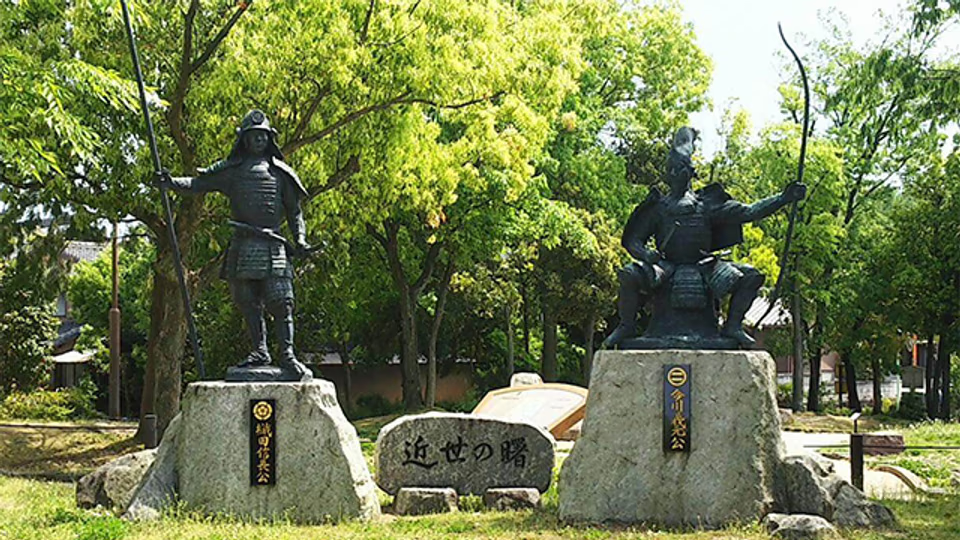 Okehazama
Okehazama Battlefield
桶狭間古戦場
Why it mattersThe battlefield offers a starting point for separating Nobunaga's victory over Yoshimoto from the later legend of sudden ascendancy.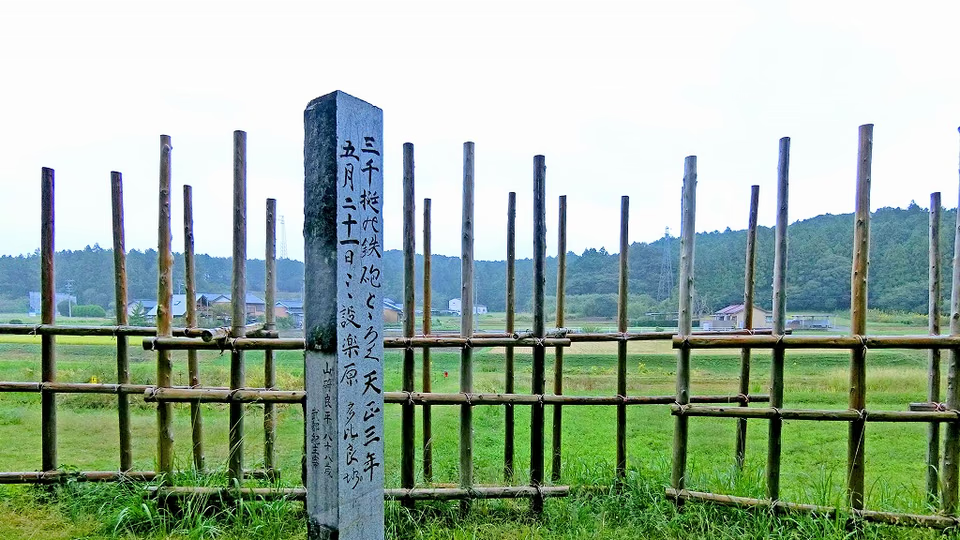 Shinshiro
Nagashino–Shitaragahara Battlefield
長篠・設楽原古戦場
Why it mattersThe castle and battle landscape connect relief operations, defensive positions and the use of firearms.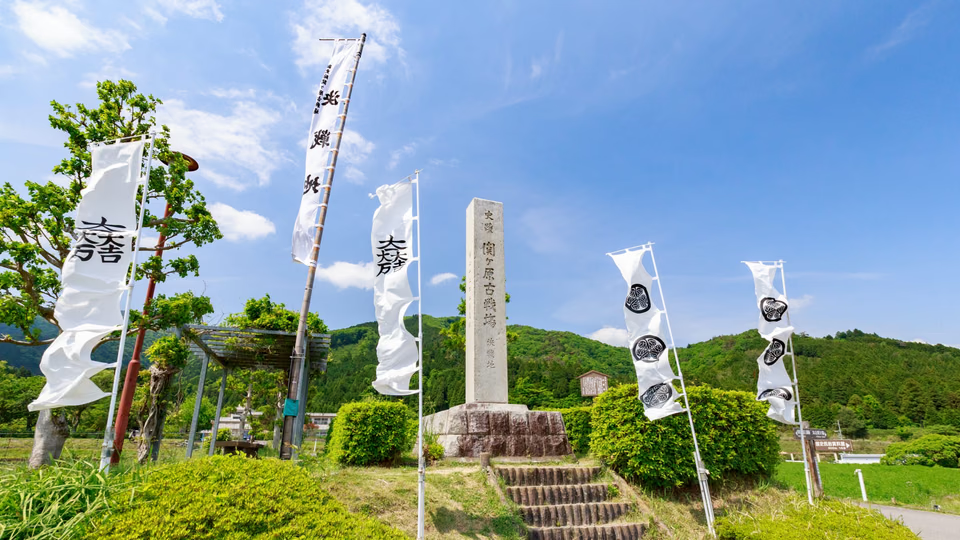 Sekigahara
Sekigahara Battlefield
関ケ原古戦場
Why it mattersThe battlefield links coalition warfare to the redistribution of territory that followed Ieyasu's victory.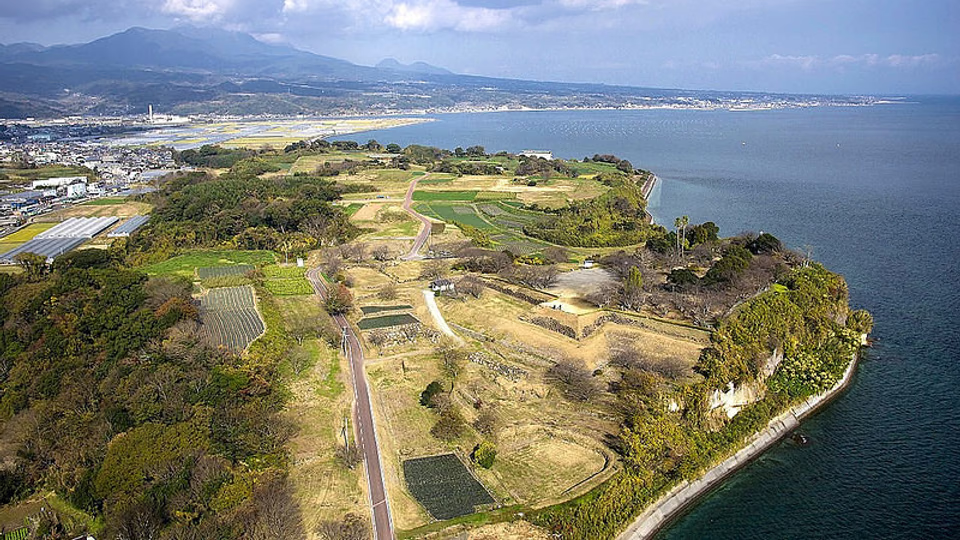 Minamishimabara
Hara Castle Ruins
原城跡
Why it mattersThe siege site connects rebellion and religious repression with the Tokugawa government's assertion of control.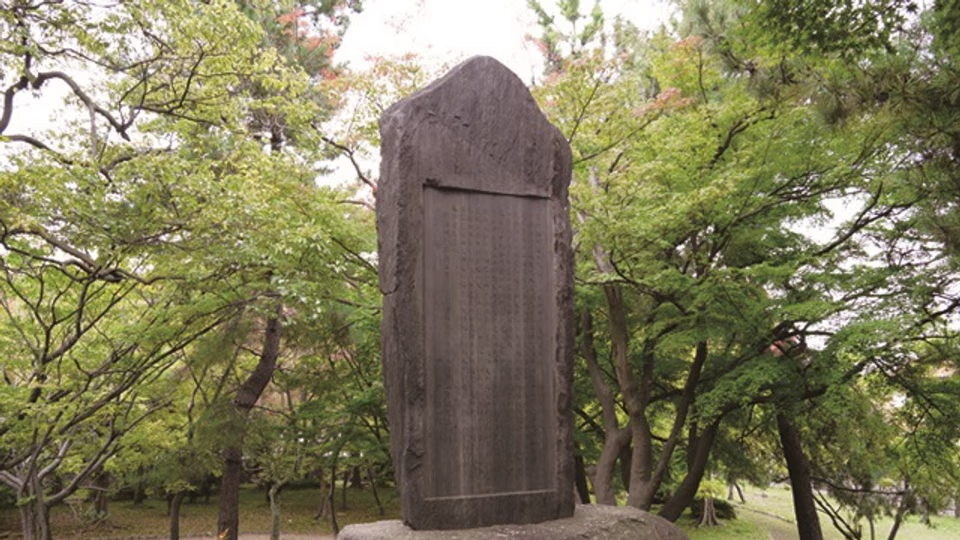 Kyoto
KyotoToba-Fushimi Battlefield
鳥羽・伏見の戦跡
Why it mattersThe southern approaches to Kyoto reveal how a battle over access to the capital became a contest over legitimate government.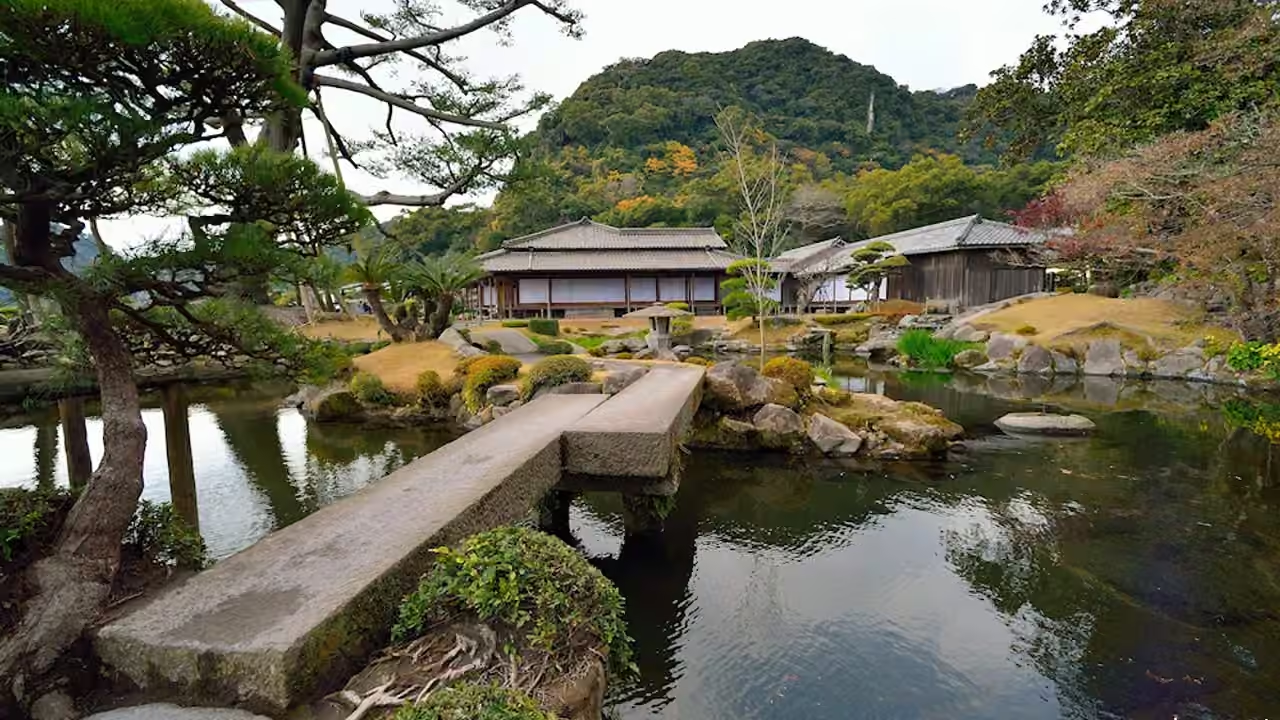 Kagoshima
Kagoshima: Shiroyama and Tsurumaru Castle
鹿児島・城山と鶴丸城
Why it mattersThe landscape connects Satsuma's role in the Restoration to the defeat of Saigō's rebellion against the new state.