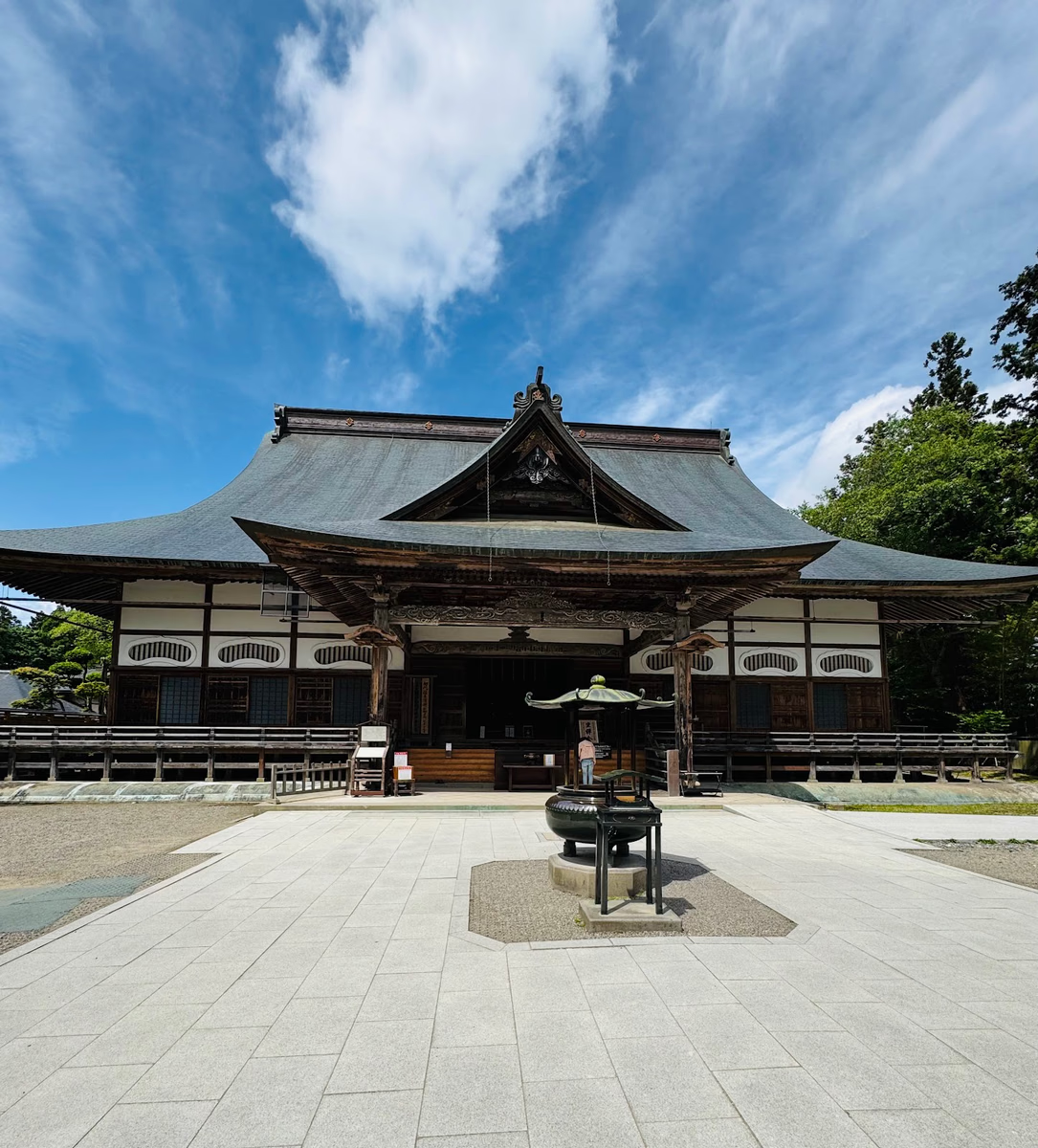
Attraction
Chuson-ji records that the hall was completed in 1124 under Fujiwara no Kiyohira, with the date preserved in an inscription on the ridge timber. The building has of course undergone conservation and now sits within protective architecture, but it remains an extraordinary surviving twelfth-century ensemble. This is the opposite authenticity problem from a reconstructed castle keep. Gold leaf covers the hall inside and out, while lacquer, metal fittings, carved decoration and mother-of-pearl inlay create a material image of the Buddhist Pure Land. The richness is organized rather than indiscriminate: columns, altars and architectural surfaces direct attention toward the sacred interior and the memorial function of the Northern Fujiwara family. Because the hall is viewed within a protective enclosure, visitors cannot experience it as a freestanding outdoor building. That limitation is part of its survival. Look for differences among reflective gold, dark lacquer and iridescent shell, then remember that the visible ensemble joins devotional imagery, elite craft and dynastic burial in one exceptionally compact structure.