

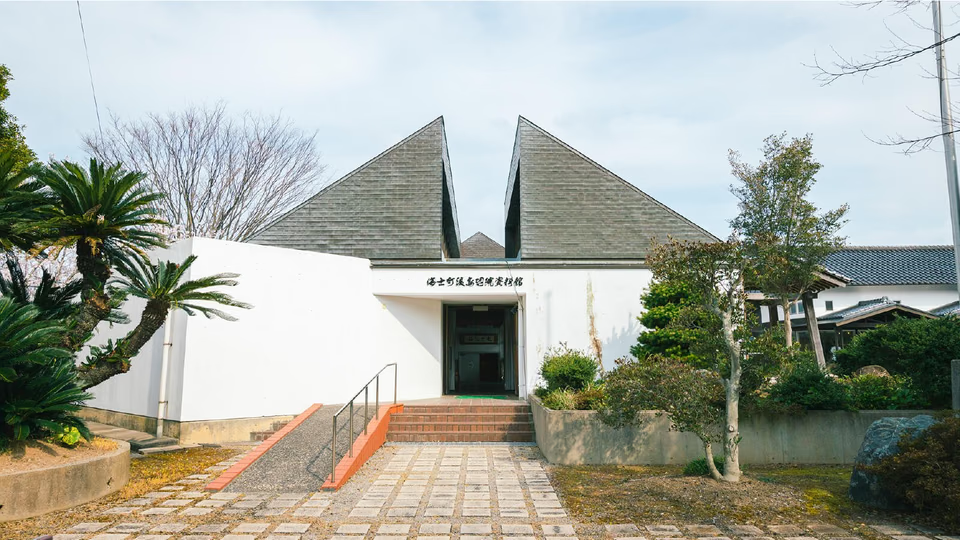
 Oki–Ama
Oki: Go-Toba-in Museum and Related Exile Sites
隠岐・後鳥羽院資料館と配流の史跡
Why it mattersGo-Toba’s exile connects an island landscape to the consequences of defeat in the Jōkyū War.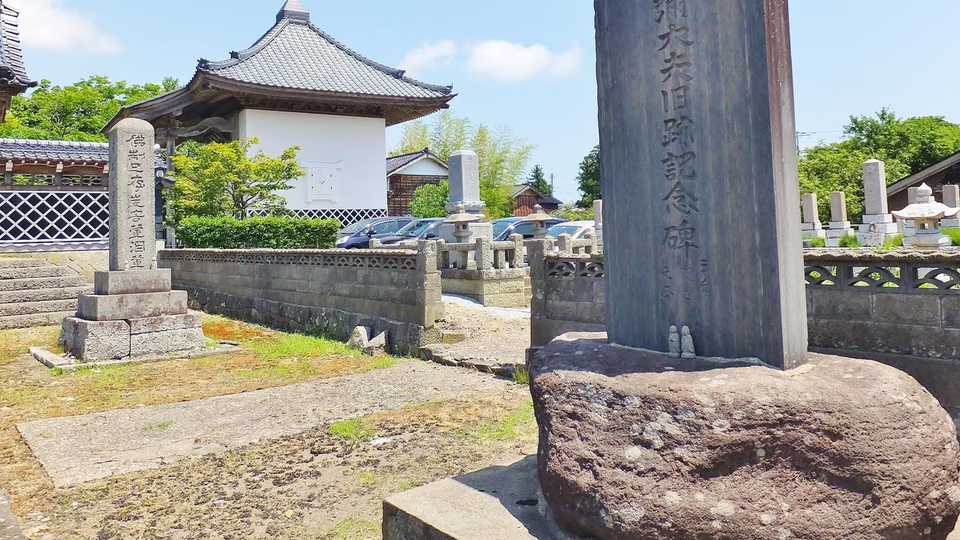 Sado
SadoSado: Zeami Exile and Noh Heritage Area
佐渡・世阿弥配流と能の史跡
Why it mattersZeami’s exile and its later cultural associations make Sado a place to consider artistic life under political constraint.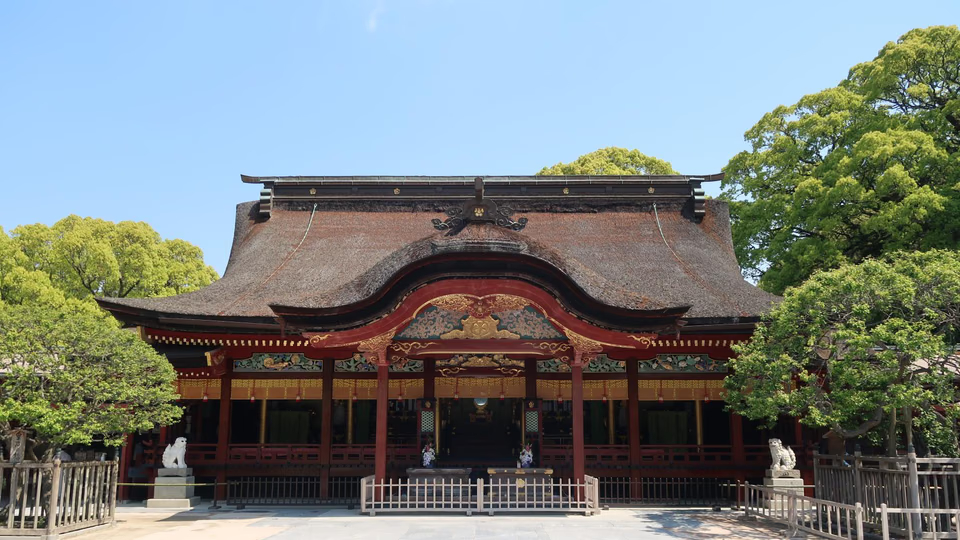 Dazaifu
Dazaifu Tenmangū
太宰府天満宮
Why it mattersMichizane’s removal to Dazaifu and later veneration connect political disgrace to an enduring religious legacy.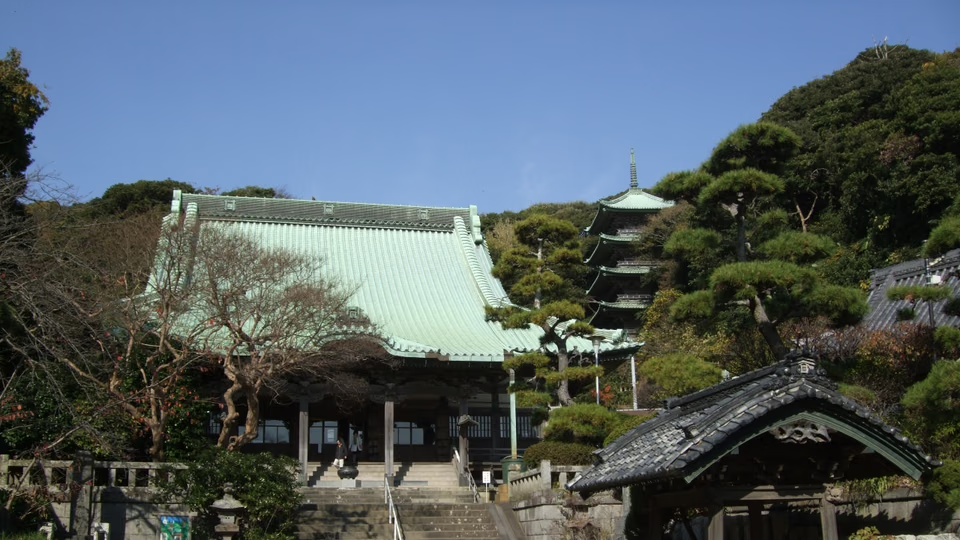 Fujisawa
Ryūkō-ji and the Tatsunokuchi Persecution Site
龍口寺・龍ノ口法難
Why it mattersThe site links Nichiren’s persecution to the traditions through which later communities remembered it.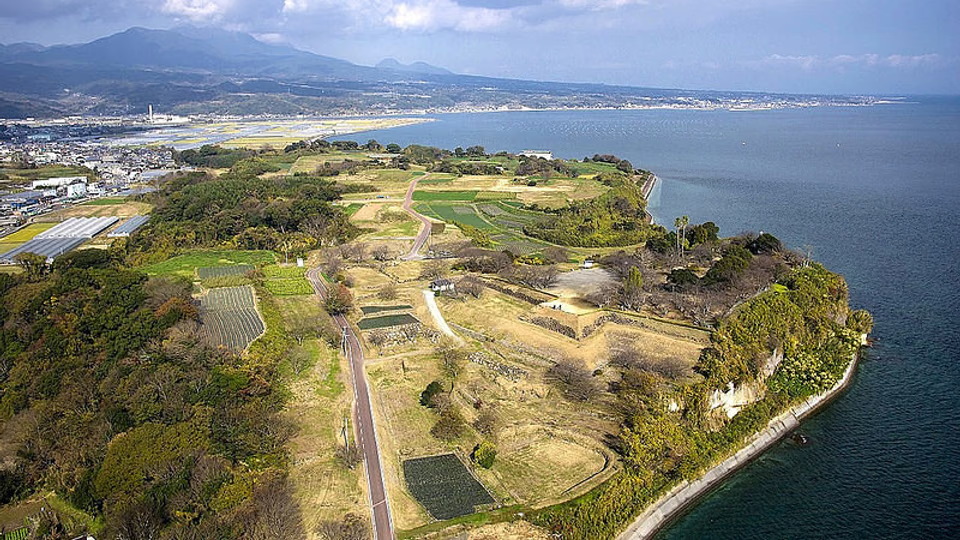 Minamishimabara
Hara Castle Ruins
原城跡
Why it mattersThe ruined stronghold provides a setting for understanding the siege and destruction of the Shimabara–Amakusa uprising.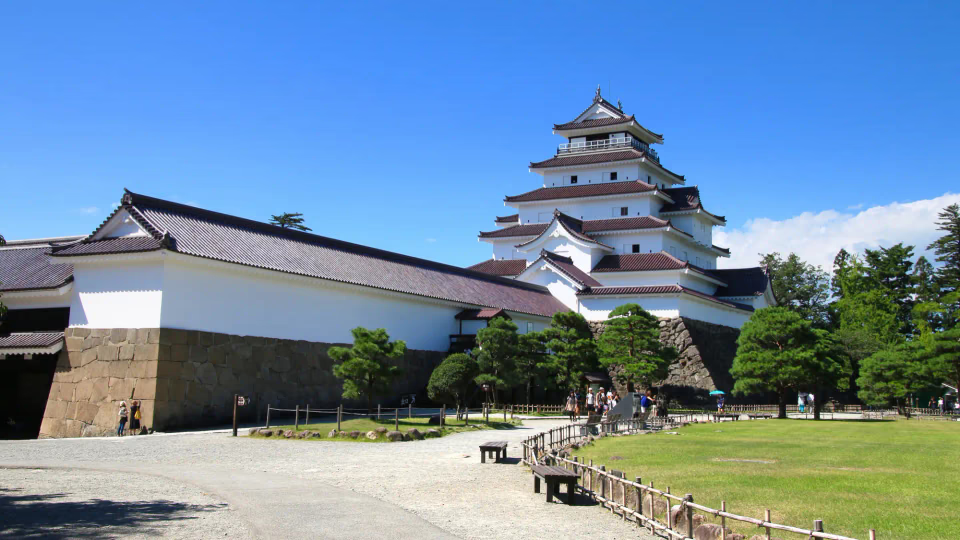 Aizuwakamatsu
Tsuruga Castle
鶴ヶ城
Why it mattersThe castle’s siege and subsequent remembrance connect Aizu’s defeat to the contested memory of the Boshin War.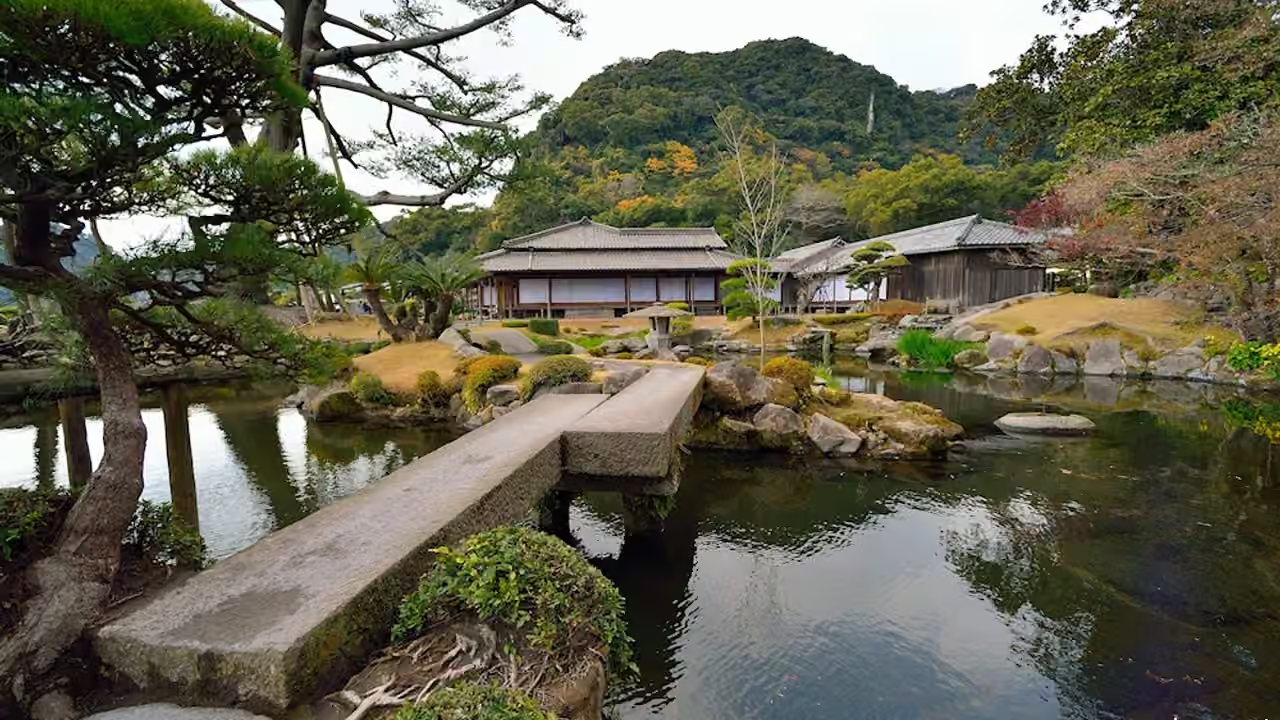 Kagoshima
Kagoshima: Shiroyama and Tsurumaru Castle
鹿児島・城山と鶴丸城
Why it mattersThe landscape of Saigō’s final campaign connects the end of the Satsuma Rebellion to later commemoration.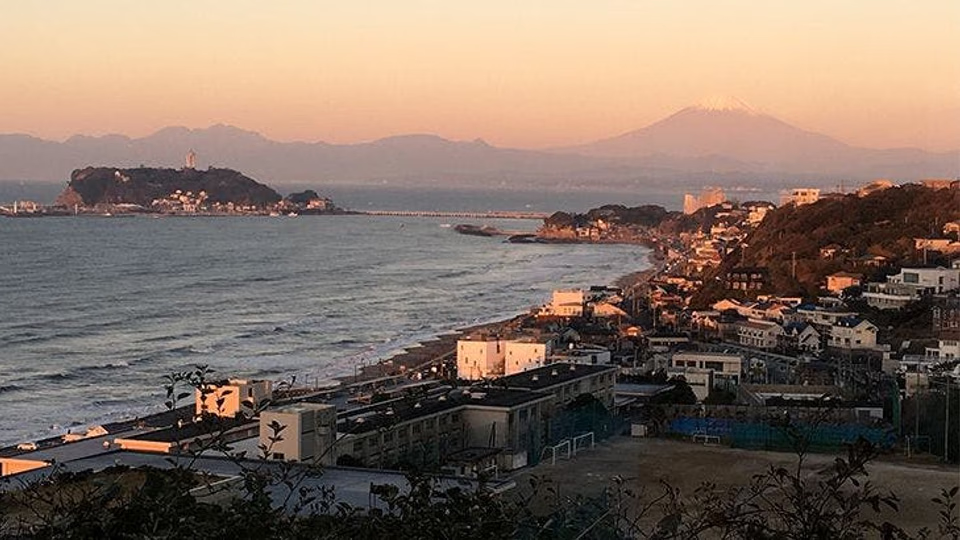 Kamakura
Inamuragasaki and the 1333 Kamakura Attack Route
稲村ヶ崎・鎌倉攻めの道
Why it mattersThe coastal approach connects the fall of Kamakura to both military geography and later accounts of the attack.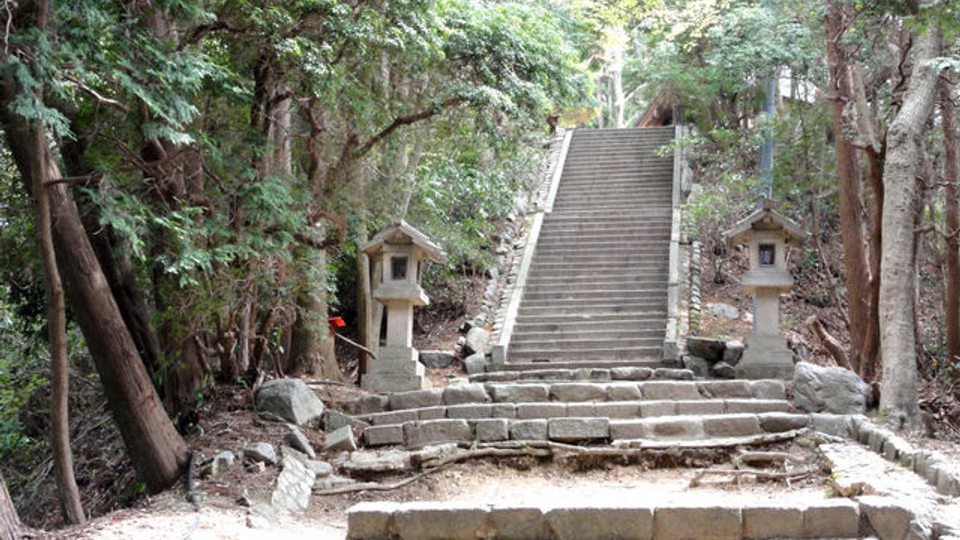 Chihayaakasaka
Chihaya-Akasaka and Chihaya Castle Ruins
千早赤阪・千早城跡
Why it mattersMountain strongholds offer a way to examine resistance beyond the scale of a single open-field battle.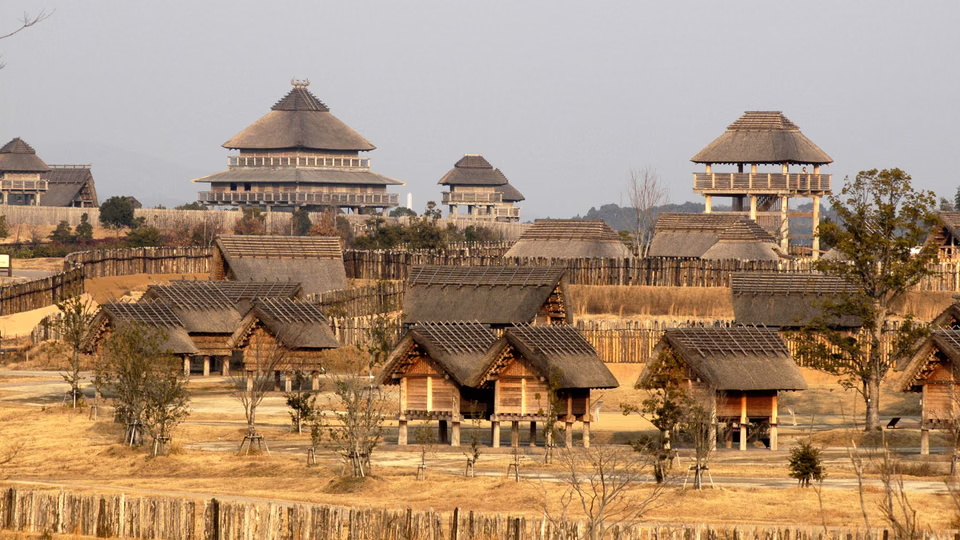 Yoshino
Yoshino and the Southern Court
吉野・南朝
Why it mattersThe Southern Court’s presence connects a mountain setting to the maintenance of rival imperial claims.