

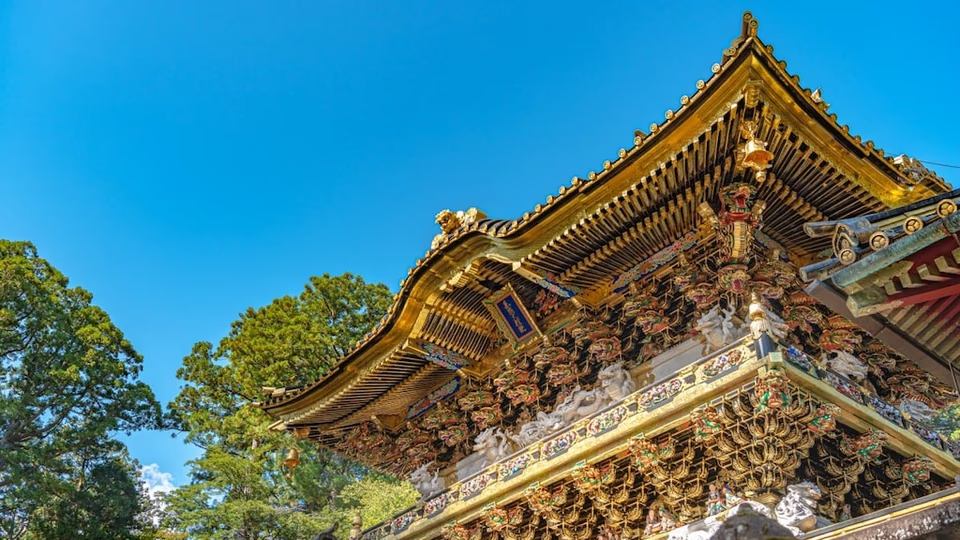
 Nikko
NikkoNikkō Tōshōgū
日光東照宮
Why it mattersThe enshrinement of Ieyasu made commemoration part of the religious and political life of the Tokugawa dynasty.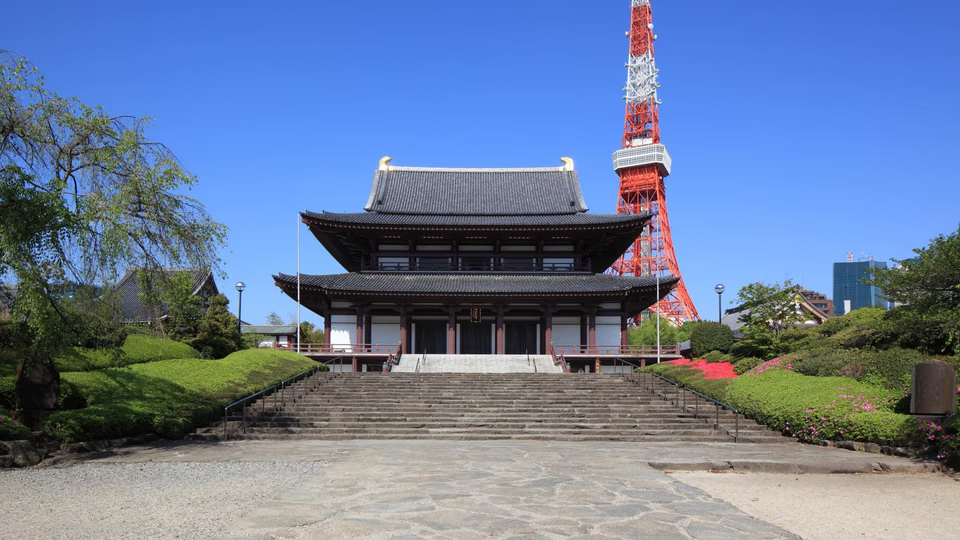 Tokyo
TokyoZōjō-ji
増上寺
Why it mattersTokugawa tombs place dynastic remembrance within a temple that served a much wider urban community.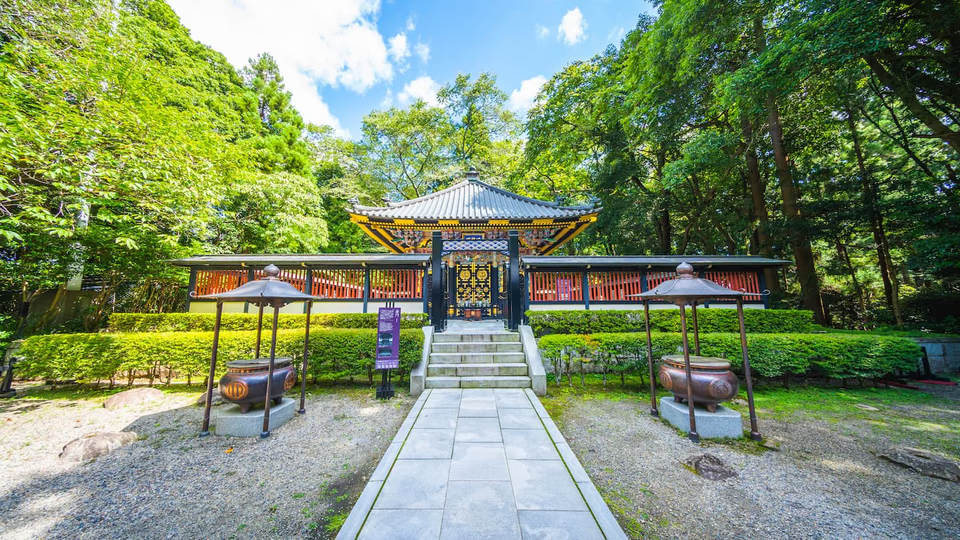 Sendai
Zuihōden
瑞鳳殿
Why it mattersThe mausoleum preserves a setting for remembering Date Masamune and the ruling house of Sendai.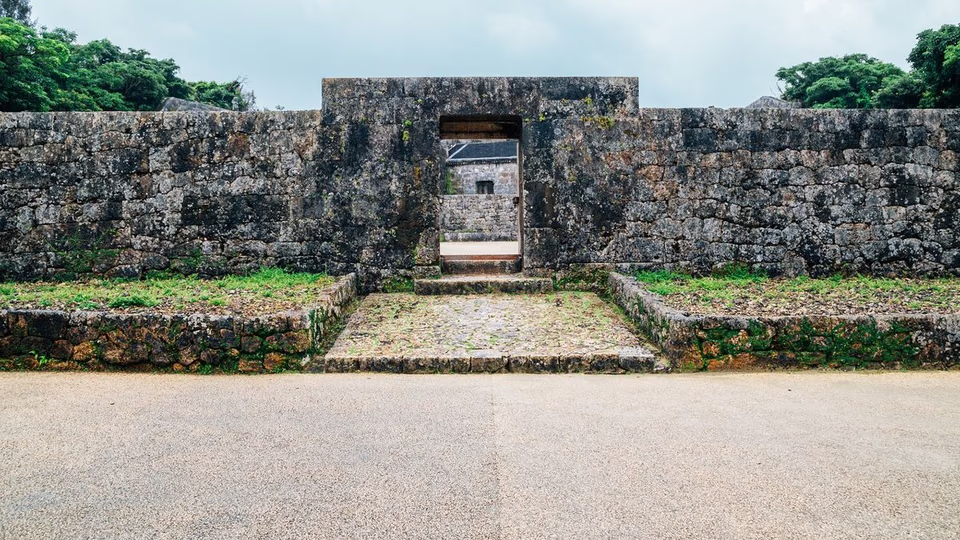 Naha
NahaTamaudun
玉陵
Why it mattersThe royal mausoleum connects remembrance of the dead to the history of Ryūkyū’s ruling family.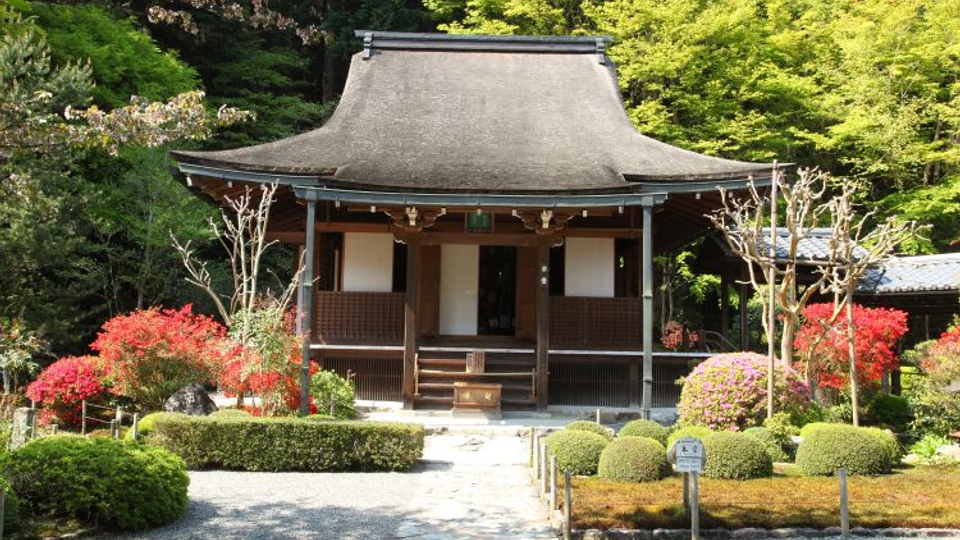 Kyoto
KyotoJakkō-in, Ōhara
大原・寂光院
Why it mattersTokuko’s later life and remembrance give a small temple a place in accounts of the Taira defeat.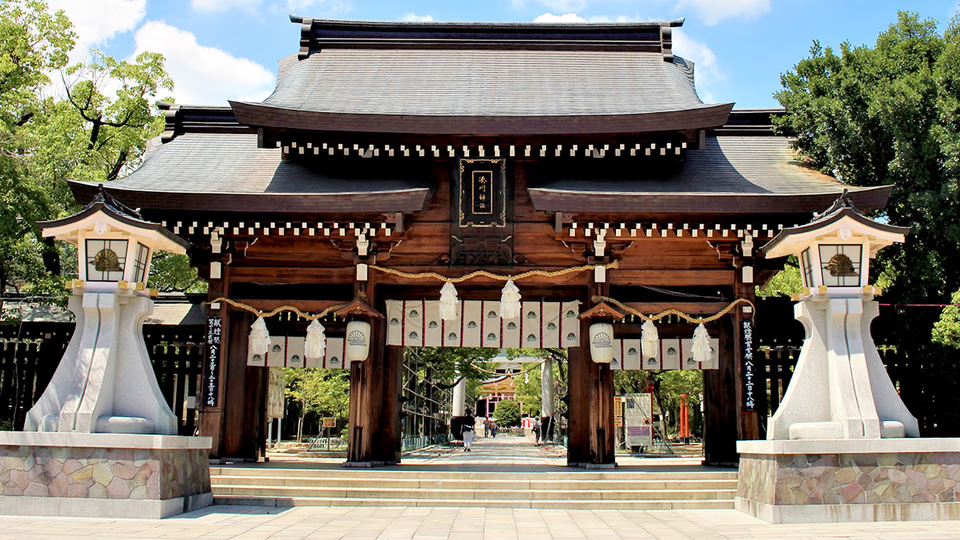 Kobe
KobeMinatogawa Shrine–Minatogawa Battlefield
湊川神社・湊川古戦場
Why it mattersBattlefield history and a later shrine reveal how remembrance can give a defeated figure new public significance.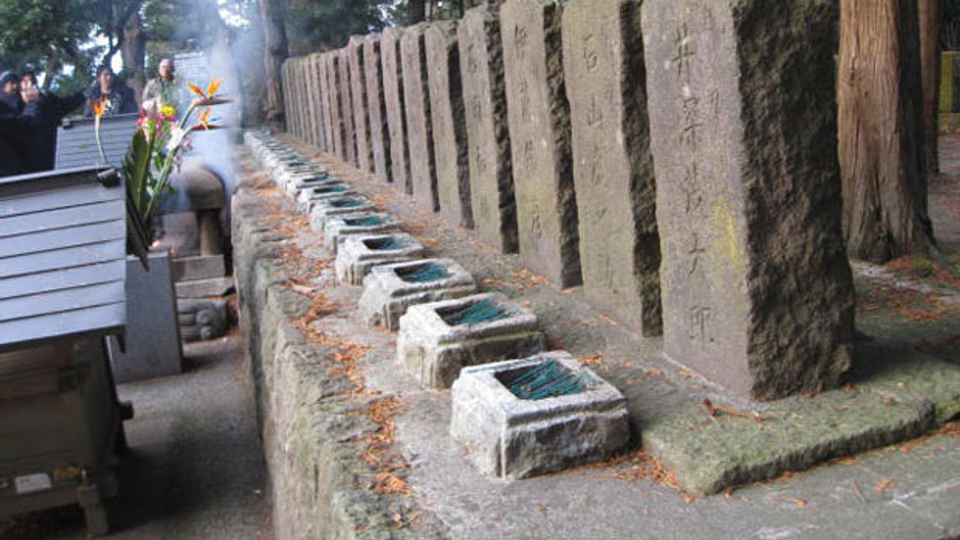 Aizuwakamatsu
Mount Iimori–Byakkotai Sites
飯盛山・白虎隊の史跡
Why it mattersGraves and memorials show how the Byakkotai story continued through ceremonies, education and later acts of commemoration.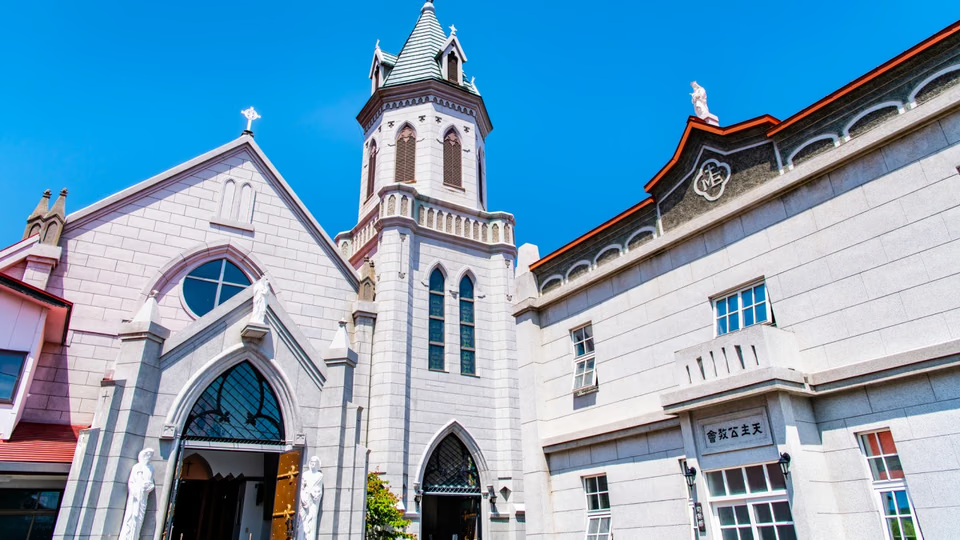 Hakodate
Hakodate Motomachi Churches and Hekketsuhi
函館元町の教会群・碧血碑
Why it mattersThe Hekketsuhi memorial brings the dead of the Hakodate conflict into the city’s later landscape.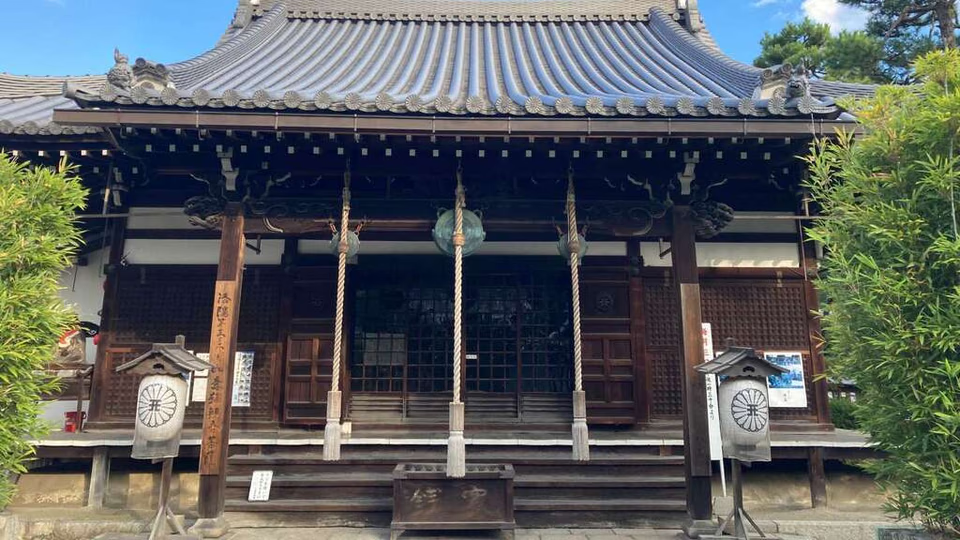 Kyoto
KyotoRozan-ji and the Murasaki Shikibu Grave Area
廬山寺・紫式部墓所
Why it mattersTemple and grave associations reveal how later places of remembrance sustain a writer’s public presence.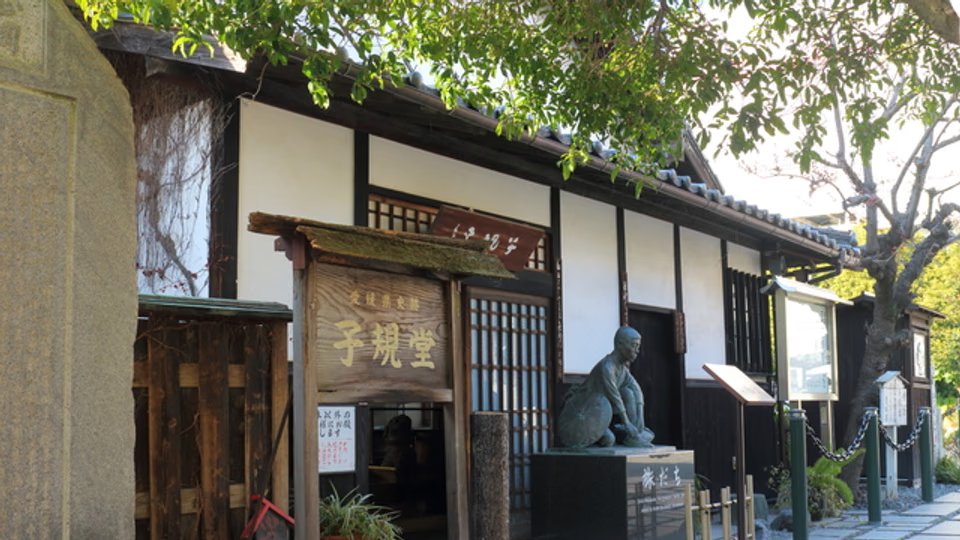 Matsuyama
Shiki-do and Matsuyama City Shiki Memorial Museum
子規堂・松山市立子規記念博物館
Why it mattersBuildings and museum interpretation carry Shiki’s writing and remembered life into the city where visitors encounter him.