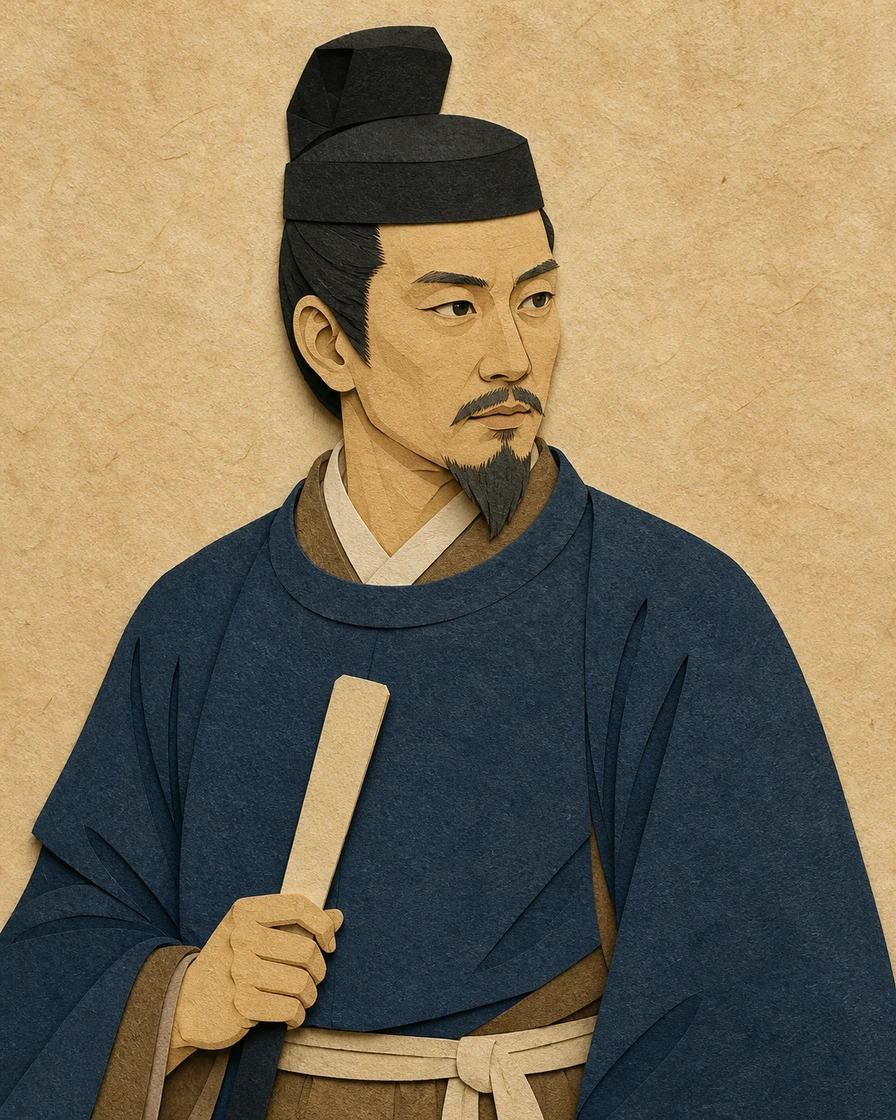
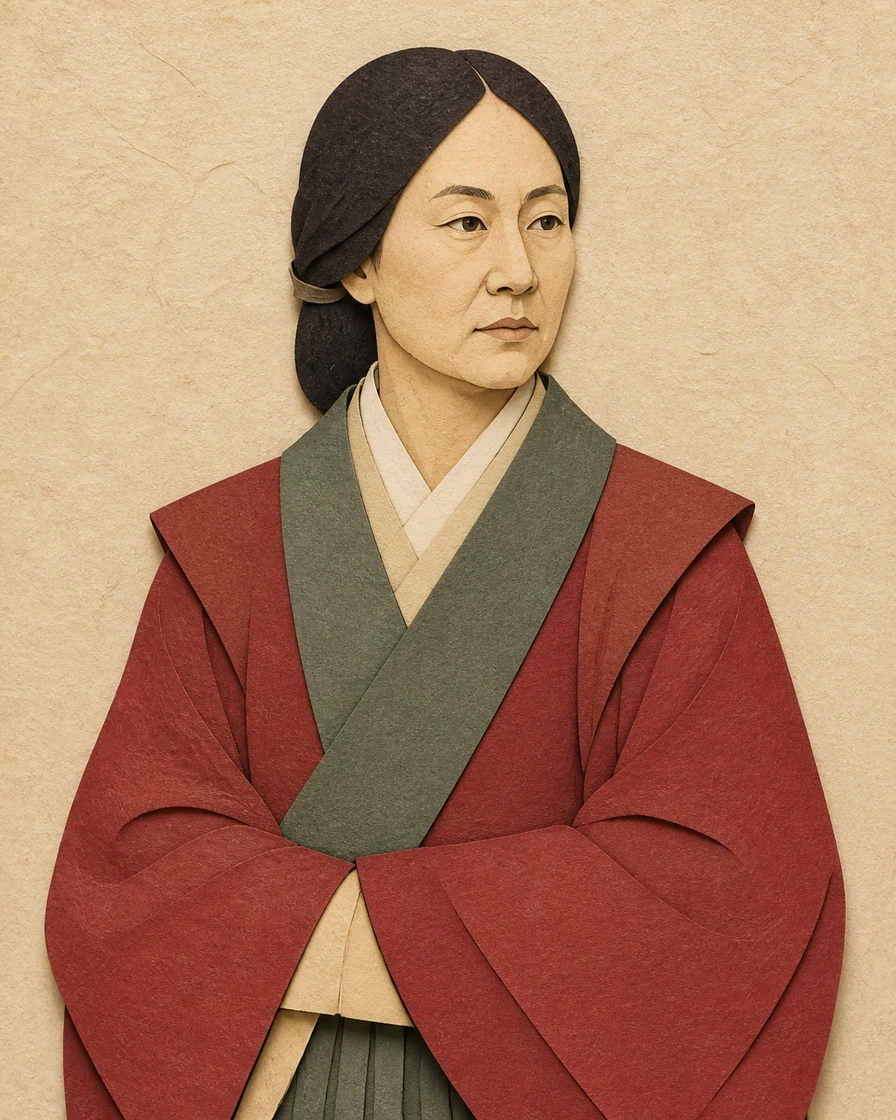
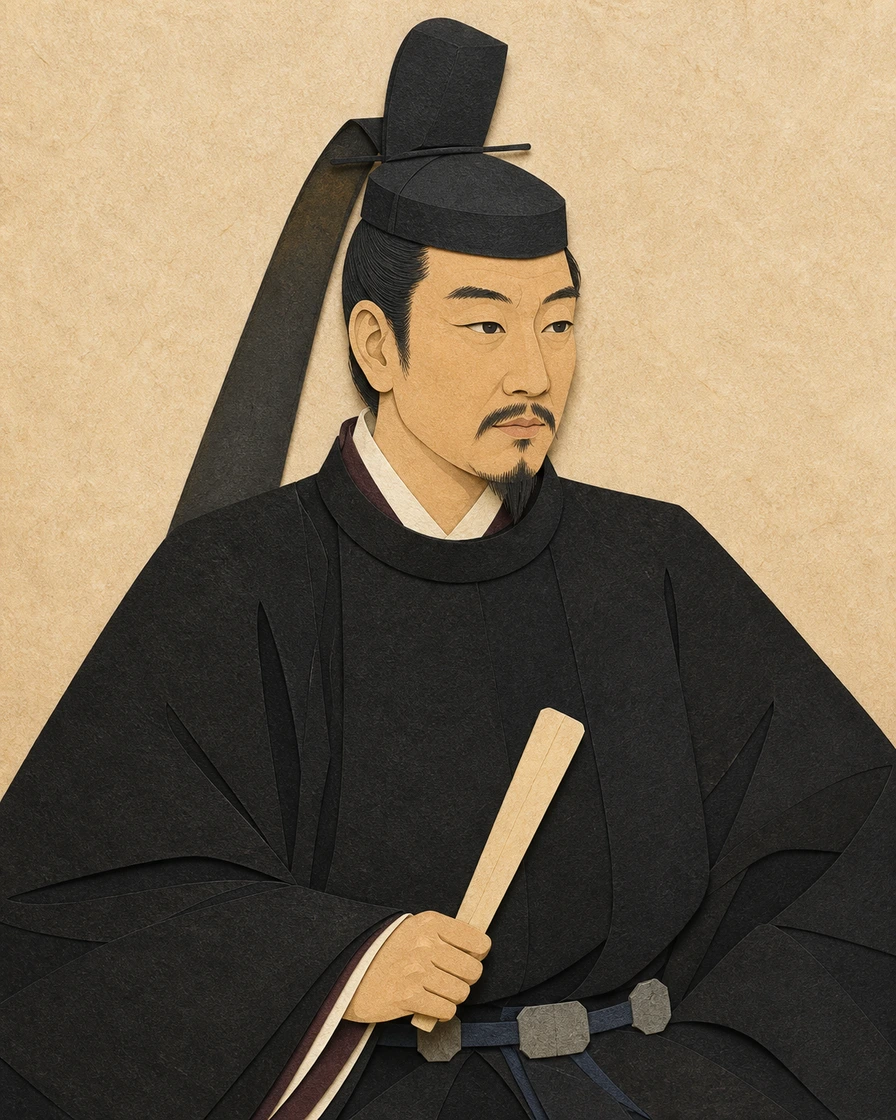
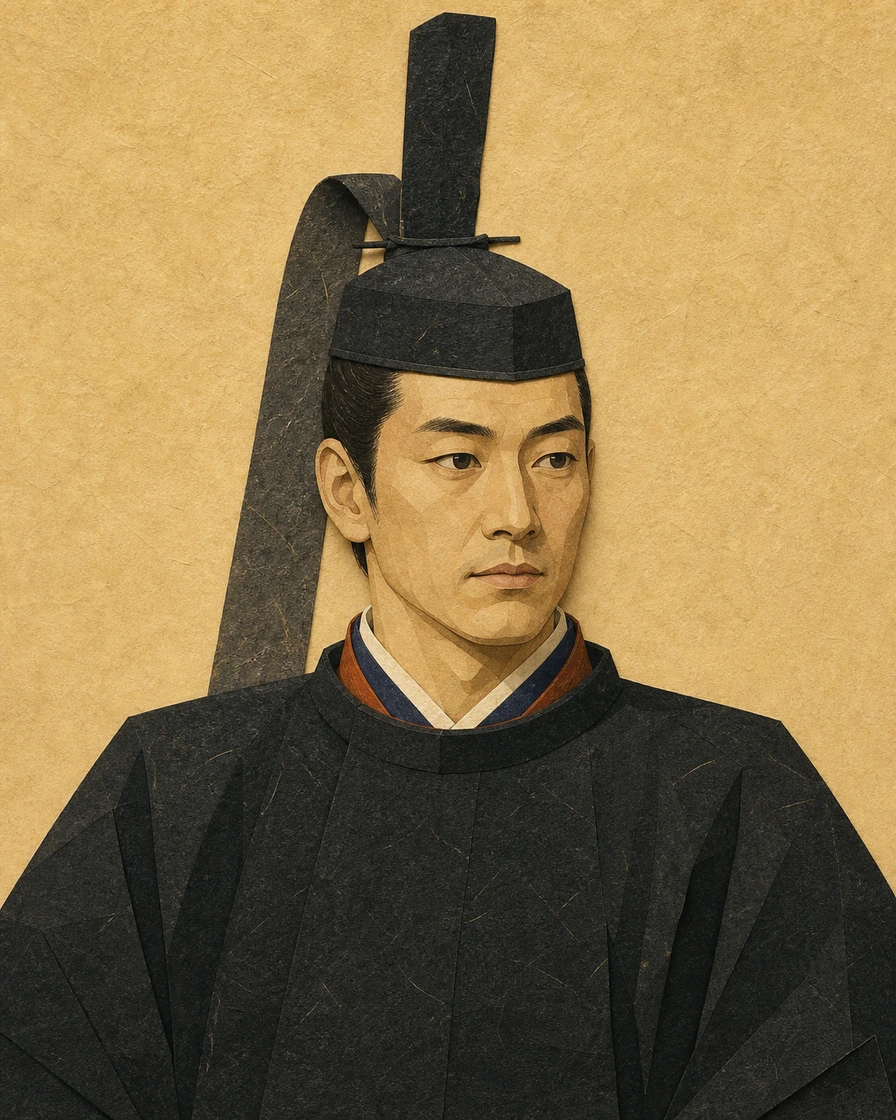
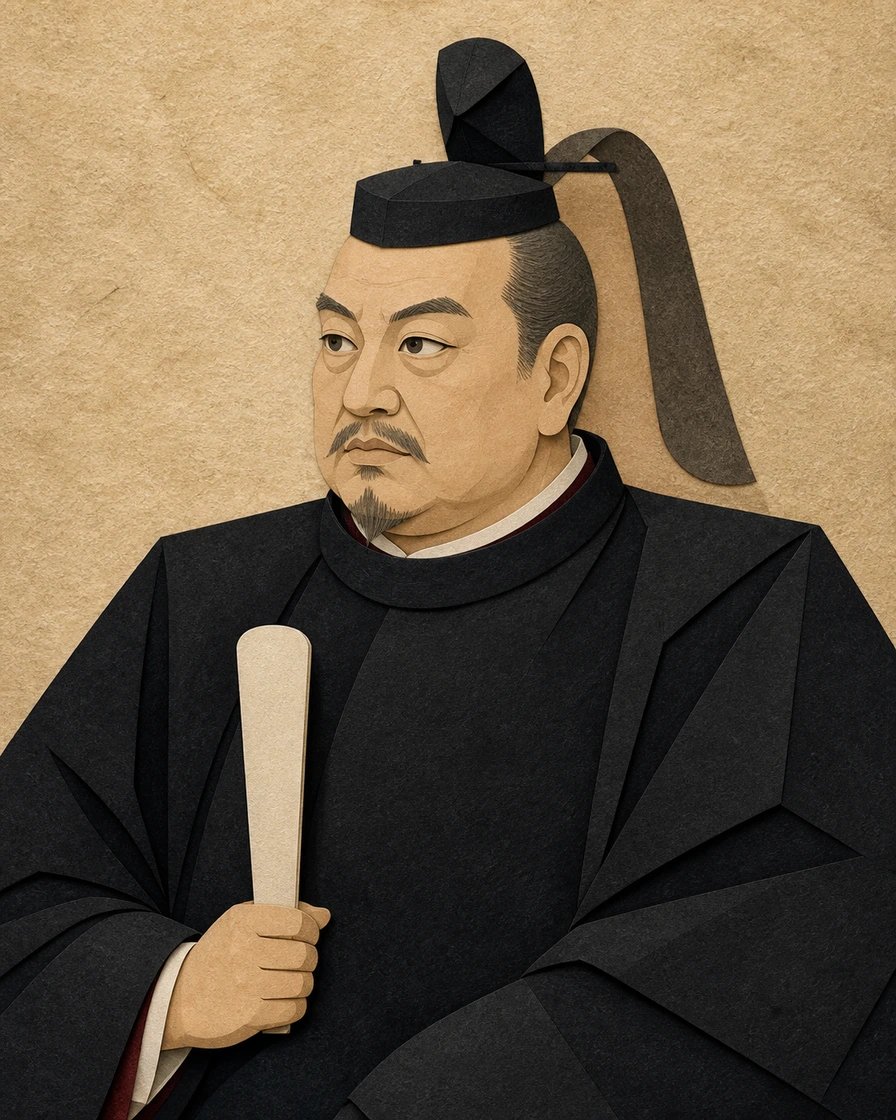
- Nara
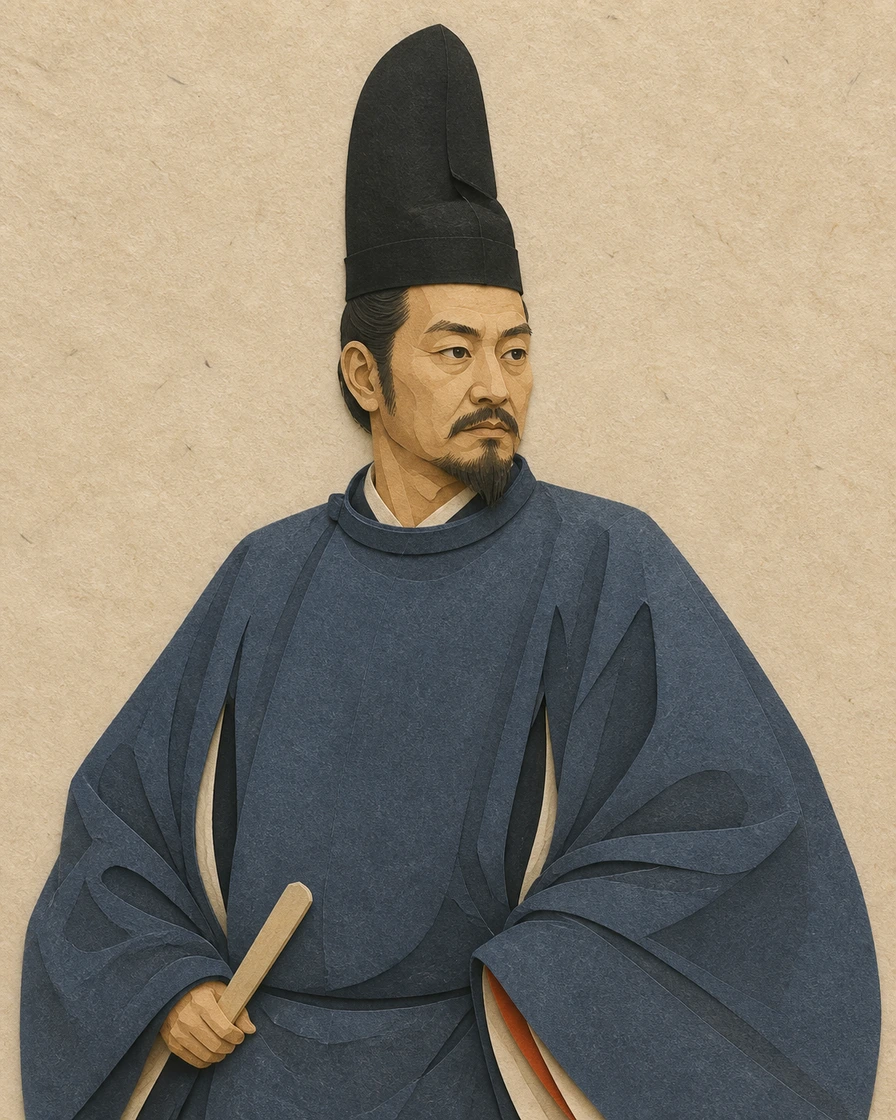
Emperor Tenmu
天武天皇
Why it mattersVictory in the Jinshin War enabled him to begin dynastic, legal and ritual projects that his successors carried forward. - Nara
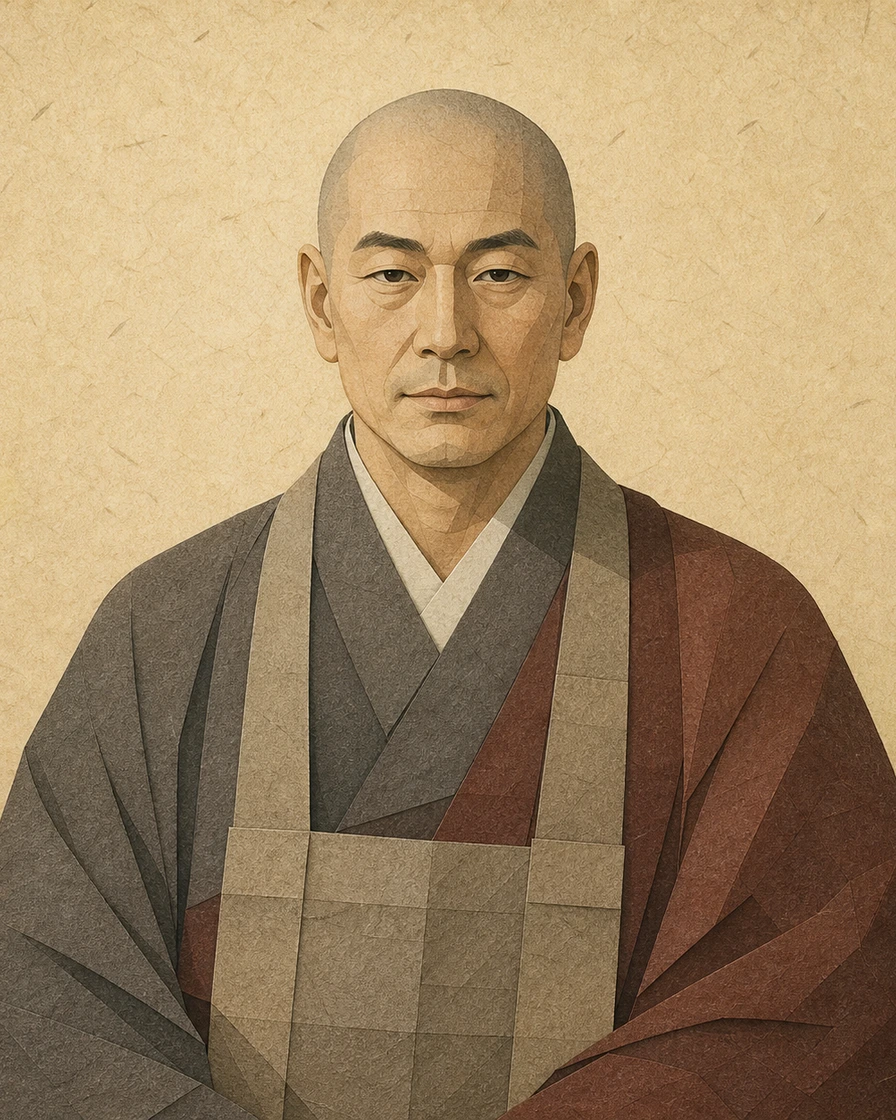
Empress Jitō
持統天皇
Why it mattersShe continued legal reform, moved the court to Fujiwara-kyō and secured a succession through her grandson Monmu. - Heian
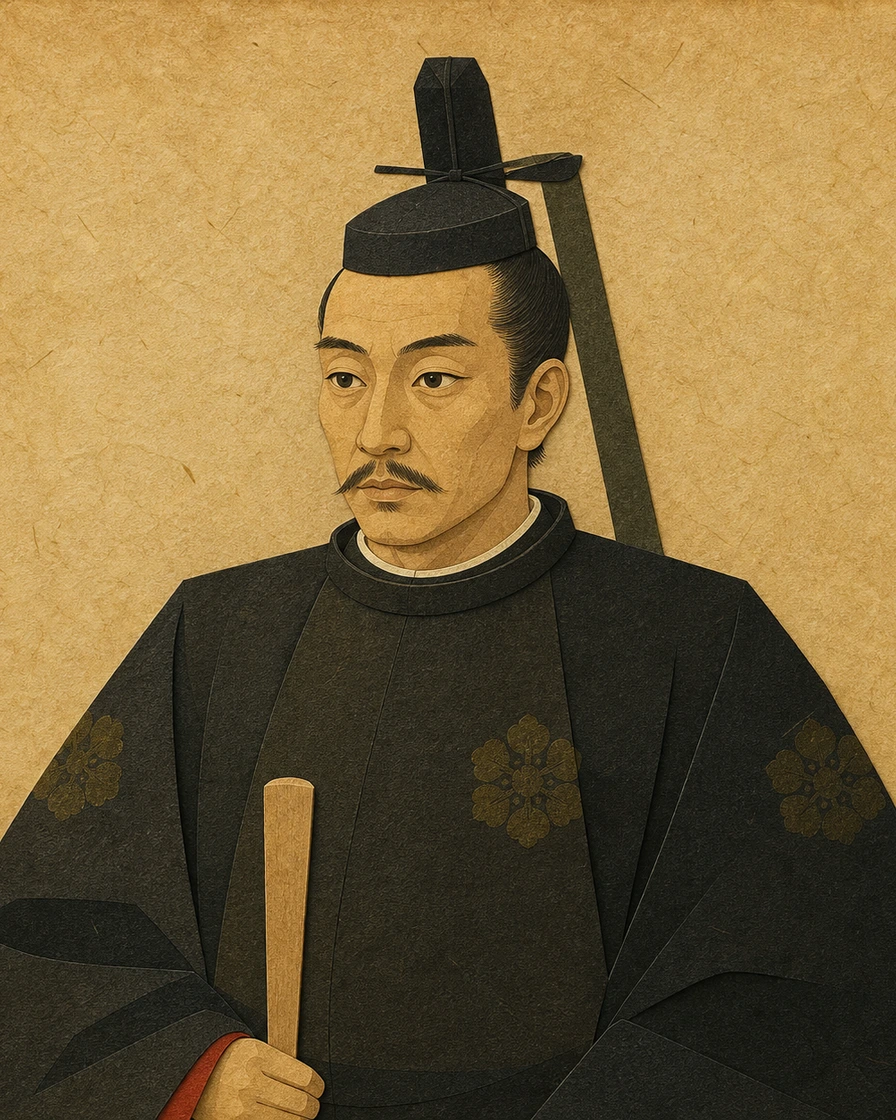
Fujiwara no Michinaga
藤原道長
Why it mattersImperial marriages, document review and household patronage made his family central to government without eliminating rival sources of authority. - Heian
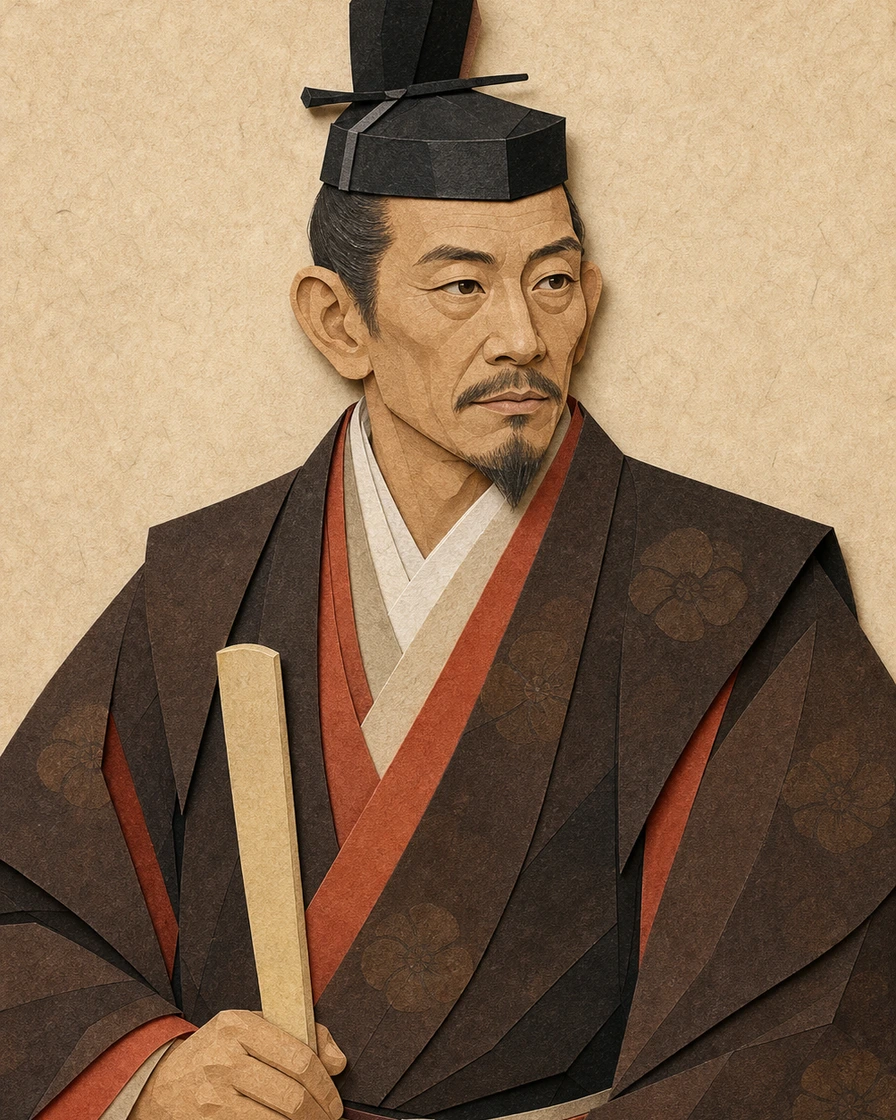
Emperor Shirakawa
白河天皇
Why it mattersRule after abdication added another center of authority, reshaping succession and bringing warriors closer to the court. - Kamakura
Minamoto no Yoritomo
源頼朝
Why it mattersHe joined eastern warrior coalitions, land claims, and court recognition into a government that survived its founder. - Muromachi
Ashikaga Yoshimitsu
足利義満
Why it mattersHe combined shogunal government, court rank, the settlement of the divided courts, and licensed trade with Ming China. - Sengoku
Oda Nobunaga
織田信長
Why it mattersHis coalitions, campaigns, and castle-town policies redirected political power without resolving the succession that followed his death. - Sengoku
Toyotomi Hideyoshi
豊臣秀吉
Why it mattersMilitary submission, land surveys, and status orders made a new political order; continental war and succession exposed its limits. - Sengoku
Tokugawa Ieyasu
徳川家康
Why it mattersAn Edo territorial base and victory within the Toyotomi order became the foundations of a hereditary Tokugawa shogunate. - Meiji
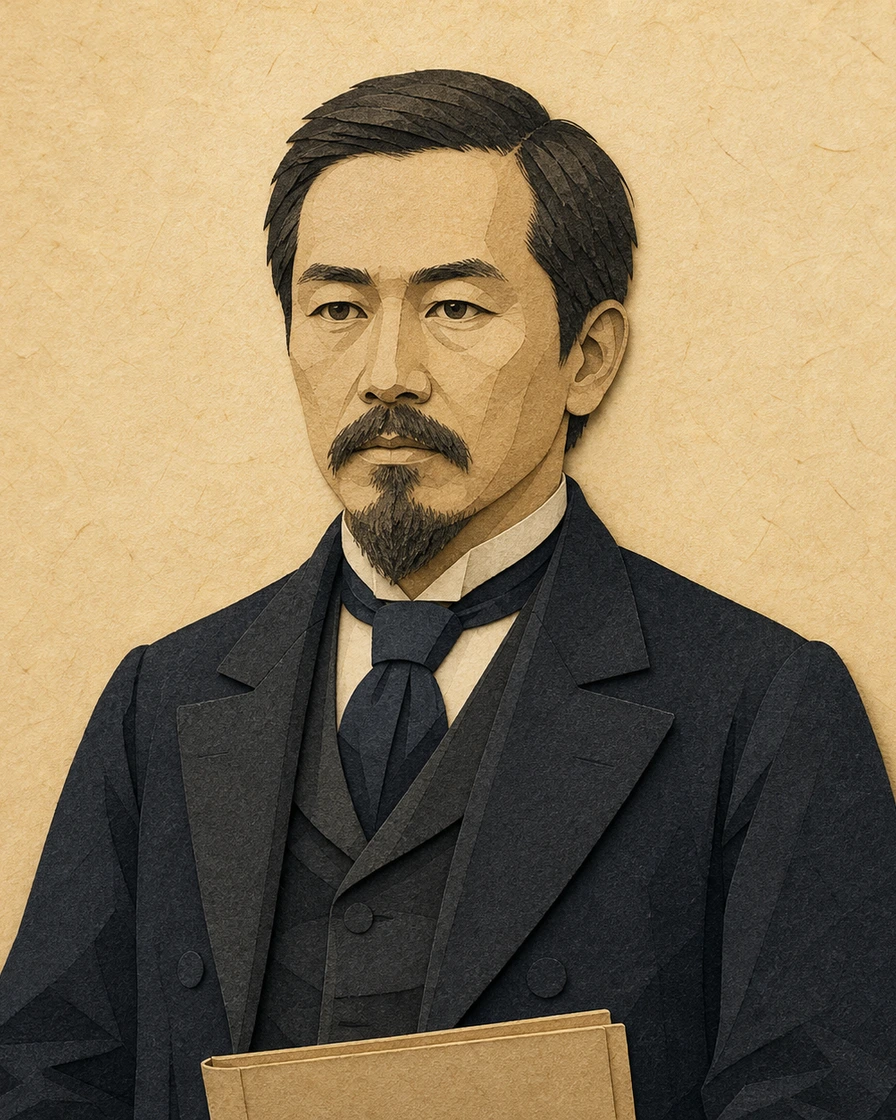
Ōkubo Toshimichi
大久保利通
Why it mattersHe helped turn a Restoration coalition into central government through domain abolition, the Home Ministry, and the suppression of rebellion.