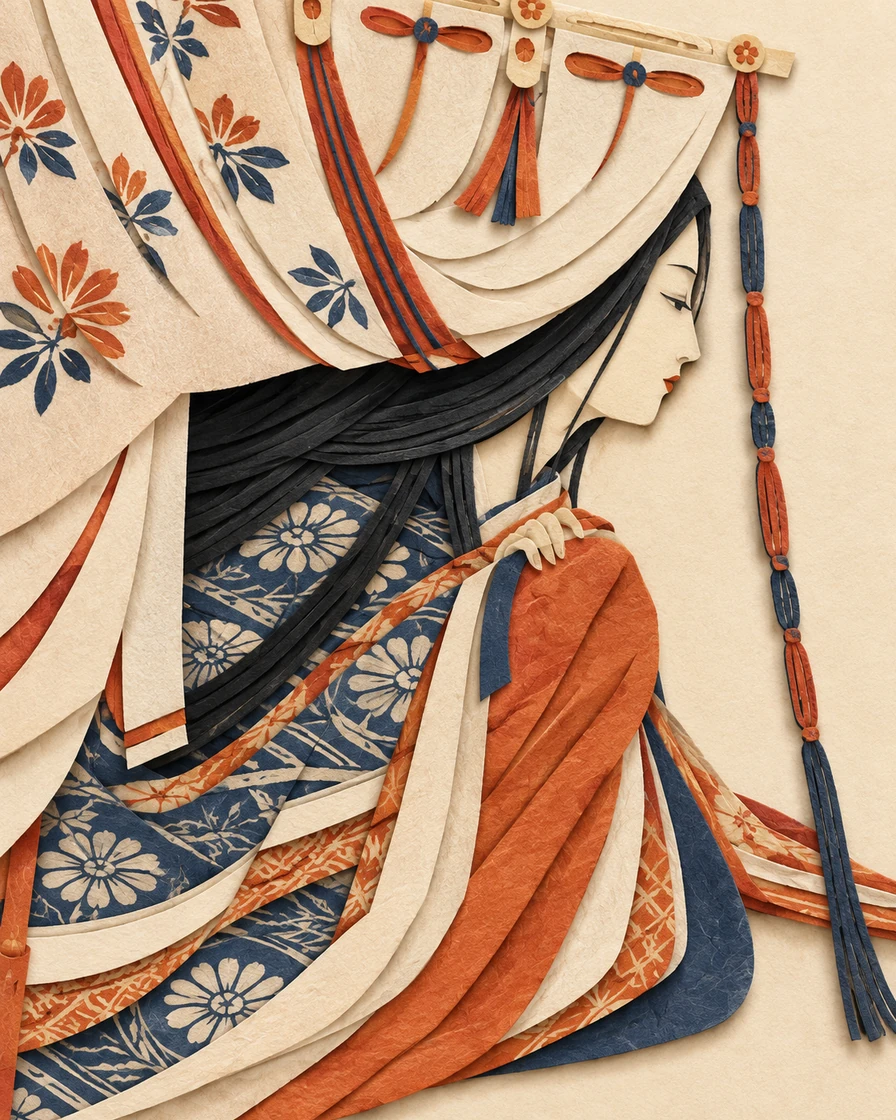
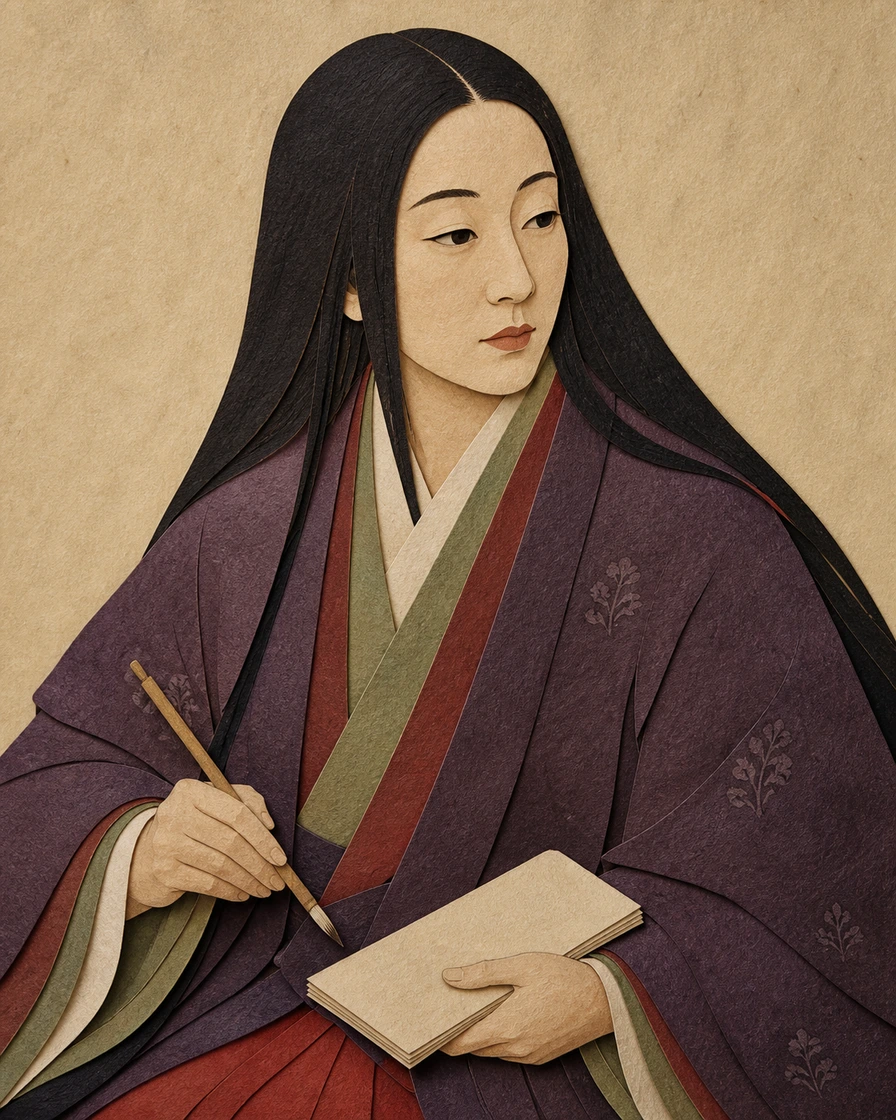
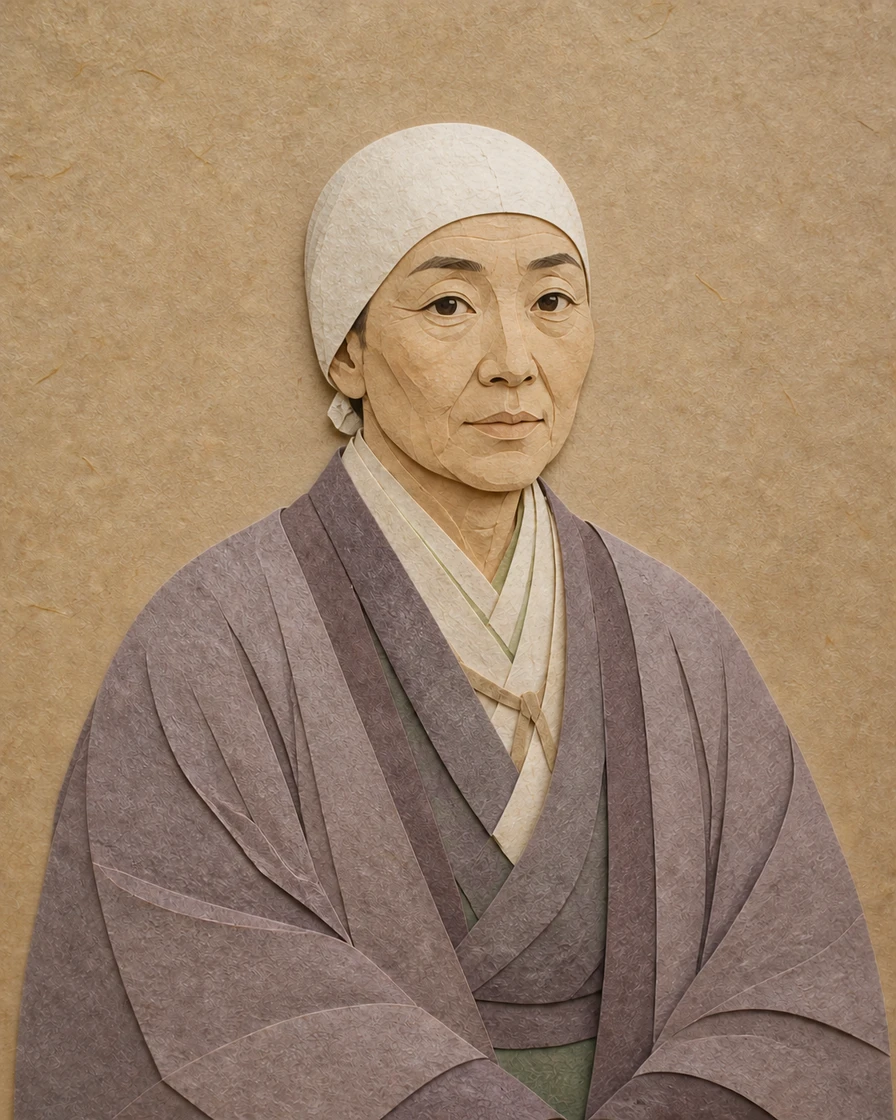
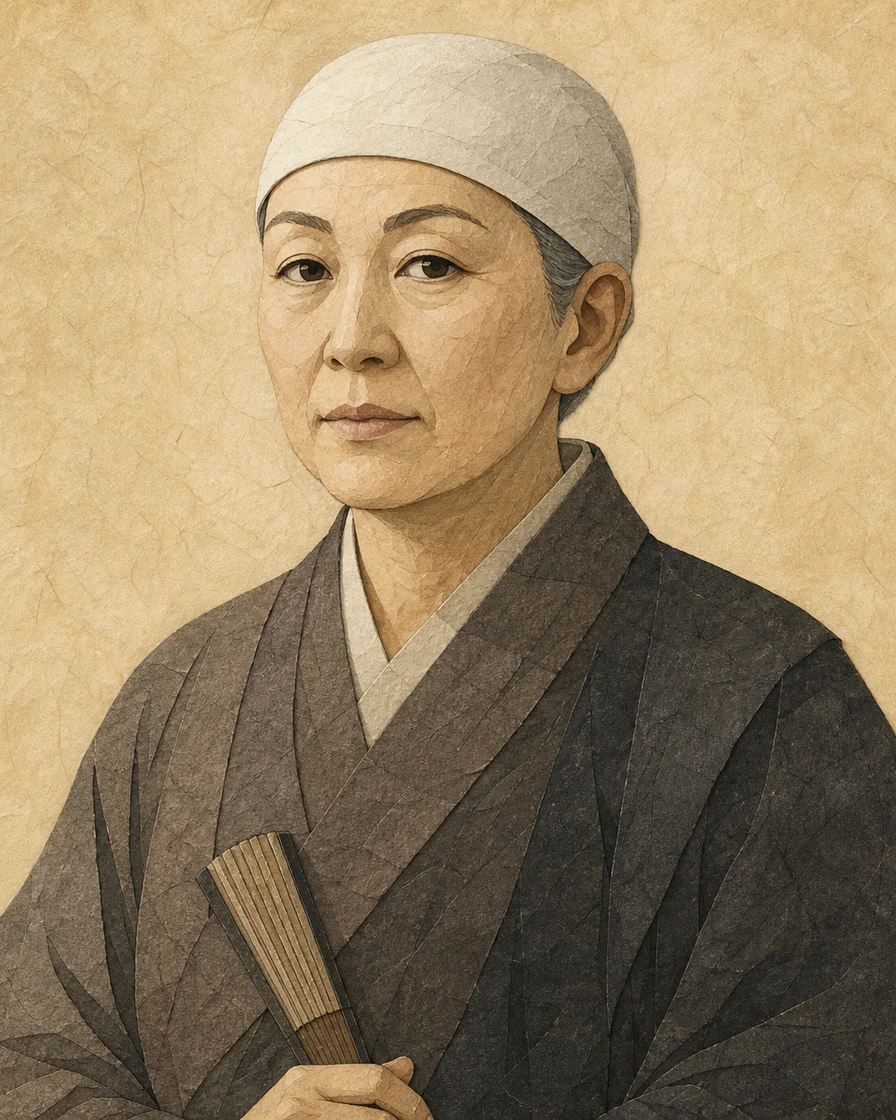
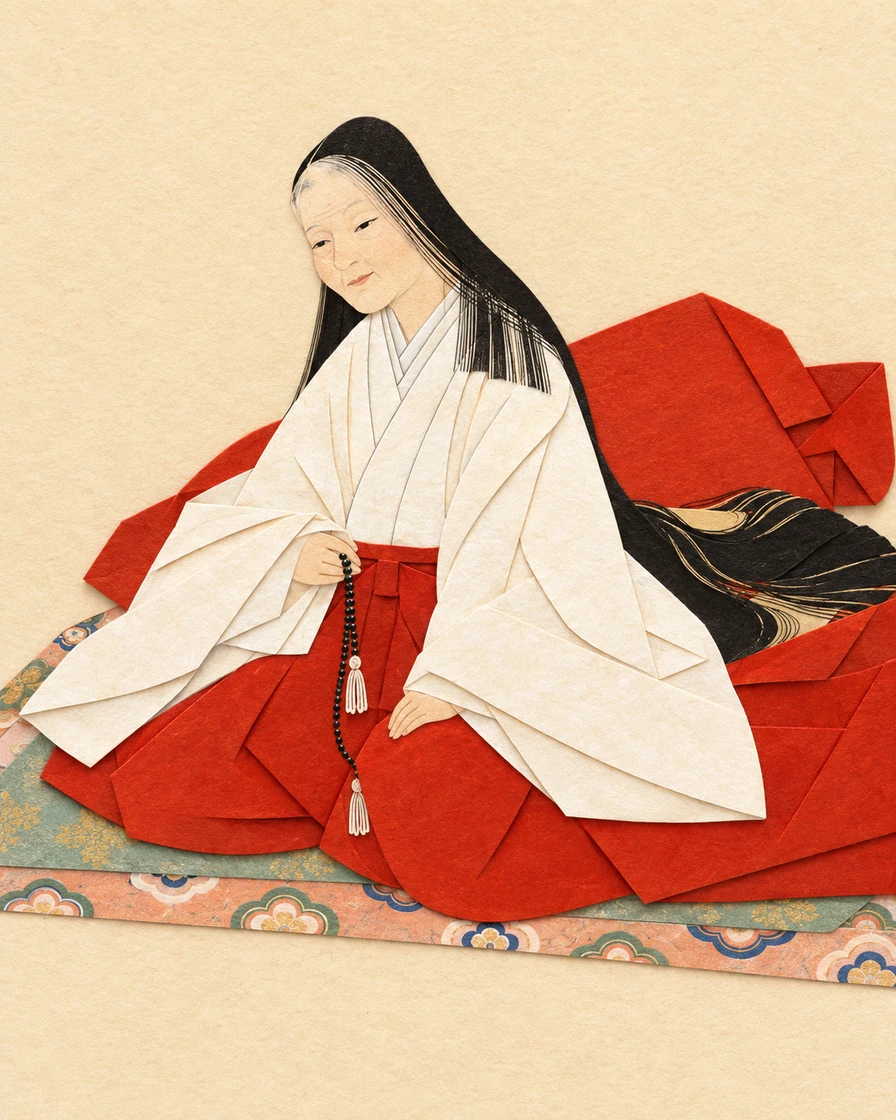
- Nara
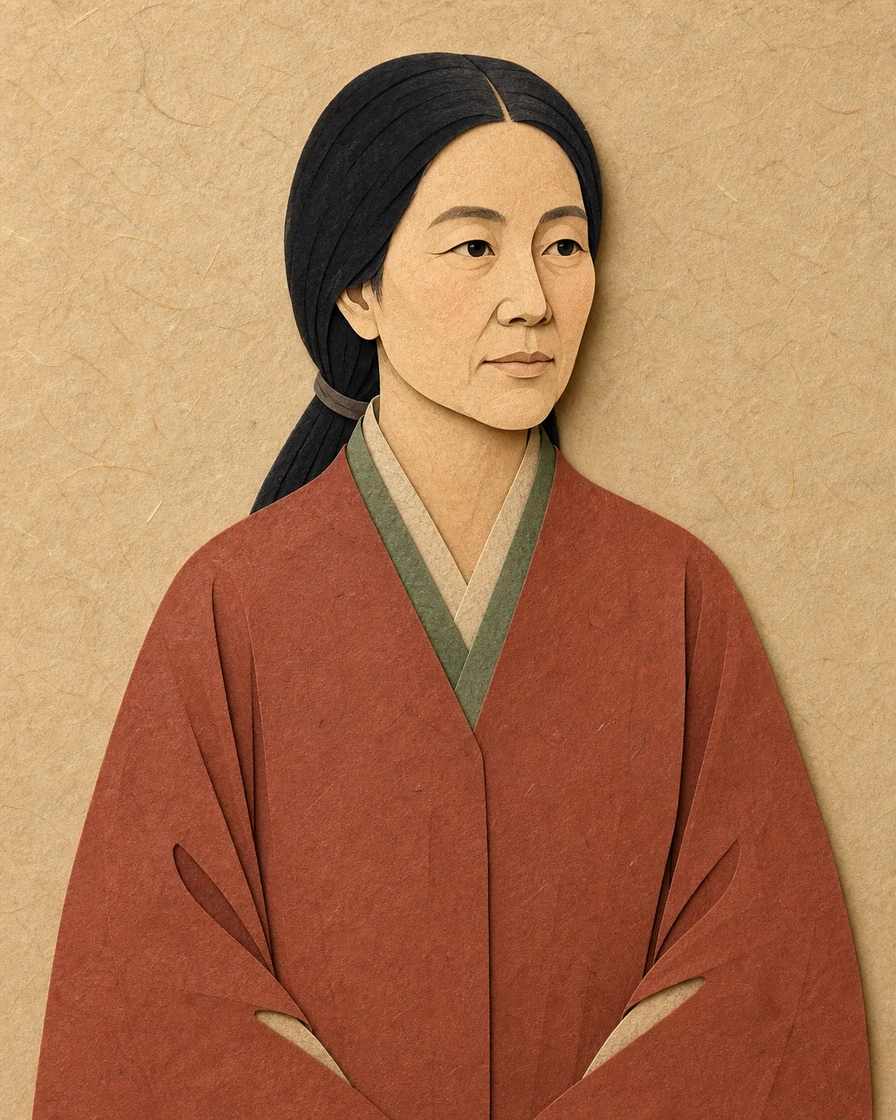
Empress Suiko
推古天皇
Why it mattersHer reign connects contested succession with court ranks, Buddhist patronage, and diplomacy with Sui China. - Nara
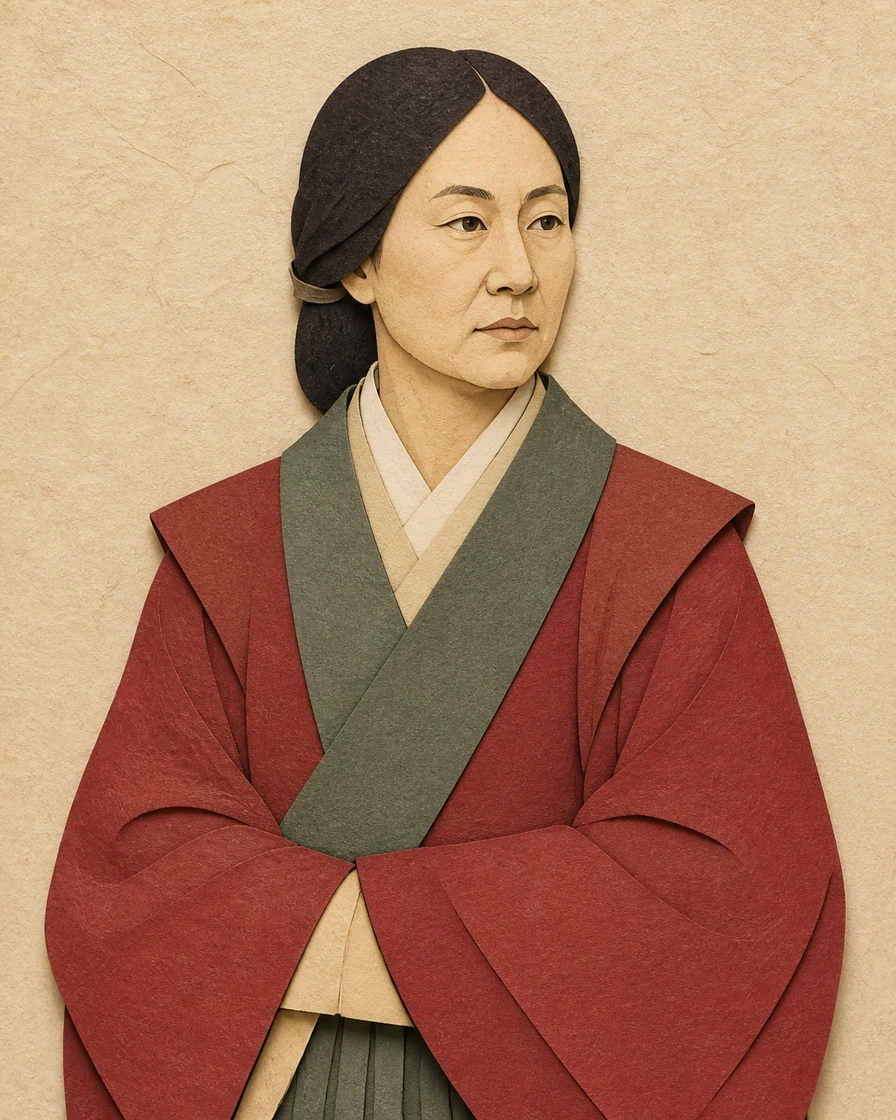
Empress Jitō
持統天皇
Why it mattersShe continued legal reform, moved the court to Fujiwara-kyō and secured a succession through her grandson Monmu. - Nara
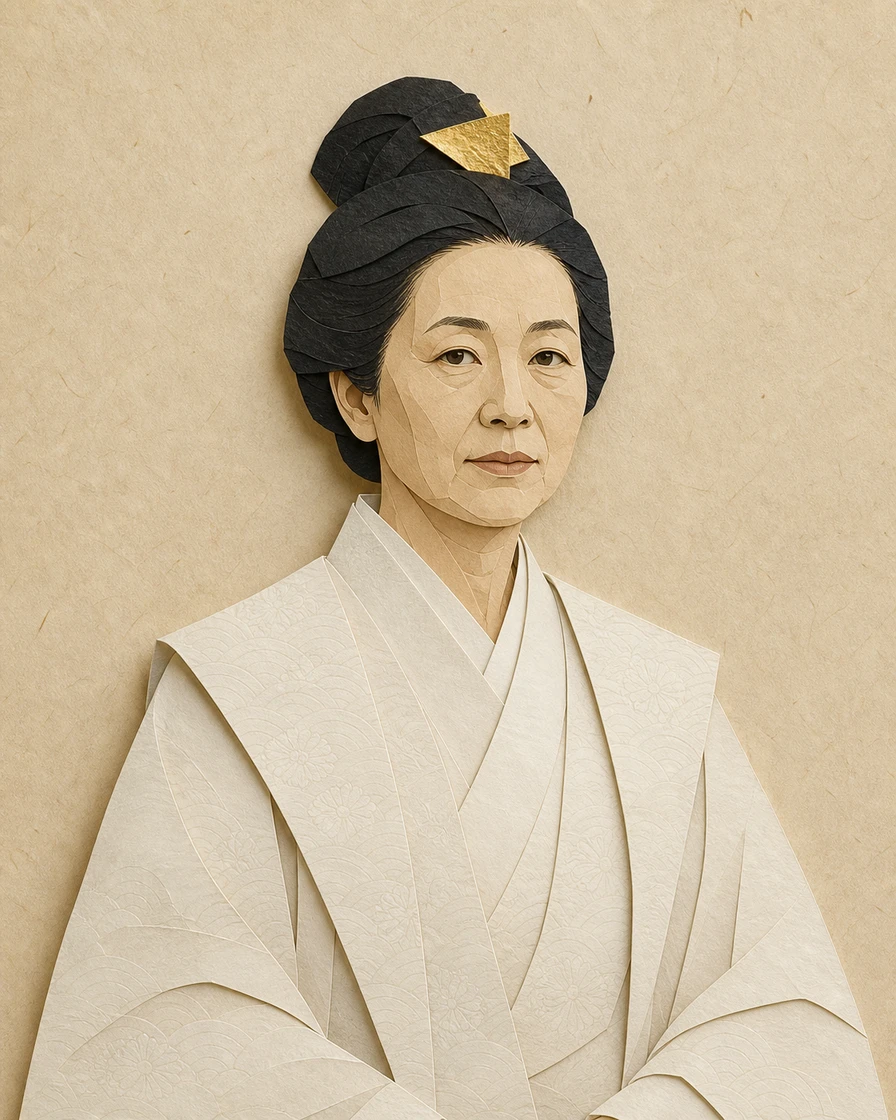
Empress Kōmyō
光明皇后
Why it mattersRelief institutions, sutra production, and Buddhist patronage made the empress an active organizer of religious and public life. - Nara
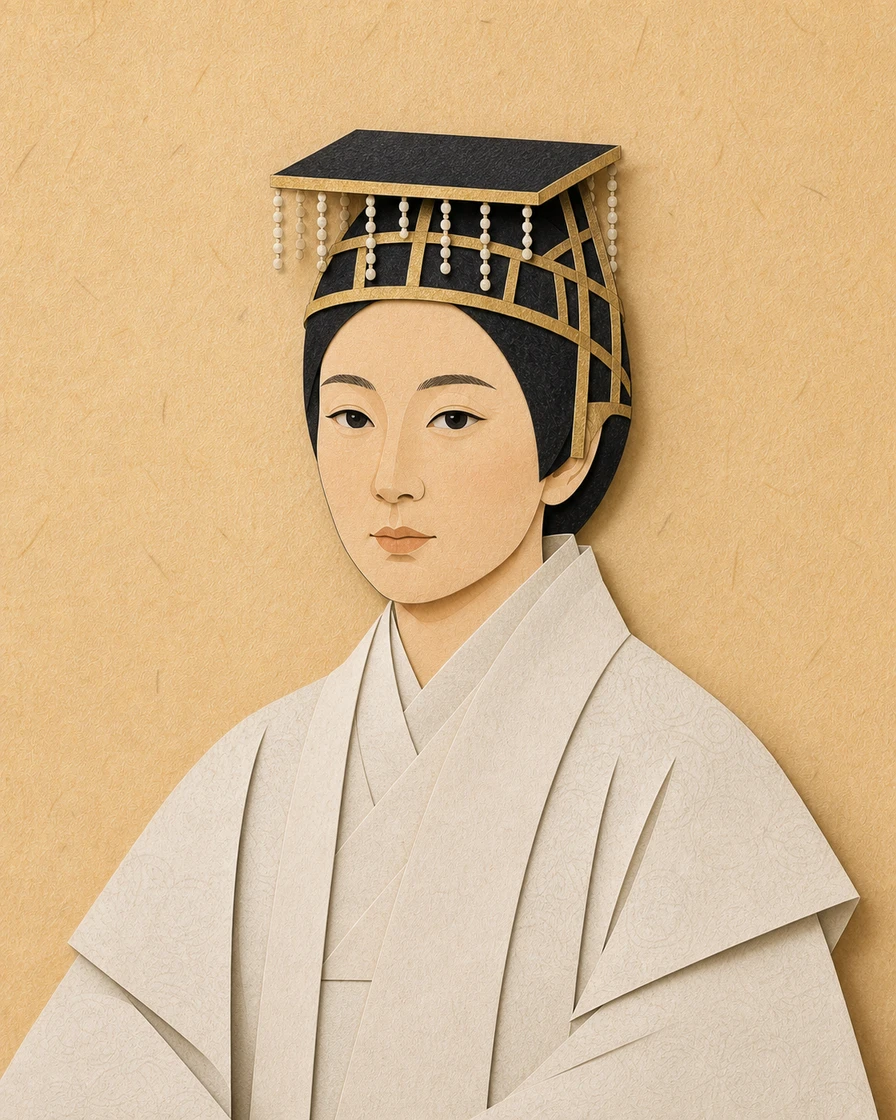
Empress Kōken / Shōtoku
孝謙天皇/称徳天皇
Why it mattersHer authority after abdication, return to the throne, and Buddhist government challenge simple accounts of sovereign power. - Heian
Sei Shōnagon
清少納言
Why it mattersThe Pillow Book turned observation, lists and court conversation in Teishi's household into a lasting literary form. - Heian
Murasaki Shikibu
紫式部
Why it mattersHer fiction and diary illuminate court society as crafted, situated writing—not a transparent transcript of aristocratic life. - Kamakura
Hōjō Masako
北条政子
Why it mattersHer intervention in succession and household government helped sustain Kamakura after the deaths of Yoritomo and their sons. - Muromachi
Hino Tomiko
日野富子
Why it mattersFinance, succession, and household administration gave her political agency beyond the familiar claim that she caused the Ōnin War. - Edo
Kasuga no Tsubone
春日局
Why it mattersHer service to Iemitsu reveals the political work of household access, correspondence and kinship inside Edo Castle. - Bakumatsu
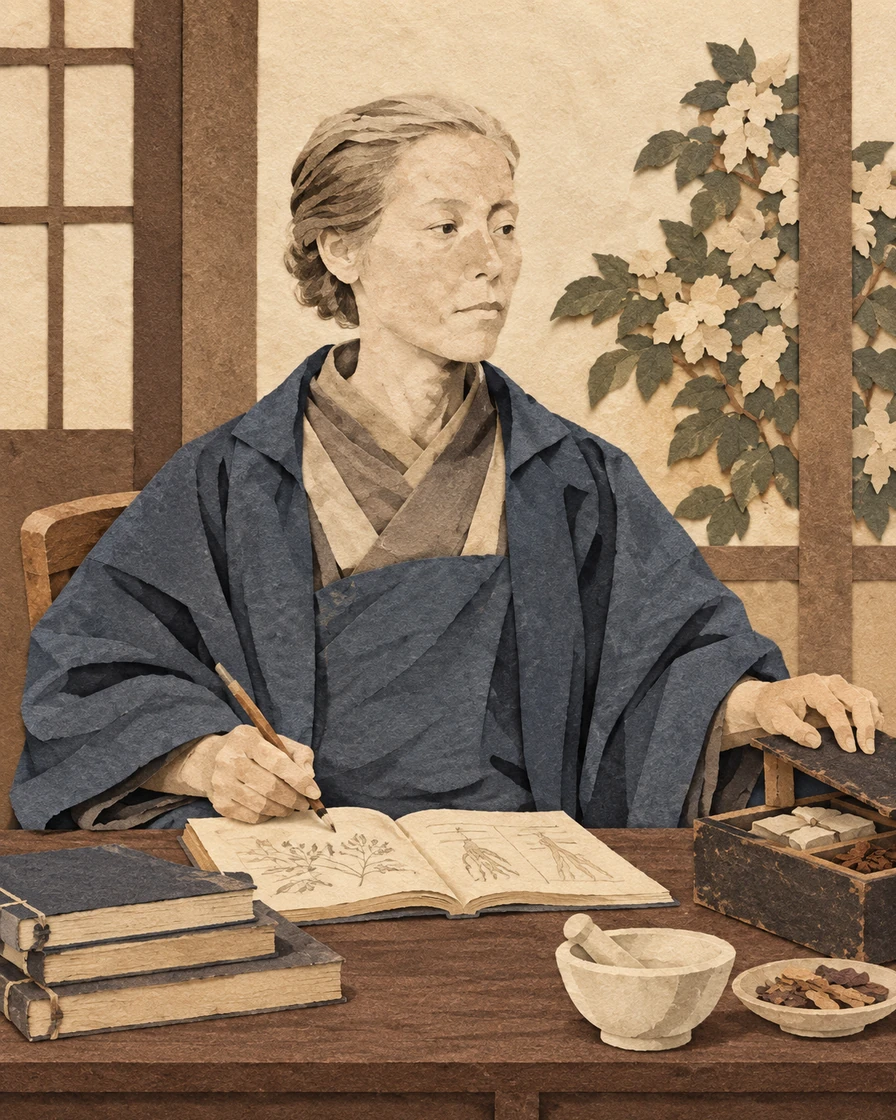
Kusumoto Ine
楠本イネ
Why it mattersHer medical training and obstetric practice reveal the opportunities and barriers facing women before modern professional qualifications.