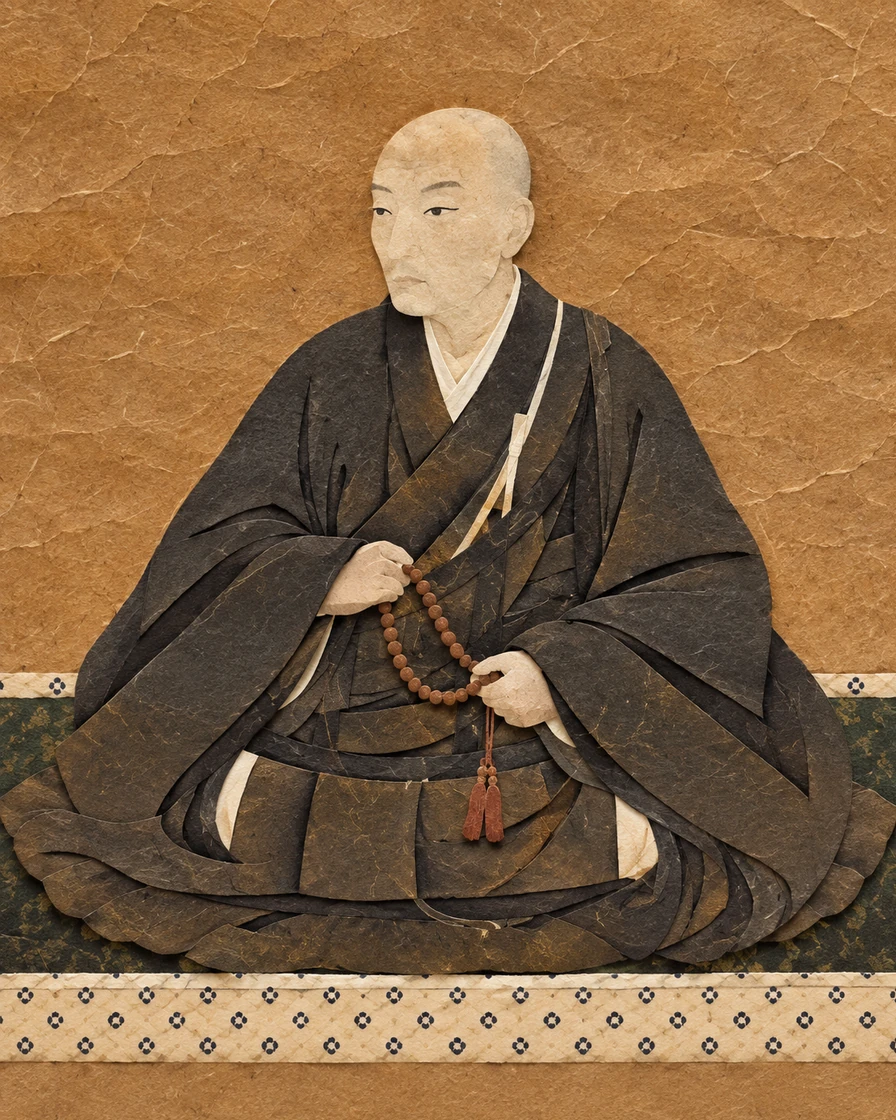
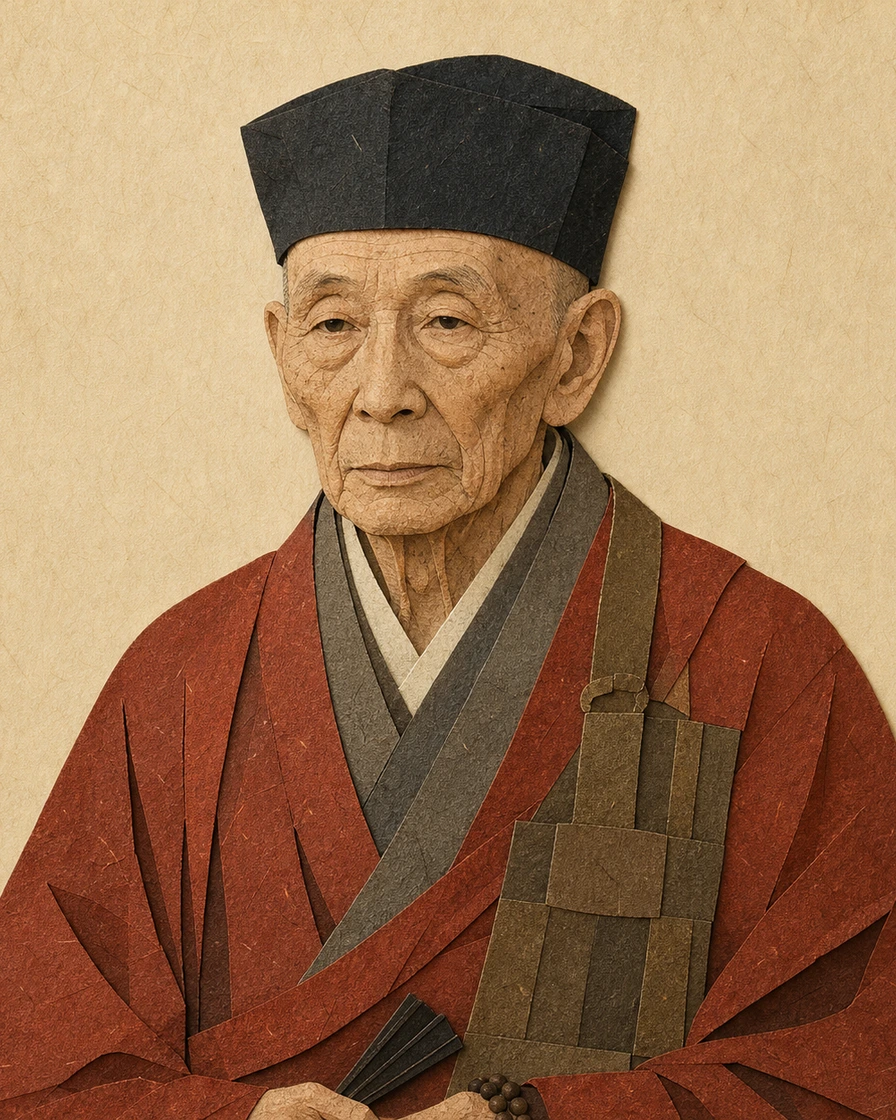
- Nara
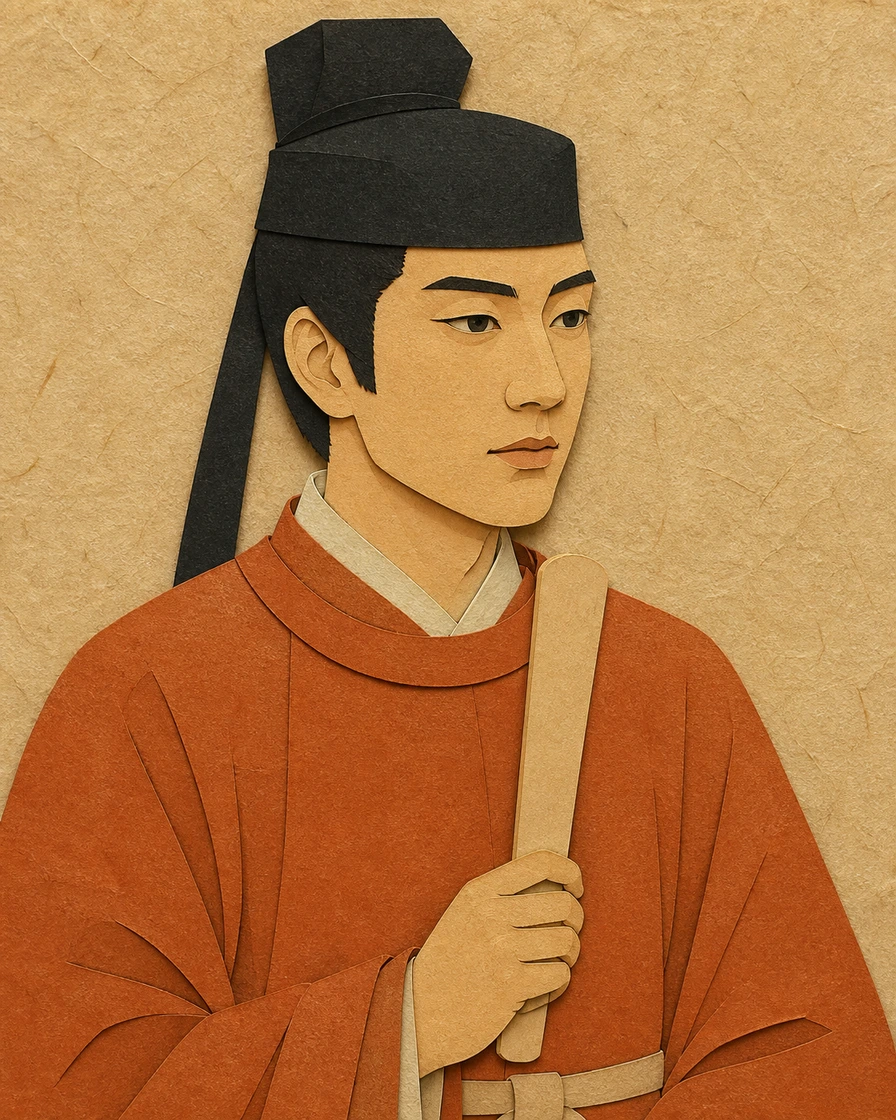
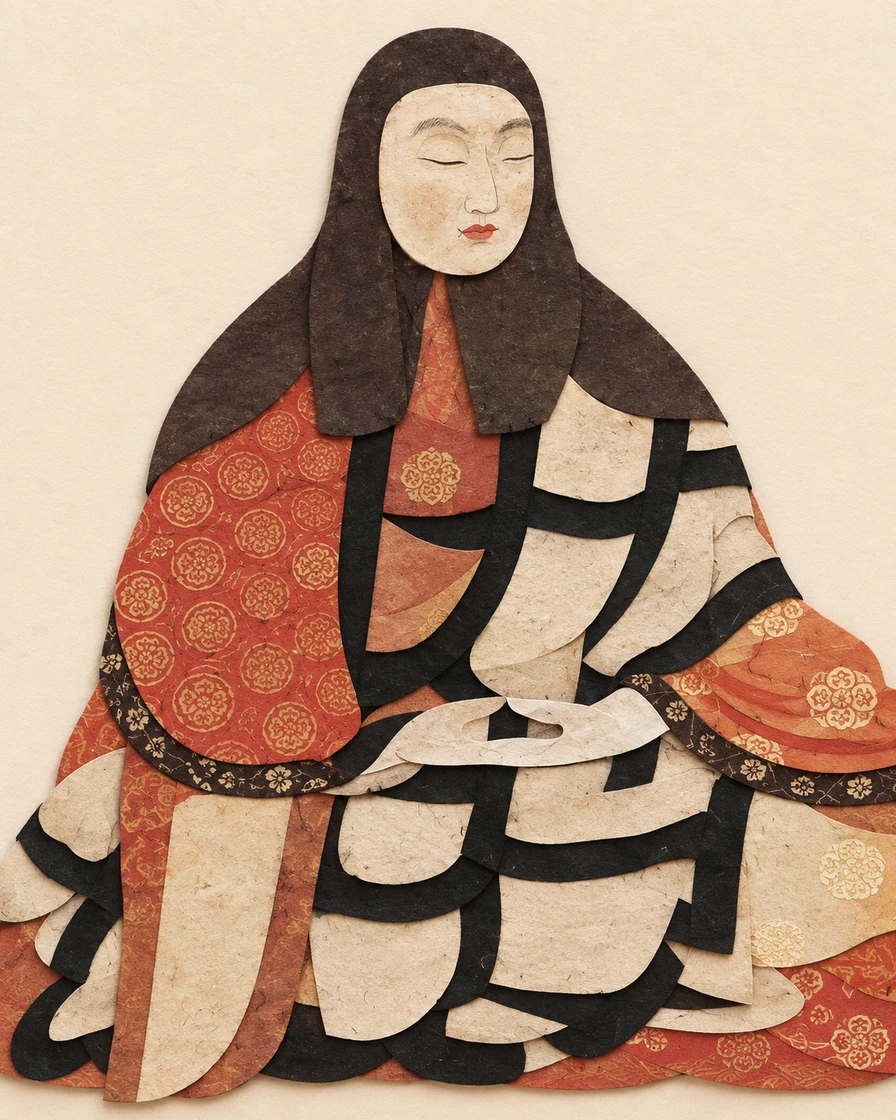
Prince Umayado / Prince Shōtoku
厩戸皇子/聖徳太子
Why it mattersHis political and Buddhist legacy connects court reform and transregional learning with later traditions of sacred authority. - Nara
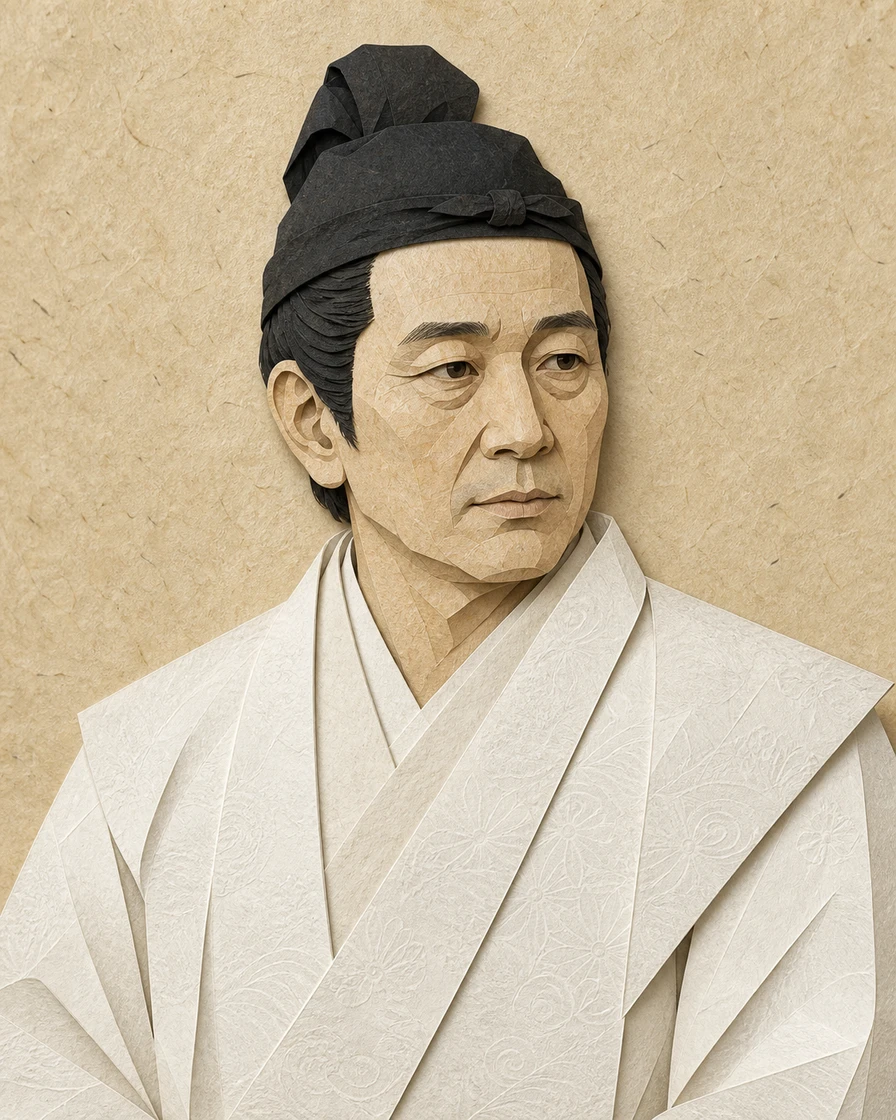
Emperor Shōmu
聖武天皇
Why it mattersHis reign turned Buddhist patronage into provincial institutions and the collective undertaking of the Great Buddha. - Nara
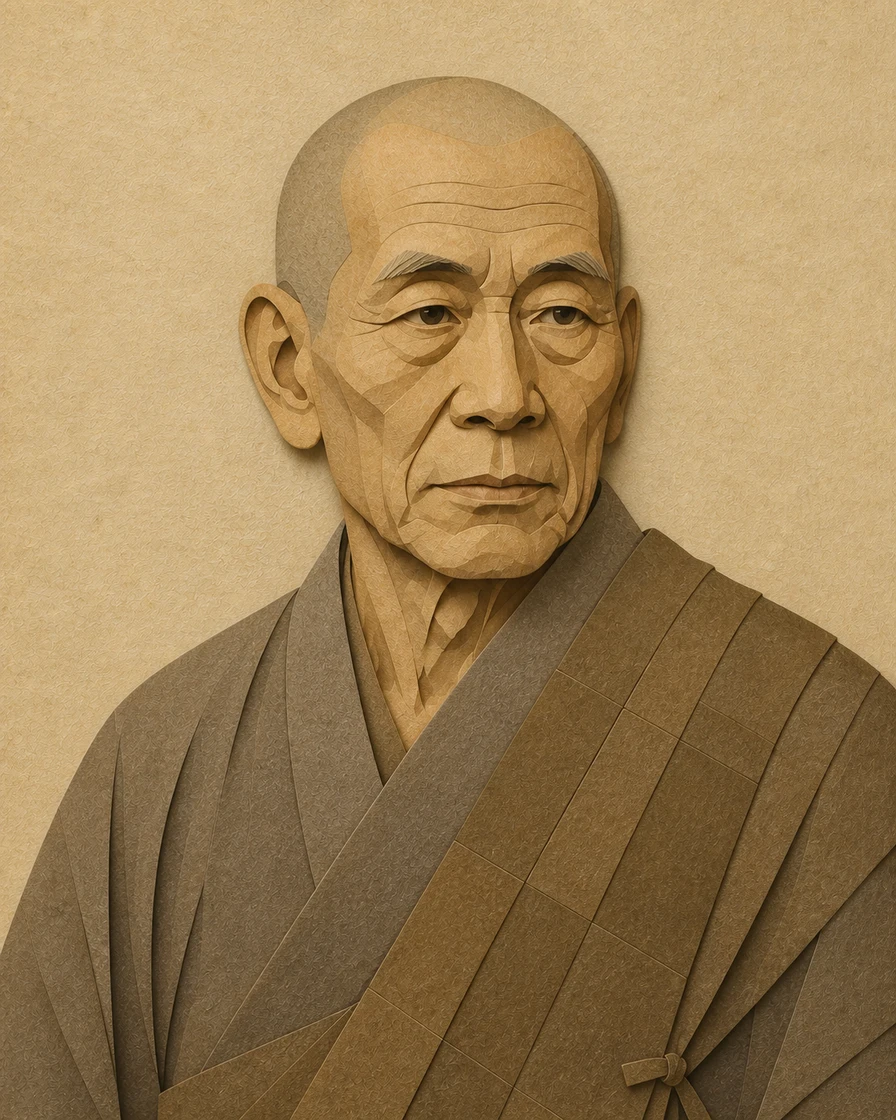
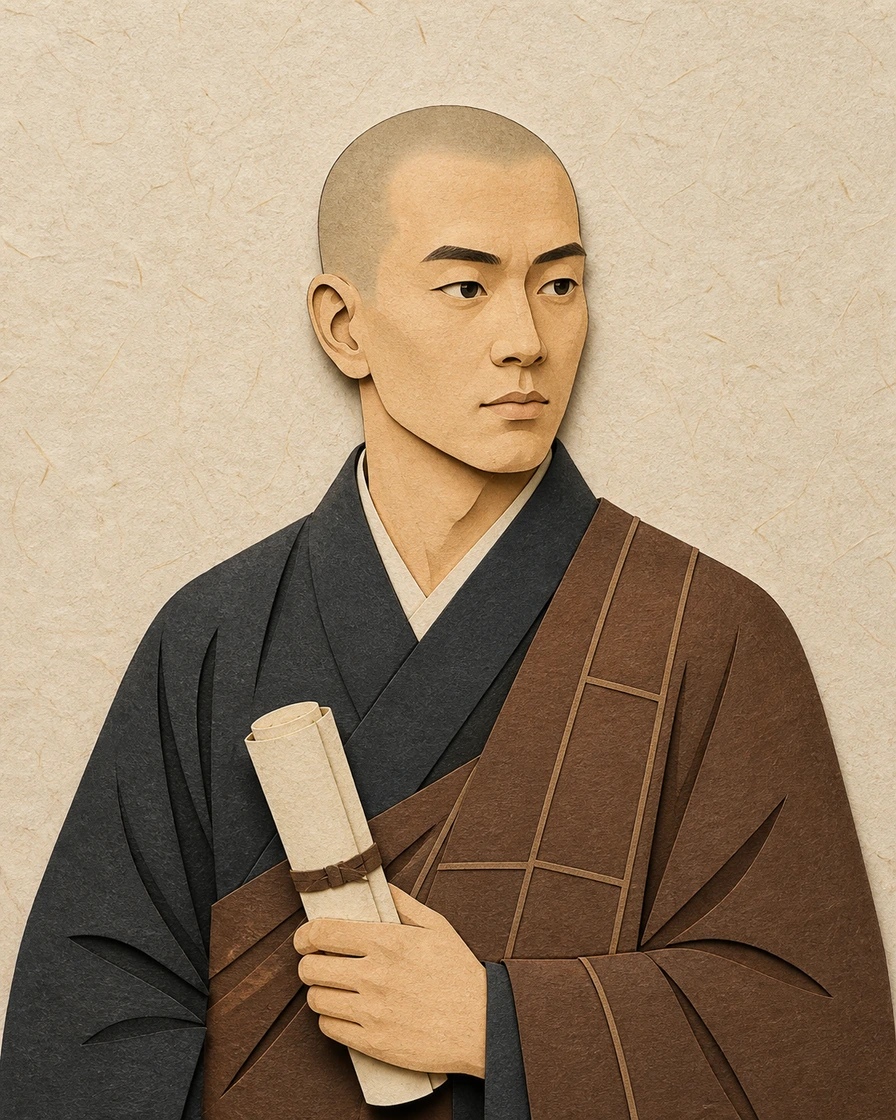
Gyōki
行基
Why it mattersHis religious networks and fundraising connect public works and participation to a Great Buddha project larger than imperial command. - Nara
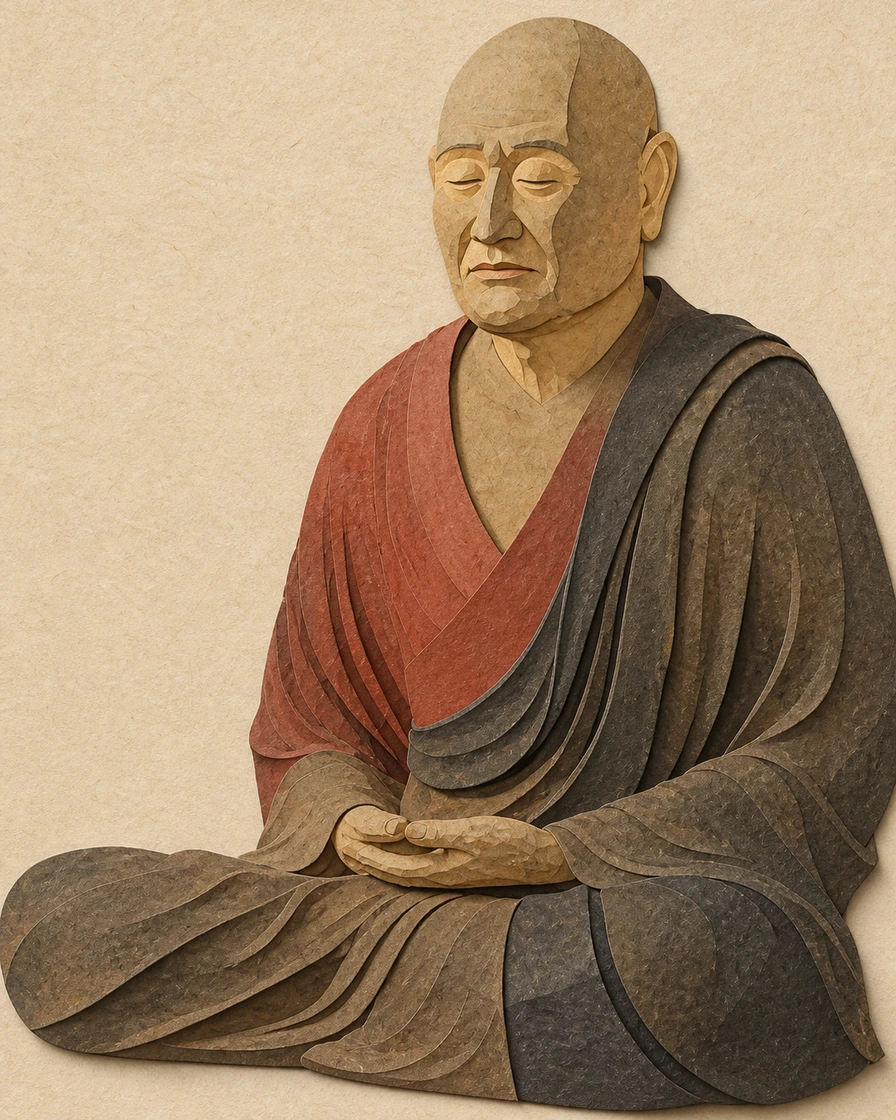
Ganjin
鑑真
Why it mattersHis journeys and ordination work helped make Buddhist authority repeatable through institutions at Tōdai-ji and Tōshōdai-ji. - Heian
Saichō
最澄
Why it mattersHis Mount Hiei community sought a lasting place for Tendai teaching and an ordination system independent of the established Nara institutions. - Heian
Kūkai
空海
Why it mattersTeaching, initiation, writing, and institutions at Tō-ji and Kōyasan turned transregional knowledge into durable religious networks. - Heian
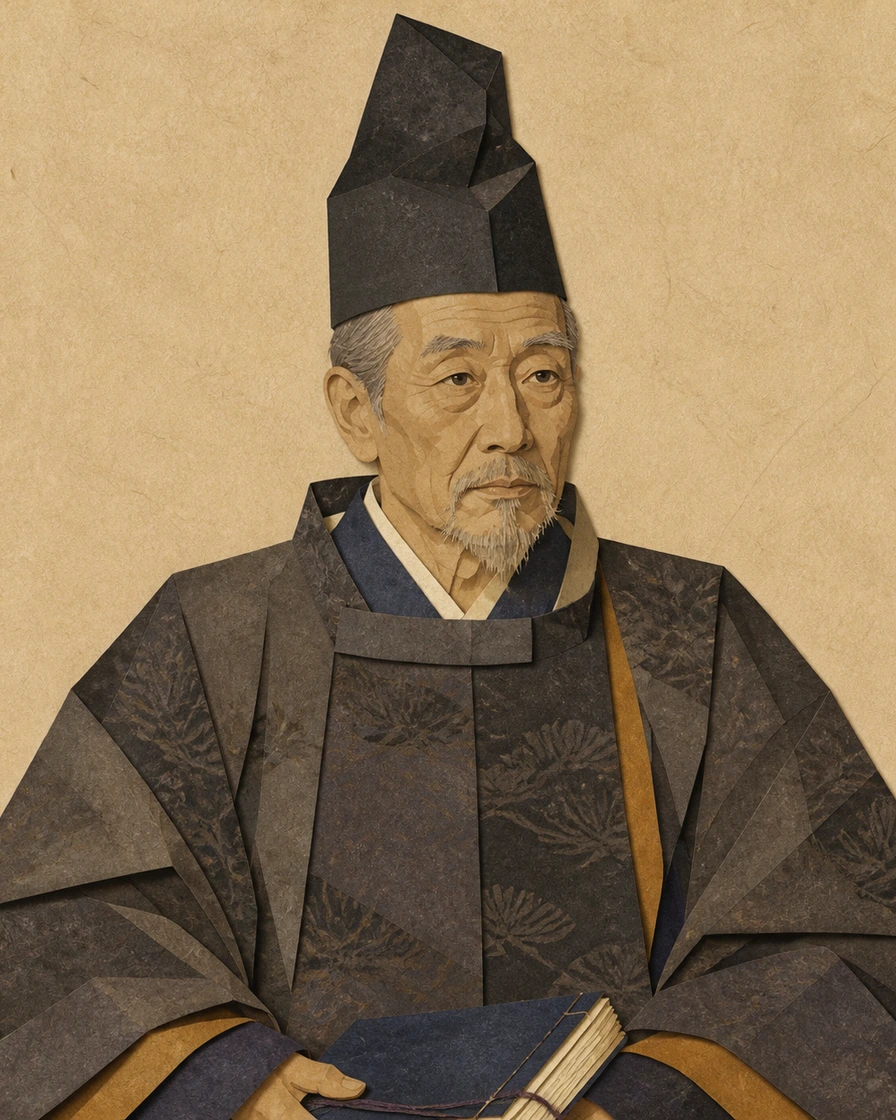
Fujiwara no Kiyohira
藤原清衡
Why it mattersBuilding Chūson-ji joined Buddhist commemoration to the creation of a powerful regional center at Hiraizumi. - Kamakura
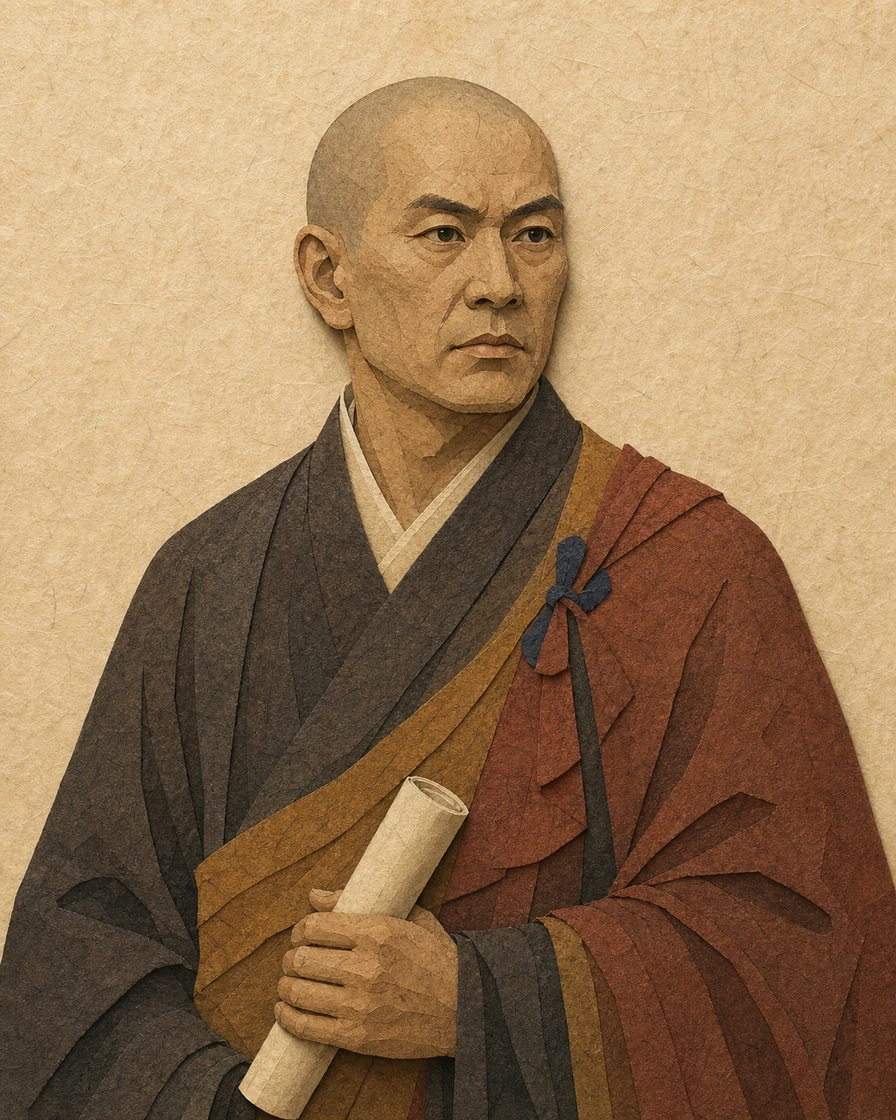
Nichiren
日蓮
Why it mattersReligious argument, punishment, and correspondence connected disaster and government to a movement sustained across exile. - Sengoku
Honganji Kennyo
本願寺顕如
Why it mattersHis resistance to Nobunaga and negotiated departure from Ishiyama show a religious community acting as a territorial and diplomatic power. - Edo
Tenkai
天海
Why it mattersHis work at Nikkō and Kan'eiji helped give Tokugawa dynastic authority a religious geography and ritual form.