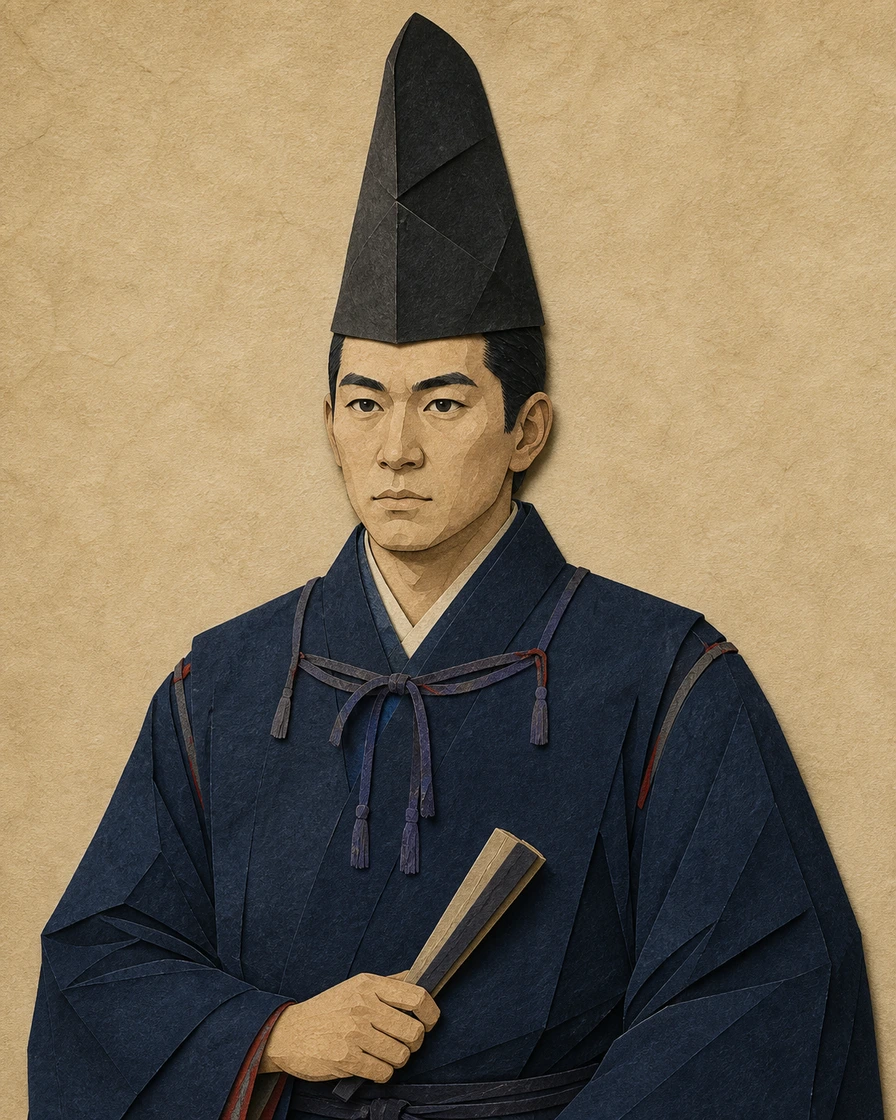
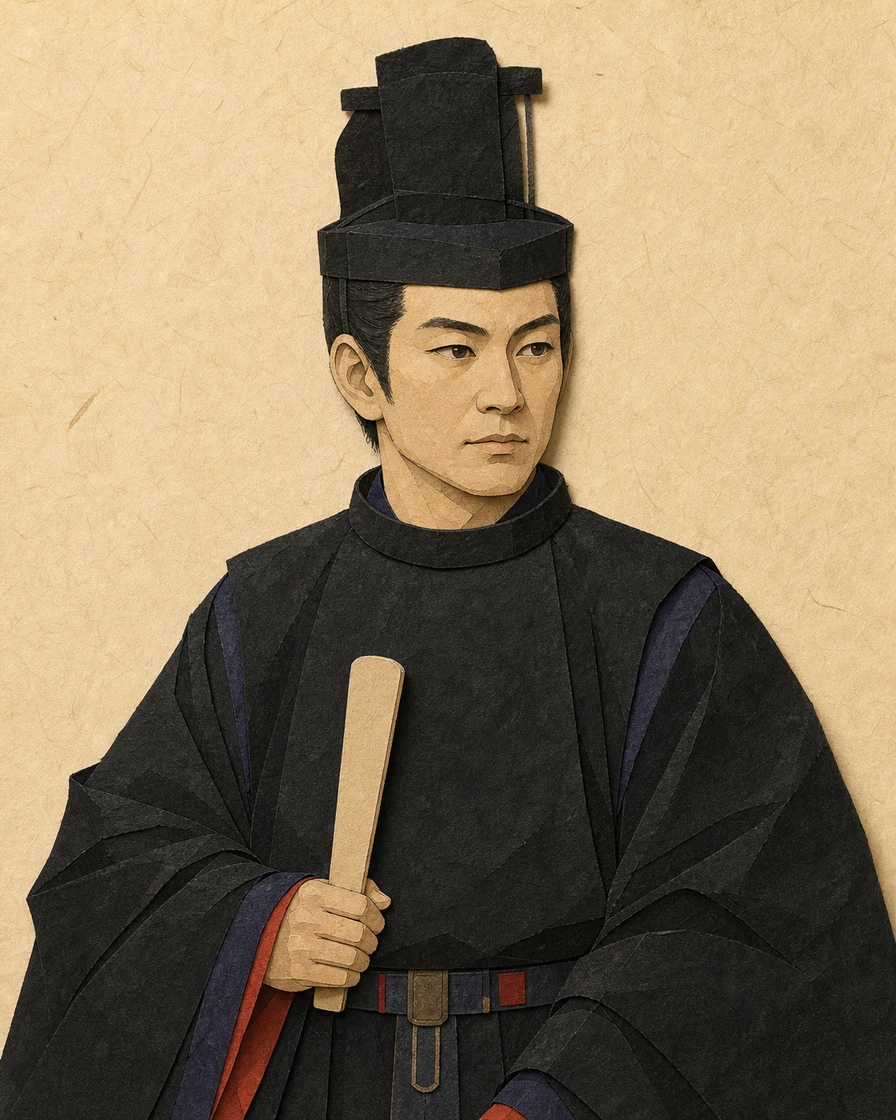
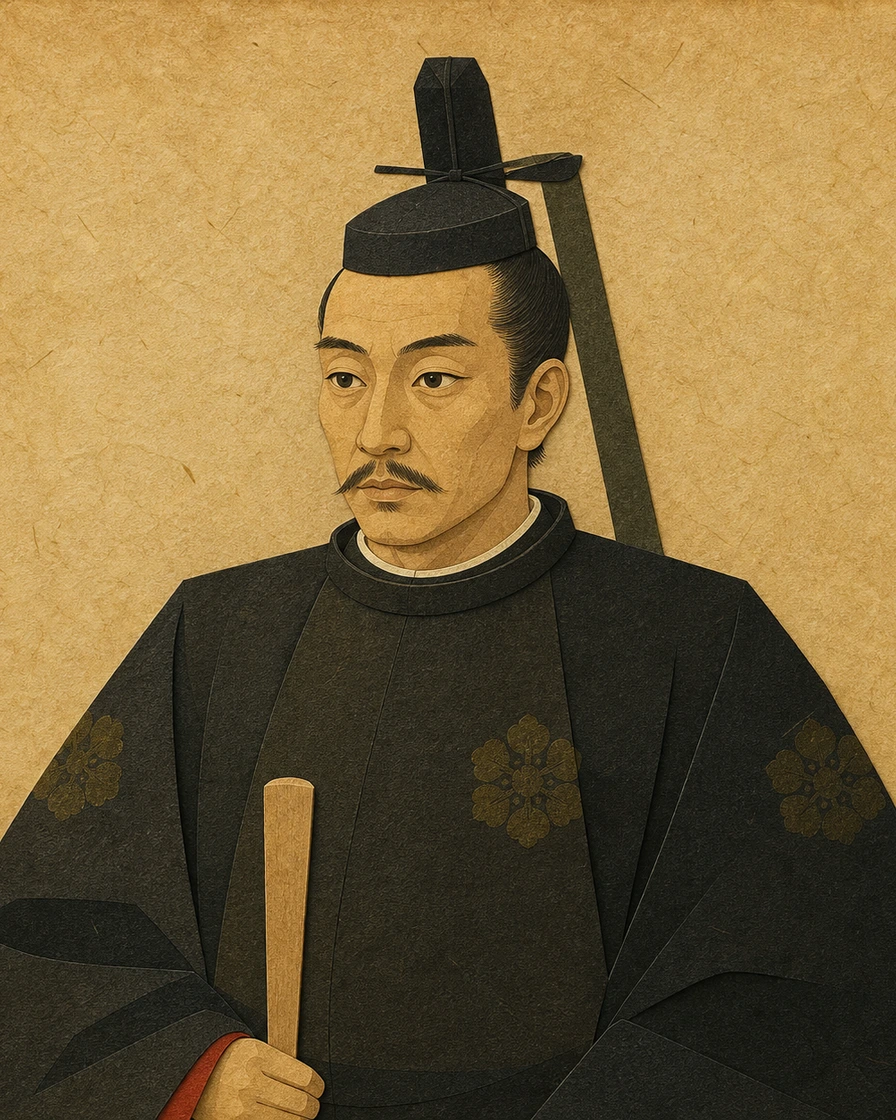
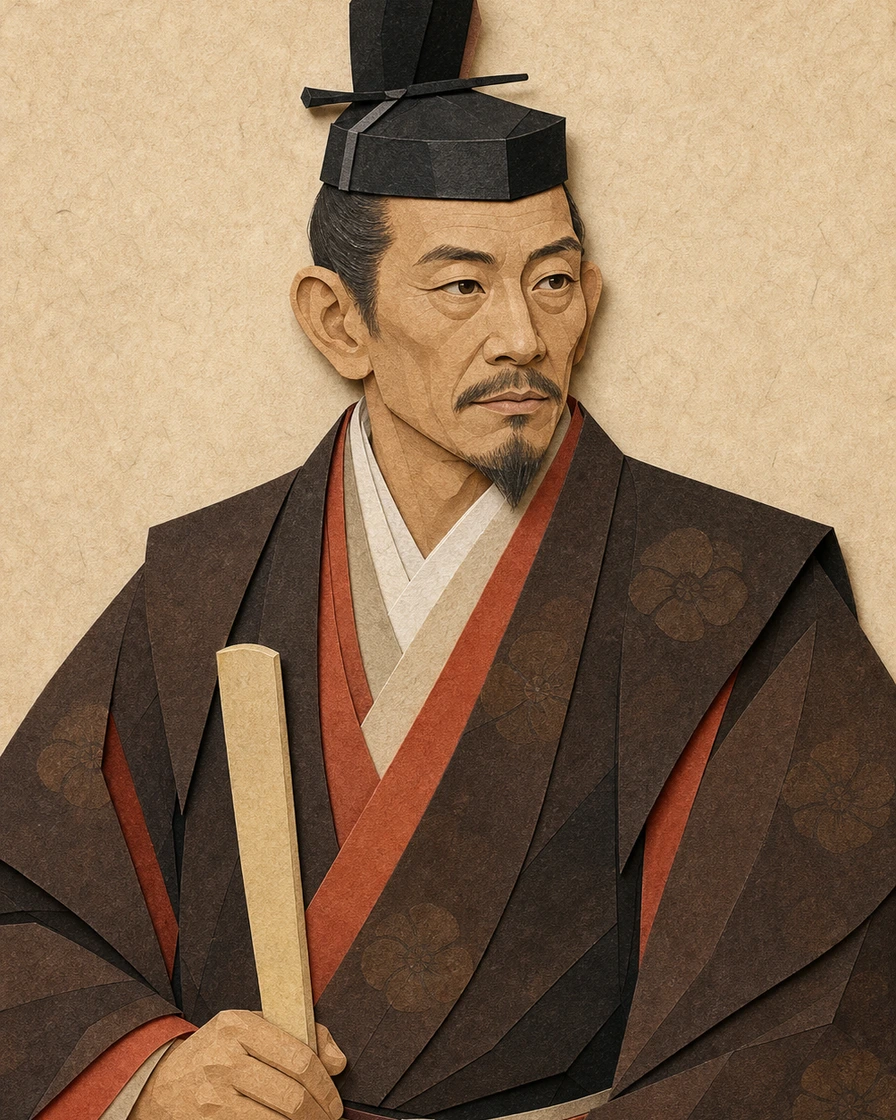
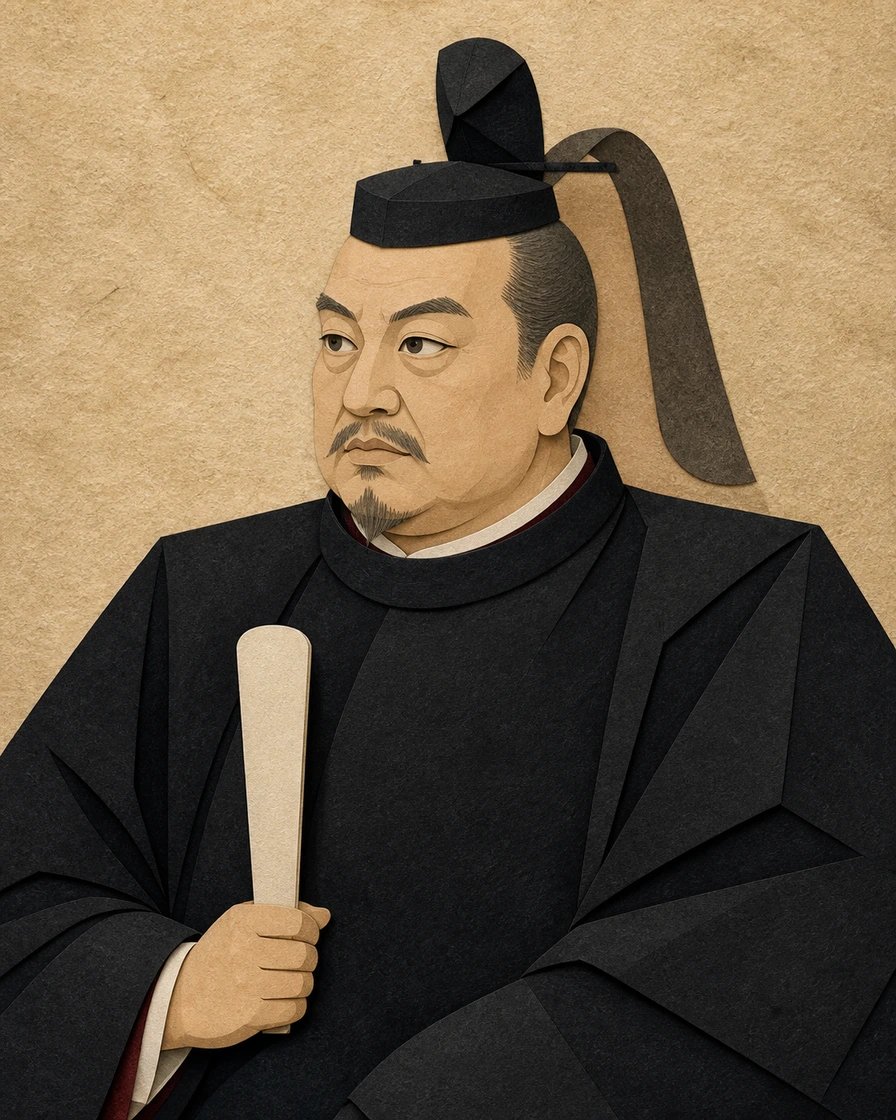
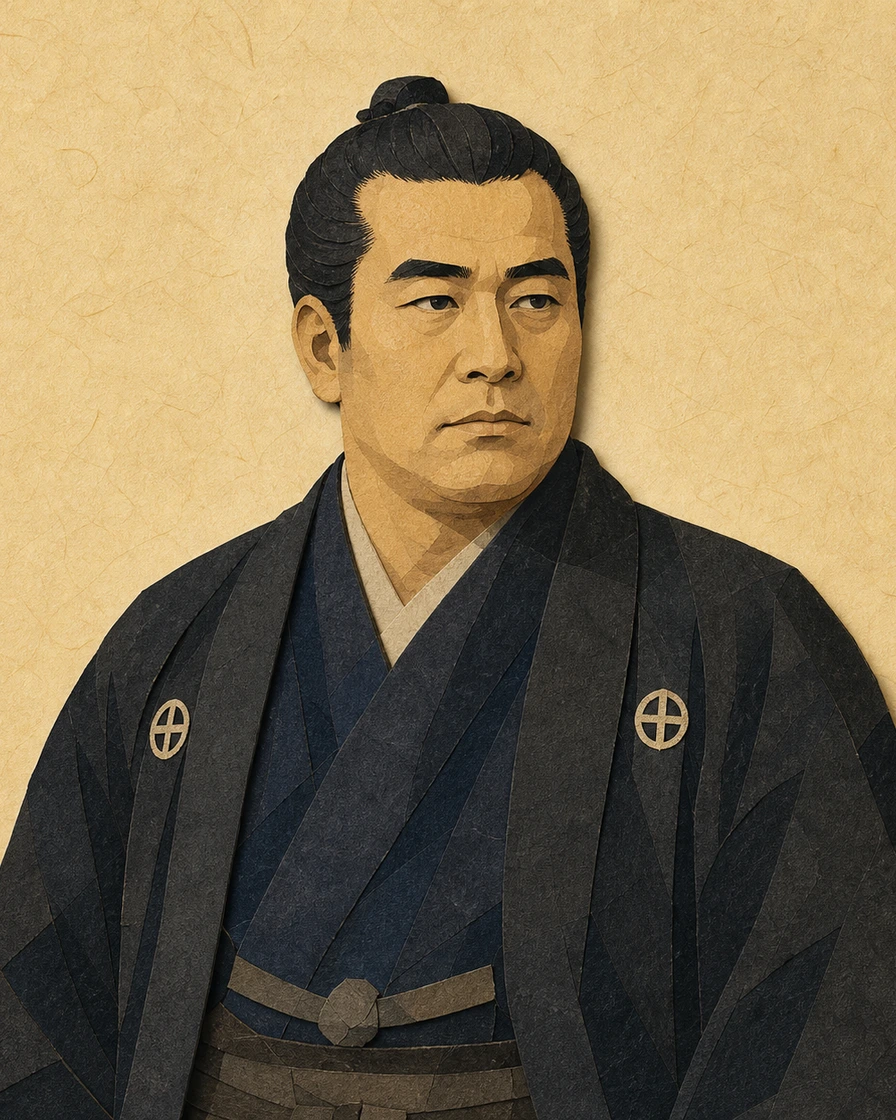
- Heian
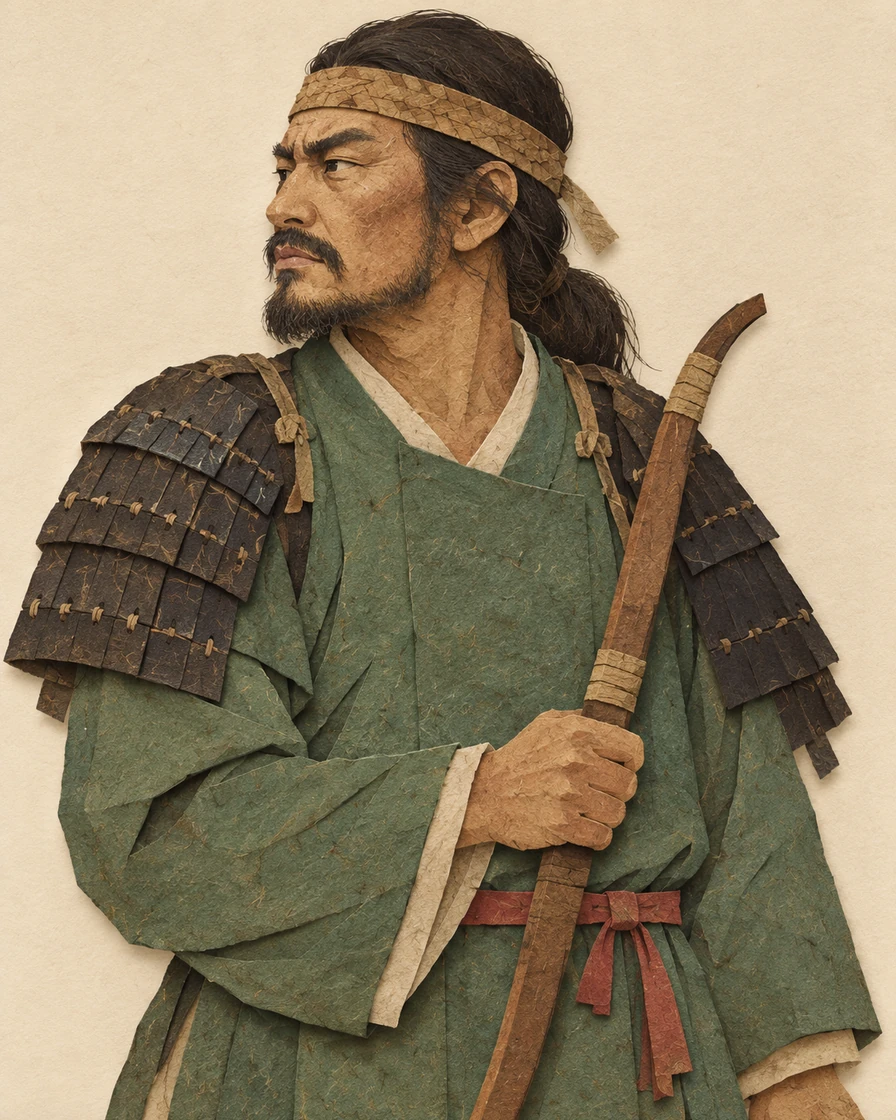
Aterui
阿弖流為(阿弖利為)
Why it mattersHis resistance to the court's northern campaigns shows that expanding royal power depended on overcoming organized regional opposition. - Kamakura
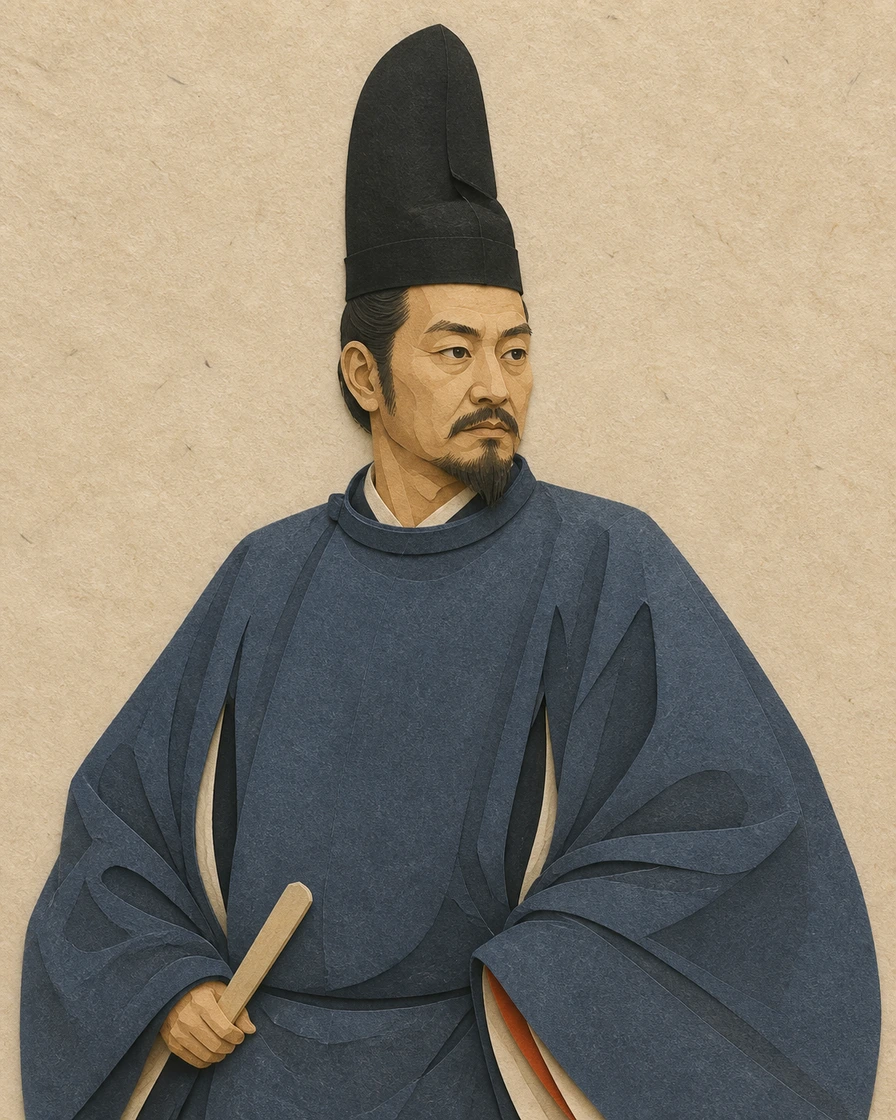
Taira no Kiyomori
平清盛
Why it mattersMilitary command, court office, maritime exchange, and marriage politics made Taira power more than a battlefield achievement. - Heian
Minamoto no Yoshitsune
源義経
Why it mattersHis campaigns helped defeat the Taira, but military achievement did not secure his position within Yoritomo's developing government. - Kamakura
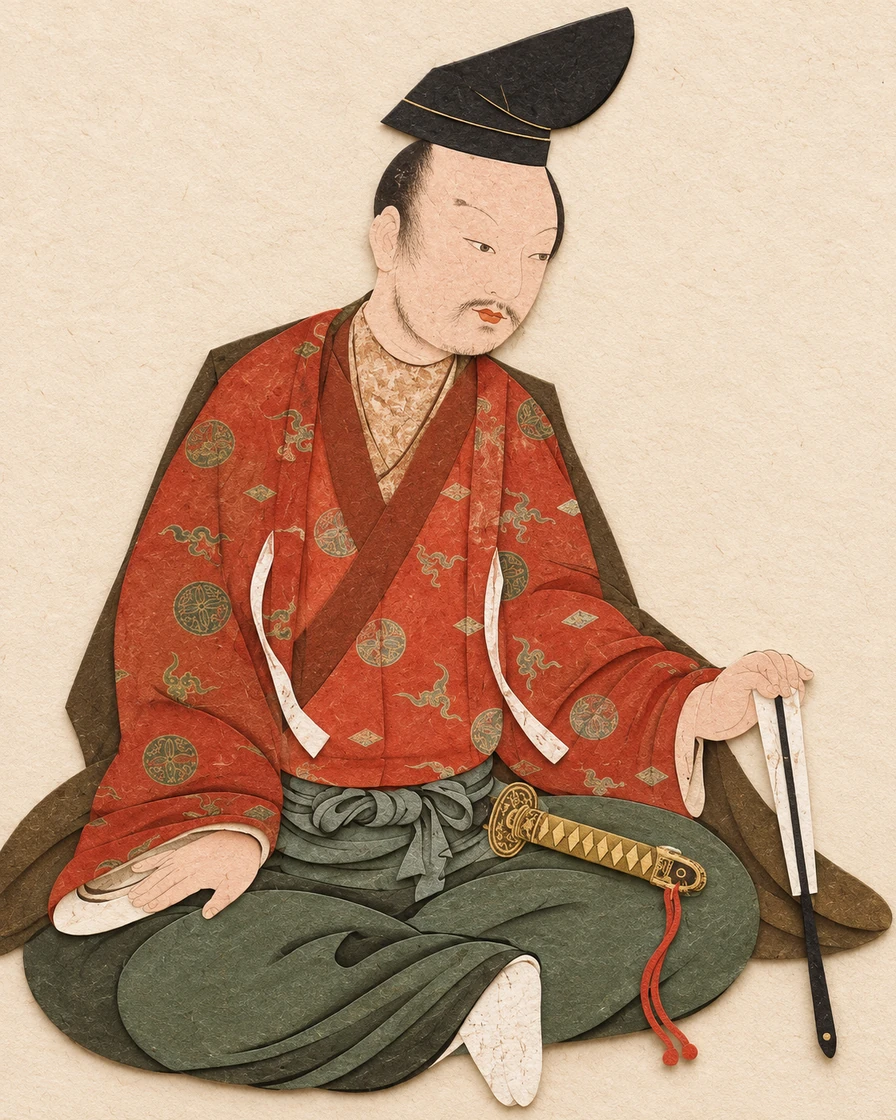
Minamoto no Yoritomo
源頼朝
Why it mattersHe joined eastern warrior coalitions, land claims, and court recognition into a government that survived its founder. - Kamakura
Hōjō Tokimune
北条時宗
Why it mattersThe Mongol invasions demanded coastal defenses and prolonged warrior service, revealing the burdens of victory without conquered land. - Muromachi
Ashikaga Takauji
足利尊氏
Why it mattersHis break with Kamakura and Go-Daigo produced an Ashikaga government whose authority remained contested inside and outside his household. - Sengoku
Oda Nobunaga
織田信長
Why it mattersHis campaigns depended on coalitions and sustained siege warfare, not simply a decisive weapon or a sequence of individual victories. - Sengoku
Toyotomi Hideyoshi
豊臣秀吉
Why it mattersSieges and campaigns combined negotiation, engineered landscapes, and coercion; the Korean invasions exposed the limits of conquest. - Sengoku
Tokugawa Ieyasu
徳川家康
Why it mattersDefeat, alliance, and territorial rebuilding preceded battlefield supremacy, showing how military power accumulated unevenly. - Meiji
Saigō Takamori
西郷隆盛
Why it mattersHis path from Restoration command to opposition exposes the conflicts within the coalition that created the central state.