

 Tokyo
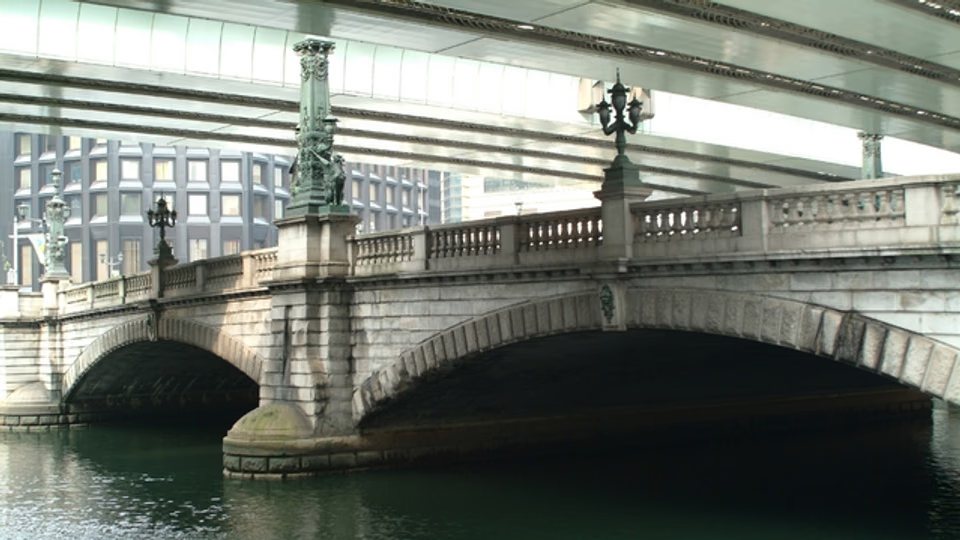
TokyoNihonbashi
日本橋
Why it mattersThe bridge connects Edo's roads, markets and circulation of goods to the everyday operation of a great city.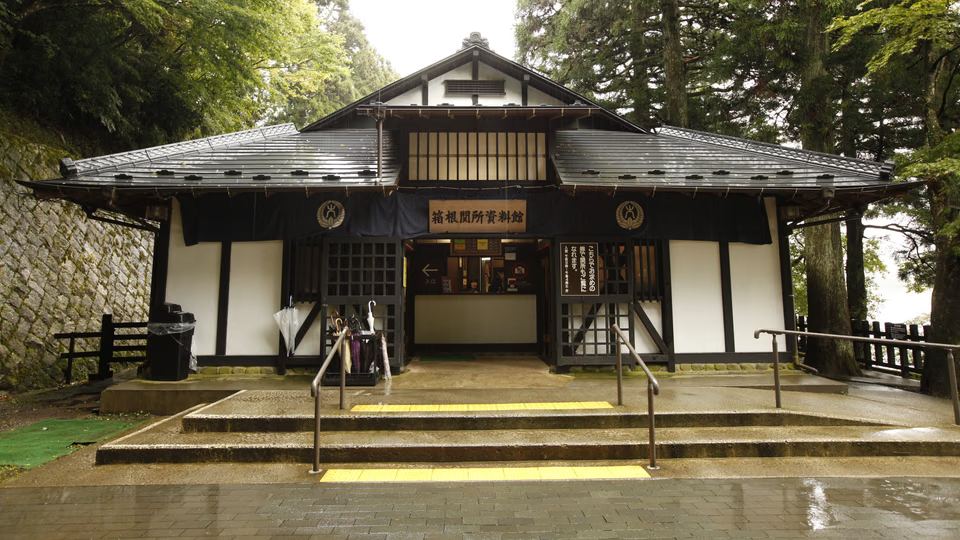 Hakone
Hakone Sekisho
箱根関所
Why it mattersThe checkpoint shows how travel was regulated along a major road linking the political centers of Edo and Kyoto.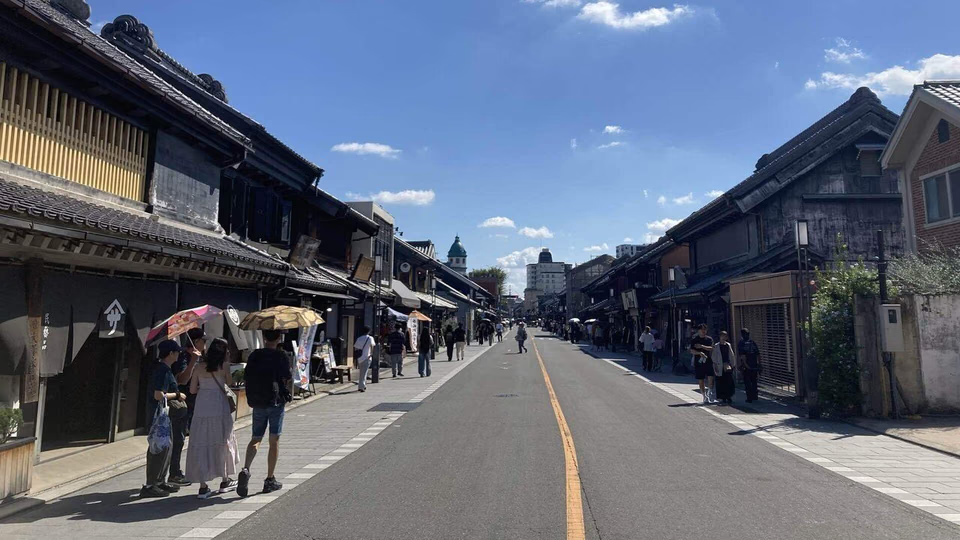 Kawagoe
Kawagoe
川越
Why it mattersThe merchant town reveals commercial life beyond the capital and the built forms left by trade and rebuilding.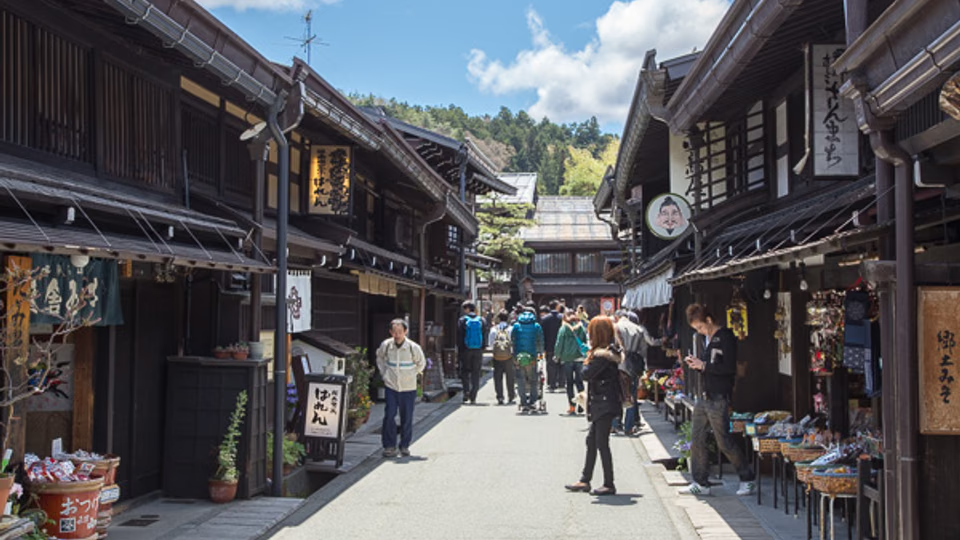 Takayama
Takayama Old Town
高山古い町並
Why it mattersTakayama connects castle-town organization with merchant households, local production and regional exchange.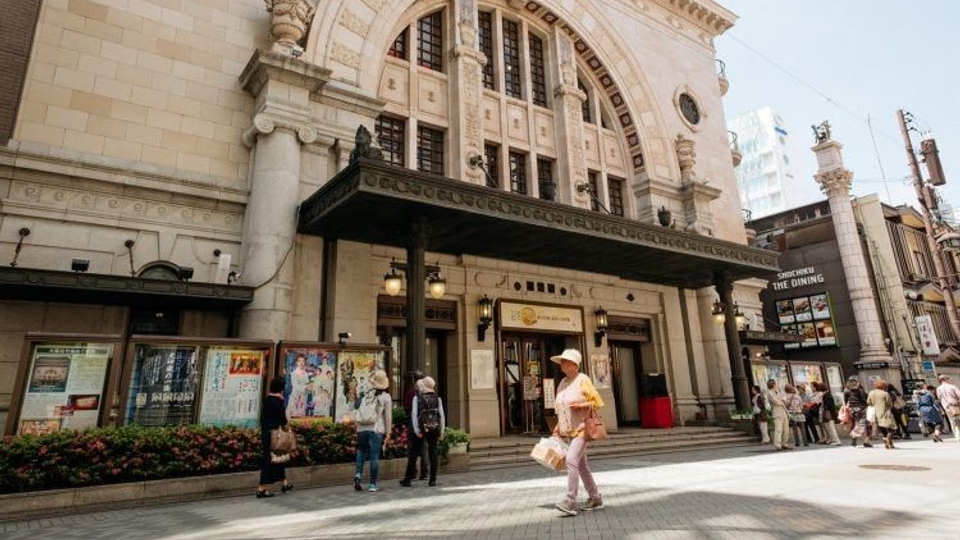 Osaka
OsakaDōtonbori Theater History Area
道頓堀の芝居町
Why it mattersThe theater district brings performance, commercial audiences and urban leisure into the history of Osaka.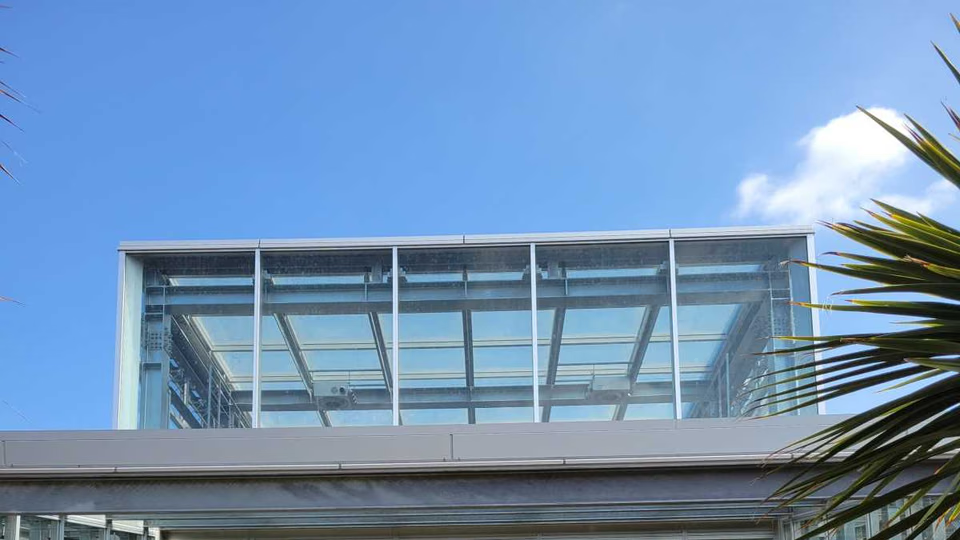 Tokyo
TokyoKoishikawa Yōjōsho–Koishikawa Botanical Garden
小石川養生所跡・小石川植物園
Why it mattersThe former care institution links practical medicine and assistance for poor patients to Edo government.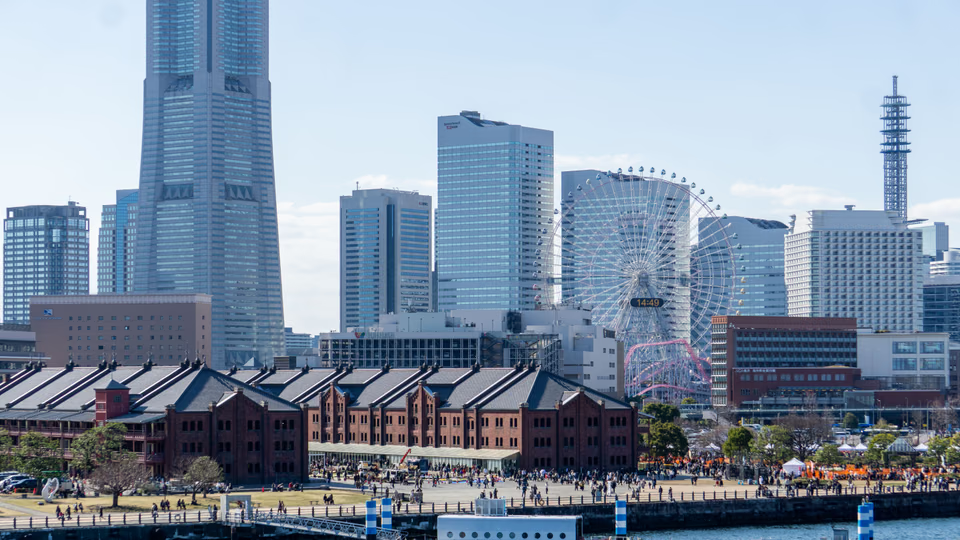 Yokohama
Yokohama Port-Opening Historic Area
横浜開港歴史エリア
Why it mattersThe treaty port brings foreign settlement, commerce and changing urban life into the history of Japan's opening.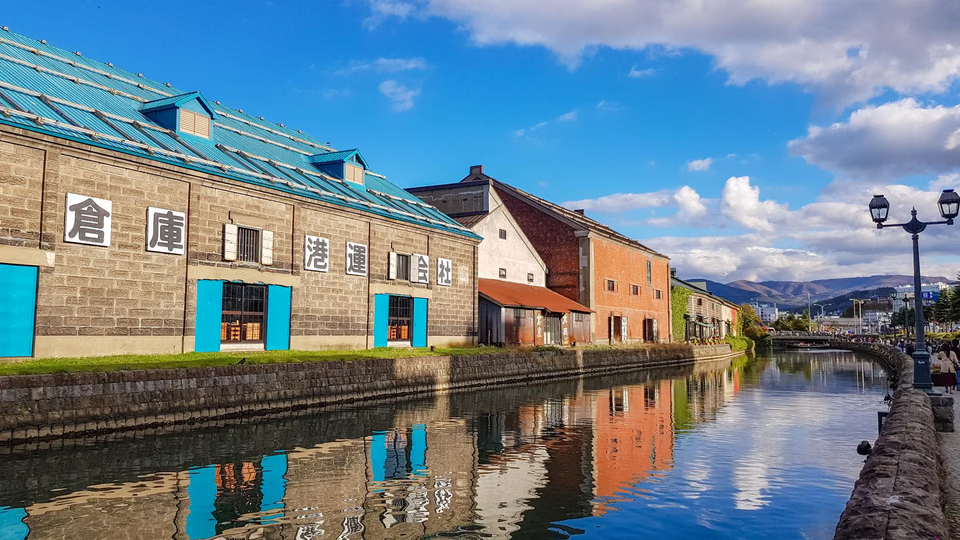 Otaru
OtaruOtaru Port–Rail–Warehouse Historic Area
小樽港・鉄道・倉庫歴史エリア
Why it mattersThe connected harbor, railway and warehouses show how transport and commodity flows linked Hokkaidō's economy to wider markets.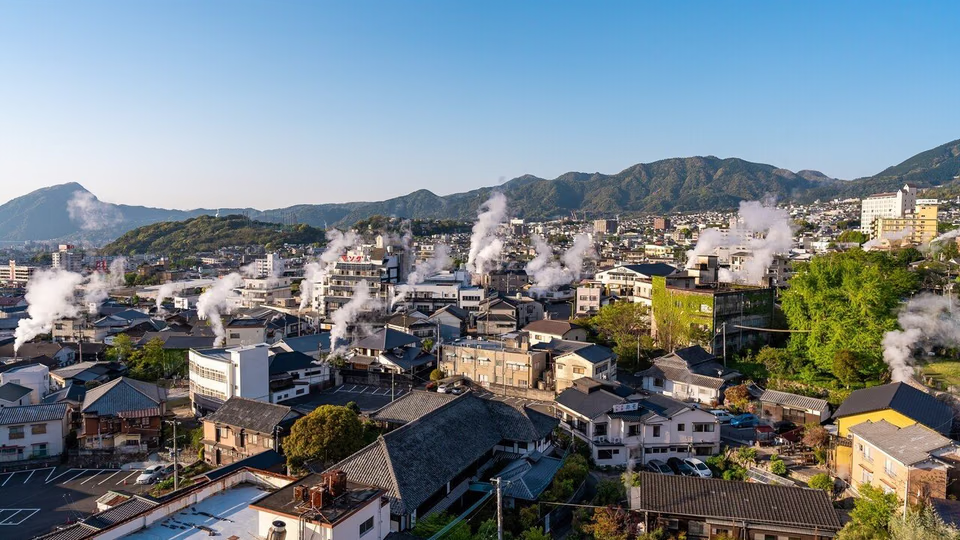 Beppu
BeppuBeppu Onsen and the Hot-Spring City
別府温泉都市史
Why it mattersThe hot-spring city shows how local resources, travel and changing forms of hospitality sustained urban livelihoods.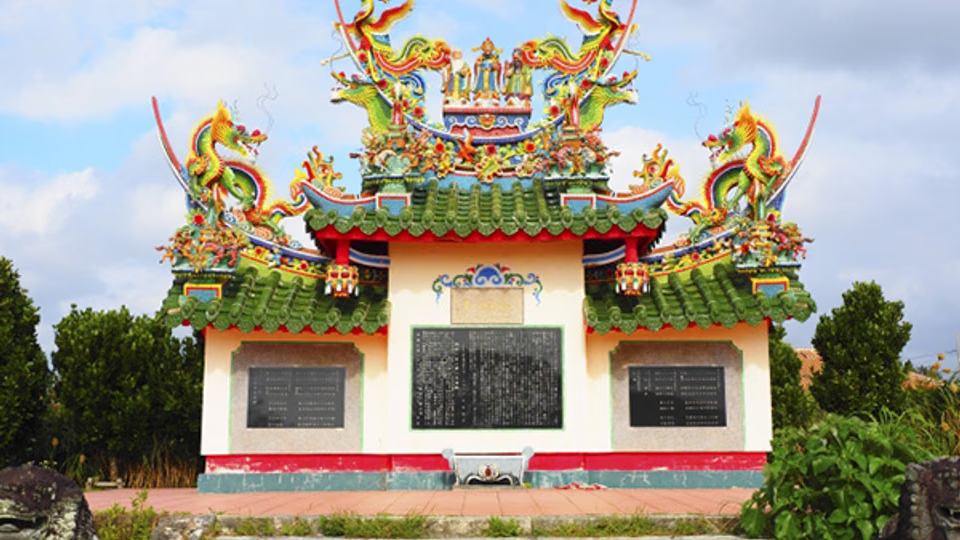 Yaeyama
Yaeyama Historical Systems
八重山歴史システム
Why it mattersYaeyama's distinct regional institutions and livelihoods show why integration into Ryukyuan and Japanese government did not erase local differences.