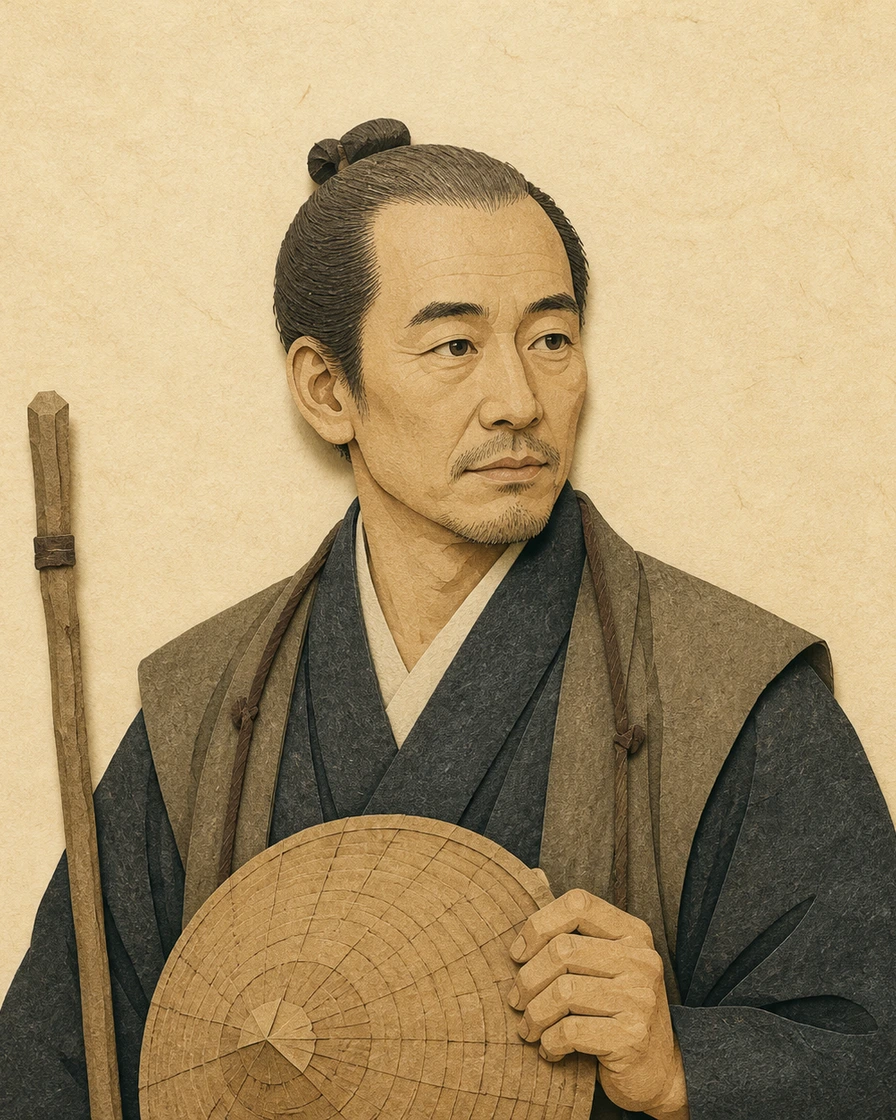
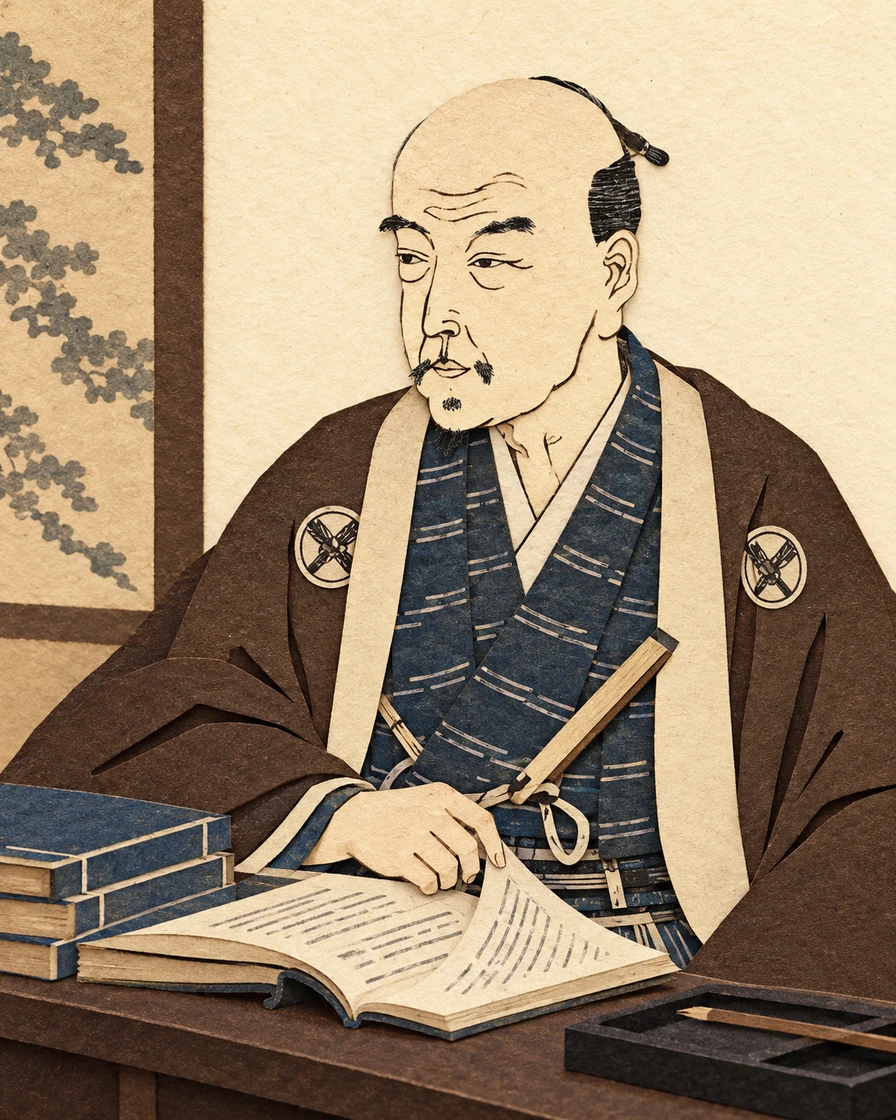
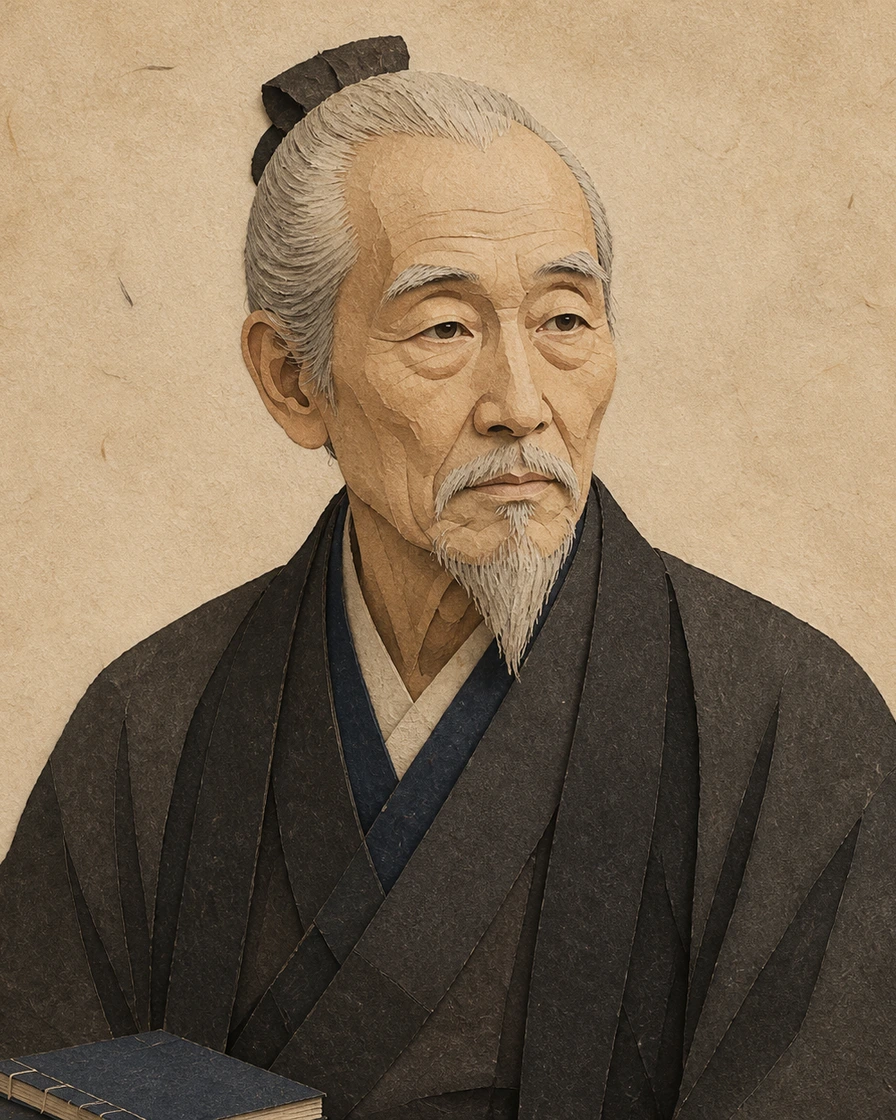
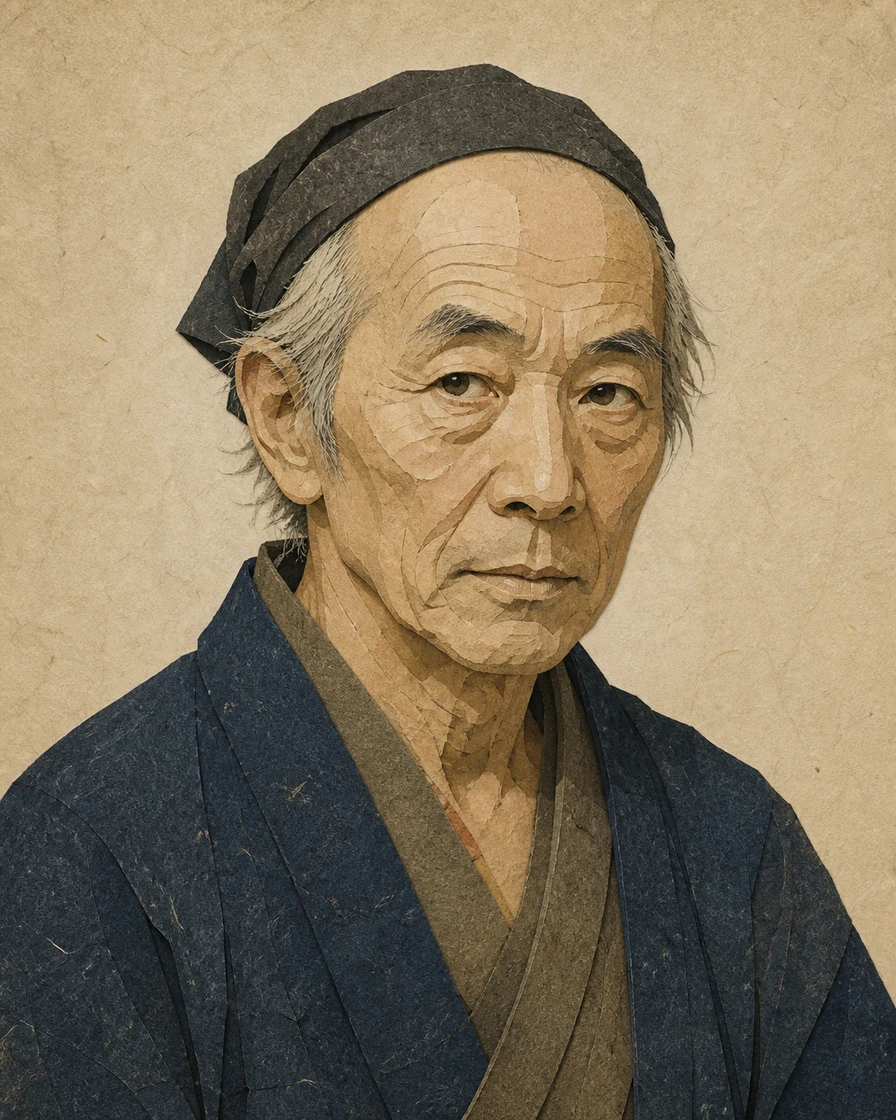
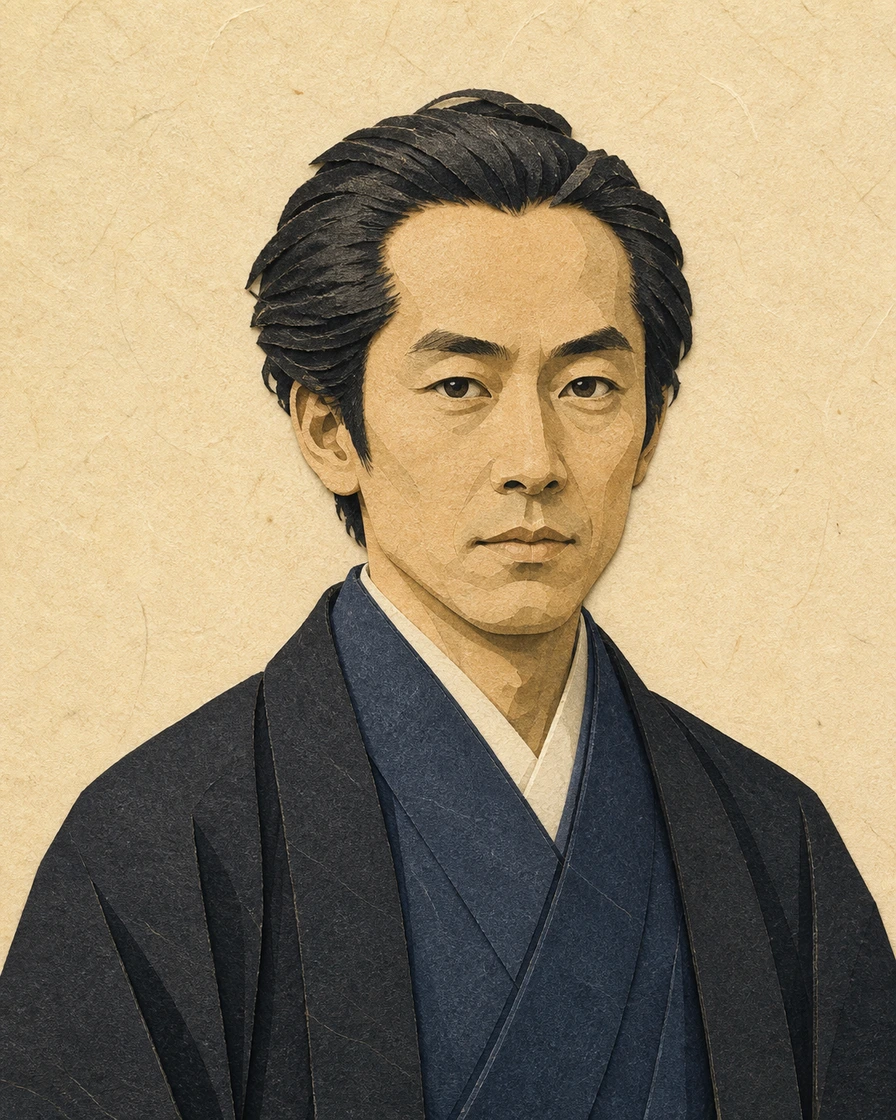
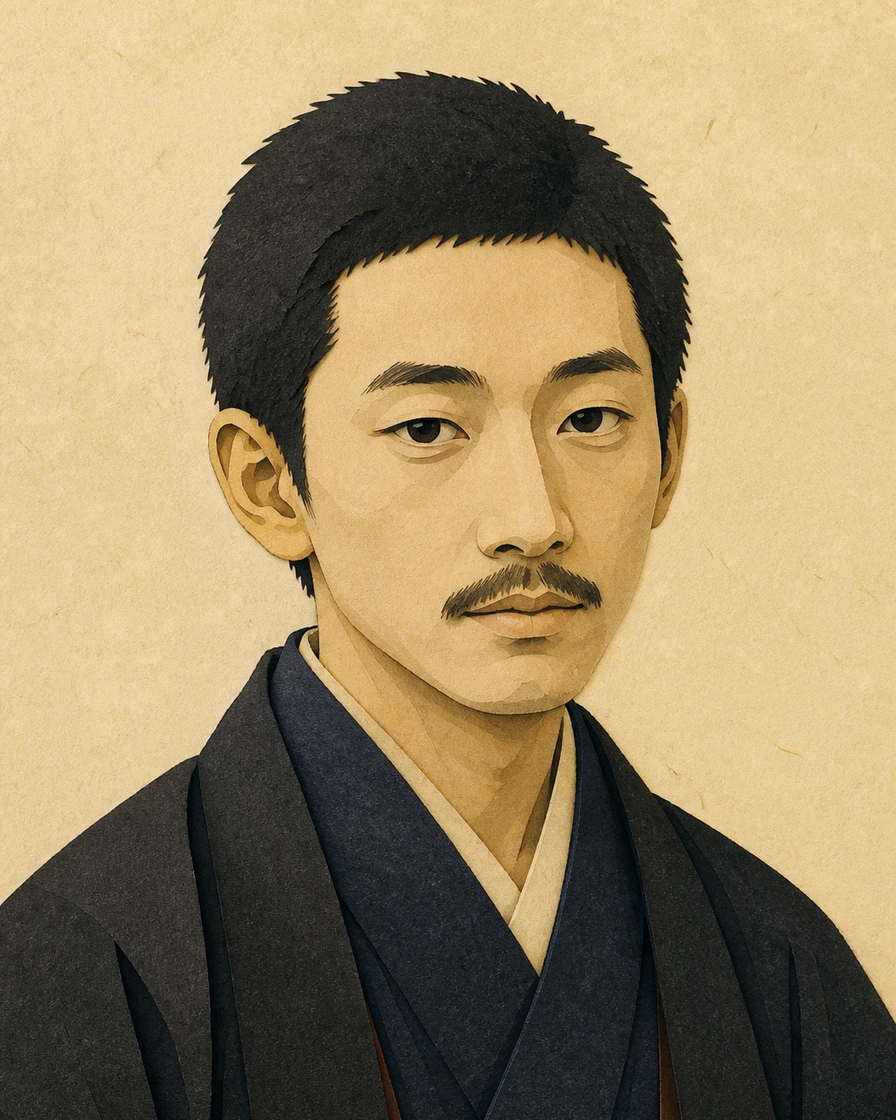
- Heian
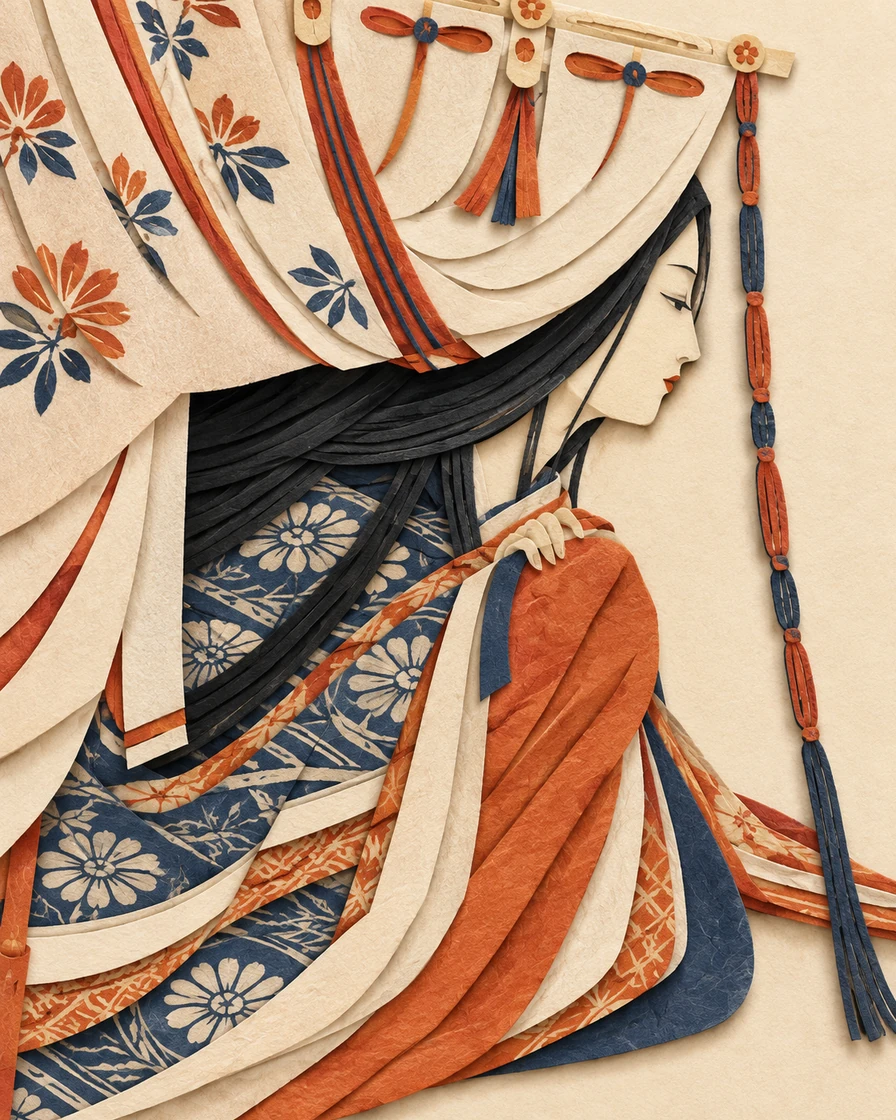
Sei Shōnagon
清少納言
Why it mattersThe Pillow Book turned observation, lists and court conversation in Teishi's household into a lasting literary form. - Heian
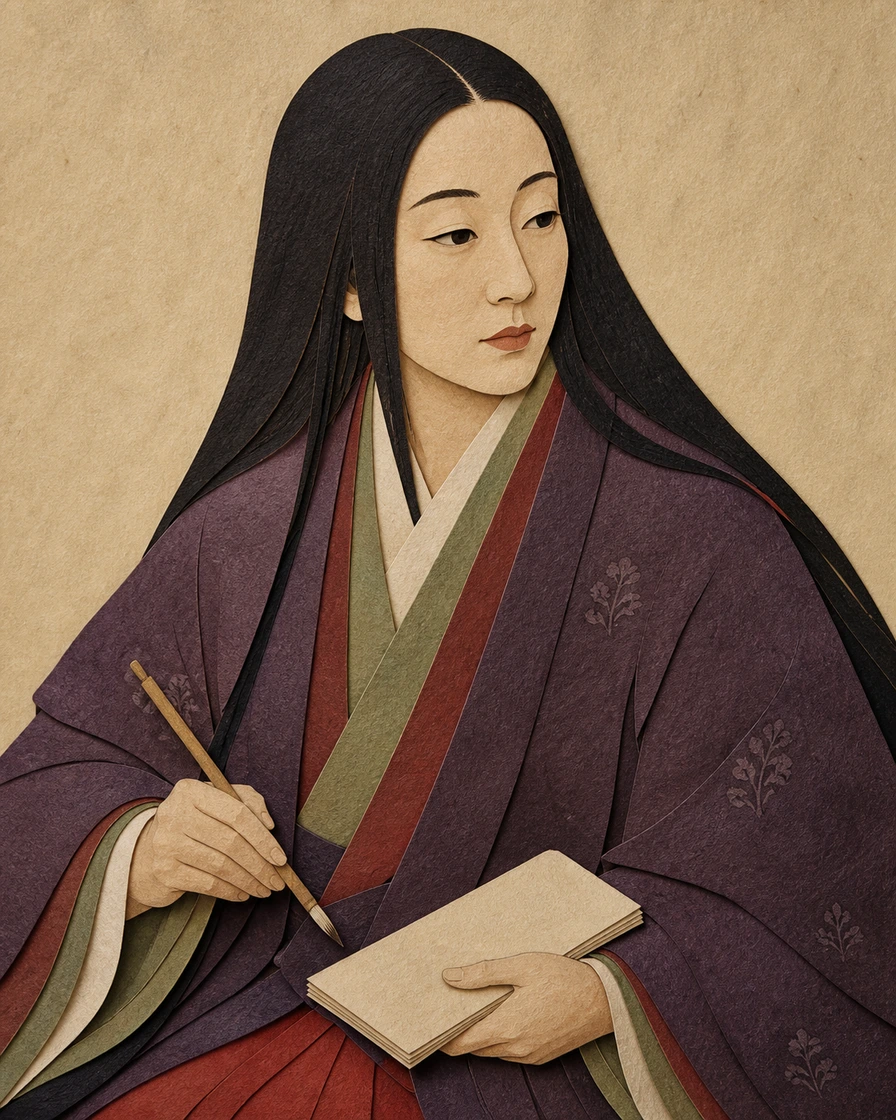
Murasaki Shikibu
紫式部
Why it mattersHer fiction and diary illuminate court society as crafted, situated writing—not a transparent transcript of aristocratic life. - Muromachi
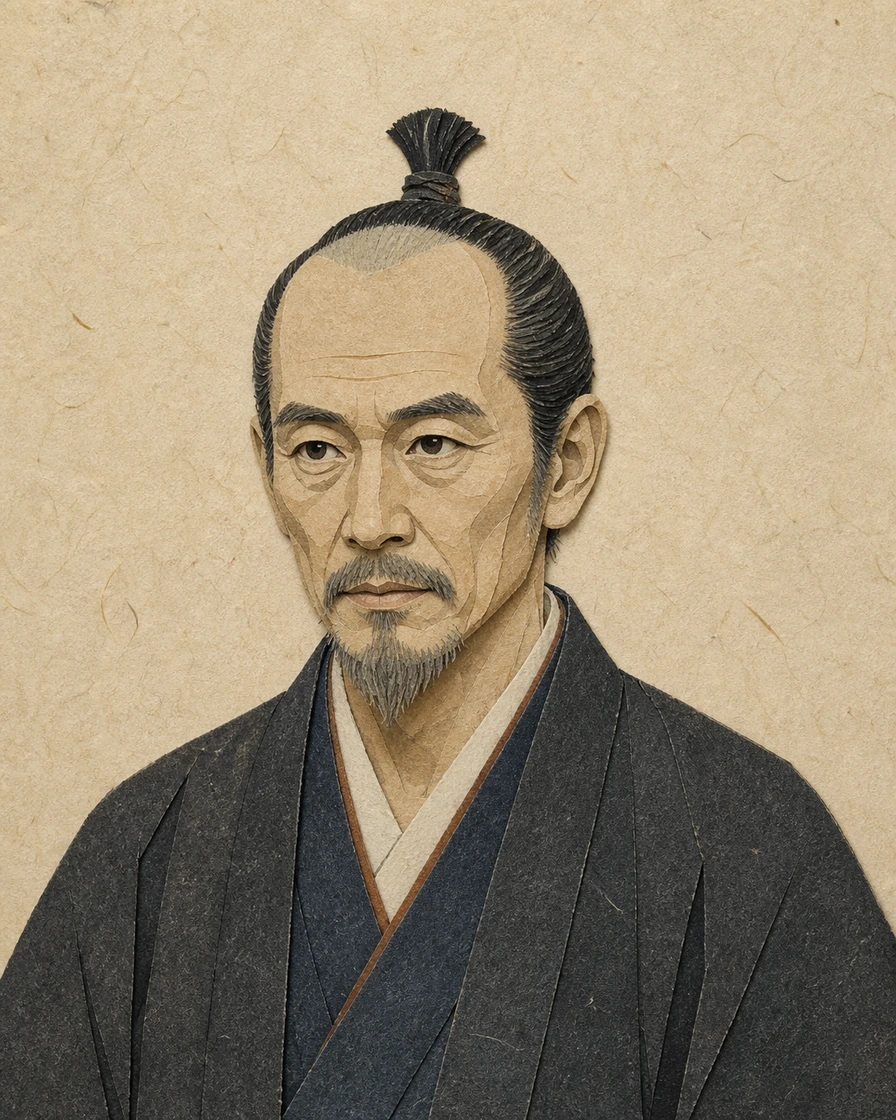
Zeami
世阿弥
Why it mattersPerformance, written transmission, troupe succession, and changing patronage made Noh a durable artistic practice. - Sengoku
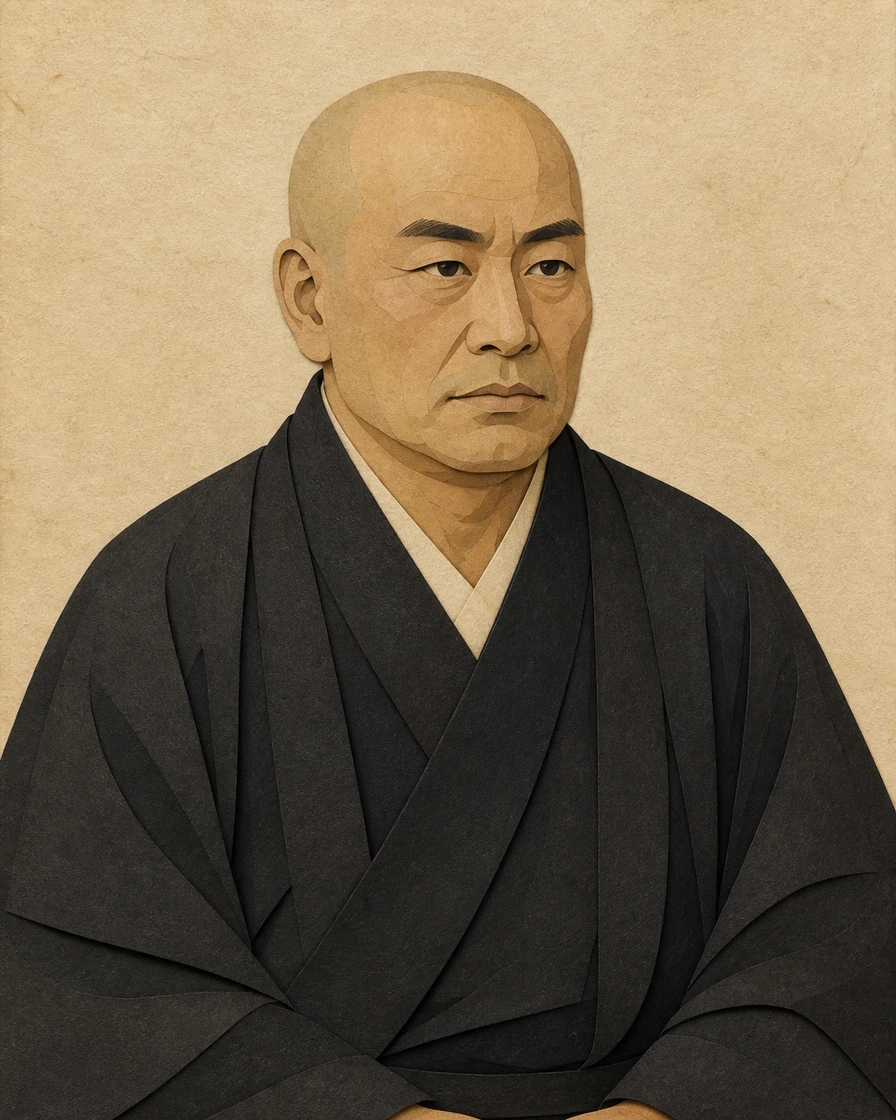
Sen no Rikyū
千利休
Why it mattersTea linked collaborative design and the production of value to the political systems of Nobunaga and Hideyoshi. - Edo
Matsuo Bashō
松尾芭蕉
Why it mattersJourneys, literary networks, and revision transformed encountered landscapes into an influential poetic geography. - Edo
Ogyū Sorai
荻生徂徠
Why it mattersHis study of ancient language challenged inherited interpretations of Confucian government and informed proposals for institutional reform. - Edo
Sugita Genpaku
杉田玄白
Why it mattersCollaborative translation and anatomical study built new channels of knowledge, including errors, corrections, and unequal credit. - Edo
Katsushika Hokusai
葛飾北斎
Why it mattersPrints of landscape and everyday life depended on publishers, collaborators, traded pigments, and a changing market for images. - Meiji
Fukuzawa Yukichi
福澤諭吉
Why it mattersTravel, publishing, education, and journalism broadened public argument while exposing tensions between enlightenment and empire. - Meiji
Masaoka Shiki
正岡子規
Why it mattersNewspapers, observation, literary groups, and sickroom writing made poetic reform a reproducible public practice.