

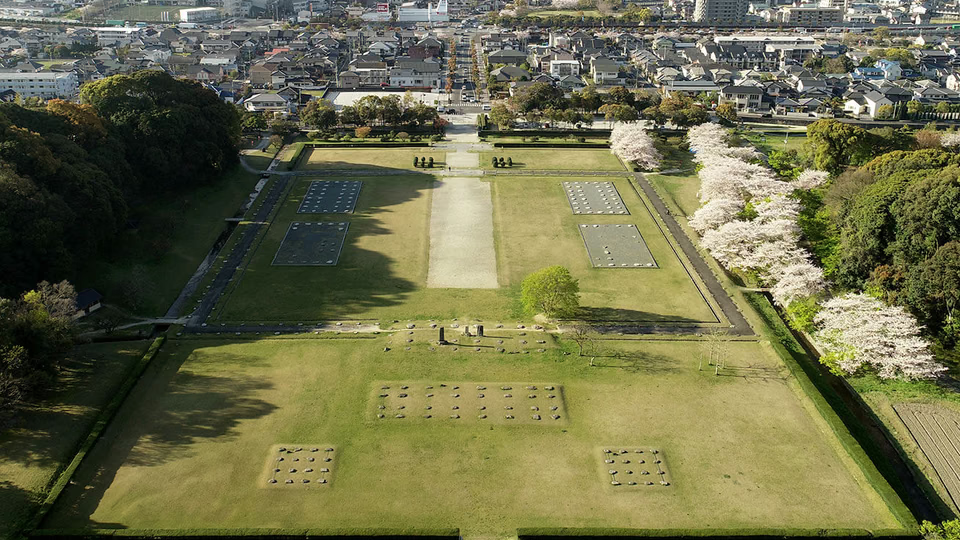
 Dazaifu
Dazaifu Government Office Ruins
大宰府政庁跡
Why it mattersThe administrative site places diplomacy, defense and regional government at Japan's southwestern approaches.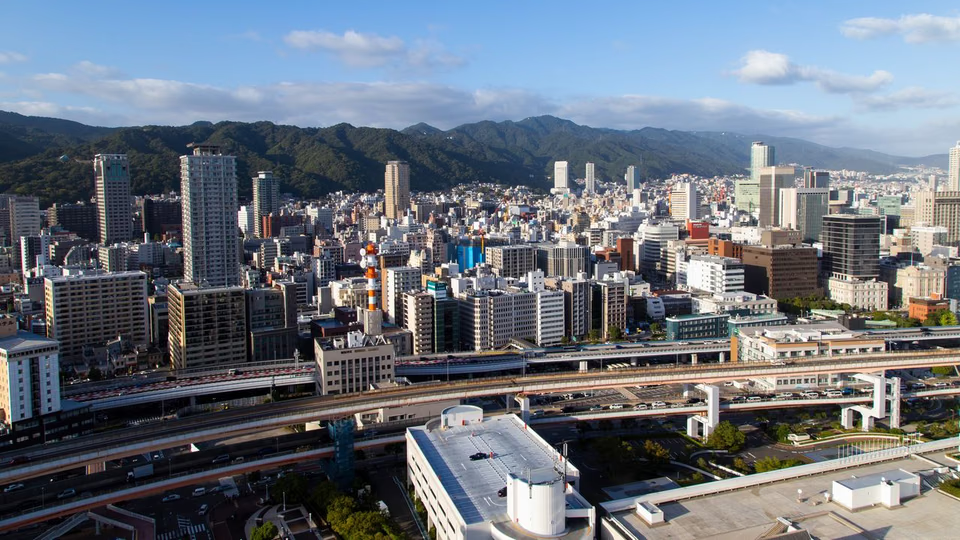 Kobe
KobeOwada-no-tomari and Kobe Port
大輪田泊から神戸港へ
Why it mattersThe port connects medieval maritime ambitions with later treaty-port commerce and urban transformation.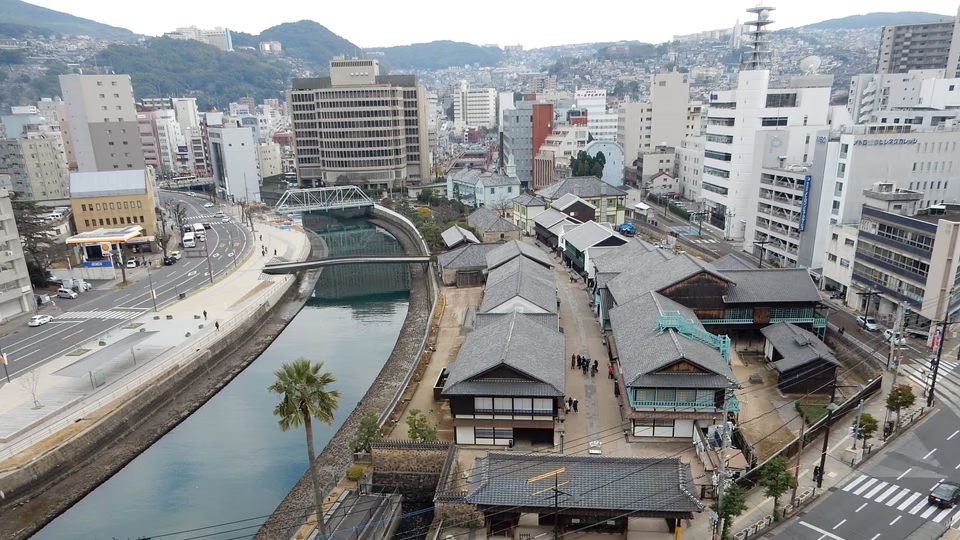 Nagasaki
Dejima
出島
Why it mattersThe trading post shows controlled overseas exchange operating within Tokugawa restrictions rather than an entirely closed country.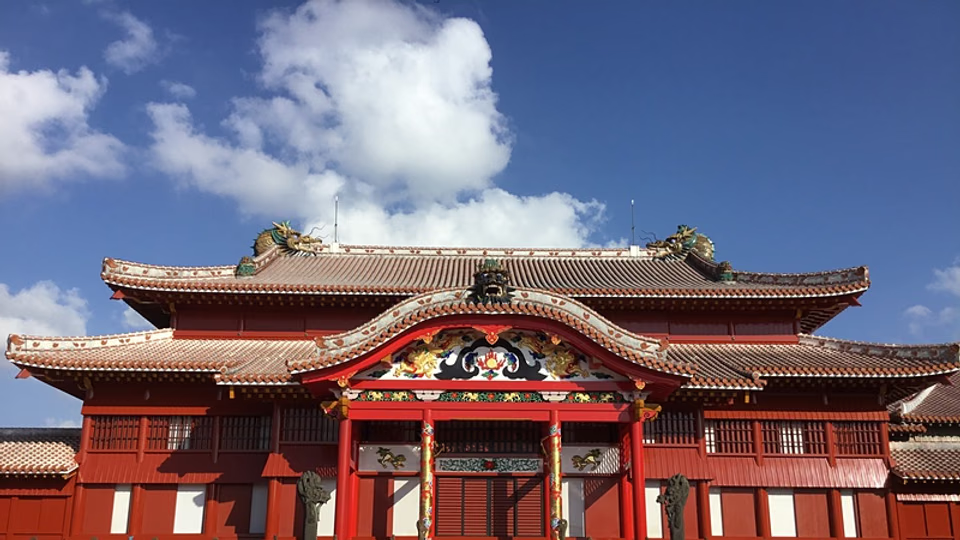 Naha
NahaShuri Castle
首里城
Why it mattersShuri was the center of Ryukyuan kingship, whose diplomacy and later subordination complicate a history told only from Japan's main islands.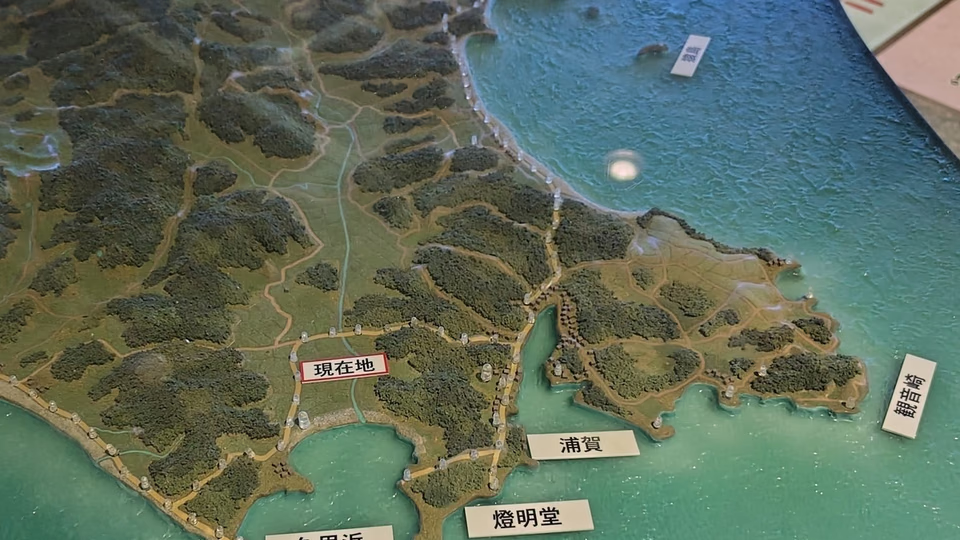 Yokosuka
Uraga and Kurihama
浦賀・久里浜
Why it mattersThe coastal sites locate Perry's arrival within the shogunate's difficult choices over defense, consultation and diplomacy.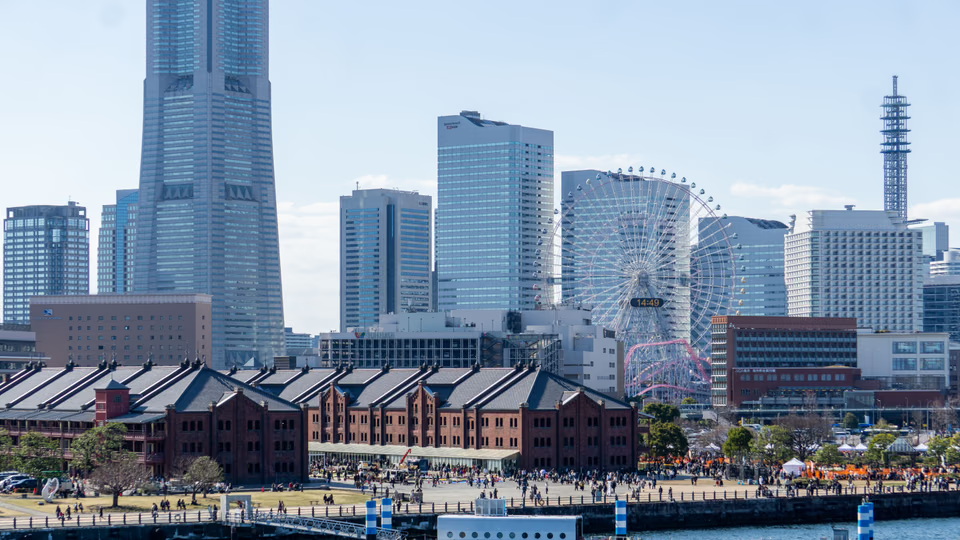 Yokohama
Yokohama Port-Opening Historic Area
横浜開港歴史エリア
Why it mattersThe treaty port brings foreign settlement, commerce and changing urban life into the history of Japan's opening.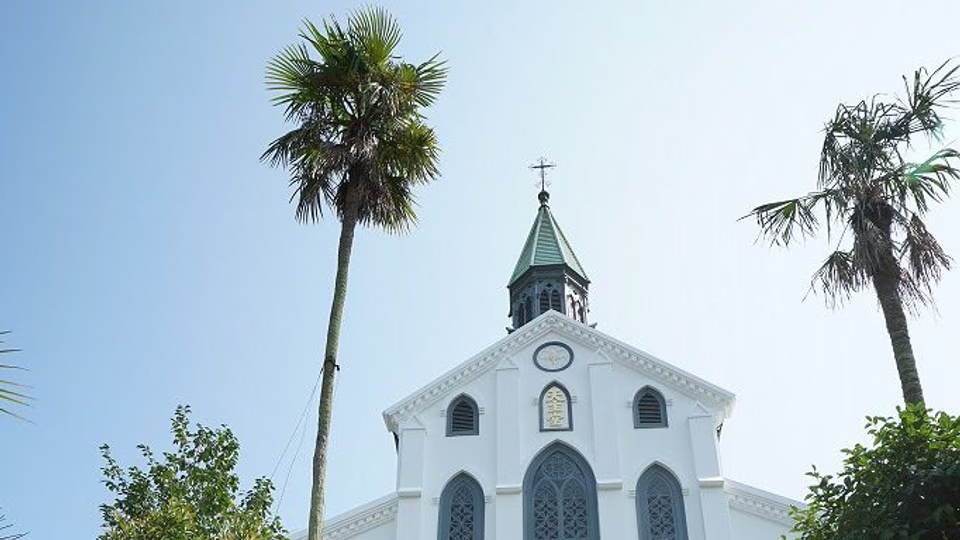 Nagasaki
Ōura Cathedral and Minamiyamate Foreign Settlement
大浦天主堂・南山手の外国人居留地
Why it mattersThe cathedral and settlement connect renewed overseas residence with the history of Christianity in Nagasaki.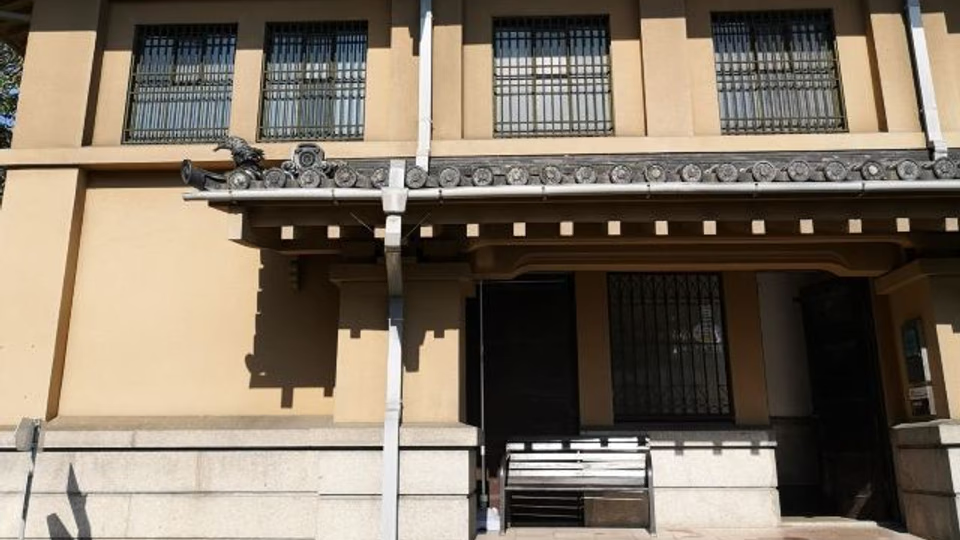 Shimonoseki
Shunpūrō and the Sino-Japanese Peace Memorial Hall
春帆楼・日清講和記念館
Why it mattersThe negotiation site links the end of the Sino-Japanese War to the territorial and diplomatic consequences of its treaty.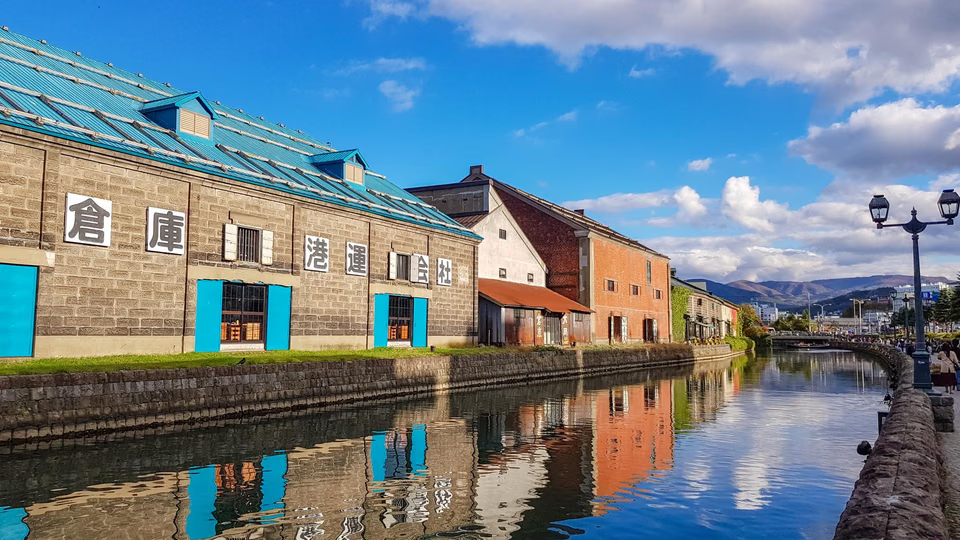 Otaru
OtaruOtaru Port–Rail–Warehouse Historic Area
小樽港・鉄道・倉庫歴史エリア
Why it mattersThe connected harbor, railway and warehouses show how transport and commodity flows linked Hokkaidō's economy to wider markets.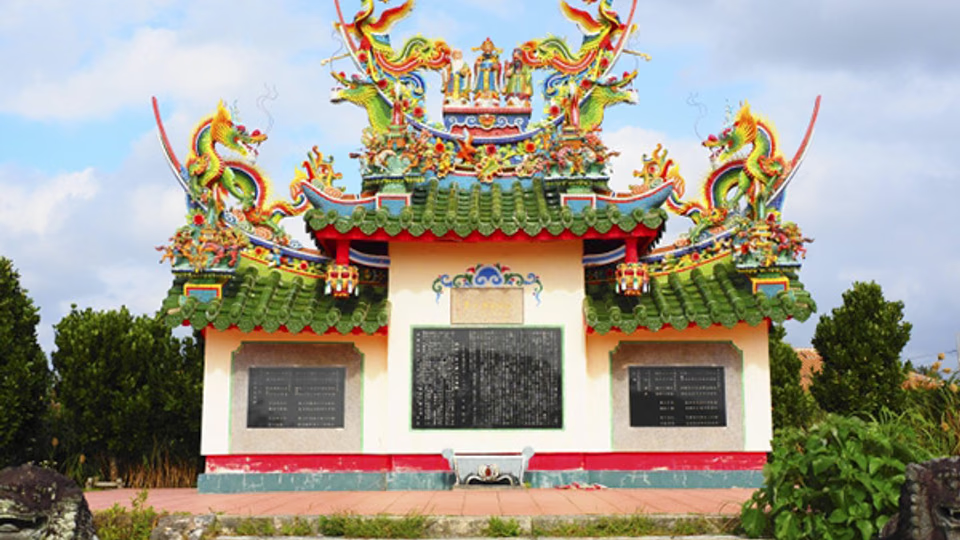 Yaeyama
Yaeyama Historical Systems
八重山歴史システム
Why it mattersYaeyama's distinct regional institutions and livelihoods show why integration into Ryukyuan and Japanese government did not erase local differences.