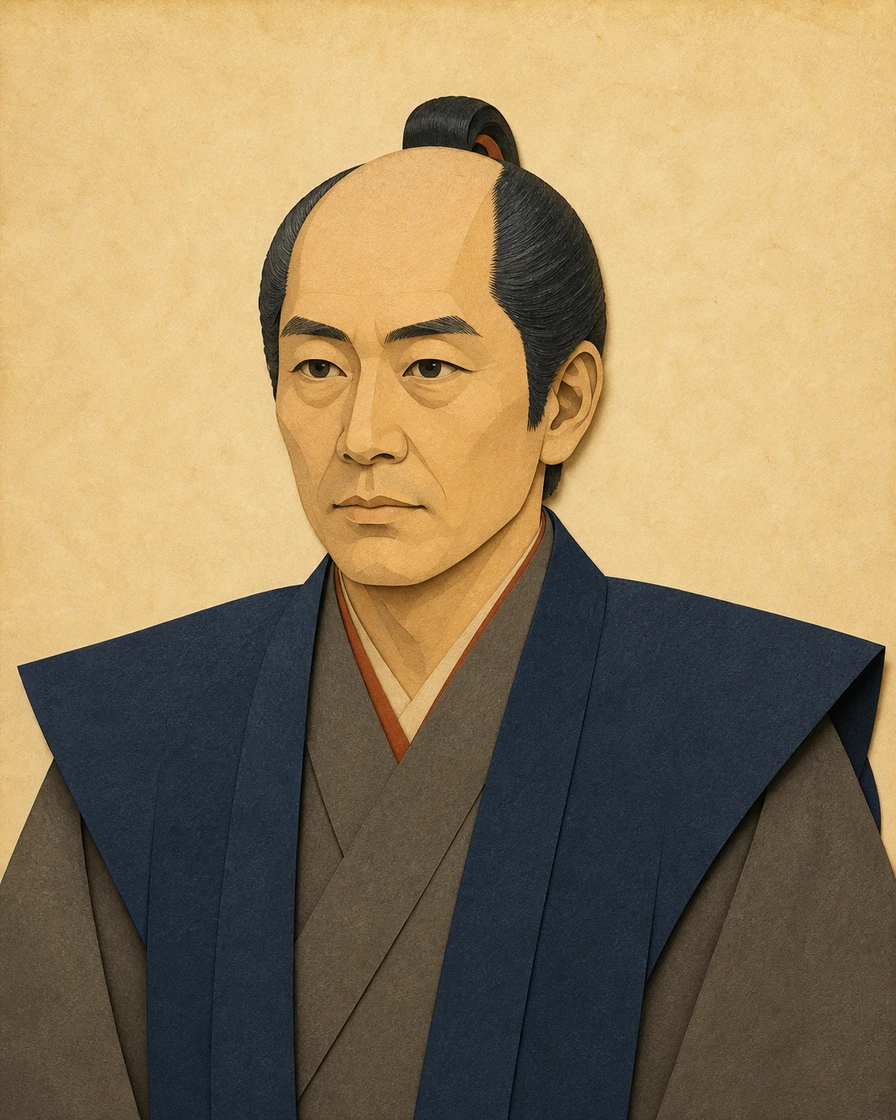
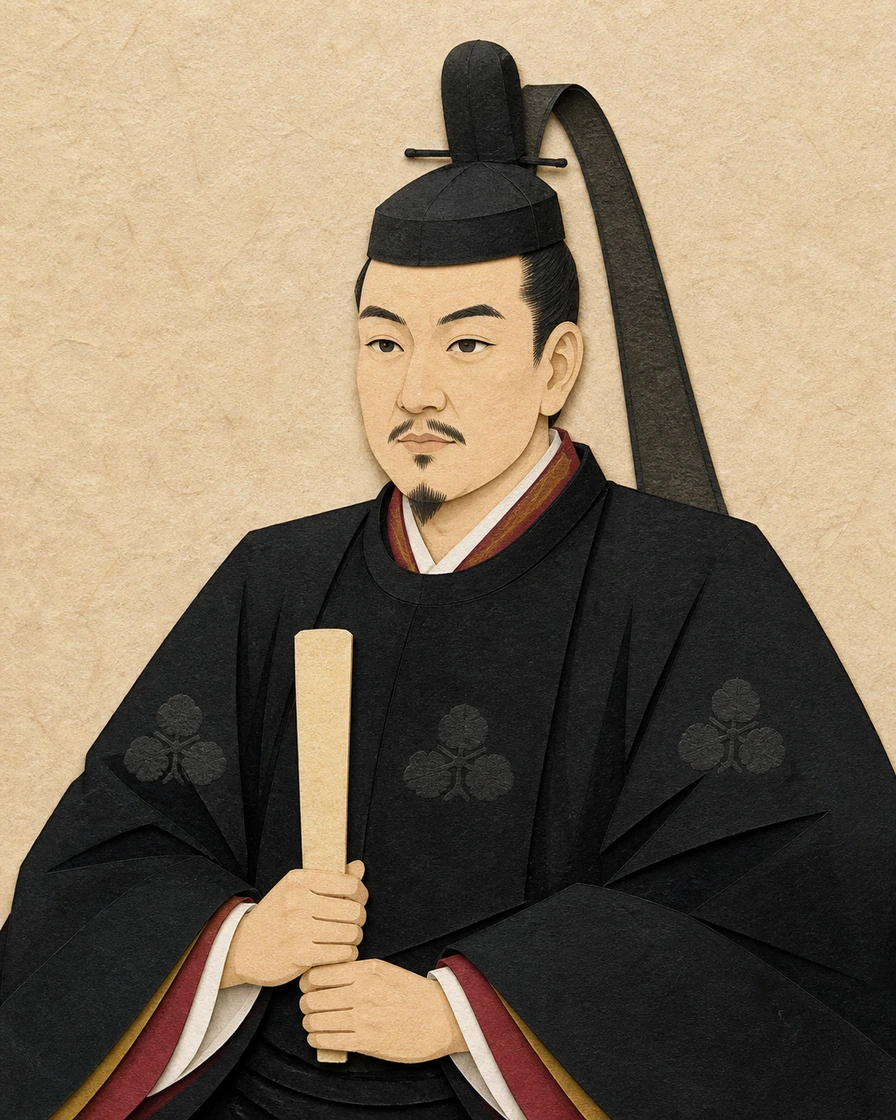
- Nara
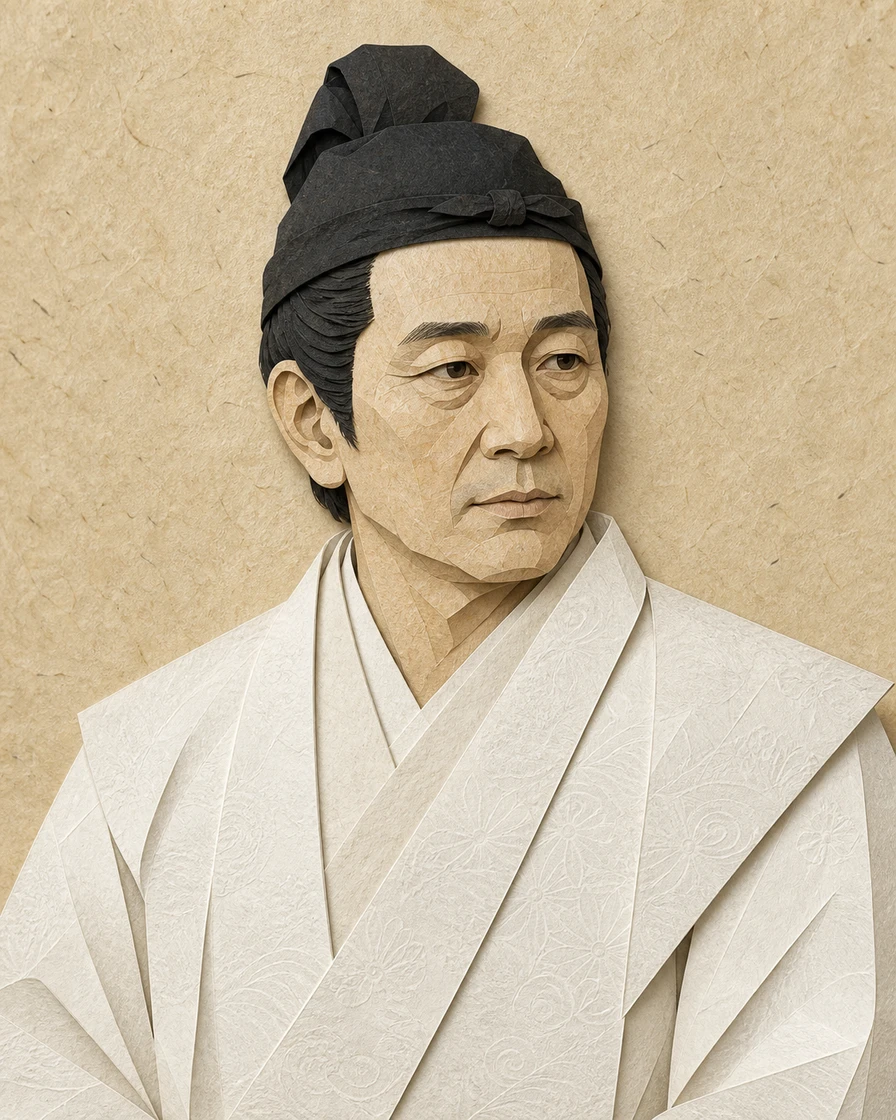
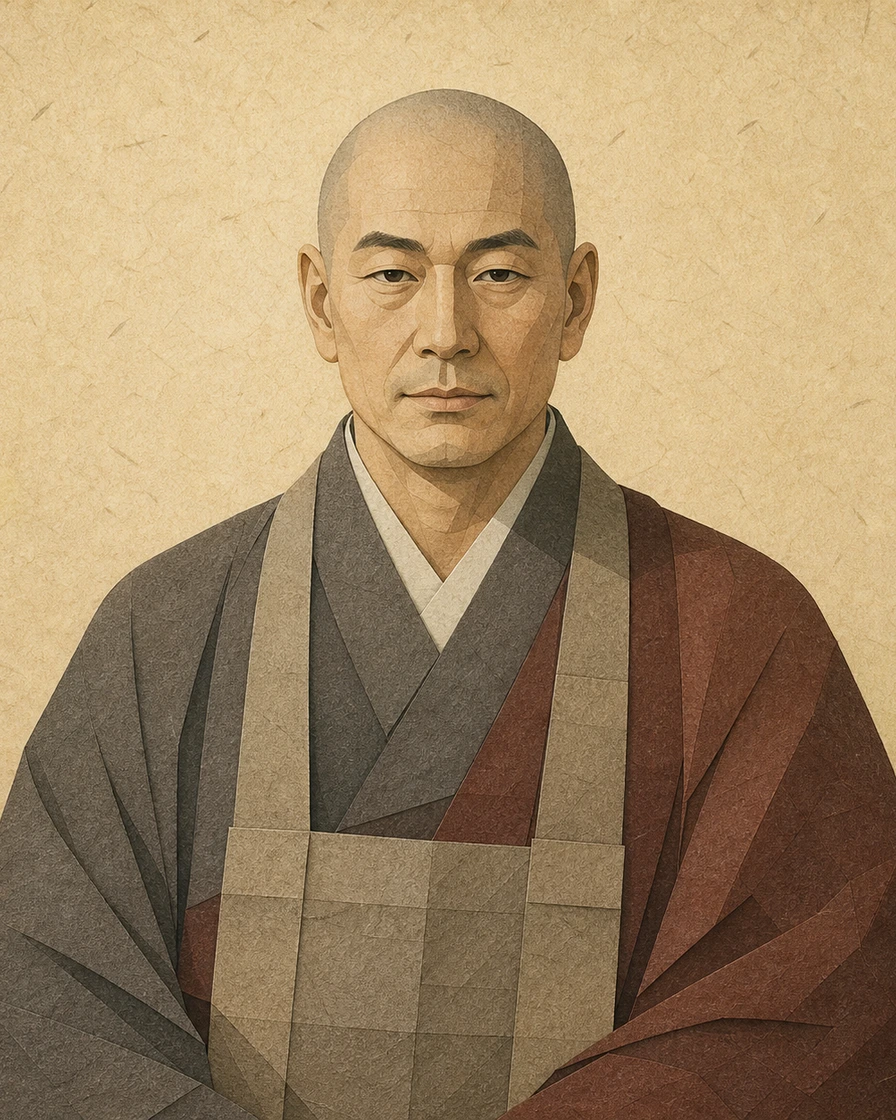
Emperor Shōmu
聖武天皇
Why it mattersImperial support for the Great Buddha and provincial temples tied construction to the reach of government. - Nara
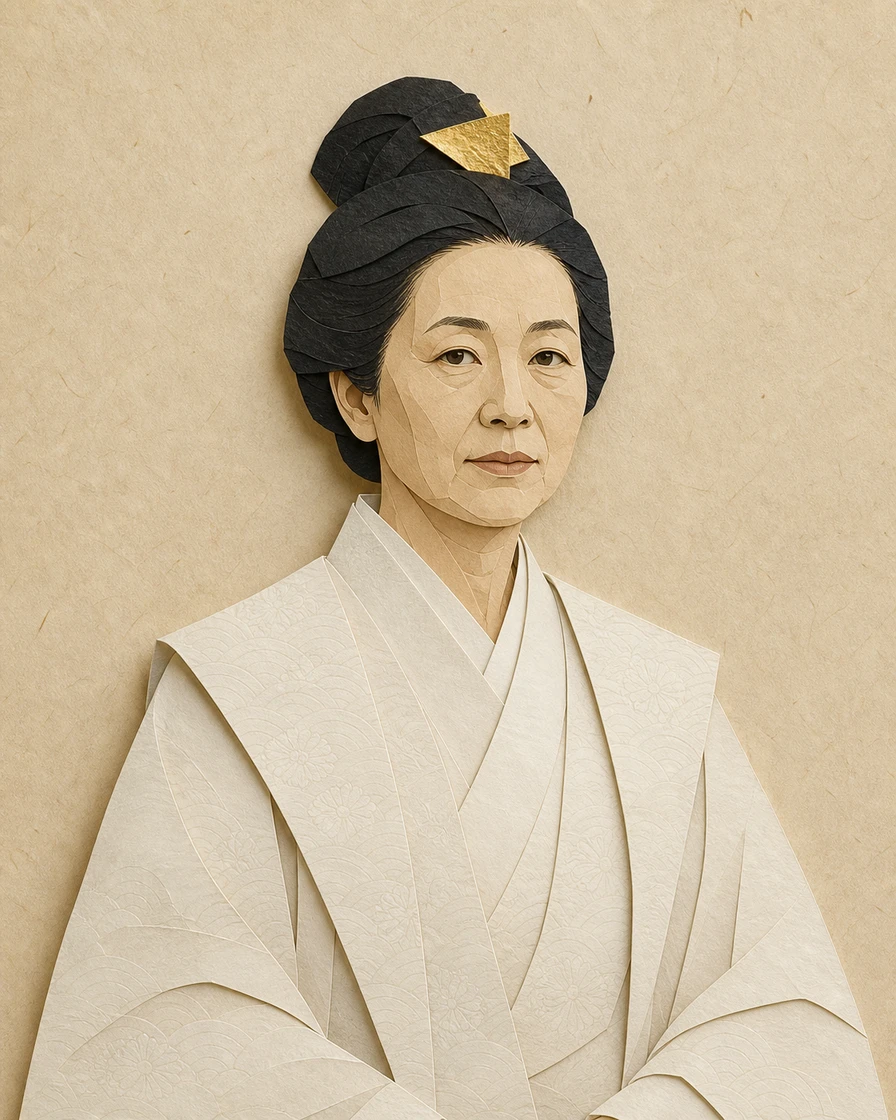
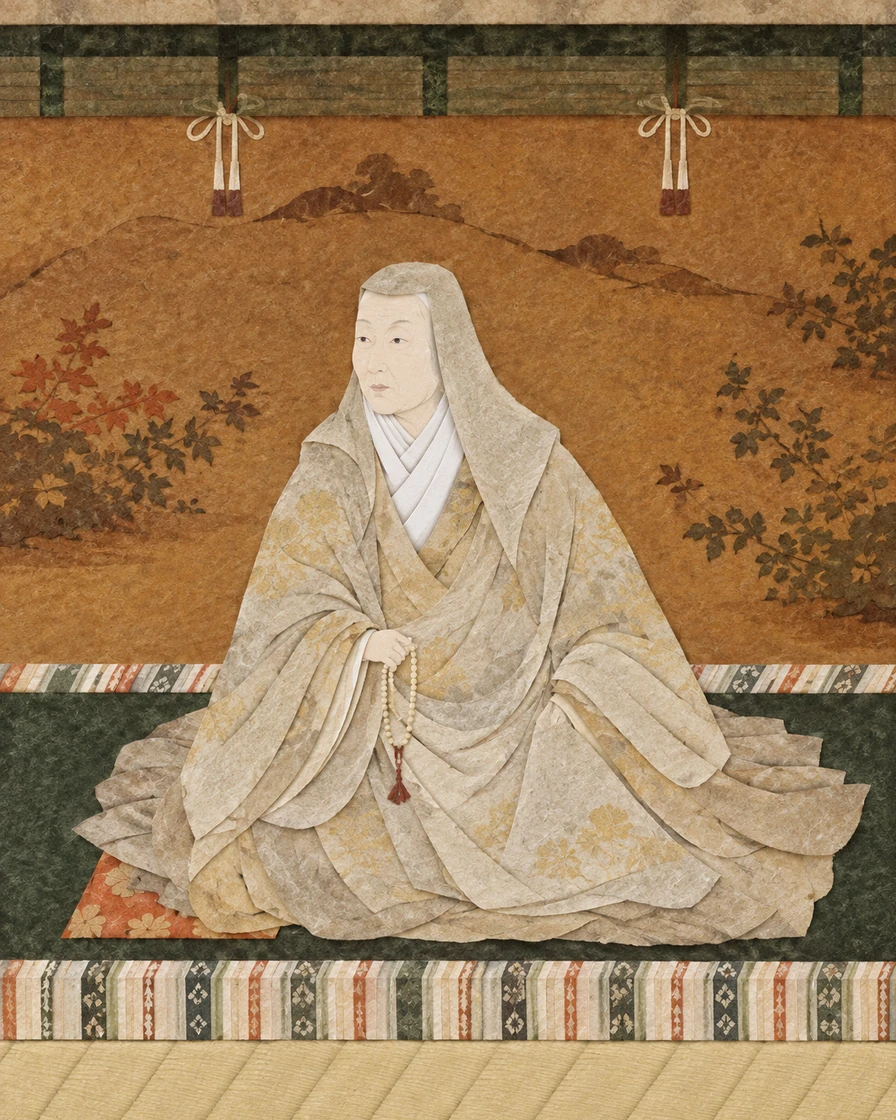
Empress Kōmyō
光明皇后
Why it mattersReligious patronage and charitable activity gave an empress a public role through institutions and material support. - Heian
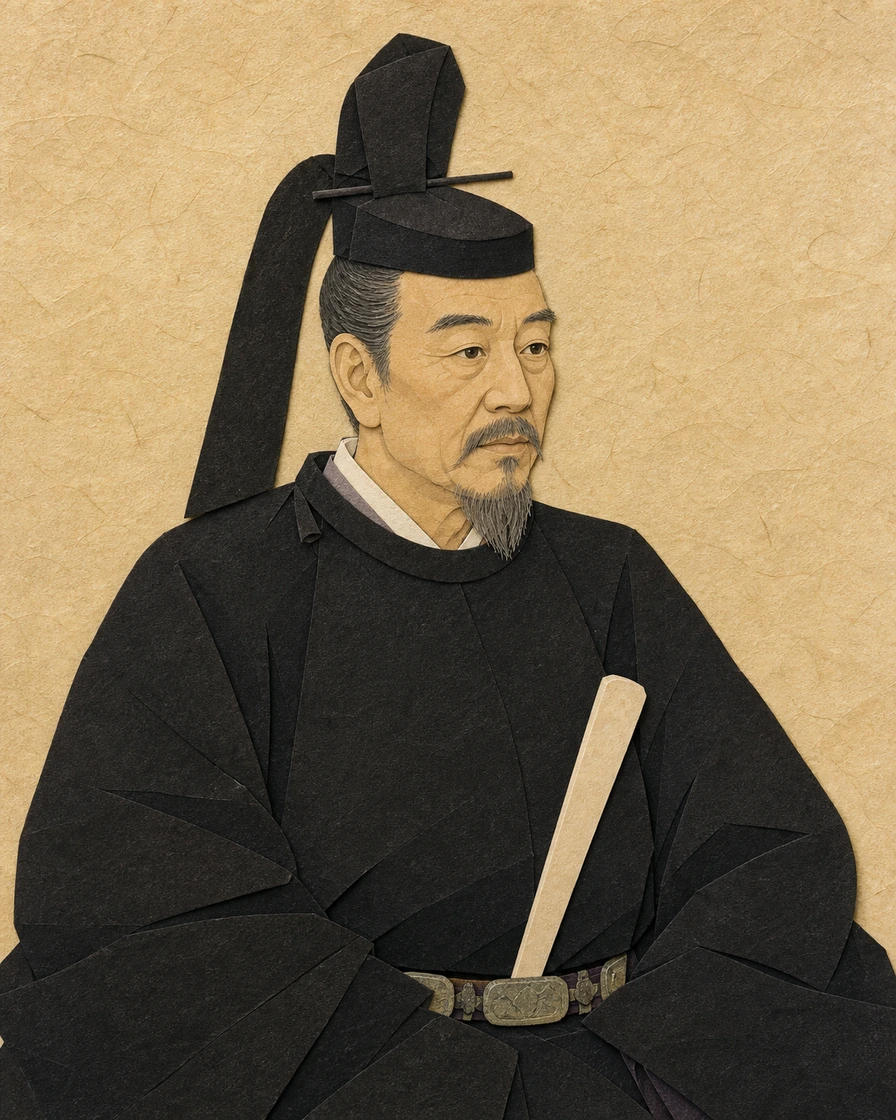
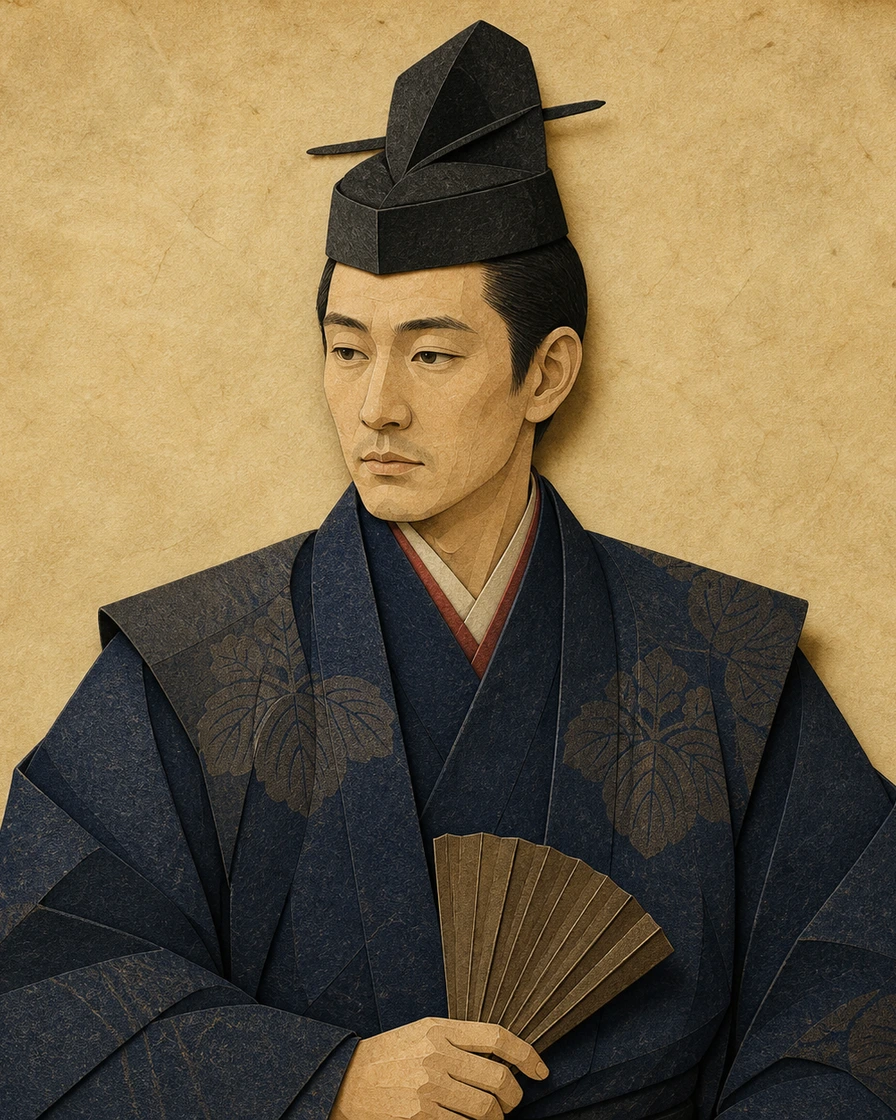
Fujiwara no Yorimichi
藤原頼通
Why it mattersConverting the Uji villa into Byōdōin joined inherited property to a new religious foundation. - Heian
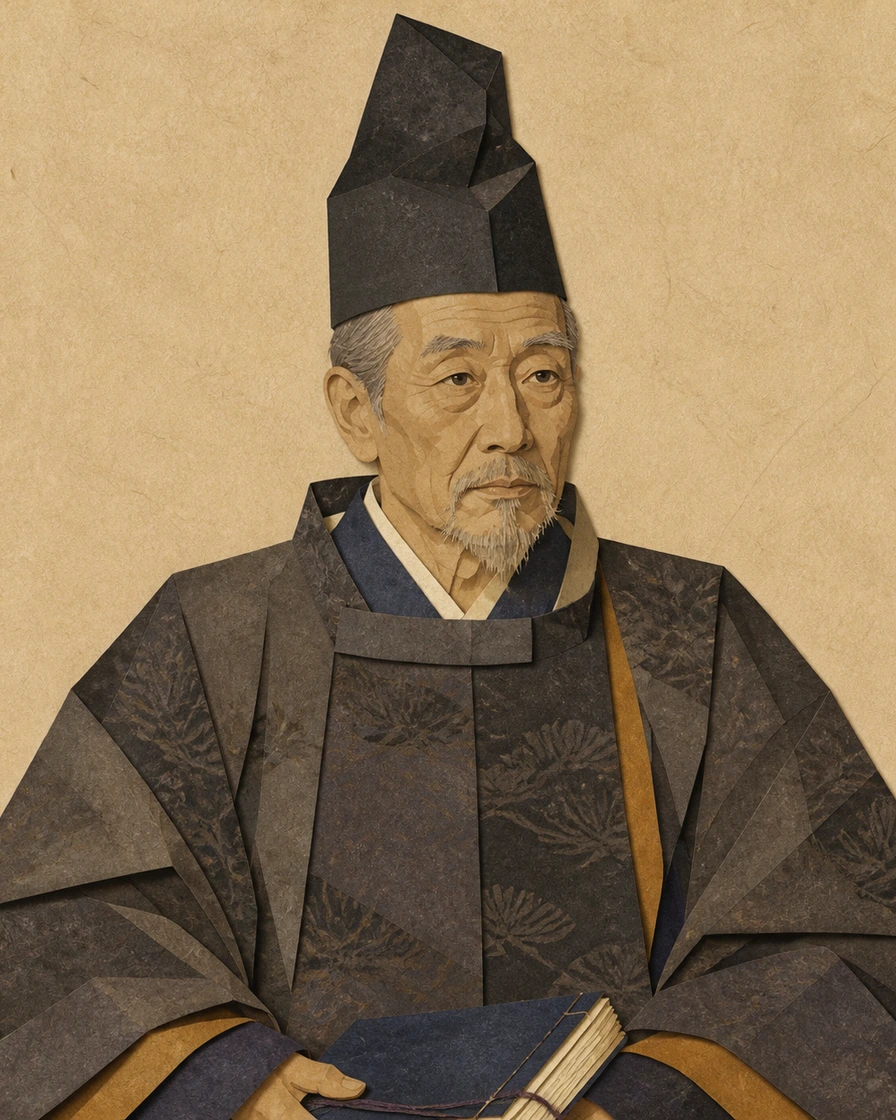
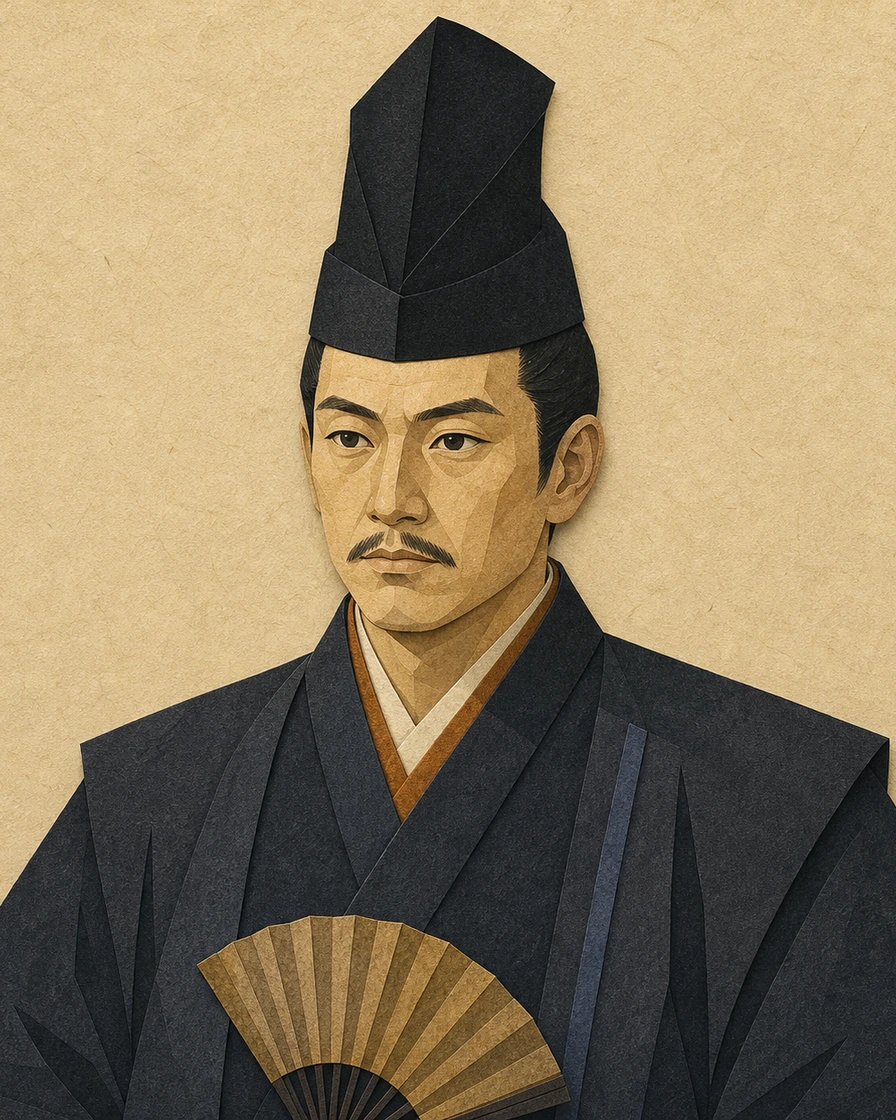
Fujiwara no Kiyohira
藤原清衡
Why it mattersThe Chūsonji complex connected northern political authority with Buddhist building and commemoration. - Muromachi
Ashikaga Yoshimitsu
足利義満
Why it mattersHis Kitayama palace linked the setting of elite life to the resources and authority of Ashikaga rule. - Muromachi
Ashikaga Yoshimasa
足利義政
Why it mattersThe Higashiyama villa became a setting for cultural activity with an afterlife beyond its founding shogun. - Sengoku
Kōdai-in
高台院
Why it mattersHer foundation of Kōdai-ji made remembrance of Hideyoshi a continuing institutional undertaking. - Sengoku
Ikeda Terumasa
池田輝政
Why it mattersRebuilding Himeji Castle gave territorial authority a monumental and carefully defended setting. - Edo
Ikeda Tsunamasa
池田綱政
Why it mattersHis association with Kōrakuen connects domain rule with the making of a cultivated landscape. - Edo
Tokugawa Iemitsu
徳川家光
Why it mattersThe rebuilding of Nikkō’s shrine invested Tokugawa resources in the sacred memory of the dynasty’s founder.