- Nara
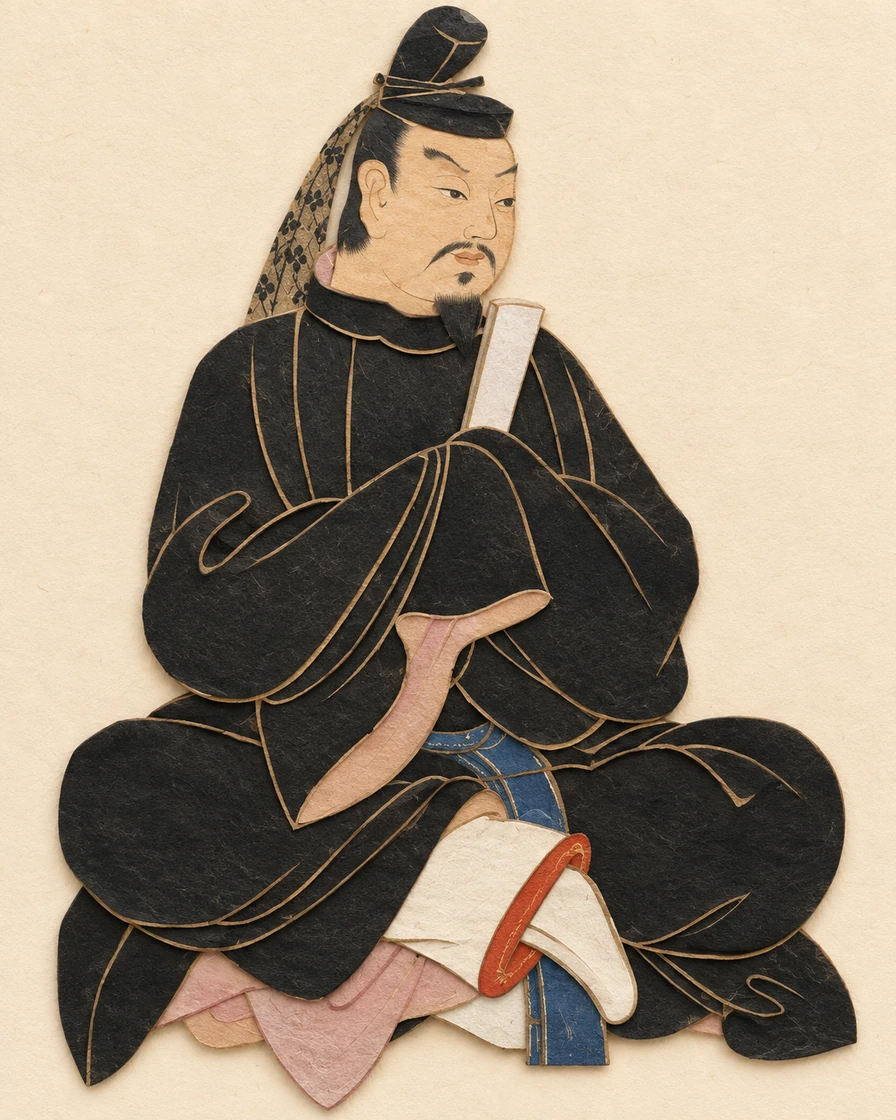
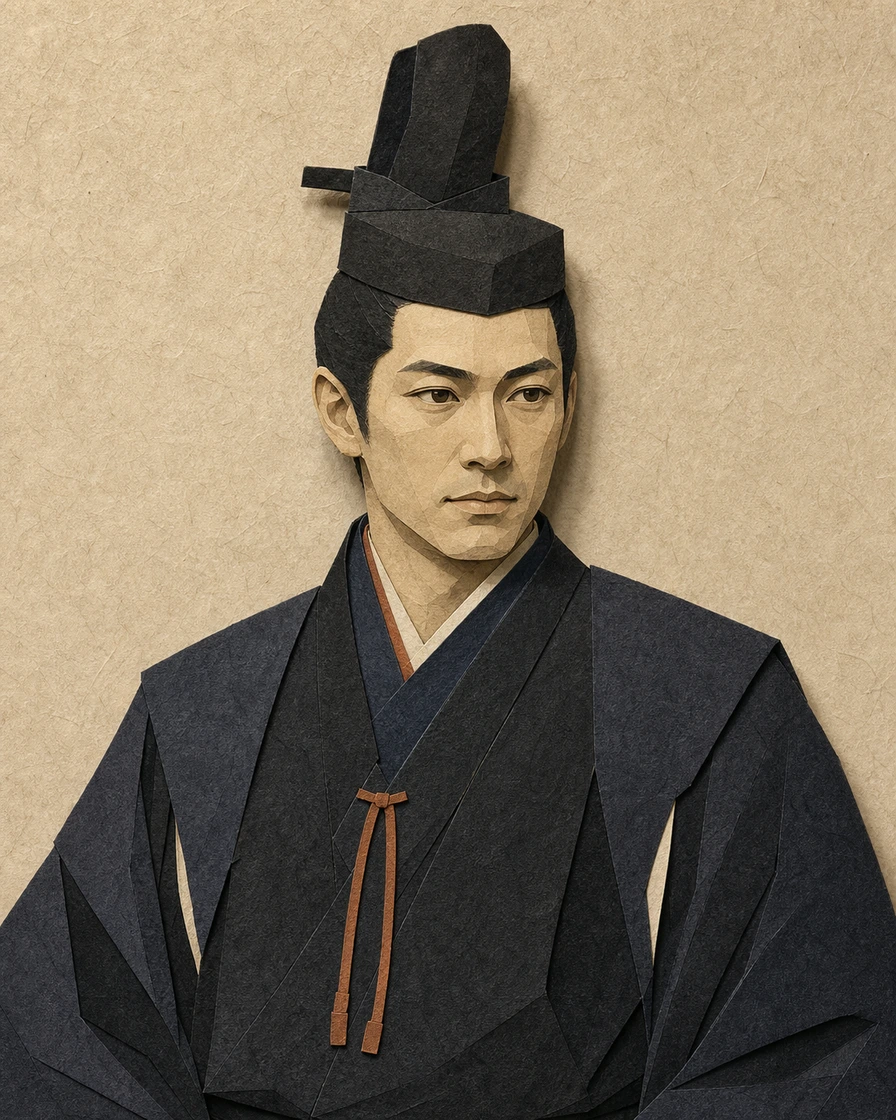
Fujiwara no Fuhito
藤原不比等
Why it mattersWork on court institutions and family alliances placed him close to the making of early imperial government. - Nara
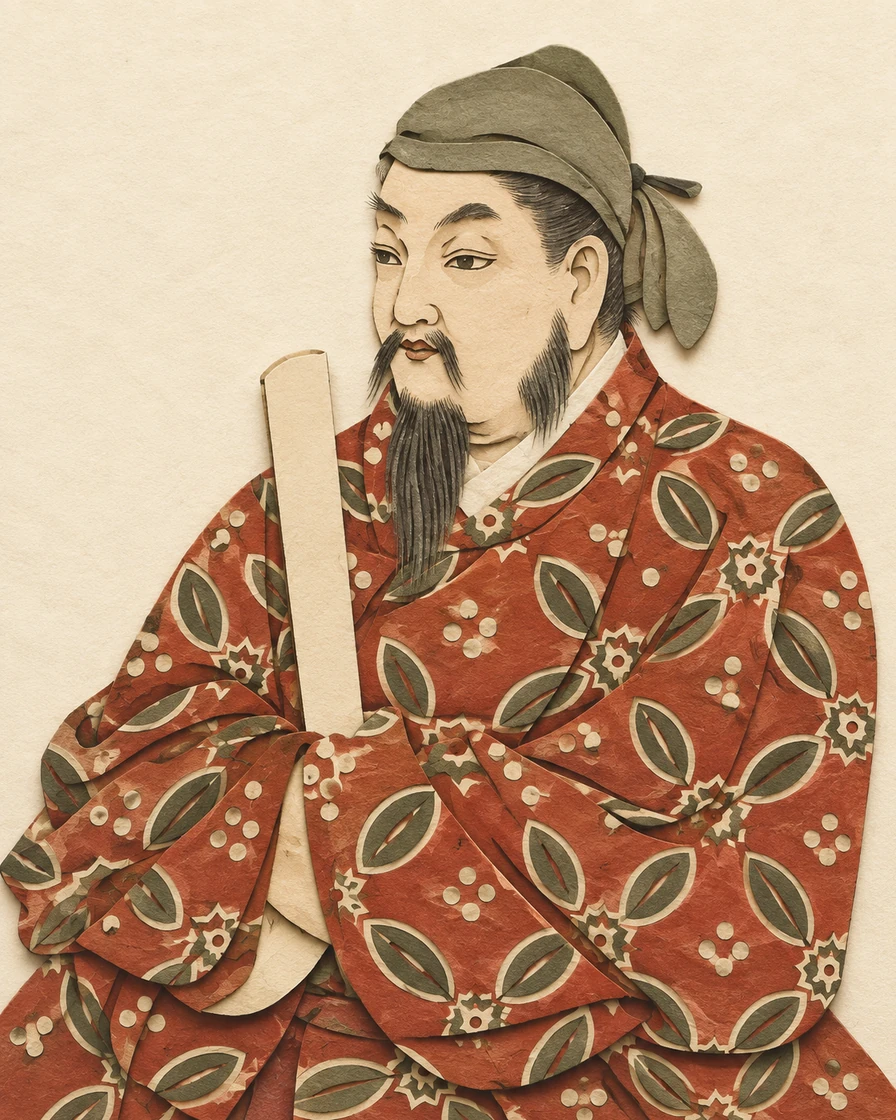
Tachibana no Moroe
橘諸兄
Why it mattersHis ministerial career offers a view of Nara government beyond the reigning sovereign and the Fujiwara family. - Heian
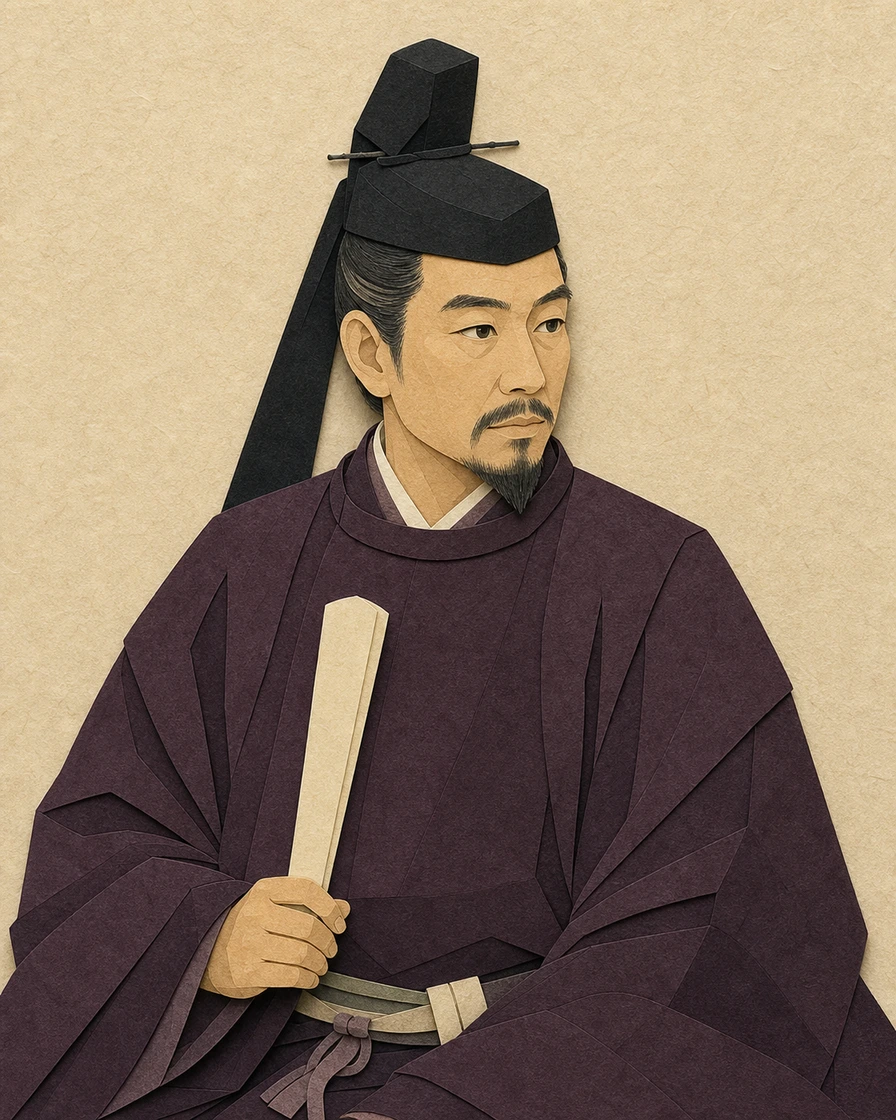
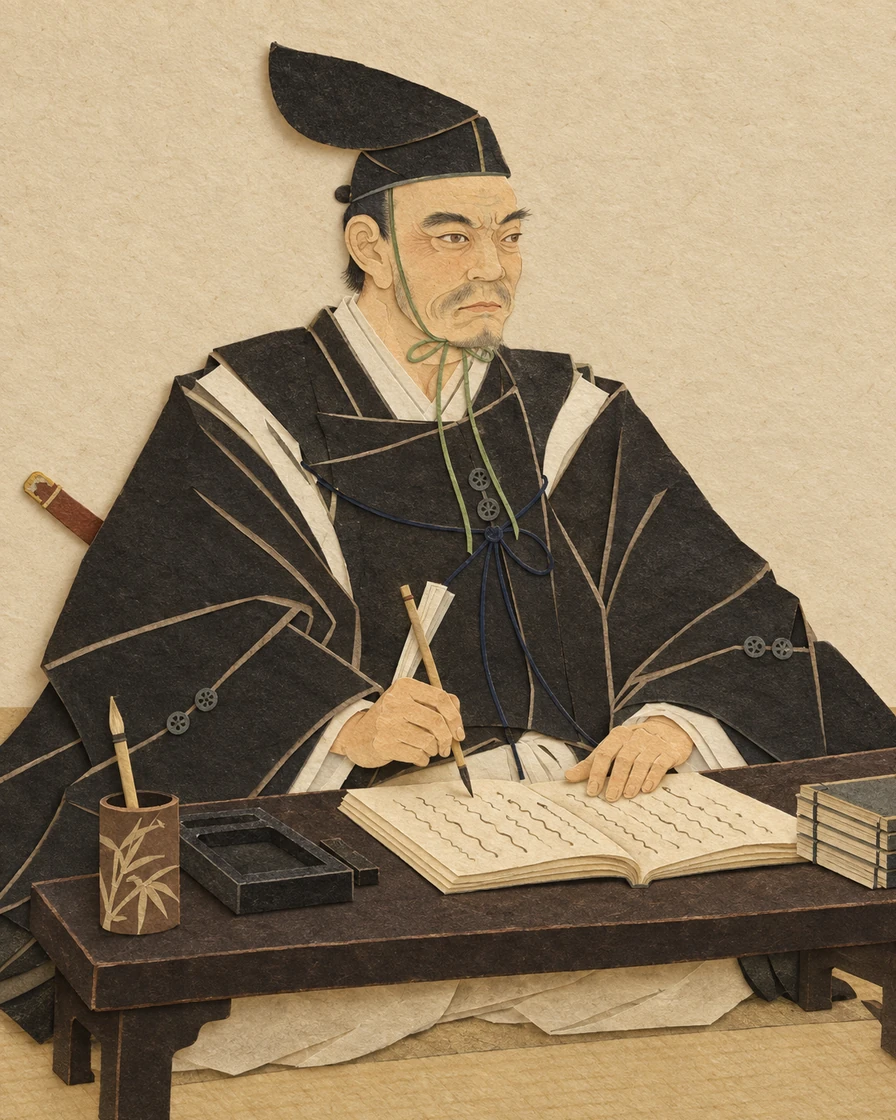
Sugawara no Michizane
菅原道真
Why it mattersScholarship and court office made him a useful adviser, but did not protect him from political removal. - Heian
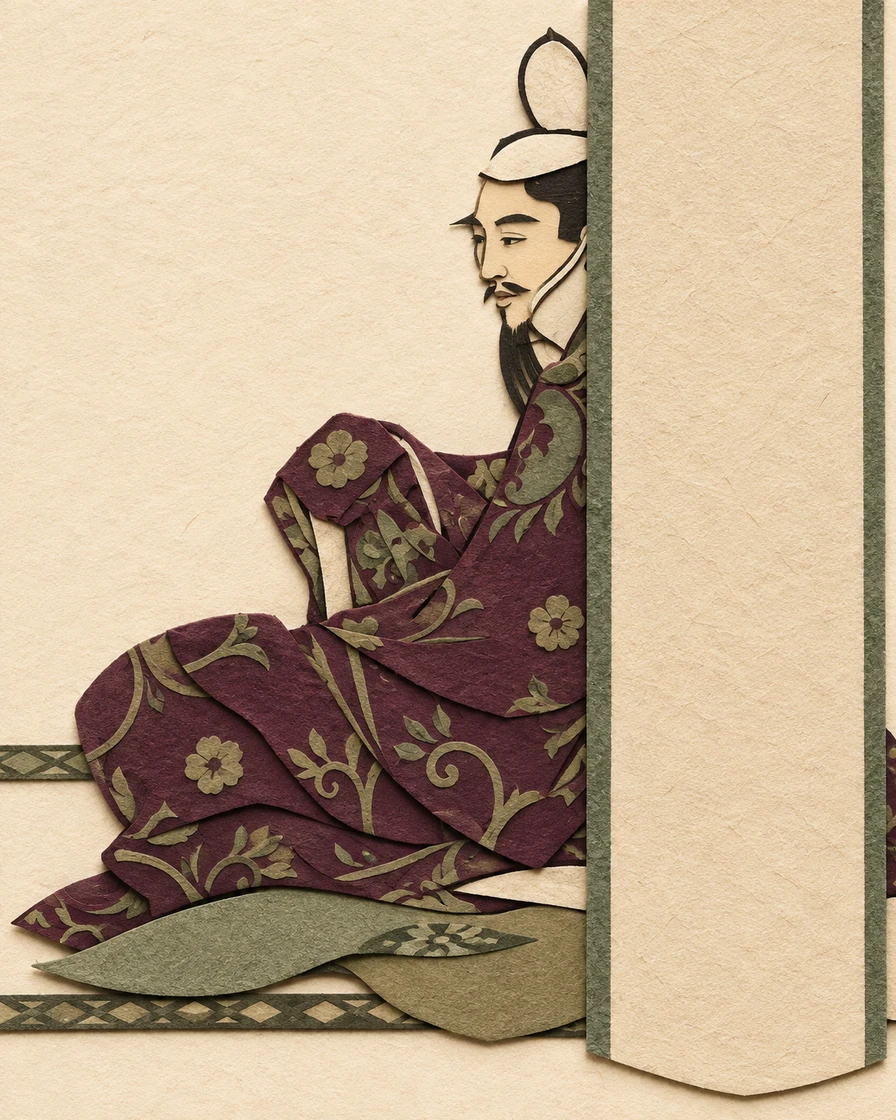
Fujiwara no Mototsune
藤原基経
Why it mattersHis relationship with imperial authority reveals the disputed duties and standing of a senior court adviser. - Muromachi
Ashikaga Tadayoshi
足利直義
Why it mattersHis part in administering Ashikaga rule demonstrates how shared government could become a struggle within the ruling family. - Edo
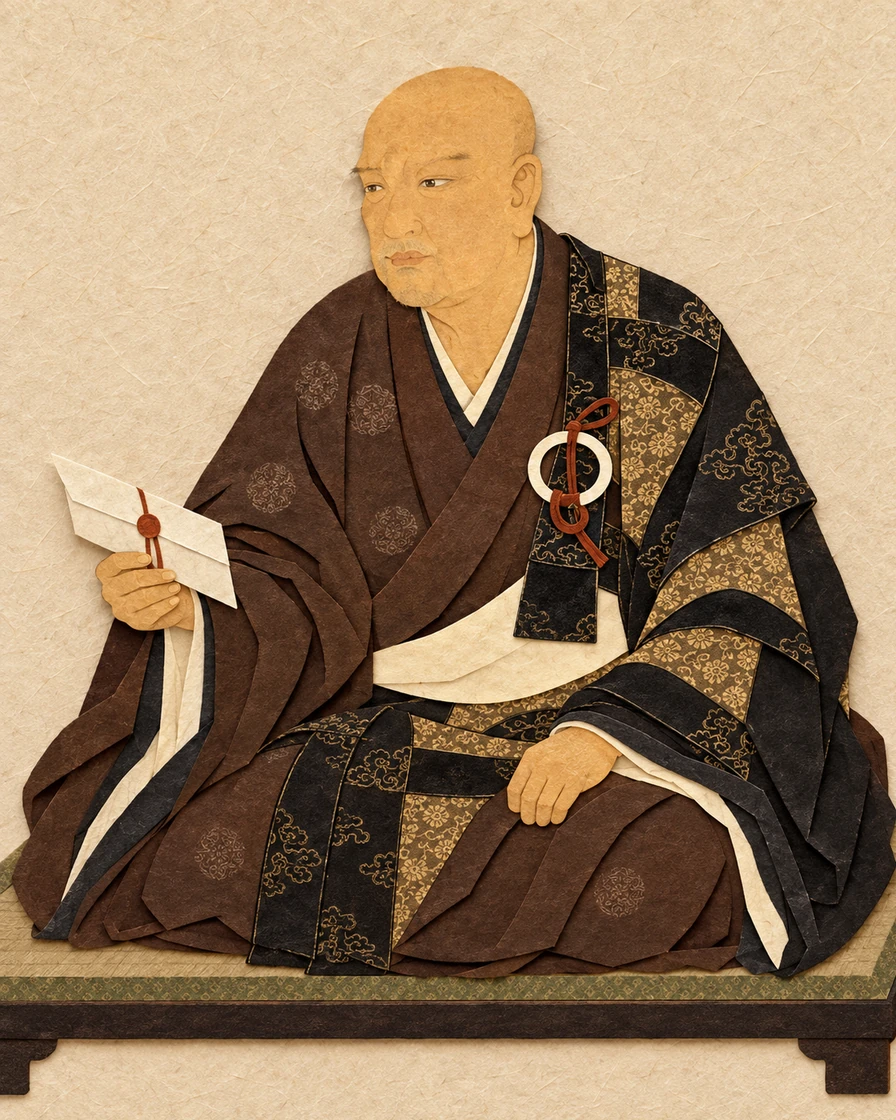
Konchiin Sūden
金地院崇伝
Why it mattersService to Tokugawa rulers connected a Buddhist cleric to government documents and the regulation of institutions. - Edo
Arai Hakuseki
新井白石
Why it mattersHis service as an adviser joined learned argument to questions of government and diplomatic representation. - Edo
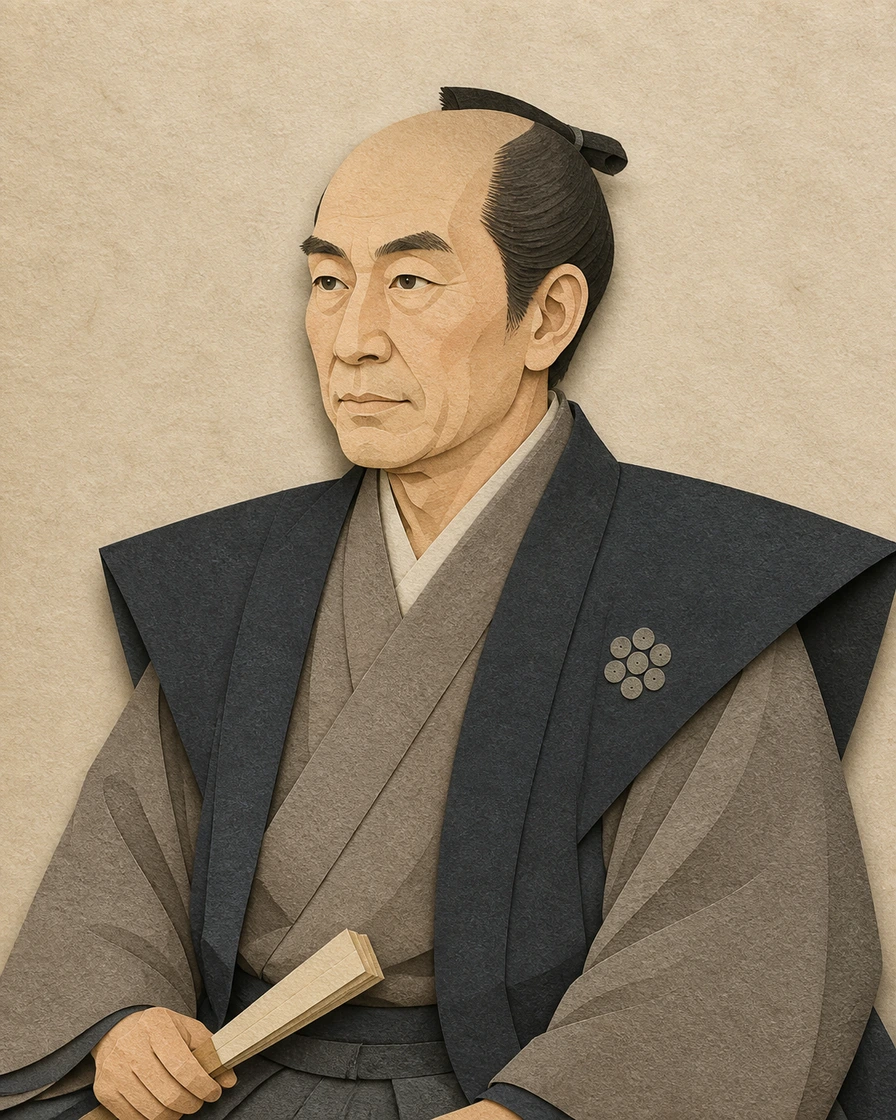
Tanuma Okitsugu
田沼意次
Why it mattersHis senior-council career makes policy visible as work undertaken within the shogunate rather than by the shogun alone. - Bakumatsu
Abe Masahiro
阿部正弘
Why it mattersHis leadership during Perry’s arrival brought consultation and coordination into the response to foreign pressure. - Meiji
Inoue Kowashi
井上毅
Why it mattersHis work on constitutional documents shows how drafting and legal language contributed to Meiji state institutions.