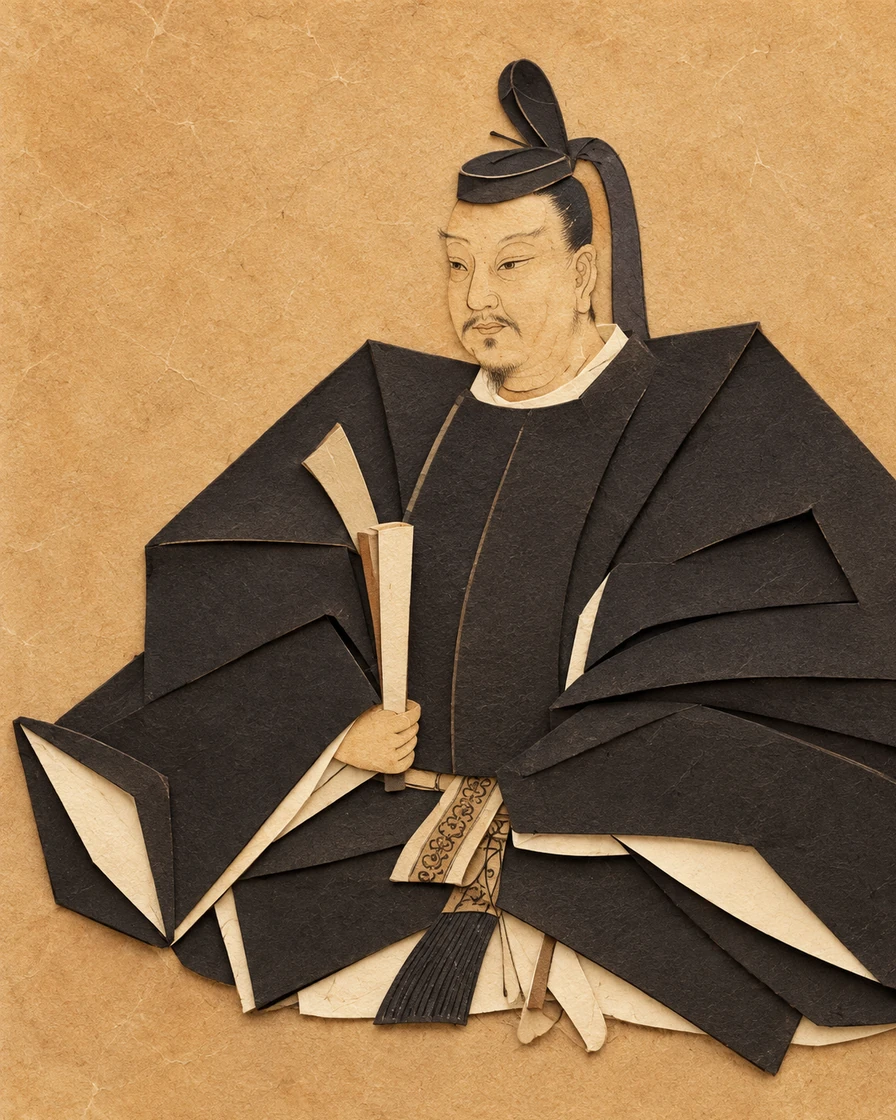
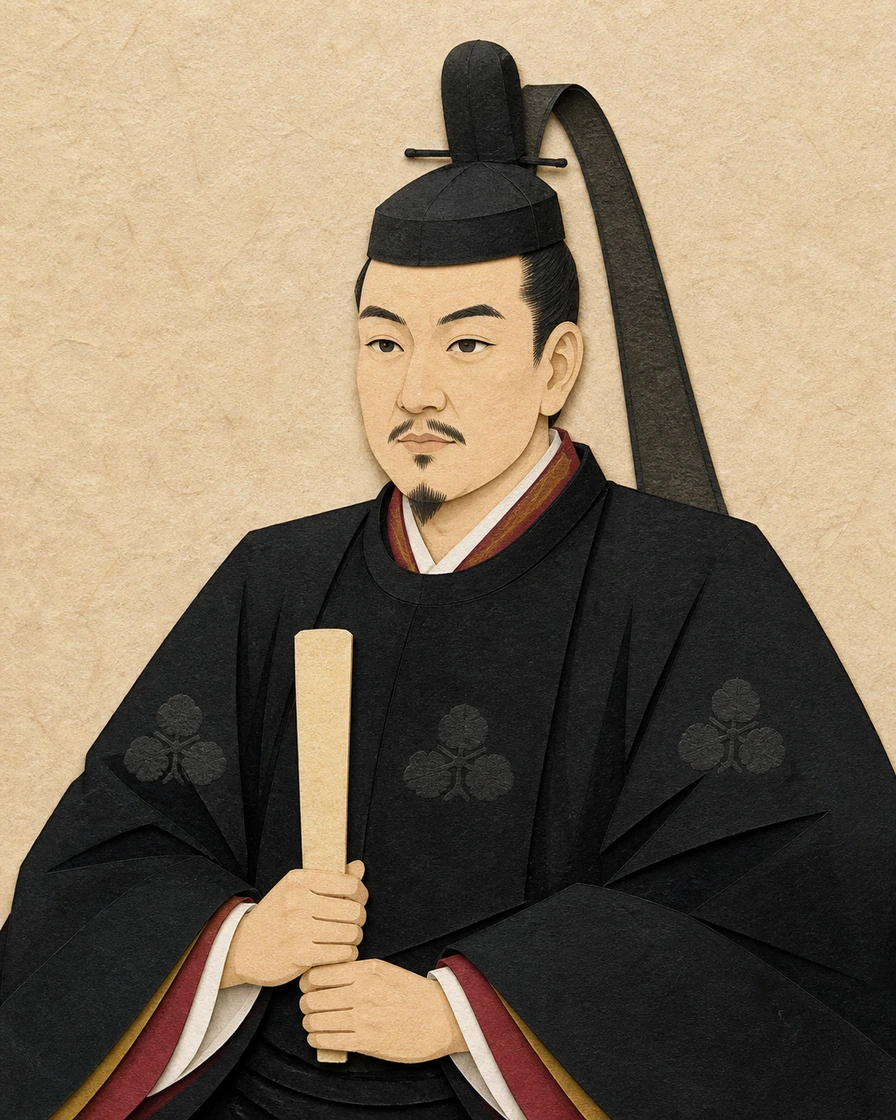
- Kamakura
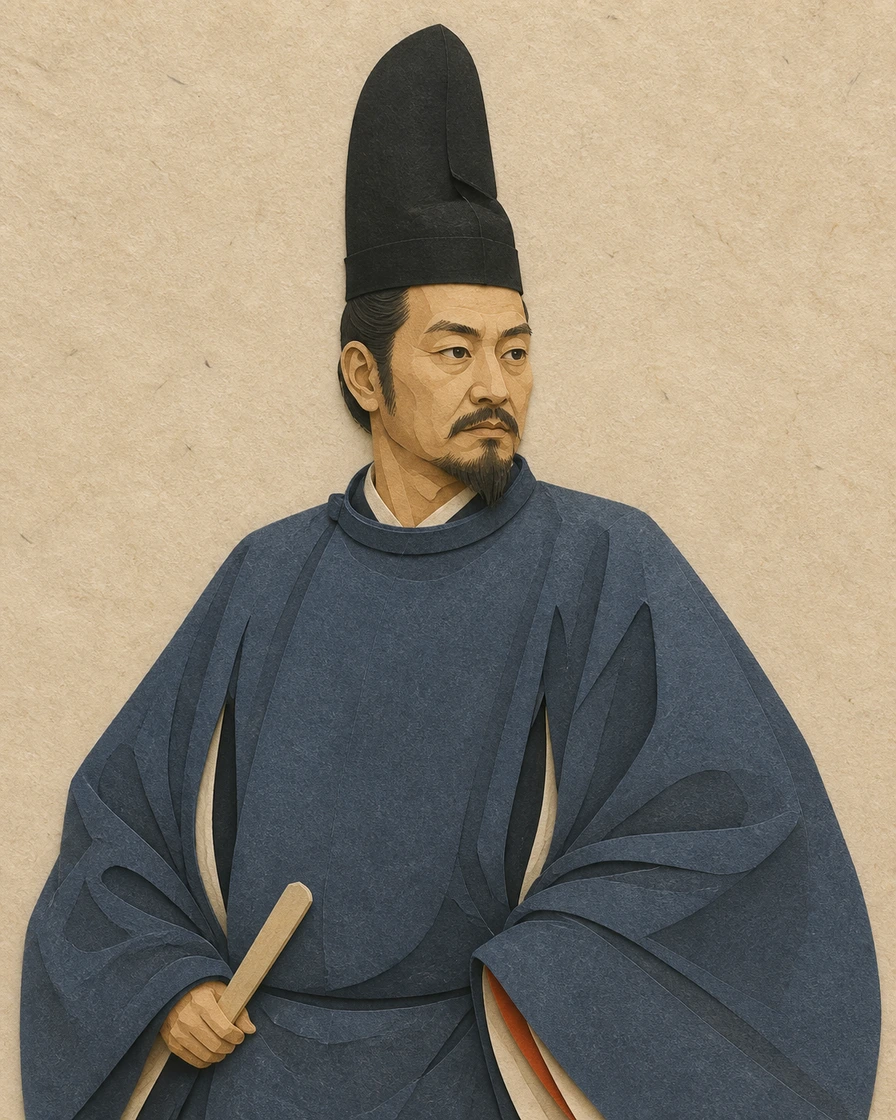
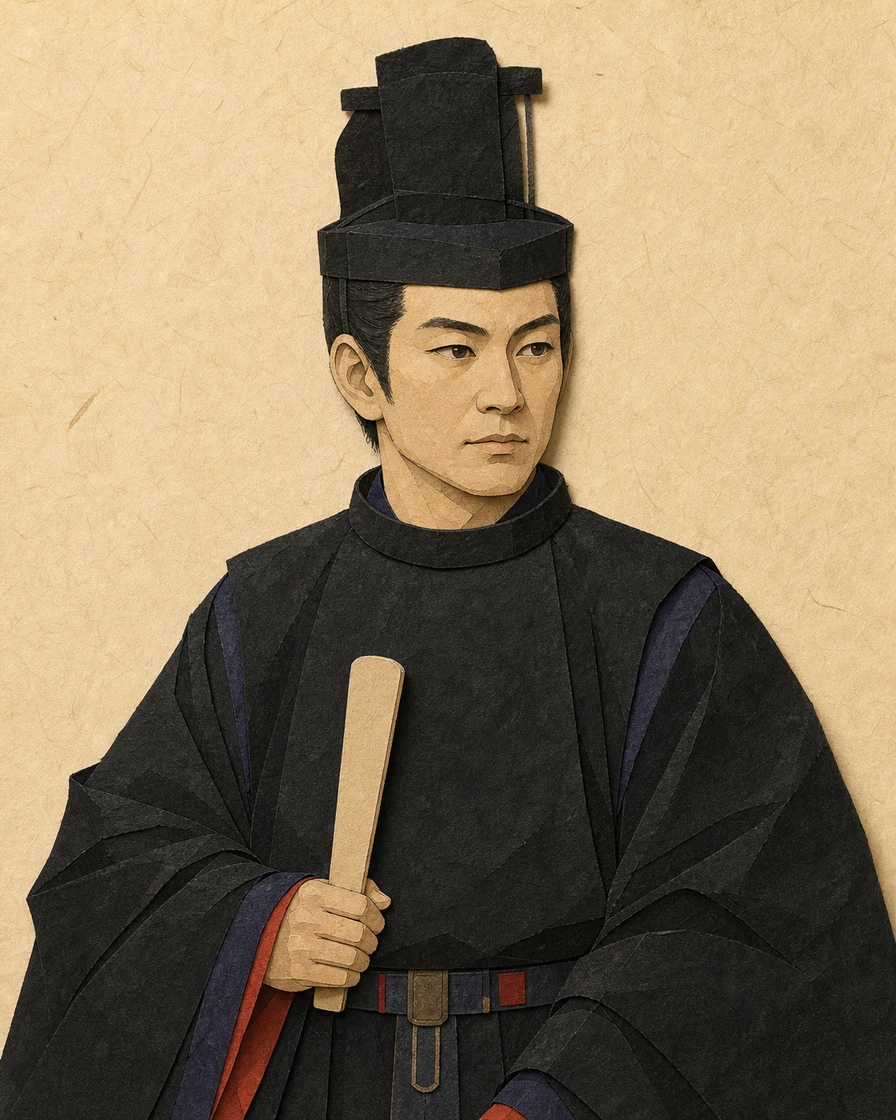
Minamoto no Yoritomo
源頼朝
Why it mattersHe joined eastern warrior coalitions, land claims, and court recognition into a government that survived its founder. - Kamakura
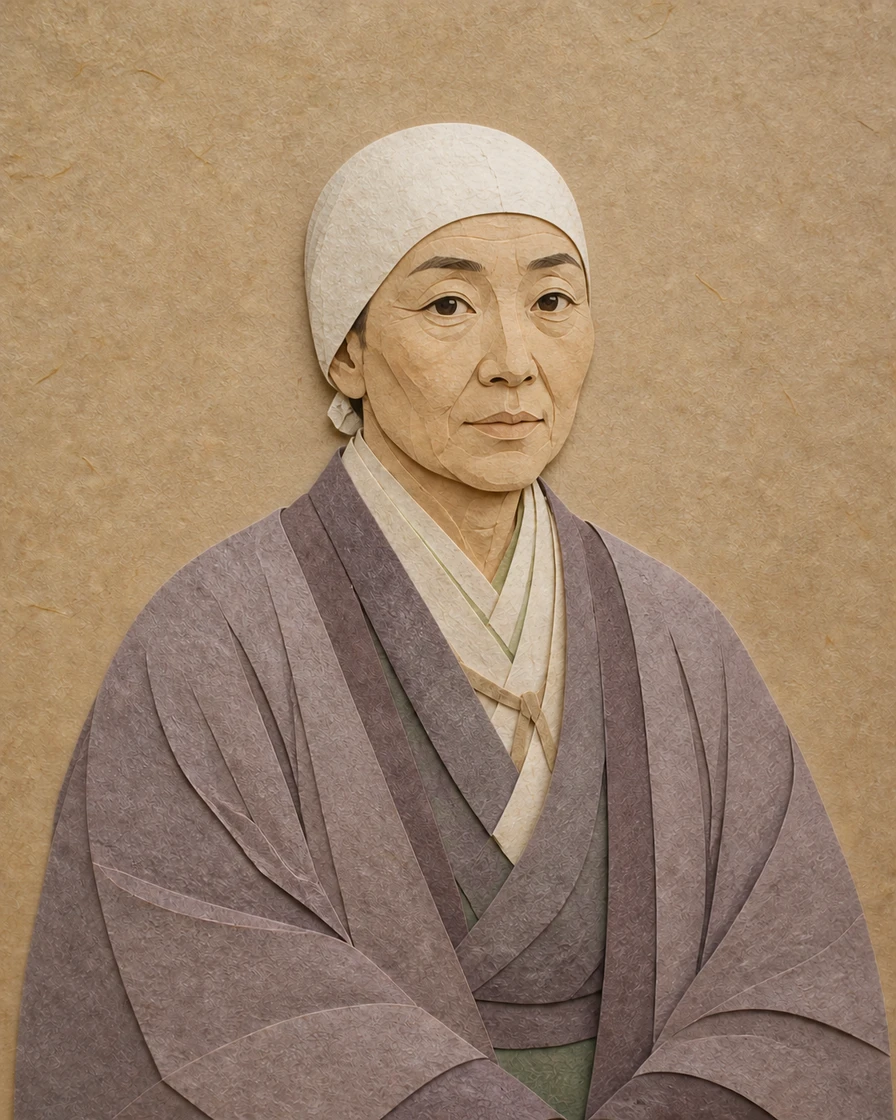
Hōjō Masako
北条政子
Why it mattersHer intervention in succession and household government helped sustain Kamakura after the deaths of Yoritomo and their sons. - Kamakura
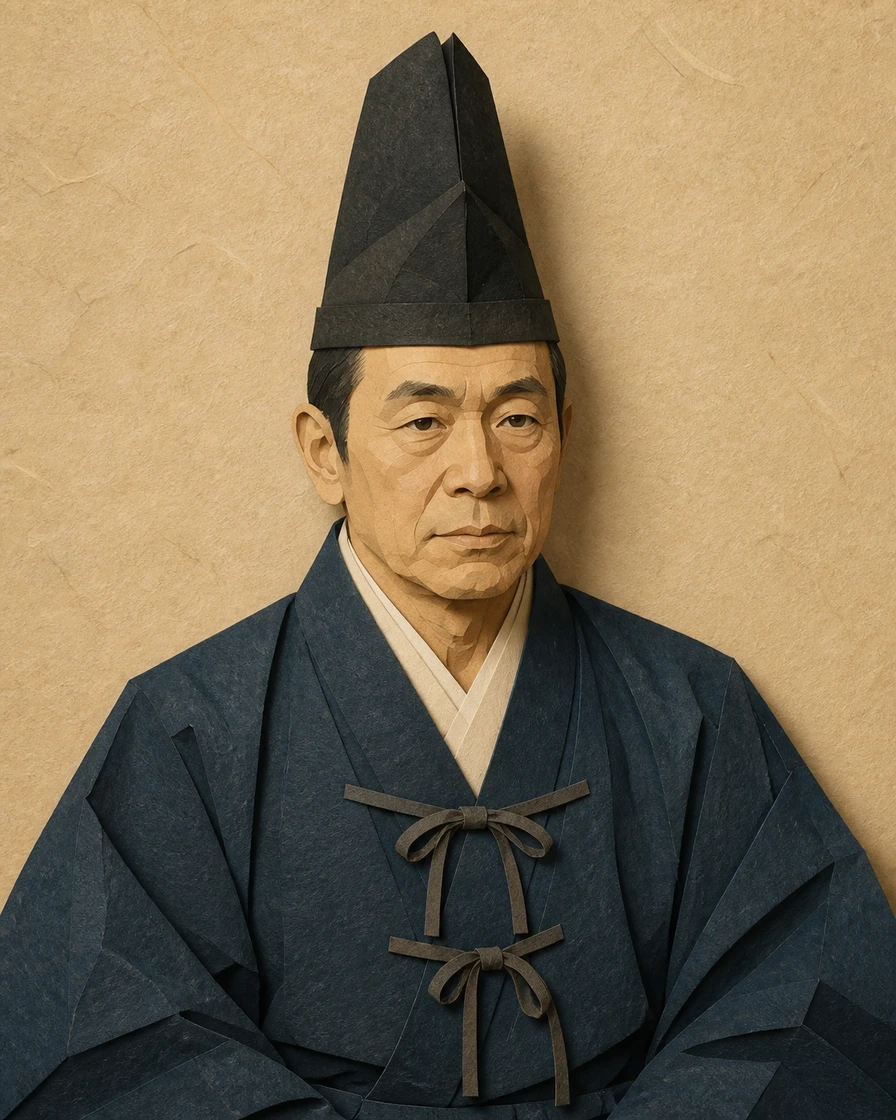
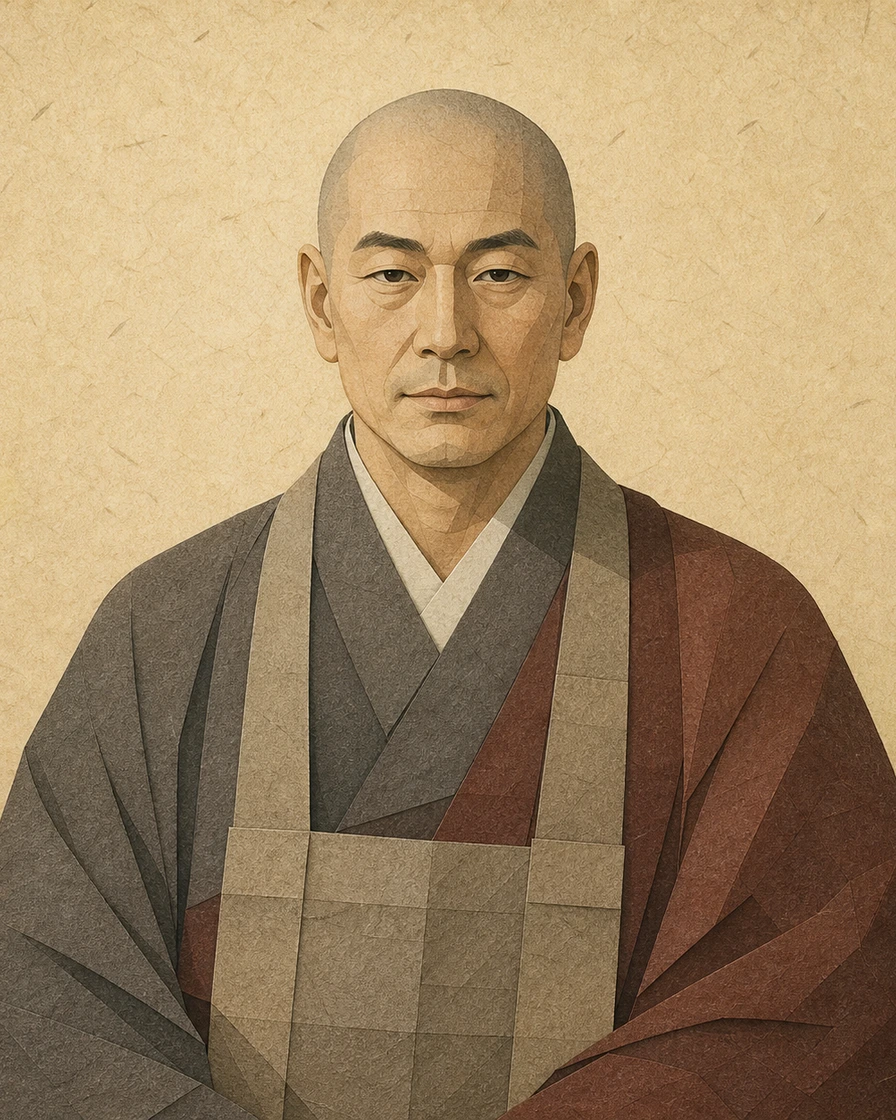
Hōjō Yoshitoki
北条義時
Why it mattersHousehold conflicts and the concentration of offices transformed Kamakura rule, culminating in confrontation with the retired court. - Kamakura
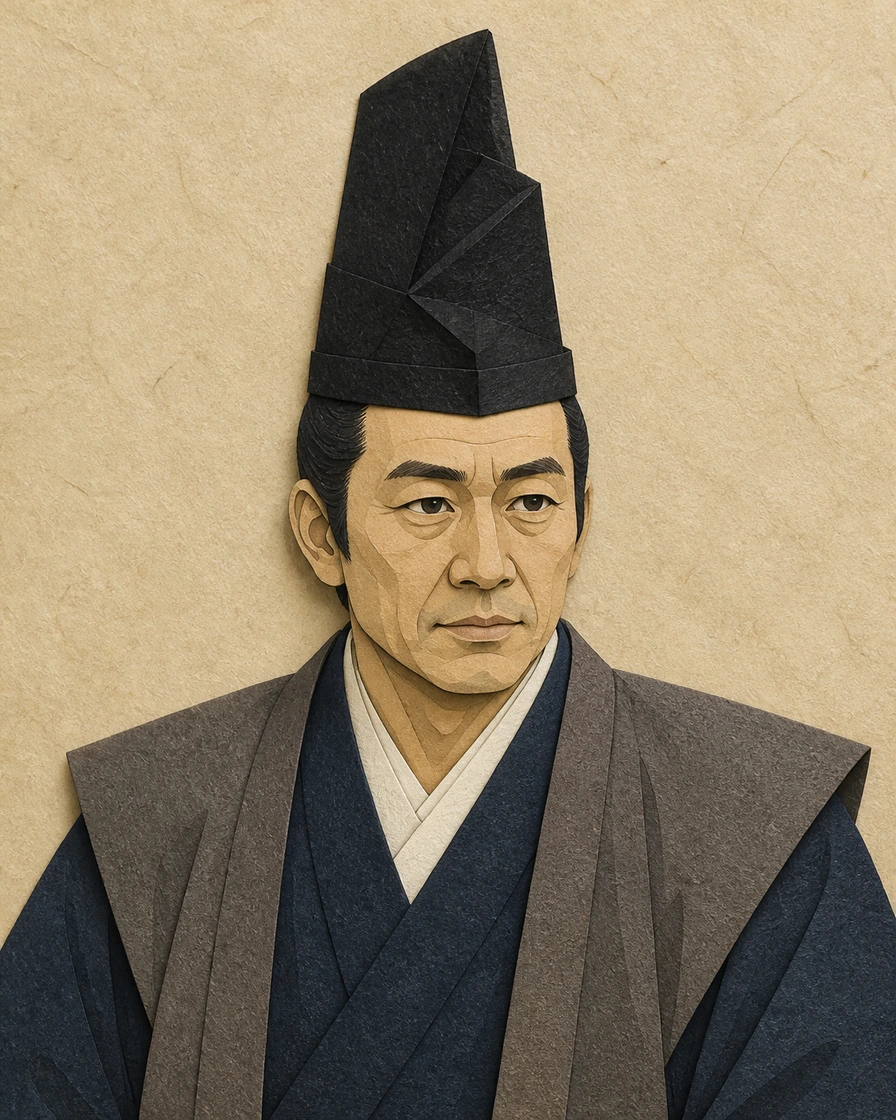
Hōjō Yasutoki
北条泰時
Why it mattersCouncils, petitions, and the fifty-one-article code show how warrior government turned disputes into repeatable legal procedures. - Muromachi
Ashikaga Takauji
足利尊氏
Why it mattersHis break with Kamakura and Go-Daigo produced an Ashikaga government whose authority remained contested inside and outside his household. - Muromachi
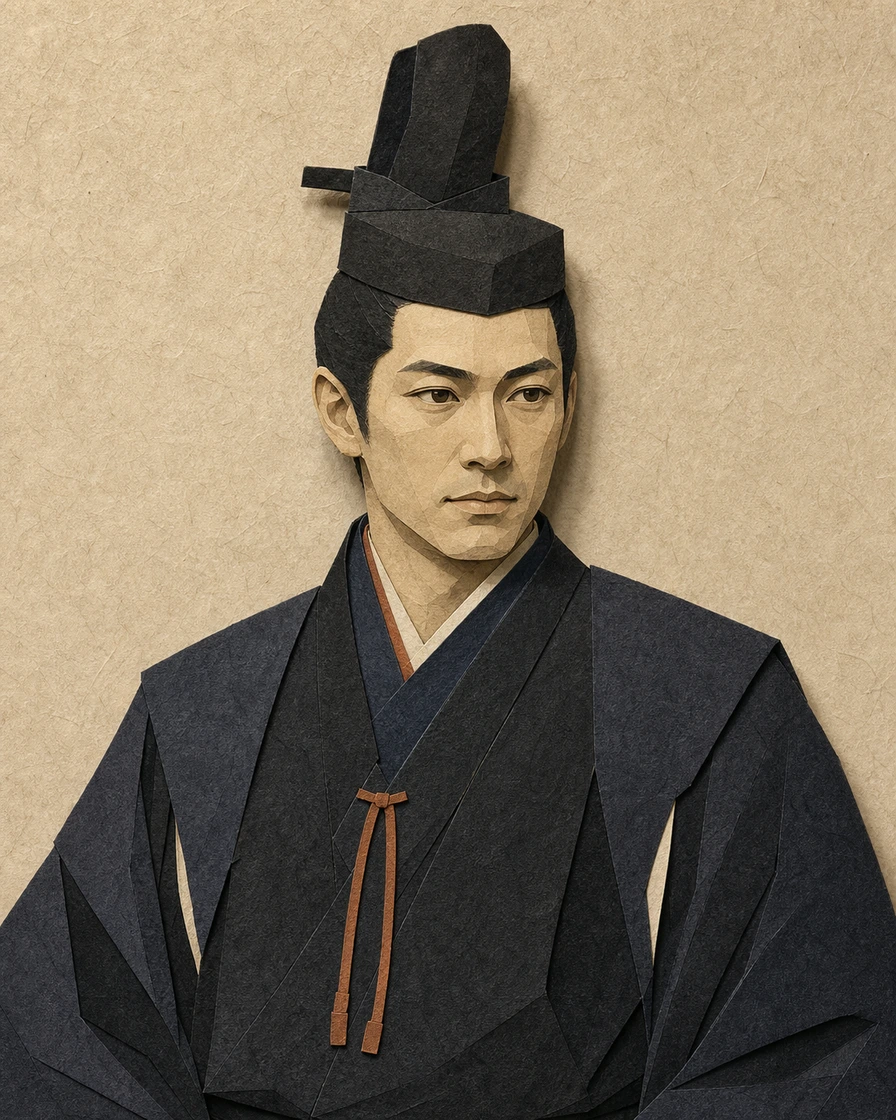
Ashikaga Tadayoshi
足利直義
Why it mattersAdministration and judgment made him central to Ashikaga rule, while conflict with his brother exposed the limits of divided authority. - Muromachi
Ashikaga Yoshimitsu
足利義満
Why it mattersHe combined shogunal government, court rank, the settlement of the divided courts, and licensed trade with Ming China. - Sengoku
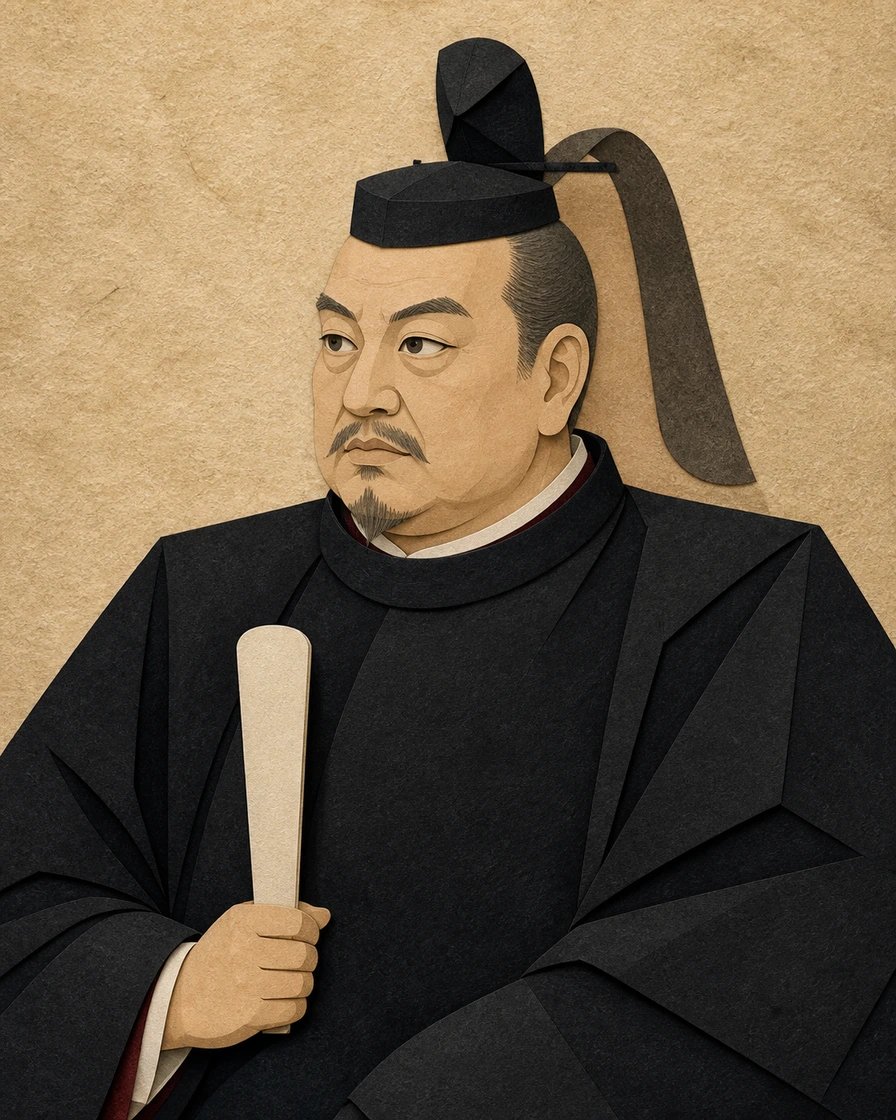
Tokugawa Ieyasu
徳川家康
Why it mattersAn Edo territorial base and victory within the Toyotomi order became the foundations of a hereditary Tokugawa shogunate. - Edo
Tokugawa Hidetada
徳川秀忠
Why it mattersSuccession from Ieyasu to Hidetada helped turn victory into hereditary government, with the retired founder remaining politically active. - Edo
Tokugawa Iemitsu
徳川家光
Why it mattersAlternate attendance, religious control, and regulated maritime exchange made Tokugawa authority operate through households and institutions.