

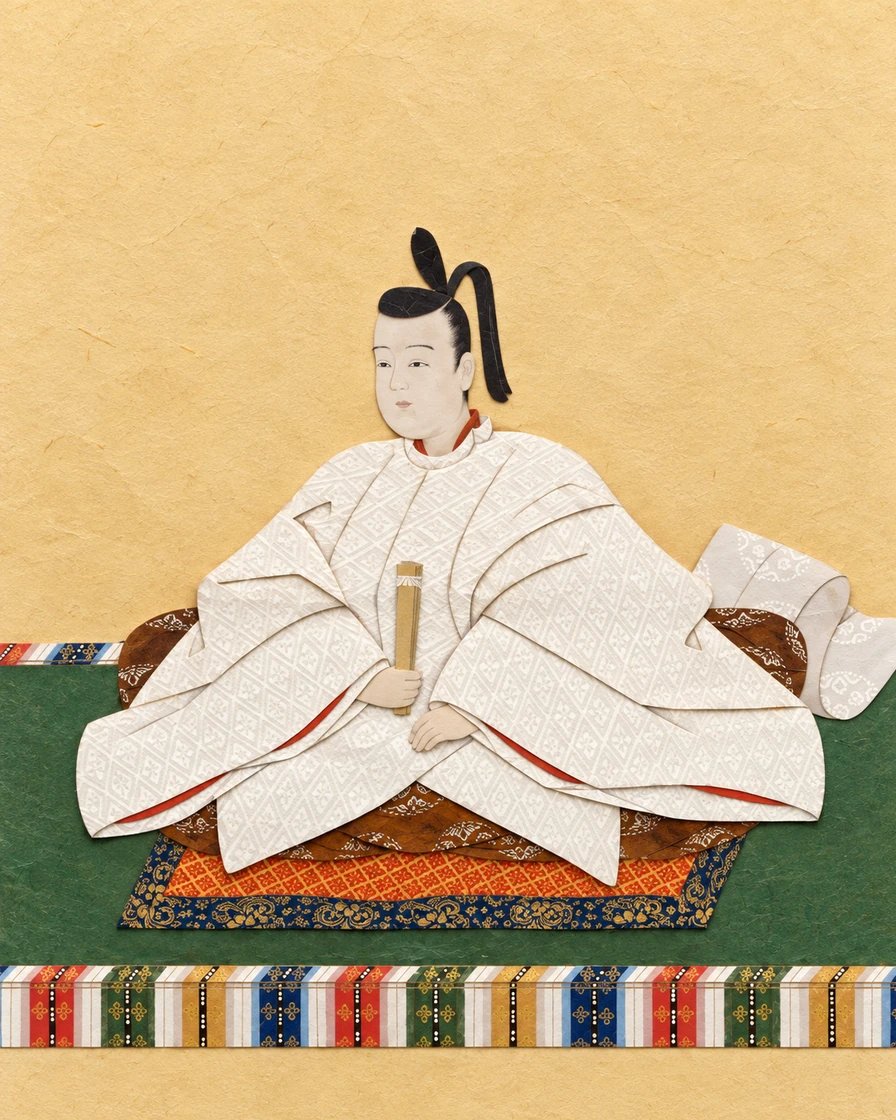
Sengoku period
Toyotomi Hideyori
豊臣秀頼
Overview
Toyotomi Hideyori (1593–1615), the son of the ruler Toyotomi Hideyoshi and Yodo-dono, inherited the Toyotomi household as a small child in 1598. Senior lords pledged to protect him. After Tokugawa Ieyasu’s victory at Sekigahara in 1600, Hideyori remained at Osaka with substantial regional wealth and prestigious court rank, but without his father’s national military authority. His name still carried the claim of the former ruling household. [S01]
He married Ieyasu’s granddaughter Senhime in 1603 and met Ieyasu at Nijō in 1611. These ties coexisted with continued Toyotomi patronage: his donations helped rebuild Shōkoku-ji’s great preaching hall in Kyoto, completed in 1605. He also supported the renewed Great Buddha project at Hōkō-ji and practiced calligraphy. Temple building gave his household a visible place in the religious and courtly life of the capital. [S01, S02, S03]
In 1614 the Tokugawa treated Hōkō-ji’s bell inscription as a political challenge. War ended temporarily in a settlement, but Osaka’s defenses were weakened. Fighting resumed in 1615, and Hideyori and his mother killed themselves when the castle fell. Their defeat destroyed the remaining Toyotomi center of power. His years at Osaka had included rank, marriage, negotiation and substantial patronage, even as the military balance moved beyond his household’s control. [S01, S03, S02]
Sources and notes ViewHide
- [1]
豊臣秀頼 — 世界大百科事典 / 日本史小辞典三鬼清一郎 (Miki Seiichirō); 山川出版社
- [2]
相国寺について — 焼失と再建Shōkoku-ji / Rinzai Shōkoku-ji school
- [3]
都市史19 大仏殿Kyoto City
Toyotomi Hideyori (1593–1615), the son of the ruler Toyotomi Hideyoshi and Yodo-dono,
After Tokugawa Ieyasu’s victory at Sekigahara in 1600, Hideyori remained at Osaka
married Ieyasu’s granddaughter Senhime in 1603 and met Ieyasu at Nijō in
These ties coexisted with continued Toyotomi patronage: his donations helped rebuild Shōkoku-ji’s
Connections
Places
No linked places yet.
Events
Hideyoshi’s Death and the Child Heir’s Government
秀吉の死と幼い後継者
Hideyoshi died at Fushimi in 1598, leaving the child Hideyori under senior lords and administrators whose government arranged withdrawal from Korea while attempting to preserve Toyotomi succession.
The Osaka Campaigns Destroy the Toyotomi House
大坂の陣
Tokugawa armies besieged Osaka in 1614 and attacked again in 1615 after a failed settlement, defeating the Toyotomi forces and ending Hideyori’s household as a rival center of government.
Relationships
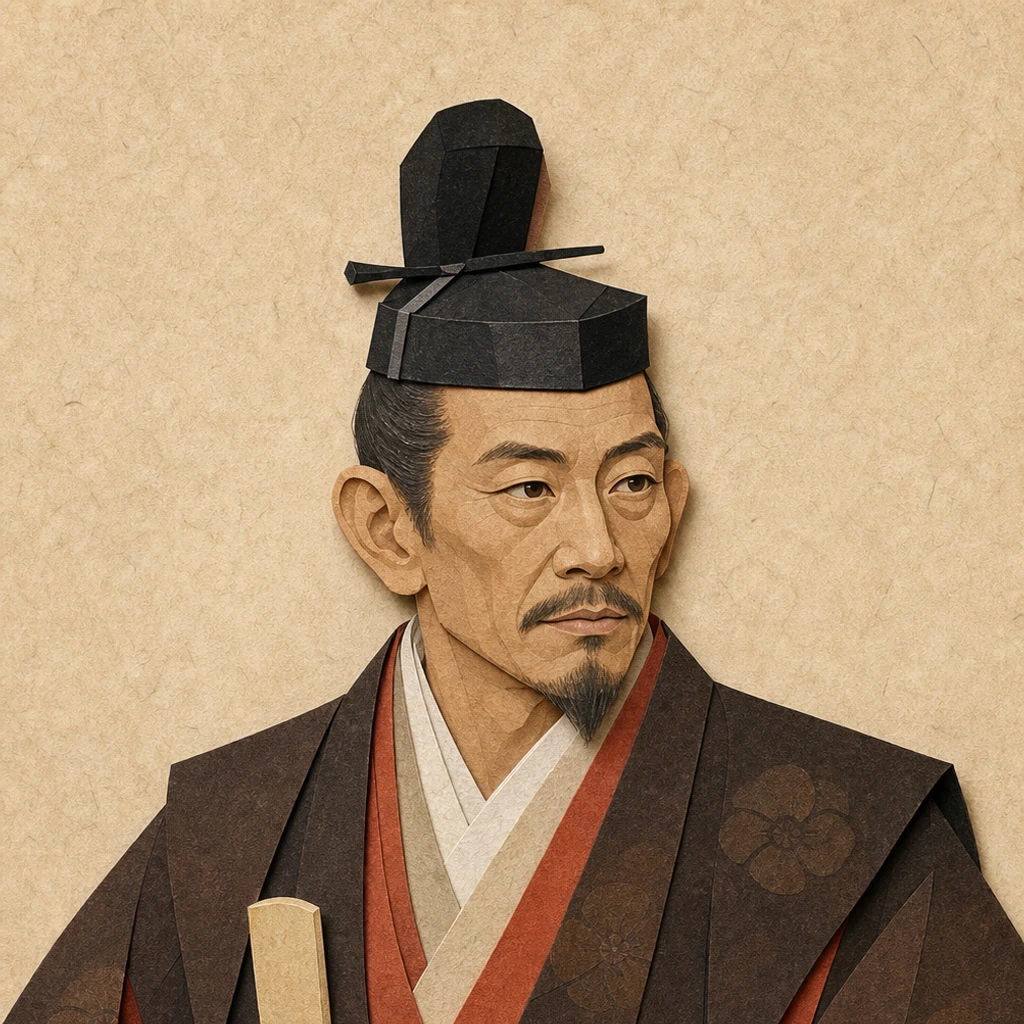 Family Parent · Succession DesignationToyotomi Hideyoshi豊臣秀吉Hideyoshi was Hideyori's biological father Hideyoshi organized the infant Hideyori as Toyotomi heir and required senior officeholders to uphold that successionEvidence grade B
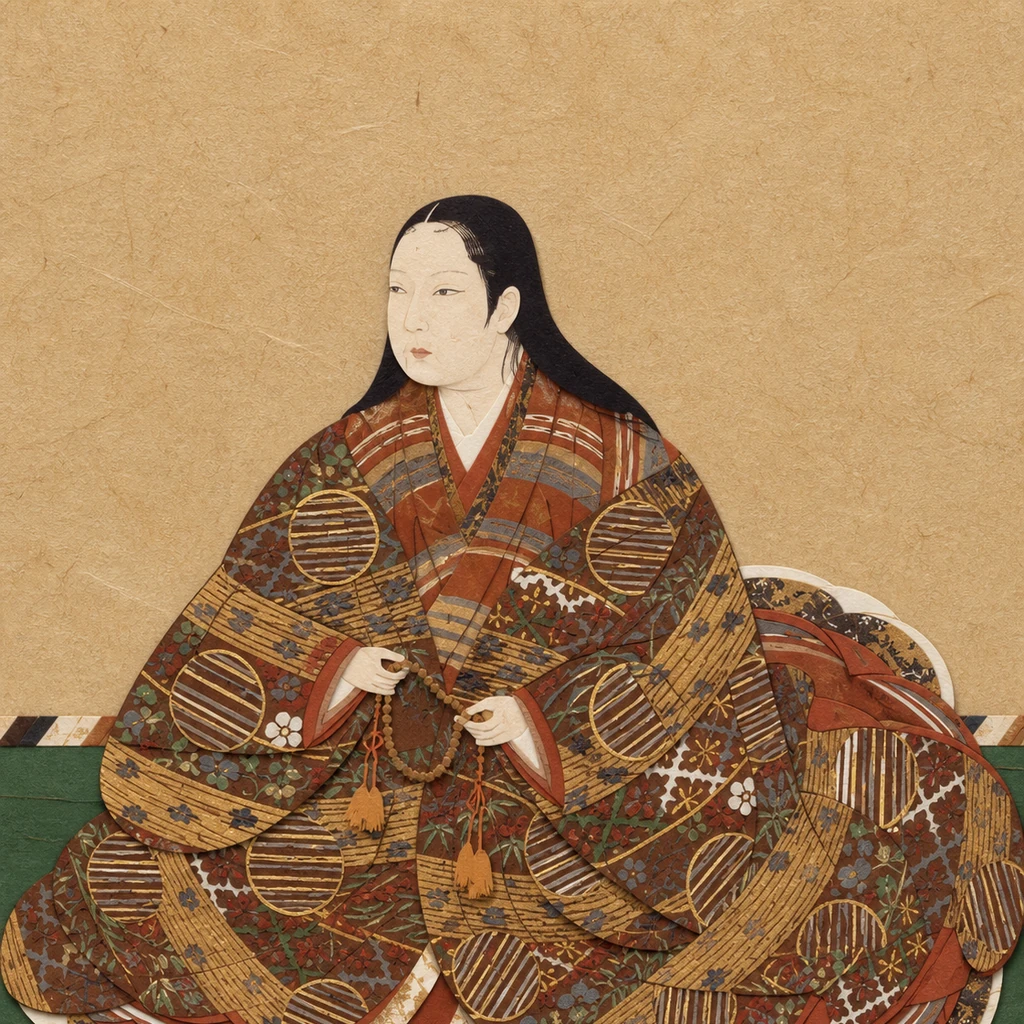 Family ParentYodo-dono淀殿Yodo-dono was Hideyori's biological motherEvidence grade B
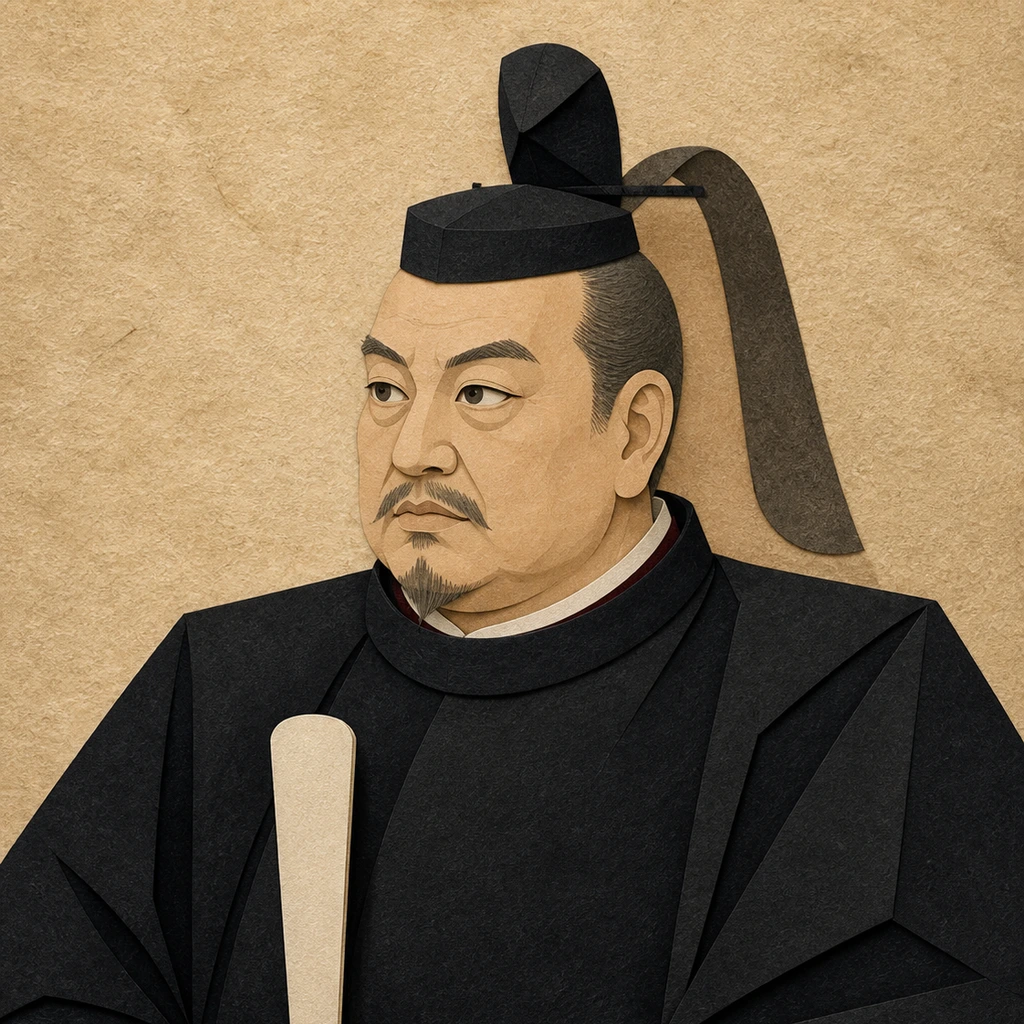 Military Settlement ConflictTokugawa Ieyasu徳川家康Ieyasu directed the Tokugawa side in the 1614–1615 Osaka campaigns that ended Hideyori's Toyotomi houseEvidence grade B