

 607
607Missions to Sui and Competing Records of Wa
遣隋使と倭の記録
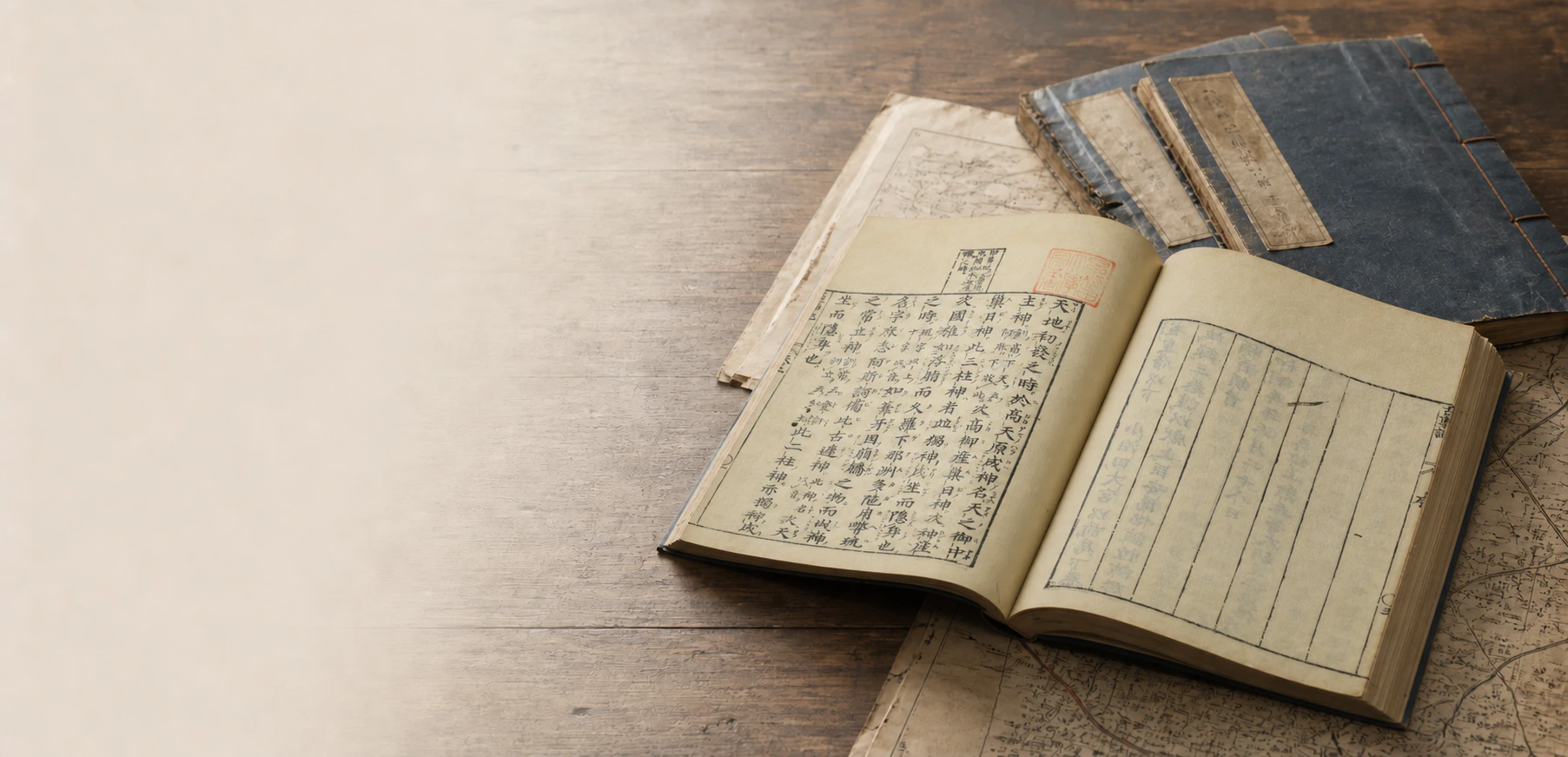
Why it mattersIn 607, Empress Suiko sent Ono no Imoko to Sui China, opening an exchange of diplomatic letters and visits that brought a Sui envoy to the Yamato court in 608. 804-806
Kūkai Studies in Tang China and Returns to Japan
空海の入唐と帰国
Why it mattersBetween 804 and 806, Kūkai traveled to Tang China with an imperial embassy, received esoteric Buddhist teaching from Huiguo in Chang'an, and returned with texts, images, and ritual implements.- 1401-1404
Yoshimitsu Opens Ming Relations and Tally Trade
日明関係と勘合貿易
Why it mattersBetween 1401 and 1404, Ashikaga Yoshimitsu opened official relations with Ming China, accepted recognition as King of Japan and established trade authenticated by official tallies. - 1613-1620
Masamune’s Embassy Travels to Mexico, Spain and Rome
慶長遣欧使節
Why it mattersDate Masamune sent Hasekura Tsunenaga and Luis Sotelo toward Mexico, Spain and Rome in 1613 to request trade and missionaries; the mission returned in 1620 without securing its intended arrangements. 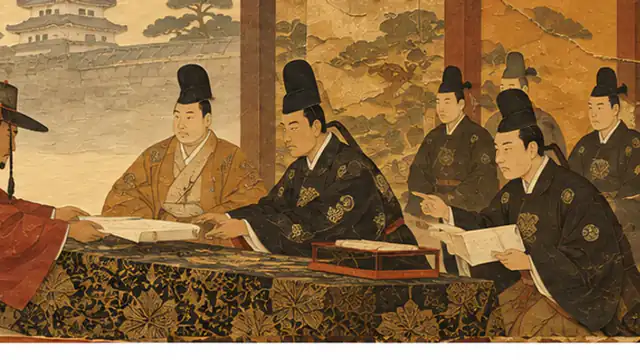 1711
1711The 1711 Korean Embassy and the Diplomatic Title Dispute
正徳の朝鮮通信使と外交称号問題
Why it mattersWhen a Korean embassy came to congratulate Tokugawa Ienobu in 1711, Arai Hakuseki sought to revise diplomatic titles and ceremony, while Amenomori Hōshū worked within Tsushima's interpreting and document system to keep the relationship operable.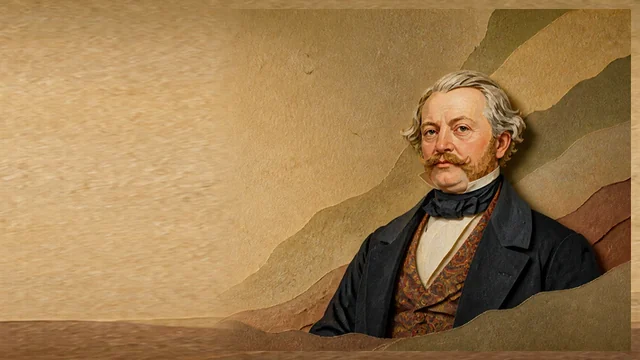 1858
1858The United States–Japan Treaty of Amity and Commerce
日米修好通商条約
Why it mattersOn July 29, 1858, Inoue Kiyonao and Iwase Tadanari signed a commercial treaty with Townsend Harris, permitting trade and foreign residence under fixed duties and consular jurisdiction without prior imperial approval.- 1860
Kanrin Maru Crosses the Pacific
咸臨丸の渡米
Why it mattersIn 1860, *Kanrin Maru* crossed from Uraga to San Francisco under Kimura Yoshitake and Katsu Kaishū, with American assistance, while Japan’s treaty-ratification envoys traveled aboard the American *Powhatan*. 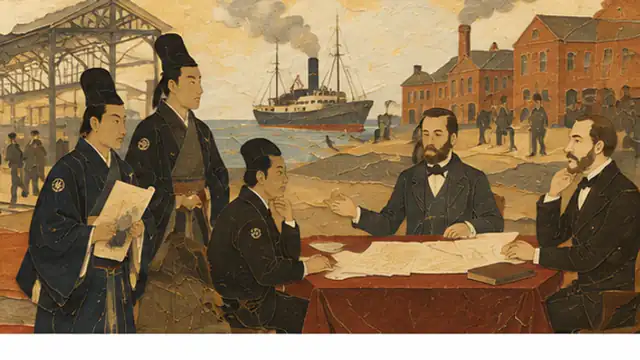 1871–1873
The Iwakura Mission Negotiates and Investigates Abroad
岩倉使節団
Why it mattersThe Iwakura Mission left Yokohama in December 1871 to present imperial credentials, prepare treaty revision and investigate foreign institutions; its leaders returned in September 1873 after unsuccessful treaty negotiations and extensive observation.- 1875
Japan and Russia Exchange Sakhalin Claims for Eighteen Kuril Islands
樺太・千島交換条約
Why it mattersIn the Treaty of Saint Petersburg, signed on May 7, 1875, Japan relinquished its claims to Sakhalin in exchange for Russia’s eighteen Kuril islands from Shumshu to Urup; the settlement was followed by forced relocation of Sakhalin Ainu. 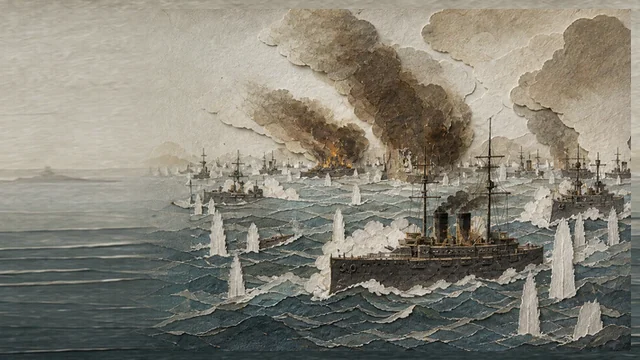 1904-1905
The Russo-Japanese War and the Portsmouth Settlement
日露戦争とポーツマス条約
Why it mattersJapan fought Russia in 1904–05, taking Port Arthur and defeating the arriving Russian fleet at Tsushima before the Portsmouth Treaty transferred southern Sakhalin and Russian lease and railway rights, but granted no war indemnity.