

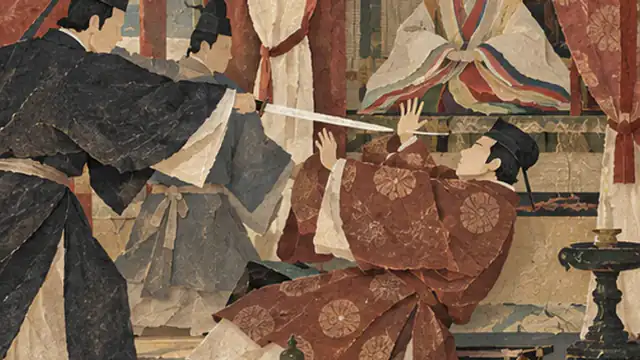
 645
645The Isshi Coup and Kōtoku's Succession
乙巳の変と孝徳天皇の即位
Why it mattersThe killing of Soga no Iruka opened a struggle over royal government; the coup and later reform traditions must be distinguished. 672
672The Jinshin War: From Yoshino to the Defeat of the Ōmi Court
壬申の乱
Why it mattersRoads, supplies, and provincial loyalties turned strategic distance from the palace into a successful claim to the throne.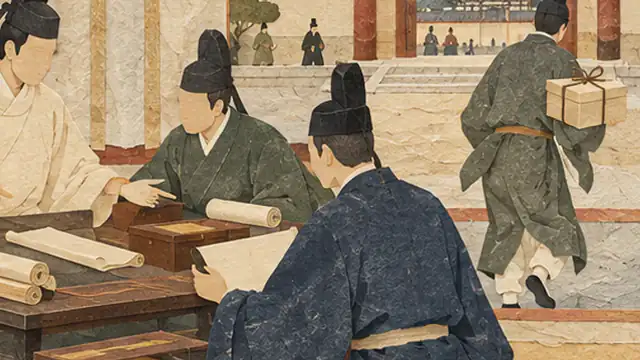 700–702
The Taihō Code Enters Government
大宝律令の施行
Why it mattersThe Taihō code gave offices, ranks and administrative obligations a shared legal framework, translated into practice through officials and instruction.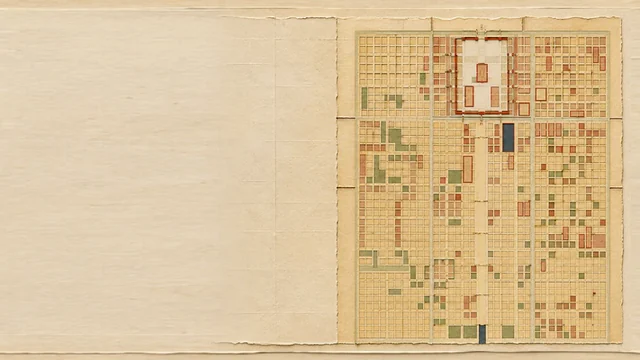 794
794The Court Moves to Heian-kyō
平安京遷都
Why it mattersKyoto became an enduring source of court legitimacy and cultural authority, even as political power and the lived city departed from its plan. 1185
1185The Bunji Authorization: Pursuit, Provisions and Warrior Appointments
文治の勅許
Why it mattersGovernors and stewards carried Kamakura authority into provincial landholding, creating durable influence alongside overlapping claims and lawsuits.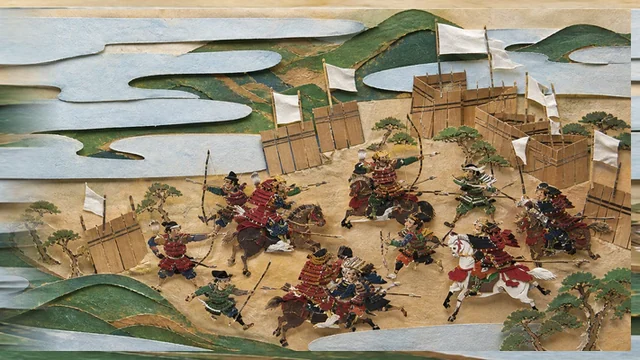 1467
1467The Ōnin War: Rival Armies Occupy Kyoto
応仁の乱の勃発
Why it mattersWarfare undermined trust in central arbitration and devastated Kyoto, accelerating political fragmentation whose local beginnings varied across Japan.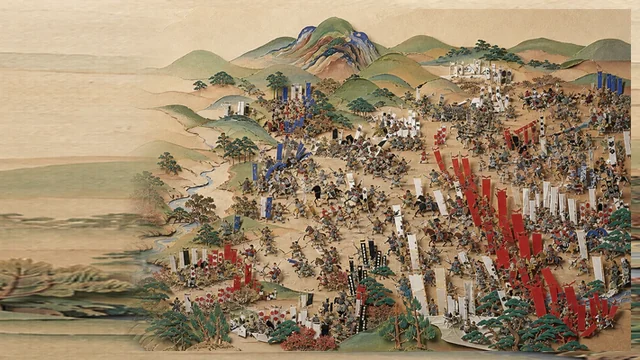 1600
1600Sekigahara: Campaign, Victory and Territorial Settlement
関ヶ原の戦い
Why it mattersSekigahara redistributed land and allegiance in Ieyasu's favor, creating the foundations—but not the complete institutions—of Tokugawa rule.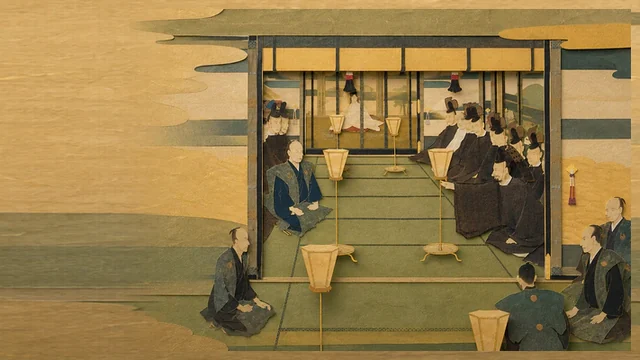 1868
1868The Restoration Coup Replaces the Shogunate
王政復古の政変
Why it mattersThe coup authorized regime change in the emperor's name while leaving military obedience, revenue, and practical administration unresolved. 1869-1871
Returning Registers and Abolishing Domains
版籍奉還と廃藩置県
Why it mattersPrefectural government replaced hereditary domains, giving the center new routes to households, taxation, schooling, policing, and military recruitment.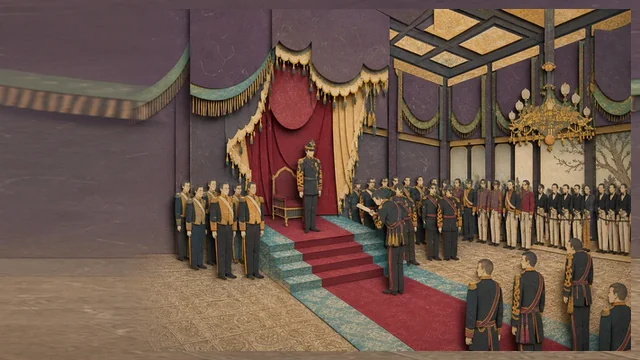 1885–1890
Cabinet, Constitution, Diet and Imperial Morality
内閣・憲法・帝国議会
Why it mattersConstitutional government created lasting arenas for elections and public argument while preserving overlapping, partly unaccountable centers of authority.