

 587
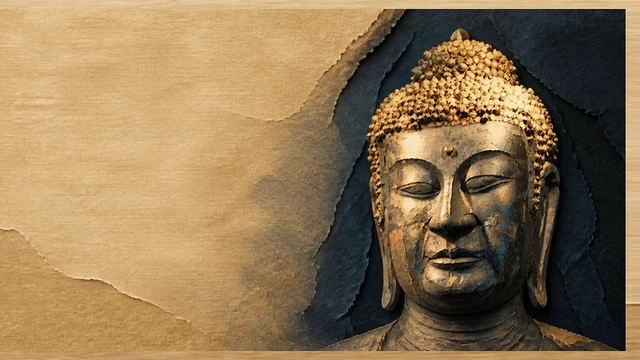
587Soga, Mononobe, Buddhism, and Succession
丁未の乱
Why it mattersThe conflict joined succession, military force, and Buddhist patronage, giving later institutions a powerful—and contested—origin story. 741
741The Edict for Provincial Monasteries and Nunneries
国分寺・国分尼寺建立の詔
Why it mattersProvincial monasteries and nunneries gave protective Buddhism a territorial infrastructure dependent on land, labor, texts, and administrative supervision.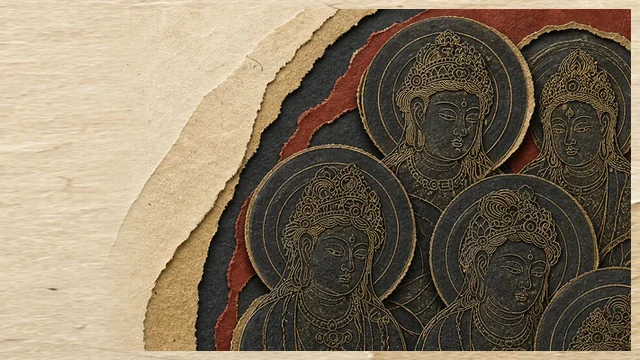 752
752The Eye-Opening of Tōdai-ji’s Great Buddha
東大寺大仏開眼供養
Why it mattersThe consecration brought ritual specialists and imperial patronage together around a Buddha made through materials, labor and knowledge gathered across regions.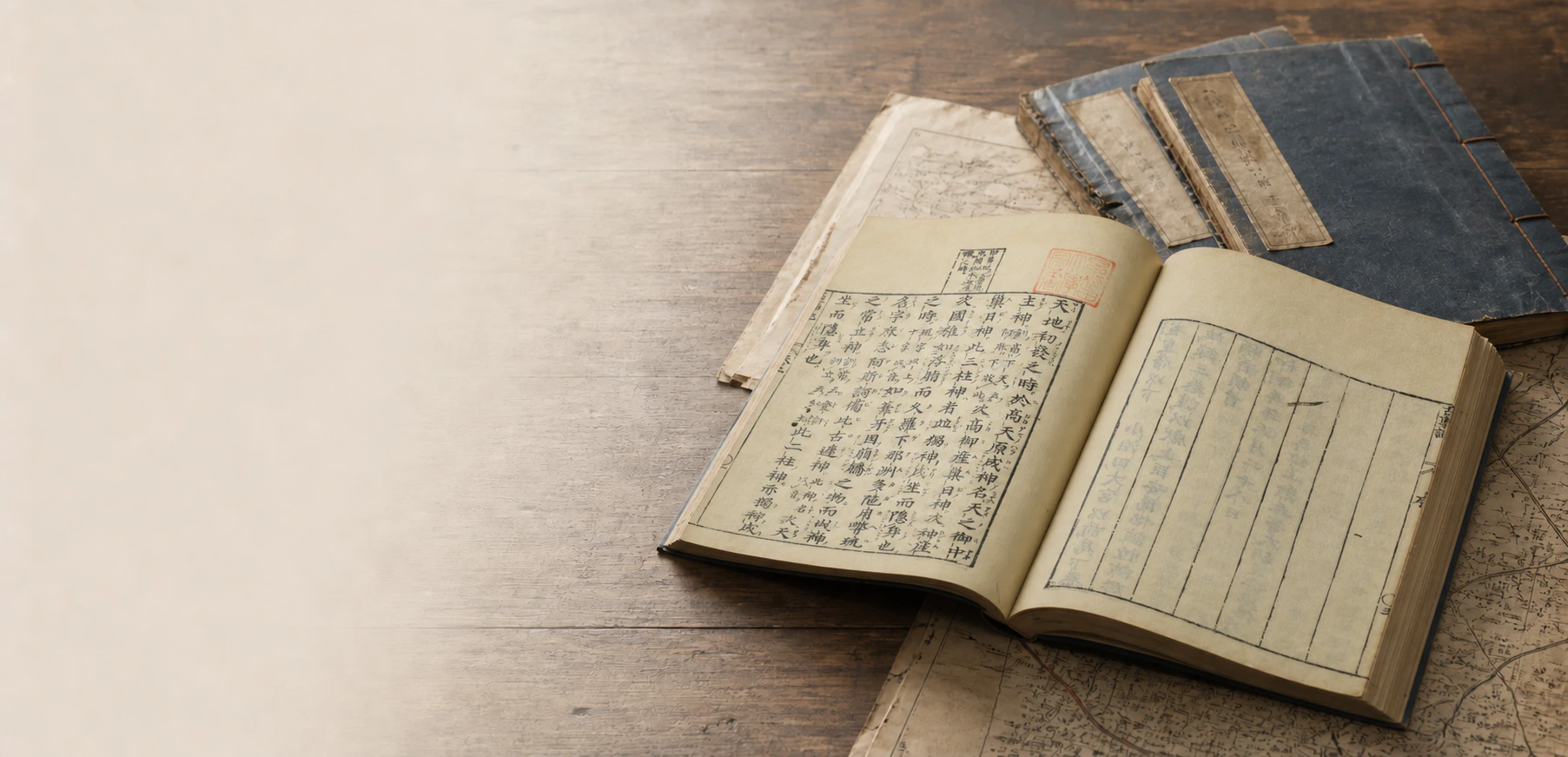 753
753Ganjin Reaches Japan with the Returning Mission
鑑真の来日
Why it mattersGanjin's arrival brought teachers, texts and ritual expertise that strengthened an enduring system of Buddhist ordination. 804-806
Kūkai Studies in Tang China and Returns to Japan
空海の入唐と帰国
Why it mattersStudy in Tang China and the transmission of texts, images and ritual instruction gave Kūkai the foundations of a new institutional program in Japan.- 822
Saichō Dies and Mount Hiei Receives Ordination Approval
最澄の死と大乗戒壇の勅許
Why it mattersApproval for Mount Hiei's ordination platform changed the relationship between Buddhist training and the older Nara clerical institutions. 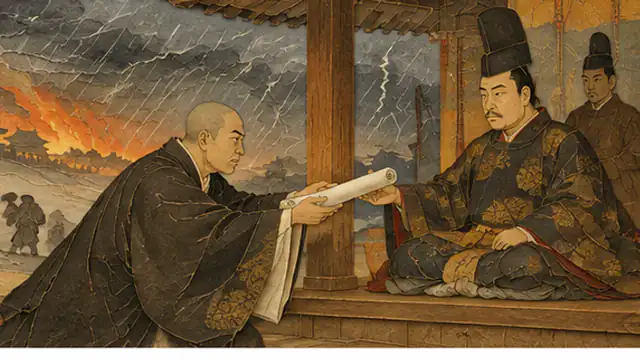 1260
1260Nichiren Submits the Risshō Ankoku Ron
『立正安国論』の提出
Why it mattersNichiren addressed the country's disasters as a problem of religious and political responsibility, presenting his argument directly to those in power.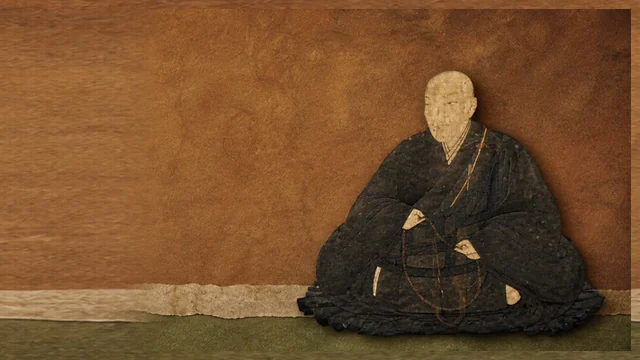 1570-1580
The Ishiyama War Ends with Honganji’s Withdrawal
石山本願寺の退去
Why it mattersThe struggle showed how religious organization depended on commercial and military networks; the former temple city later supplied Osaka Castle's strategic setting.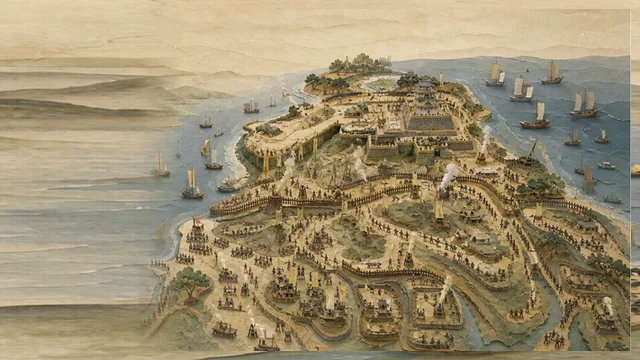 1637-1638
The Shimabara–Amakusa Uprising and the Siege of Hara
島原・天草一揆
Why it mattersRebellion and its suppression connected local hardship and Christian persecution to stronger religious surveillance and a reorganization of maritime access.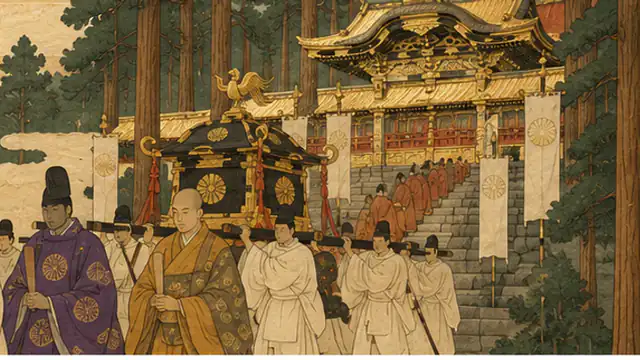 1616–1617
Ieyasu Receives the Divine Title and Is Enshrined at Nikkō
家康の神号と日光への改葬
Why it mattersIeyasu's posthumous enshrinement linked the Tokugawa founder to sacred authority and made Nikkō a focus of dynastic patronage.