Skip to content
Chronicle

Search History Omakase

Start typing to search.

    Read Go-Daigo’s Rising and the Fall of the Kamakura Government

    Read the article below. Interactive reading tools are available when scripts load.

    Overview

    Go-Daigo’s Rising and the Fall of the Kamakura Government

    Go-Daigo’s attempt to defeat the Kamakura government in 1331 ended with his capture after resistance at Kasagi. The court placed Kōgon on the throne, and Go-Daigo was exiled to Oki in 1332. His removal did not end opposition: Kusunoki Masashige continued resistance at fortified positions around Akasaka and Chihaya, while Prince Moriyoshi also worked against the government.

    In 1333 Go-Daigo escaped Oki and established a western rallying point at Senjōsan in Hōki. Ashikaga Takauji, sent west on the government’s side, changed allegiance. A vow associated with Shinomura records his pledge to defeat Kamakura and reward Hachiman with land and shrine adornment if victorious. His forces attacked Kyoto’s Rokuhara headquarters, which fell in the fifth month.

    Nitta Yoshisada rose in the east and attacked Kamakura. On the twenty-second day of the fifth month, Hōjō Takatoki and members of his following died at Tōshōji. The loss of both the Kyoto headquarters and the eastern center ended the government. Takauji was then a commander supporting Go-Daigo, not yet the shogun of a new Ashikaga regime.

    Go-Daigo’s return made a new imperial administration possible, but its arrangements and warrior alliances still had to be settled. Hōjō survivors remained active after 1333. Excavated structures, tiles and fire traces at Tōshōji preserve the setting of the defeat; the nearby cave-suicide story is a later tradition. The political collapse can be stated without adopting miracle stories about Nitta’s attack or an independently verified total for the dead.

    Sources and notes

    1. 足利高氏願文 · Kameoka City Cultural Museum
    2. 三浦一族関係年表1213–1333 · Yokosuka City
    3. 北条氏150年:幕府滅亡展 · Kamakura History and Culture Exchange Center
    4. 史跡東勝寺跡 · Kamakura City

    About these sources

    Back

    1331-1333 | Go-Daigo’s Rising and the Fall of the Kamakura Government元弘の乱と鎌倉幕府の滅亡

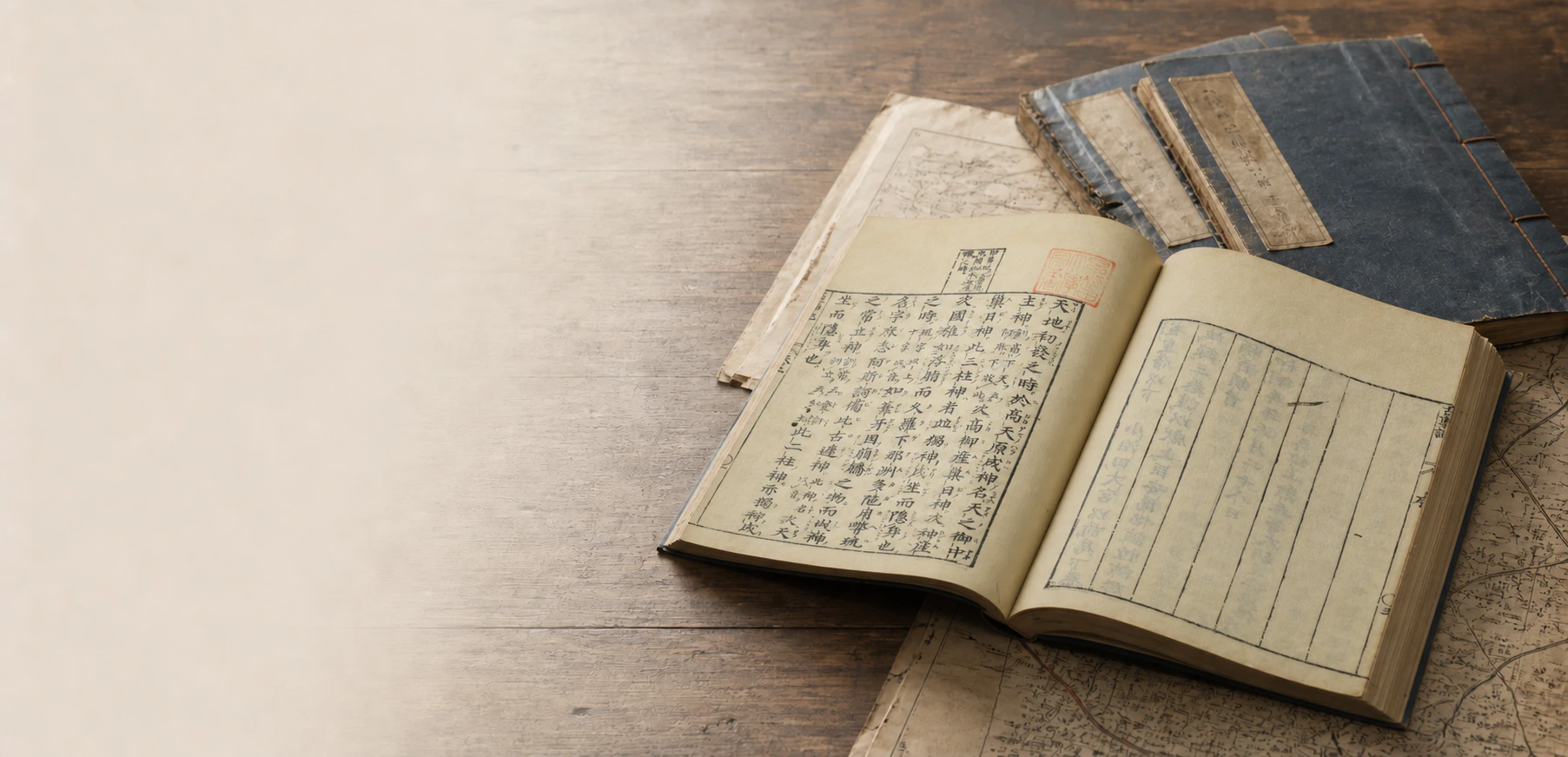
    The Kojiki in an open-book still life

    Go-Daigo’s Rising and the Fall of the Kamakura Government

    Go-Daigo’s attempt to defeat the Kamakura government in 1331 ended with his capture after resistance at Kasagi. The court placed Kōgon on the throne, and Go-Daigo was exiled to Oki in 1332. His removal did not end opposition: Kusunoki Masashige continued resistance at fortified positions around Akasaka and Chihaya, while Prince Moriyoshi also worked against the government.

    In 1333 Go-Daigo escaped Oki and established a western rallying point at Senjōsan in Hōki. Ashikaga Takauji, sent west on the government’s side, changed allegiance. A vow associated with Shinomura records his pledge to defeat Kamakura and reward Hachiman with land and shrine adornment if victorious. His forces attacked Kyoto’s Rokuhara headquarters, which fell in the fifth month.

    Nitta Yoshisada rose in the east and attacked Kamakura. On the twenty-second day of the fifth month, Hōjō Takatoki and members of his following died at Tōshōji. The loss of both the Kyoto headquarters and the eastern center ended the government. Takauji was then a commander supporting Go-Daigo, not yet the shogun of a new Ashikaga regime.

    Go-Daigo’s return made a new imperial administration possible, but its arrangements and warrior alliances still had to be settled. Hōjō survivors remained active after 1333. Excavated structures, tiles and fire traces at Tōshōji preserve the setting of the defeat; the nearby cave-suicide story is a later tradition. The political collapse can be stated without adopting miracle stories about Nitta’s attack or an independently verified total for the dead.

    Sources and notes ViewHide
    1. [1]

      足利高氏願文Kameoka City Cultural Museum

    2. [2]

      三浦一族関係年表1213–1333Yokosuka City

    3. [3]

      北条氏150年:幕府滅亡展Kamakura History and Culture Exchange Center

    4. [4]

      史跡東勝寺跡Kamakura City

    Reading context

    Reading preferences

    Text size
    Glossary intensity

    Choose how much explanation appears as you read.

    Saved on this device. All terms remain available in the glossary.

    Browse the glossary →
    History Omakase

    Opening reading…