
Skip to content
Chronicle

Search History Omakase

Start typing to search.

    Read Iemochi Goes to Kyoto to Meet the Imperial Court

    Read the article below. Interactive reading tools are available when scripts load.

    Overview

    Iemochi Goes to Kyoto to Meet the Imperial Court

    Tokugawa Iemochi traveled to Kyoto in 1863 amid disagreement with Emperor Kōmei over foreign relations. It was the first shogunal visit since Iemitsu’s journey in 1634. The visit placed the shogun in the capital where courtiers and domain representatives were increasingly directing debate over expulsion.

    Iemochi accompanied Kōmei’s procession to the Kamo shrines. He was absent, with illness given as the reason, from the emperor’s later procession to Iwashimizu Hachiman. He subsequently made his own visit there. A surviving shrine record details reception, route guards, rest stops and offerings for that separate journey.

    These distinctions matter because imperial attendance, shogunal ceremony and acceptance of an expulsion policy were different acts. The visit did not produce a durable agreement on the treaties. Iemochi returned to Kyoto again in 1864 and 1865, and publishers issued prints of the processions. His repeated travel shows how negotiation with the court had become a continuing part of shogunal government.

    Sources and notes

    1. 将軍家御社参用記 · National Museum of Japanese History
    2. 幕末の将軍上洛 · Edo-Tokyo Museum

    About these sources

    Back

    1863 | Iemochi Goes to Kyoto to Meet the Imperial Court徳川家茂の上洛

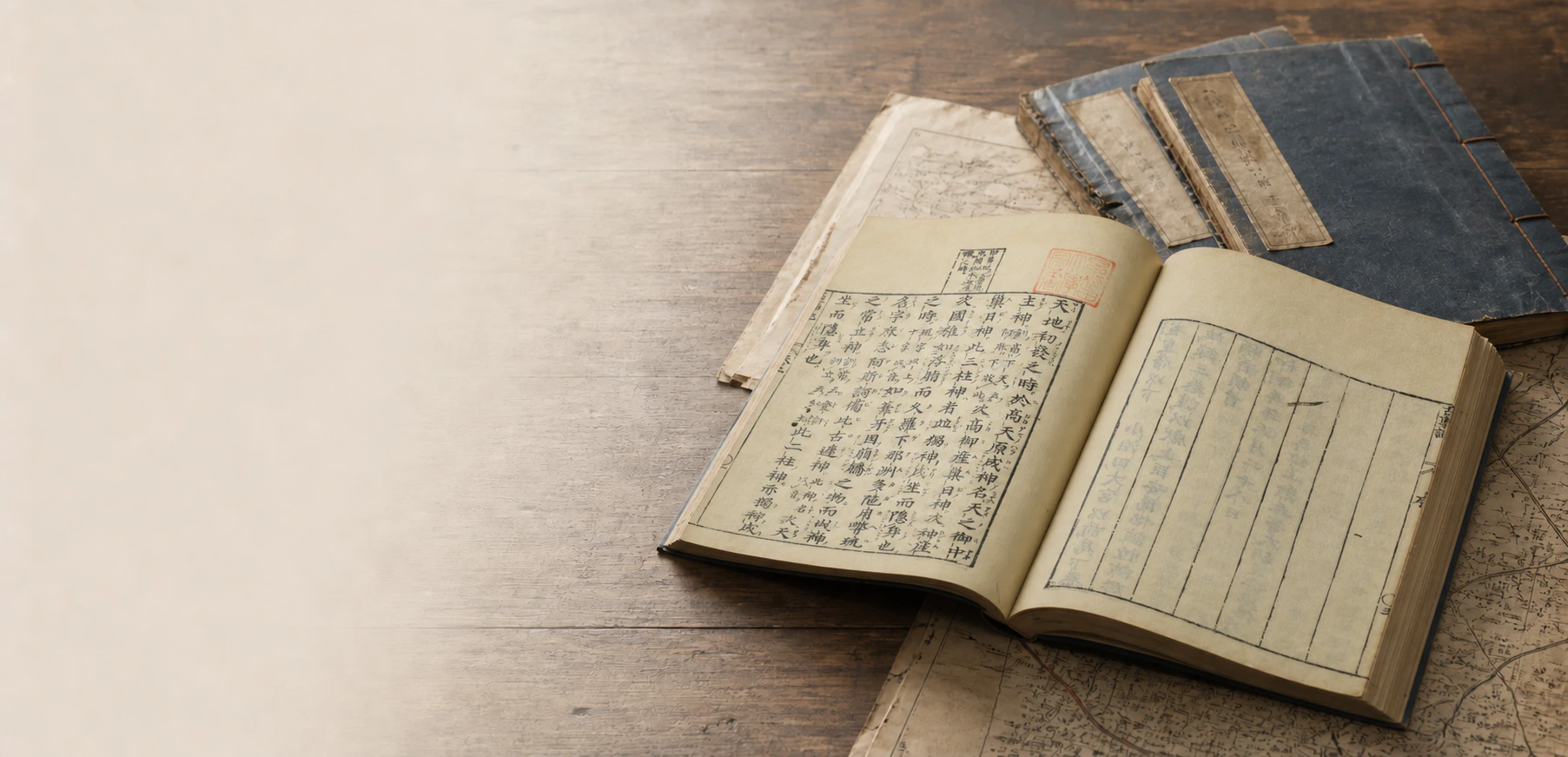
    The Kojiki in an open-book still life

    Iemochi Goes to Kyoto to Meet the Imperial Court

    Tokugawa Iemochi traveled to Kyoto in 1863 amid disagreement with Emperor Kōmei over foreign relations. It was the first shogunal visit since Iemitsu’s journey in 1634. The visit placed the shogun in the capital where courtiers and domain representatives were increasingly directing debate over expulsion.

    Iemochi accompanied Kōmei’s procession to the Kamo shrines. He was absent, with illness given as the reason, from the emperor’s later procession to Iwashimizu Hachiman. He subsequently made his own visit there. A surviving shrine record details reception, route guards, rest stops and offerings for that separate journey.

    These distinctions matter because imperial attendance, shogunal ceremony and acceptance of an expulsion policy were different acts. The visit did not produce a durable agreement on the treaties. Iemochi returned to Kyoto again in 1864 and 1865, and publishers issued prints of the processions. His repeated travel shows how negotiation with the court had become a continuing part of shogunal government.

    Sources and notes ViewHide
    1. [1]

      将軍家御社参用記National Museum of Japanese History

    2. [2]

      幕末の将軍上洛Edo-Tokyo Museum

    Reading context

    Reading preferences

    Text size
    Glossary intensity

    Choose how much explanation appears as you read.

    Saved on this device. All terms remain available in the glossary.

    Browse the glossary →
    History Omakase

    Opening reading…