Missions to Sui and Competing Records of Wa
In 607, Empress Suiko’s court sent Ono no Imoko to the Sui dynasty, with Kuratsukuri no Fukuri serving as interpreter. Sui had reunified much of China, and an embassy could obtain diplomatic recognition and access to Buddhist learning beyond the court’s established connections with the Korean peninsula.
The Chinese Book of Sui describes a letter from the ruler in the land of the rising sun to the ruler in the land of the setting sun. Its use of the same title, “Son of Heaven,” displeased Emperor Yang. That response did not end the exchange: in 608 Sui sent an envoy, called Pei Qing in the Chinese account and Pei Shiqing in the Nihon Shoki, to the archipelago.
The Japanese chronicle records his reception through northern Kyushu and Naniwa before an audience at court. Officials escorted him, presented the letter and arranged banquets. Such procedures put the ruler’s standing on display through attendants, clothing and the handling of diplomatic documents. Imoko accompanied the envoy on the return voyage, while eight students and Buddhist learners were also sent abroad.
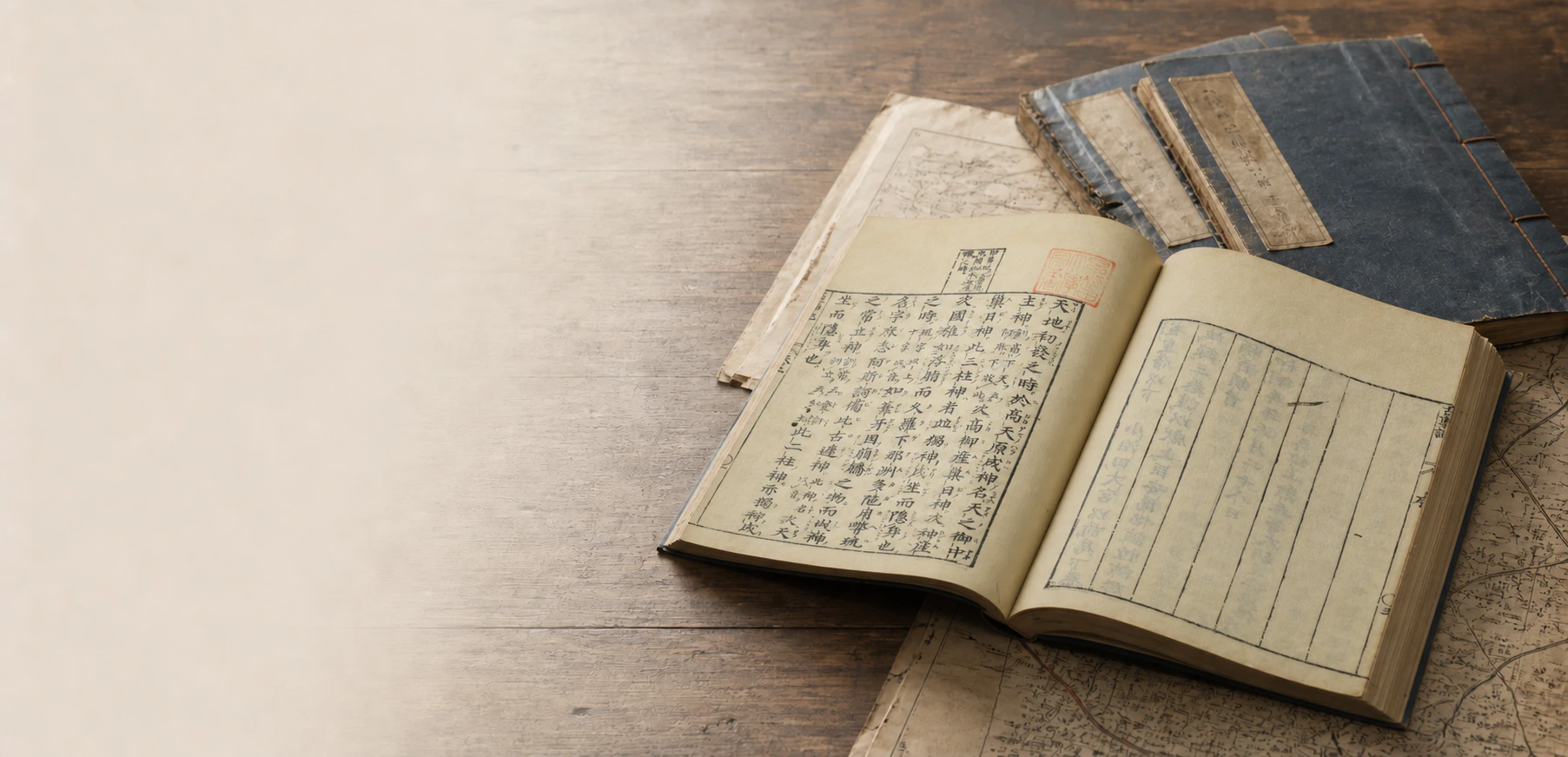
The two histories frame the encounter differently. The Book of Sui uses the language of tribute and imperial instruction; the Nihon Shoki preserves its own account of letters and court reception. The Chinese history also records a mission in 600 absent from the Japanese chronicle. These differences leave parts of the correspondence and the ruler’s identity uncertain. The sustained exchange of 607–608 is clearer than a single shared account of what each court thought it had achieved.