

 741
741The Edict for Provincial Monasteries and Nunneries
国分寺・国分尼寺建立の詔
Why it mattersIn 741, Emperor Shōmu ordered each province to establish a monastery and a nunnery, with land, clergy and recurring Buddhist rites to protect the realm.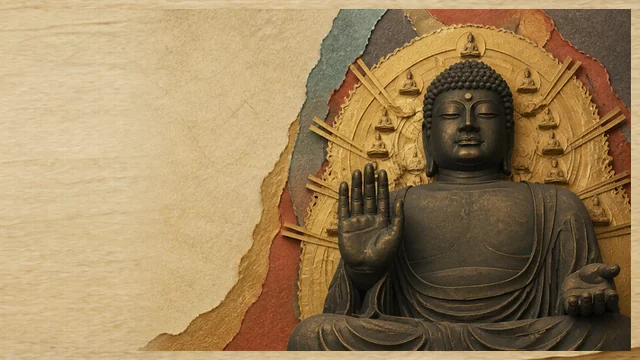 743
743The Edict to Create the Vairocana Great Buddha
盧舎那大仏造立の詔
Why it mattersIn 743, Emperor Shōmu issued a proclamation calling for the creation of a colossal image of Vairocana Buddha and publicly invited broad participation in the undertaking.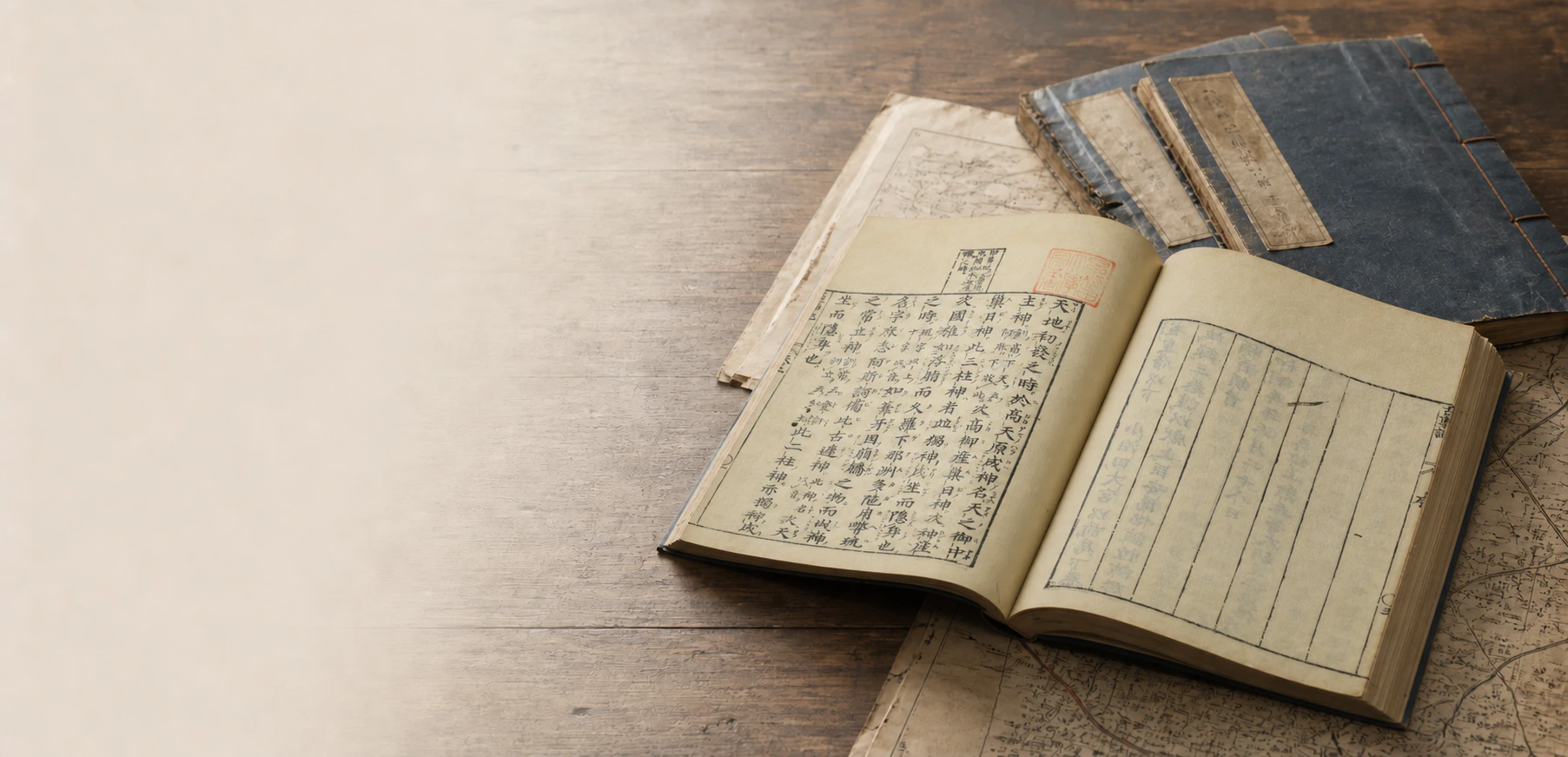 759
759Ganjin Establishes Tōshōdai-ji
唐招提寺の創建
Why it mattersIn 759, Ganjin established Tōshōdai-ji on the former estate of Prince Niitabe as a community for studying Buddhist monastic discipline.- 816
Kūkai Receives Permission to Establish Kōyasan
高野山開創の勅許
Why it mattersIn 816, Kūkai received Emperor Saga's permission to establish a Buddhist practice center at Kōyasan in Kii, beginning a building program continued by his disciples. - 823
Saga Entrusts Tō-ji to Kūkai
空海への東寺下賜
Why it mattersIn 823, Emperor Saga entrusted Tō-ji, the state temple beside Heian-kyō's southern entrance, to Kūkai, giving his esoteric Buddhist community a permanent base in the capital. - 1052-1053
Yorimichi Converts the Uji Villa into Byōdōin
平等院の創建
Why it mattersIn 1052 Fujiwara no Yorimichi converted his inherited Uji villa into the Buddhist temple Byōdōin, followed by the dedication of its Amida Hall in 1053. - 1105-1124
Kiyohira Builds the Chūsonji Temple Complex
藤原清衡による中尊寺造営
Why it mattersFrom 1105 Fujiwara no Kiyohira developed a major temple complex at Chūsonji, whose Golden Hall was built in 1124 and whose dedication prayer commemorated the dead of regional wars. - 1282
Engakuji’s Foundation under Hōjō Tokimune
円覚寺の創建
Why it mattersIn 1282, Hōjō Tokimune founded Engakuji in Kamakura with Wuxue Zuyuan as its first abbot, establishing a Zen institution associated with remembrance after the Mongol invasions. 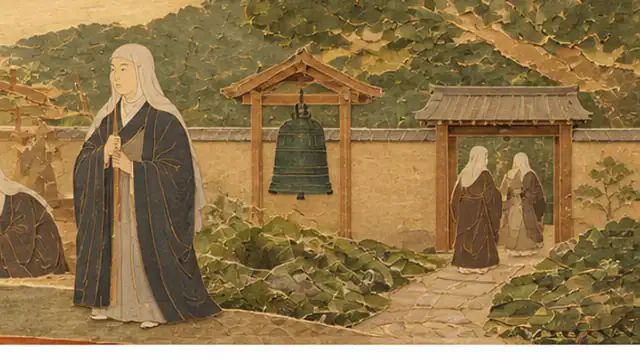 1285
1285The Founding of Tōkeiji
東慶寺の創建
Why it mattersIn 1285, Kakusan-ni opened Tōkeiji in Kamakura with Hōjō Sadatoki as founding patron, establishing a convent whose later history would make it an important refuge and legal space for women.- 1625
Tenkai Establishes Kan’eiji at Ueno
天海による寛永寺創建
Why it mattersTenkai established Kan’eiji at Ueno in 1625 with Tokugawa patronage, creating a Tendai prayer temple on reassigned estates that later developed princely abbots and shogunal burial precincts.