

 1720
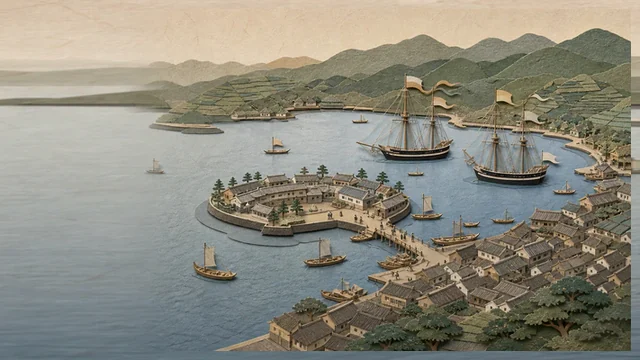
1720Yoshimune Relaxes Restrictions on Scientific Books
洋書輸入制限の緩和
Why it mattersIn 1720, Tokugawa Yoshimune allowed Chinese-language works by Christian missionaries to enter when their contents were unrelated to Christianity, widening access to Western learning while retaining religious prohibitions.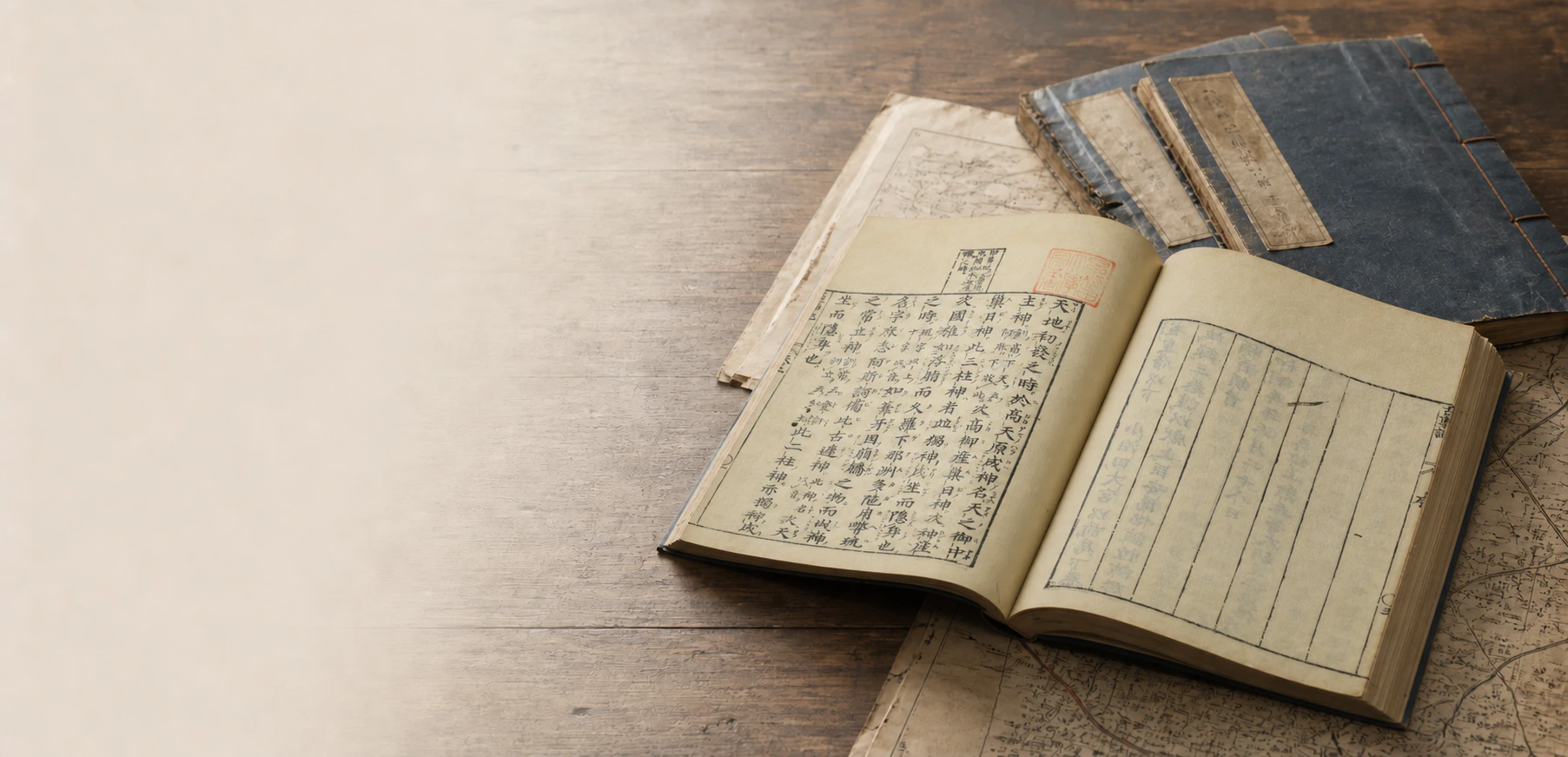 1771
1771Dutch Anatomy at the Kozukappara Autopsy
小塚原での解剖
Why it mattersAt Kozukappara in 1771, Sugita Genpaku, Maeno Ryōtaku and Nakagawa Jun’an compared an executed woman’s organs with Dutch anatomical illustrations and decided to translate the book together.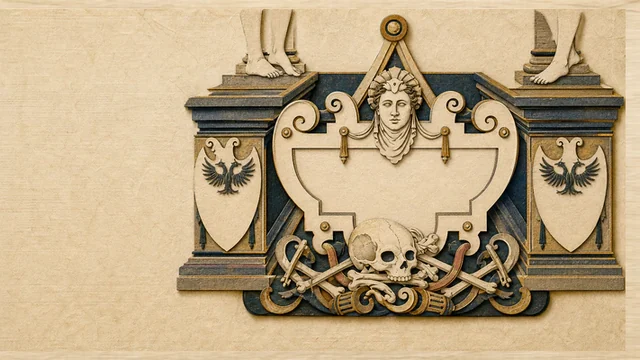 1774
1774Publishing Kaitai Shinsho
『解体新書』の刊行
Why it mattersIn 1774, Sugita Genpaku, Maeno Ryōtaku and their collaborators brought a European anatomy text into Japanese scholarly use through the illustrated publication Kaitai Shinsho.- 1800
Inō Tadataka’s First Survey in Ezo
伊能忠敬の蝦夷地測量
Why it mattersIn 1800, Inō Tadataka’s six-person party surveyed part of Ezo’s southern and eastern coast, combining a route north from Edo with measurements intended to improve maps and latitude calculations. - 1821
The Completed Inō Map Reaches the Shogunate
伊能図の完成と幕府への提出
Why it mattersIn 1821, the shogunate received the posthumously completed *Dai Nihon enkai yochi zenzu*, a coastal map set compiled from Inō Tadataka’s survey parties’ records at three scales. - 1815
Genpaku Writes Rangaku kotohajime
『蘭学事始』の執筆
Why it mattersIn 1815, Sugita Genpaku wrote *Rangaku kotohajime* for Ōtsuki Gentaku, recalling early Dutch learning and the collaborative anatomy translation whose history later readers recovered through an 1869 edition. 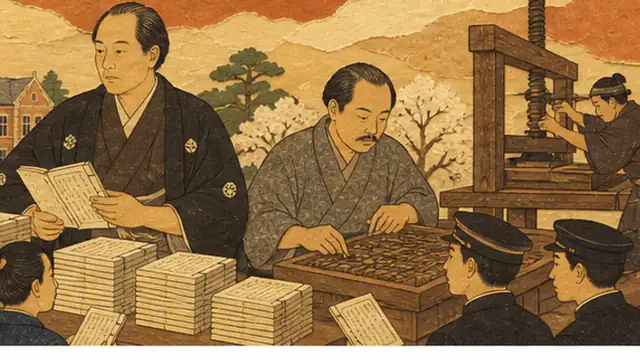 1872–1876
Publishing Gakumon no Susume
『学問のすゝめ』の刊行
Why it mattersBetween 1872 and 1876, Fukuzawa Yukichi issued the seventeen pamphlets of Gakumon no Susume, using a rapidly expanding print market to argue that practical learning and individual independence were foundations of national strength.- 1876
Sapporo Agricultural College Opens a Program of Scientific and Practical Training
札幌農学校の開校
Why it mattersSapporo Agricultural College opened its specialist course on August 14, 1876, combining English and scientific instruction with surveying and experimental agriculture for the Kaitakushi’s development program. - 1882
Ōkuma and Ono Build a Political Party and Tokyo Senmon Gakkō
大隈重信・小野梓と東京専門学校
Why it mattersIn 1882, Ōkuma Shigenobu and associates led by Ono Azusa founded the Constitutional Progressive Party and opened Tokyo Senmon Gakkō, creating organizations for parliamentary politics and higher education outside government. - 1882
Jiji Shimpō Opens a Daily Newspaper and Commercial Newsroom
『時事新報』の創刊
Why it mattersFukuzawa Yukichi and associates launched Jiji Shimpō on March 1, 1882, combining unsigned political editorials, news and advertisements in a daily newspaper financed through sales and advertising.