

 737
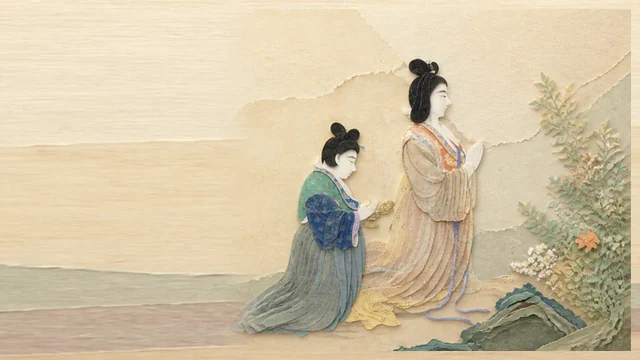
737The Tenpyō Epidemic and the Deaths of the Four Fujiwara Brothers
天平の疫病と藤原四兄弟の死
Why it mattersAn epidemic, generally identified as smallpox, spread from Kyushu in 735 to much of Japan by 737, killing all four leading Fujiwara brothers and disrupting households and government alike. 995
995The 995 Epidemic and Michinaga’s Rise at Court
長徳の疫病と道長の台頭
Why it mattersAmid the epidemic of 995, the deaths of Fujiwara no Michitaka and Michikane opened a succession struggle in which their younger brother Michinaga gained authority at Emperor Ichijō’s court.- 1360-1361
Epidemic and Harvest Loss amid the Civil War of 1360–1361
戦乱下の疫病と凶作
Why it mattersIn 1360–1361, epidemic reports and unusual cold accompanied harvest losses; Tara estate’s petitions show cultivators seeking inspection and relief while military demands continued. - 1657
The Great Fire of Meireki and Edo’s Reconstruction
明暦の大火と江戸復興
Why it mattersThree large fires devastated Edo in 1657; the shogunate supplied relief and rebuilt districts with wider streets, open firebreaks and relocated institutions, while leaving the castle keep unbuilt. - 1718-1722
Ōoka Organizes Edo’s Town Fire Brigades
大岡忠相と町火消
Why it mattersIn 1718, town magistrate Ōoka Tadasuke organized Edo’s town fire brigades under Yoshimune; subsequent district grouping made neighborhoods responsible for personnel and expenses in fighting fires. - 1722
Koishikawa Yōjōsho Opens for Poor Patients
小石川養生所の開設
Why it mattersThe shogunate opened Koishikawa Yōjōsho in 1722 after Ogawa Shōsen petitioned for poor patients’ care, then changed admission arrangements when fears of medical experiments kept patients away. - 1782-1788
The Tenmei Famine
天明の飢饉
Why it mattersCold weather and repeated crop failures brought the Tenmei famine to much of eastern Japan in the 1780s, overwhelming uneven relief and contributing to grain-price unrest in 1787. - 1783
Asama’s Tenmei Eruption
浅間山の天明噴火
Why it mattersAsama’s 1783 eruption buried settlements on its northern slope and sent destructive sediment through the Agatsuma and Tone rivers, leaving survivors to rebuild during the Tenmei famine. 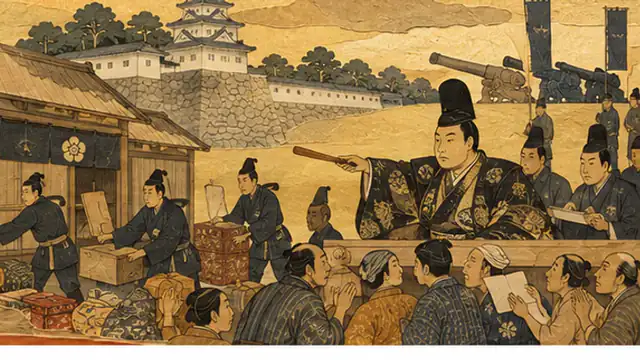 1841–1843
The Tenpō Reforms
天保の改革
Why it mattersBetween 1841 and 1843, Mizuno Tadakuni's Tenpō Reforms tried to cut prices, dissolve merchant guilds, regulate urban culture and transfer strategic lands to shogunal control, but resistance and policy failure quickly weakened the program.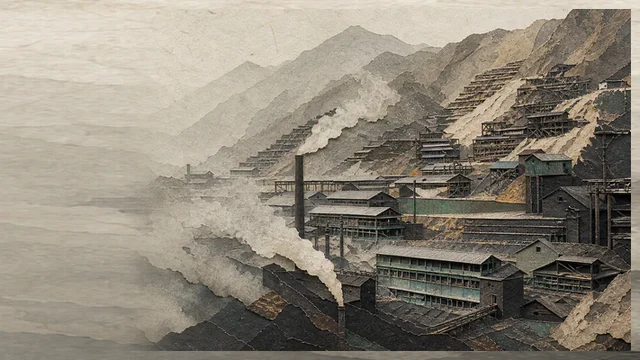 1880–1913
The Ashio Copper-Mine Pollution Crisis
足尾鉱毒事件
Why it mattersFrom the 1880s, Ashio mine pollution damaged the Watarase basin, provoking residents’ protests and prevention orders; mining continued, while a flood-control plan displaced Yanaka villagers.