

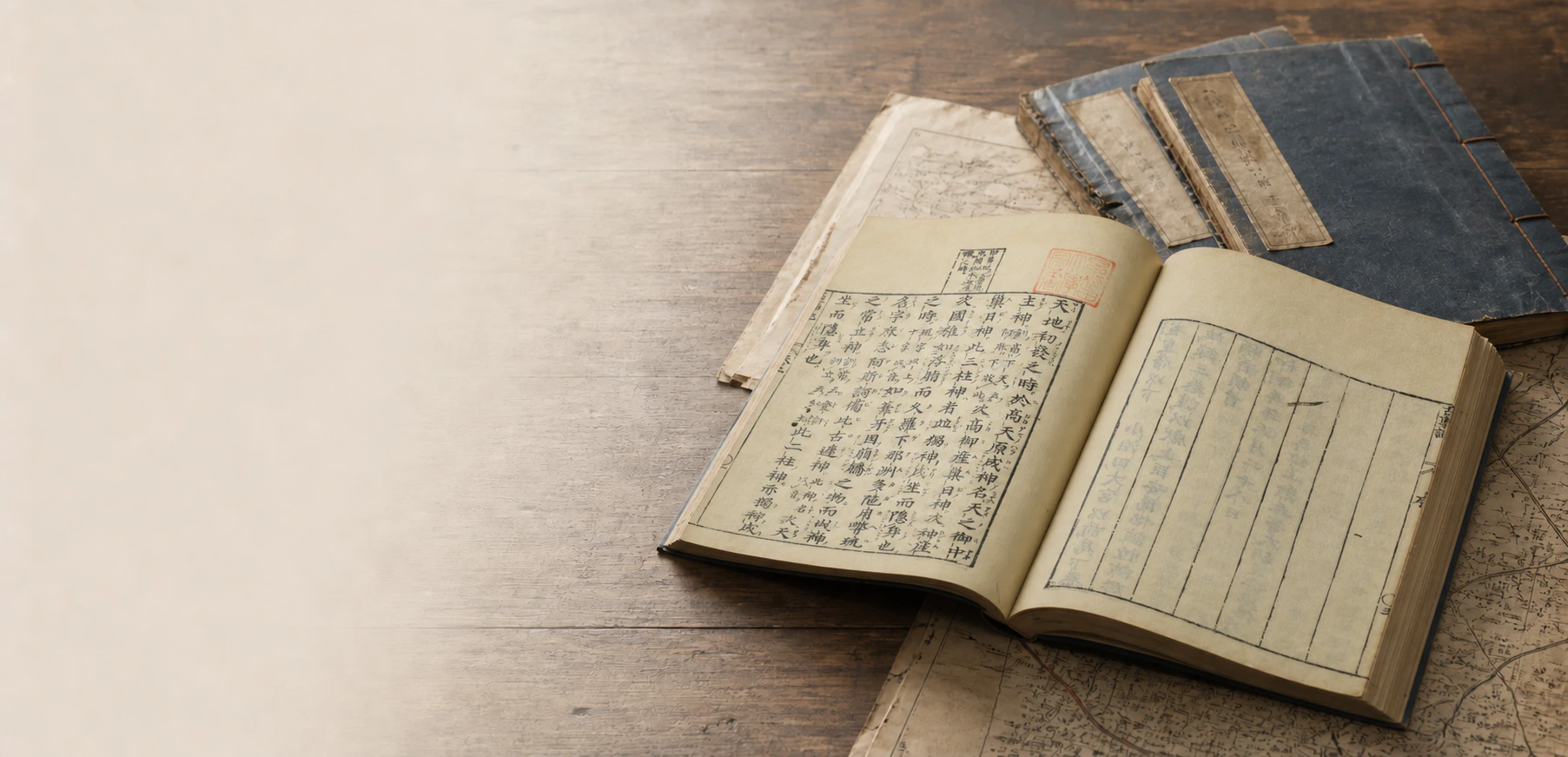
 690
690Jitō’s Formal Accession after the Death of Prince Kusakabe
持統天皇の即位
Why it mattersIn 690, Uno no Sarara, Emperor Tenmu’s widow, formally took the throne as Empress Jitō after several years of governing without enthronement.- 697
Jitō Abdicates to Her Grandson Monmu
持統天皇の譲位と文武天皇
Why it mattersIn 697, Empress Jitō abdicated to her grandson Prince Karu, who became Emperor Monmu, while she continued to assist government as a retired sovereign. - 749
Shōmu Abdicates and Kōken Accedes
聖武天皇の譲位と孝謙天皇
Why it mattersIn 749, Emperor Shōmu abdicated in favor of his daughter Princess Abe, who became Empress Kōken, while he continued to support the Great Buddha project as a retired sovereign. 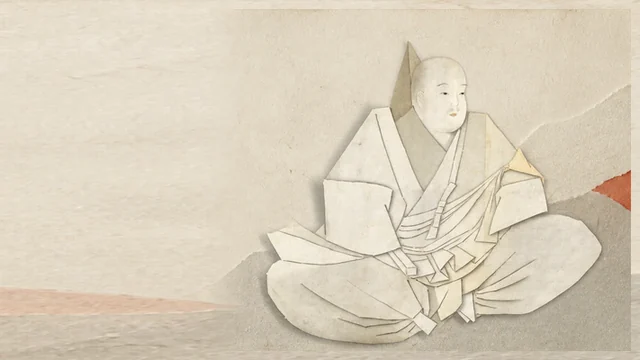 1086
1086Shirakawa Abdicates to Horikawa and Develops Retired Rule
白河天皇の譲位と院政
Why it mattersIn 1086 Emperor Shirakawa abdicated to his young son Horikawa, securing succession within his own line while retaining a household that developed into a lasting center of government.- 1199
Yoriie Succeeds Yoritomo and Senior Officials Mediate Government
頼家の継承と宿老政治
Why it mattersAfter Yoritomo died in 1199, Yoriie succeeded as lord of Kamakura, and a group of thirteen senior officials was designated to handle access to the young ruler’s government. 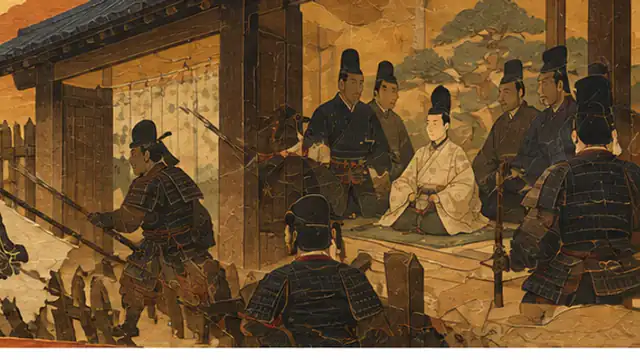 1203
1203The Hiki Defeat, Yoriie’s Deposition and Sanetomo’s Succession
比企能員の変
Why it mattersIn 1203, Hōjō forces killed Hiki Yoshikazu and destroyed his political base, deposed Yoriie and installed his younger brother Sanetomo as Kamakura’s next ruler.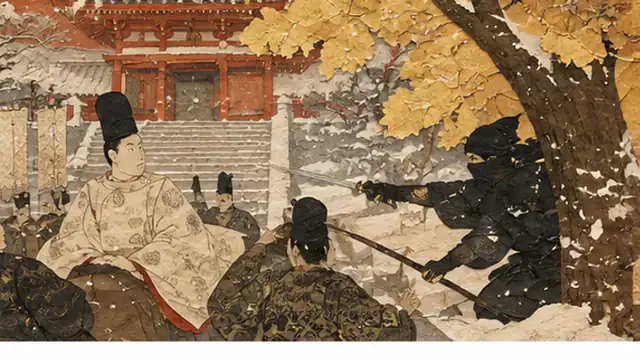 1219
1219Sanetomo’s Assassination and a New Shogunal Succession
源実朝の暗殺
Why it mattersIn 1219, Kugyō assassinated Minamoto no Sanetomo after a ceremony at Tsurugaoka Hachimangū, ending succession through Yoritomo’s direct male descendants.- 1473
Yoshihisa Inherits the Shogunal Office
足利義尚の将軍就任
Why it mattersYoshimasa transferred the shogunal office to his son Yoshihisa in the twelfth month of 1473, while the continuing Ōnin War and Yoshimasa’s continuing authority limited the change in government. 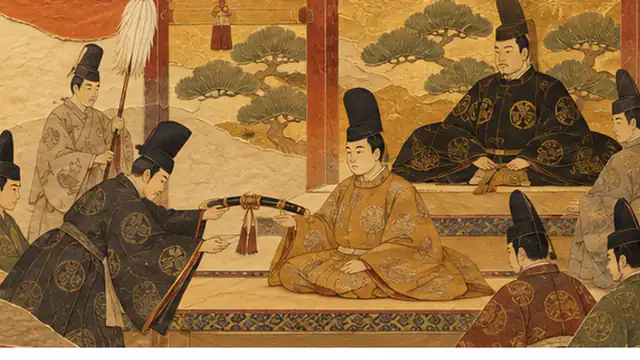 1623
1623Iemitsu Succeeds Hidetada as the Third Shogun
徳川家光の将軍就任
Why it mattersIemitsu received appointment as the third Tokugawa shogun during his 1623 journey to Kyoto, while his retired father Hidetada continued exercising authority over territorial grants.- 1867-1868
Mutsuhito Succeeds and Is Formally Enthroned
明治天皇の即位
Why it mattersMutsuhito succeeded as emperor in 1867 and underwent formal enthronement in Kyoto in October 1868, while the restoration government was still fighting the Boshin War and organizing its authority.