

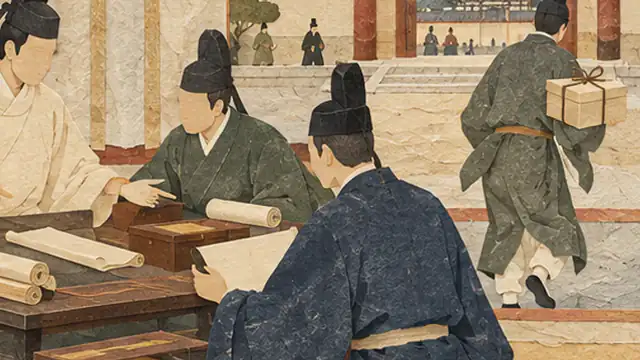
 700–702
The Taihō Code Enters Government
大宝律令の施行
Why it mattersThe Taihō code gave offices, ranks and administrative obligations a shared legal framework, translated into practice through officials and instruction.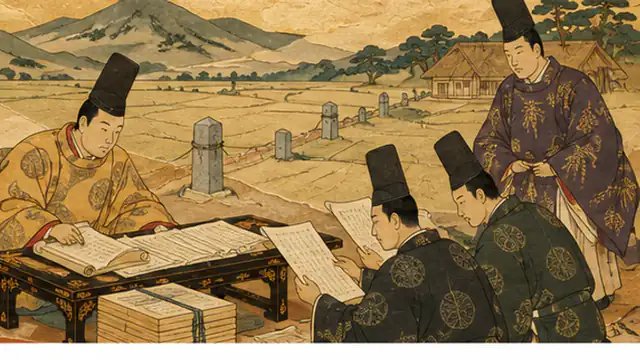 1068
1068Go-Sanjō’s Accession and the Review of Estate Claims
後三条天皇と荘園整理
Why it mattersThe review of estate documents made proof of title a means of asserting court authority over expanding private claims.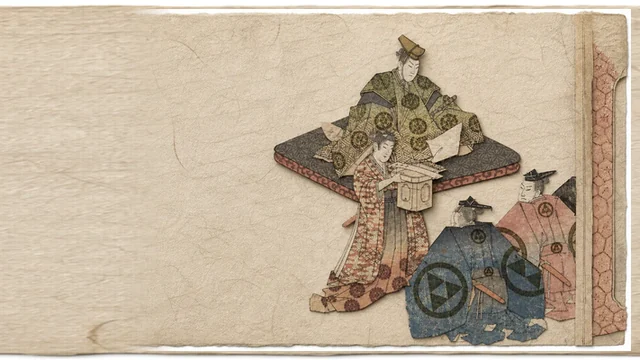 1232
1232The Goseibai Shikimoku Defines Rules for Warrior Government
御成敗式目
Why it mattersA shared written basis for warrior judgments made procedure more predictable without erasing the jurisdictions of temples, proprietors, and the court. 1352-1368
Hanzei: Wartime Revenue Shares Become Land Rights
半済と守護の権力
Why it mattersMilitary provisioning brought provincial commanders into revenue collection and local administration, giving emergency assignments lasting political consequences.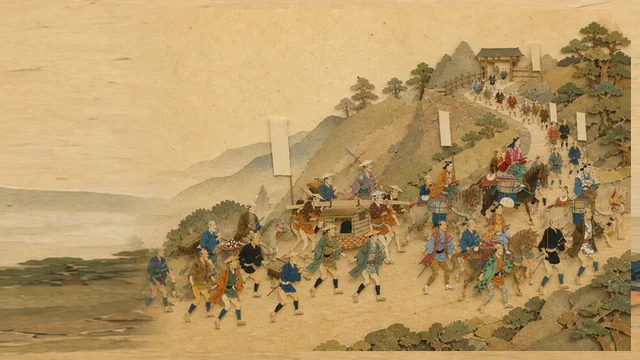 1635
1635Sankin-kōtai and the Regulation of Daimyō Movement
参勤交代と大名統制
Why it mattersRegulated movement tied domain households to Edo and sustained transport, lodging, communications, and exchange along the highways. 1639
1639The Portuguese Ban and Tokugawa Maritime Controls
ポルトガル船の来航禁止
Why it mattersControlled channels sustained foreign commerce and knowledge while concentrating power in ports, interpreters, brokers, officials, and selected domains.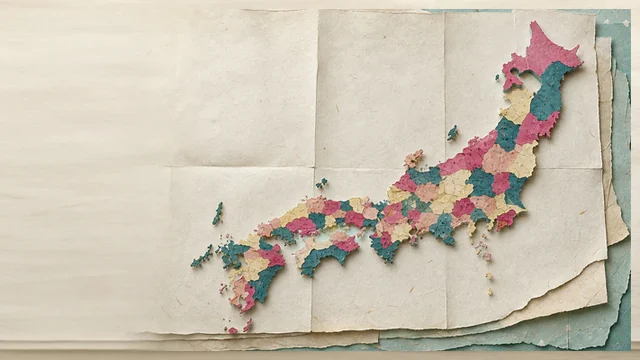 1869-1871
Returning Registers and Abolishing Domains
版籍奉還と廃藩置県
Why it mattersPrefectural government replaced hereditary domains, giving the center new routes to households, taxation, schooling, policing, and military recruitment. 1873
1873Conscription and Land-Tax Reform Create New Obligations
徴兵と地租改正
Why it mattersConscription and land-tax reform placed new military and fiscal obligations on households, connecting central government to local administration.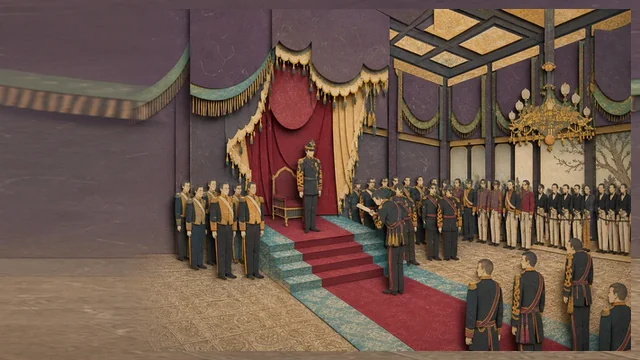 1885–1890
Cabinet, Constitution, Diet and Imperial Morality
内閣・憲法・帝国議会
Why it mattersConstitutional government created lasting arenas for elections and public argument while preserving overlapping, partly unaccountable centers of authority.- 1890-1916
Factory Investigation Leads to a Limited Worker-Protection Law
工場調査と工場法
Why it mattersFactory investigation exposed working conditions and helped produce a limited protection law, revealing both reform ambitions and their boundaries.