

 694
694The Court Moves to Fujiwara-kyō
藤原京遷都
Why it mattersAn ordered capital made avenues, offices, ritual, and supply routes instruments of government, setting expectations inherited by later capitals.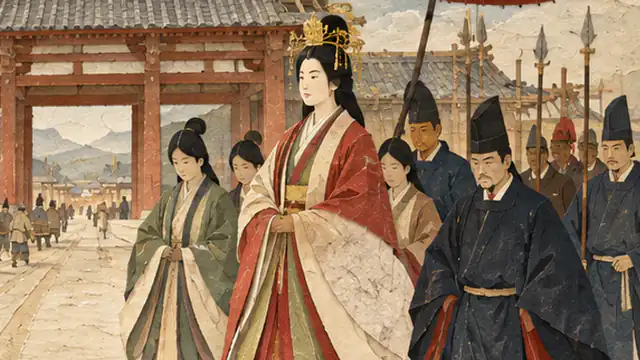 707–710
Genmei's Succession and the Move to Heijō-kyō
元明天皇の即位と平城京遷都
Why it mattersGenmei's government moved to Heijō-kyō, making a planned capital the setting for administration, court life and major religious institutions.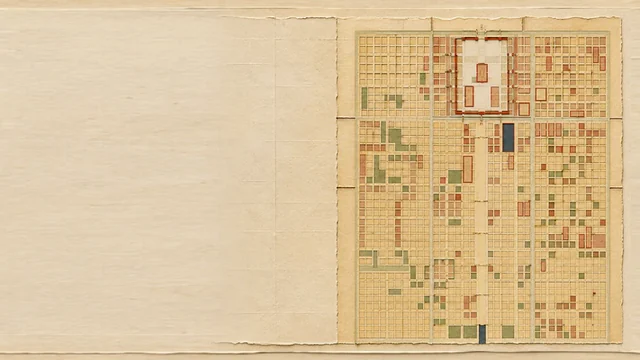 794
794The Court Moves to Heian-kyō
平安京遷都
Why it mattersKyoto became an enduring source of court legitimacy and cultural authority, even as political power and the lived city departed from its plan.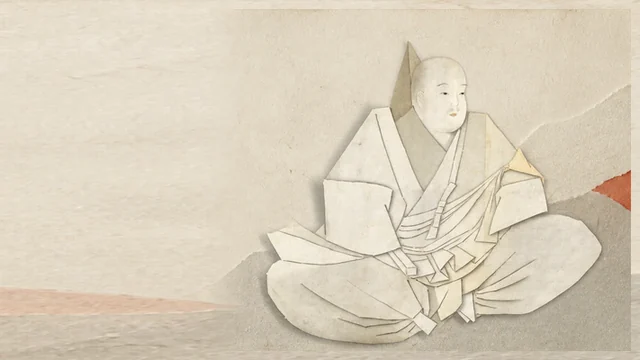 1086
1086Shirakawa Abdicates to Horikawa and Develops Retired Rule
白河天皇の譲位と院政
Why it mattersAbdication could redirect succession while the retired court assembled new relationships among estates, temples, aristocrats, and military households.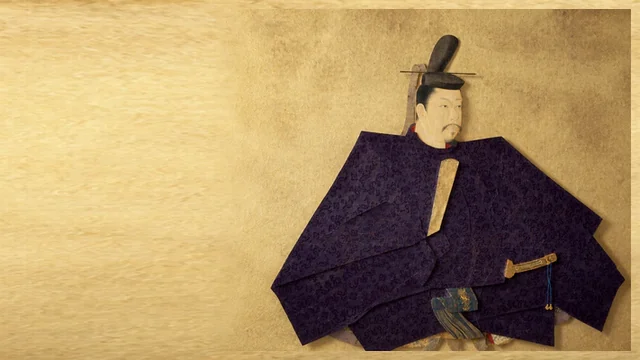 1185
1185The Bunji Authorization: Pursuit, Provisions and Warrior Appointments
文治の勅許
Why it mattersGovernors and stewards carried Kamakura authority into provincial landholding, creating durable influence alongside overlapping claims and lawsuits.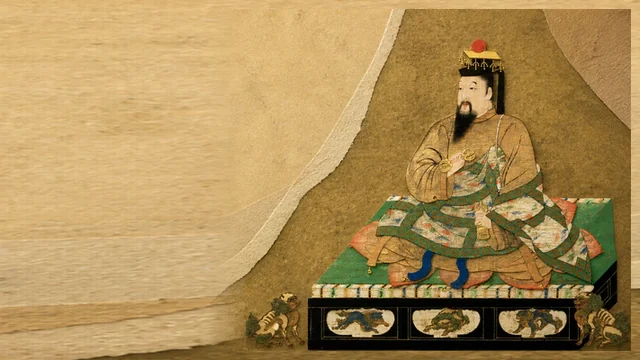 1336
1336Go-Daigo Establishes a Rival Court at Yoshino
吉野の南朝成立
Why it mattersThe Yoshino court gave rival imperial legitimacy a durable institutional base, sustained through documents, ritual, regional supporters, and military struggle.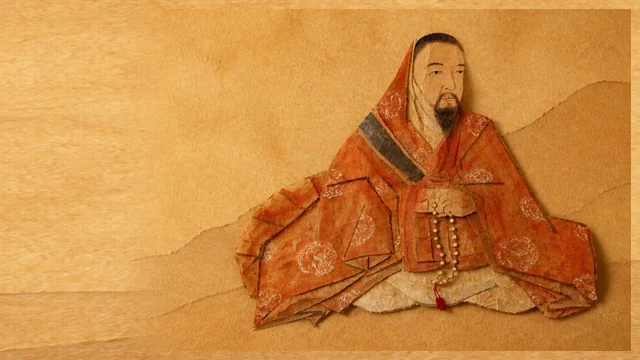 1392
1392The 1392 Settlement Ends the Two Courts
南北朝の合一
Why it mattersNegotiated reunification strengthened Ashikaga authority, but disputed succession promises preserved political memories that the settlement did not resolve.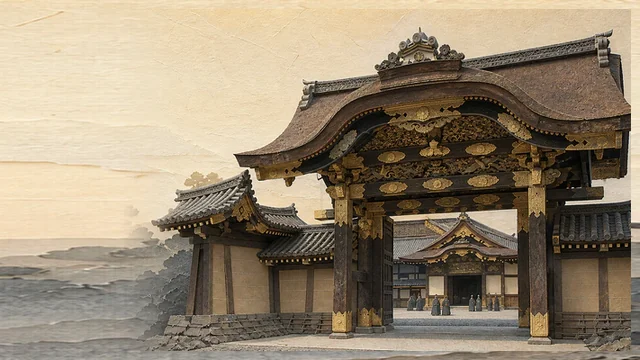 1603
1603Ieyasu Becomes Shogun and Establishes Tokugawa Succession
家康の将軍任官と徳川の継承
Why it mattersCourt appointment and hereditary succession converted military supremacy into an institutional order that still required further consolidation.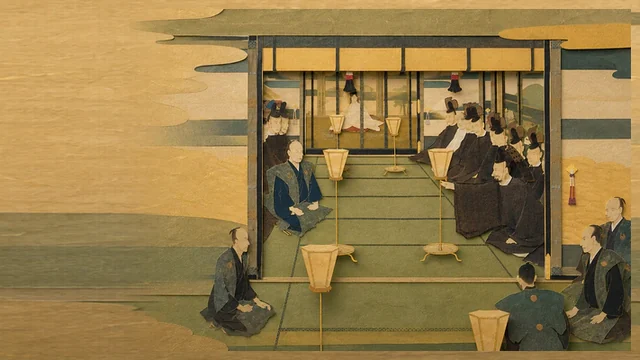 1868
1868The Restoration Coup Replaces the Shogunate
王政復古の政変
Why it mattersThe coup authorized regime change in the emperor's name while leaving military obedience, revenue, and practical administration unresolved.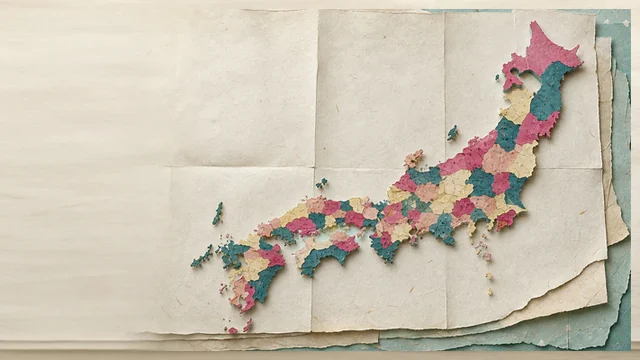 1869-1871
Returning Registers and Abolishing Domains
版籍奉還と廃藩置県
Why it mattersPrefectural government replaced hereditary domains, giving the center new routes to households, taxation, schooling, policing, and military recruitment.