
Skip to content
Chronicle

Search History Omakase

Start typing to search.

    Read Yoshihisa Inherits the Shogunal Office

    Read the article below. Interactive reading tools are available when scripts load.

    Overview

    Yoshihisa Inherits the Shogunal Office

    Ashikaga Yoshihisa became shogun in the twelfth month of Bunmei 5, conventionally labeled 1473 in Japanese historical chronologies; the appointment falls in January 1474 in the Gregorian calendar. His father Yoshimasa passed on the office while the Ōnin War was still being fought. Hosokawa Katsumoto and Yamana Sōzen had died during 1473, but their coalitions had not simply dissolved.

    Yoshihisa was a child. His title established the direct father-to-son succession that had competed with Yoshimi’s earlier designation, while Yoshimasa continued to exercise authority. Hino Tomiko also remained an important figure in the household. Appointment therefore settled the holder of the office without immediately providing an independent governing center.

    Yoshihisa’s own role expanded over time. His 1479 ceremonial beginning of official business marked a further stage, and after Yoshimasa moved to Higashiyama in 1483 the son took a larger part in government. The father still retained influence. Yoshihisa’s 1487 expedition against the Rokkaku in Ōmi would be a later assertion of military leadership. It belongs to the adult shogun’s subsequent career, rather than the powers he possessed on appointment.

    Sources and notes

    1. 足利義尚 · Nipponica and Yamakawa Japanese History Dictionary

    About these sources

    Back

    1473 | Yoshihisa Inherits the Shogunal Office足利義尚の将軍就任

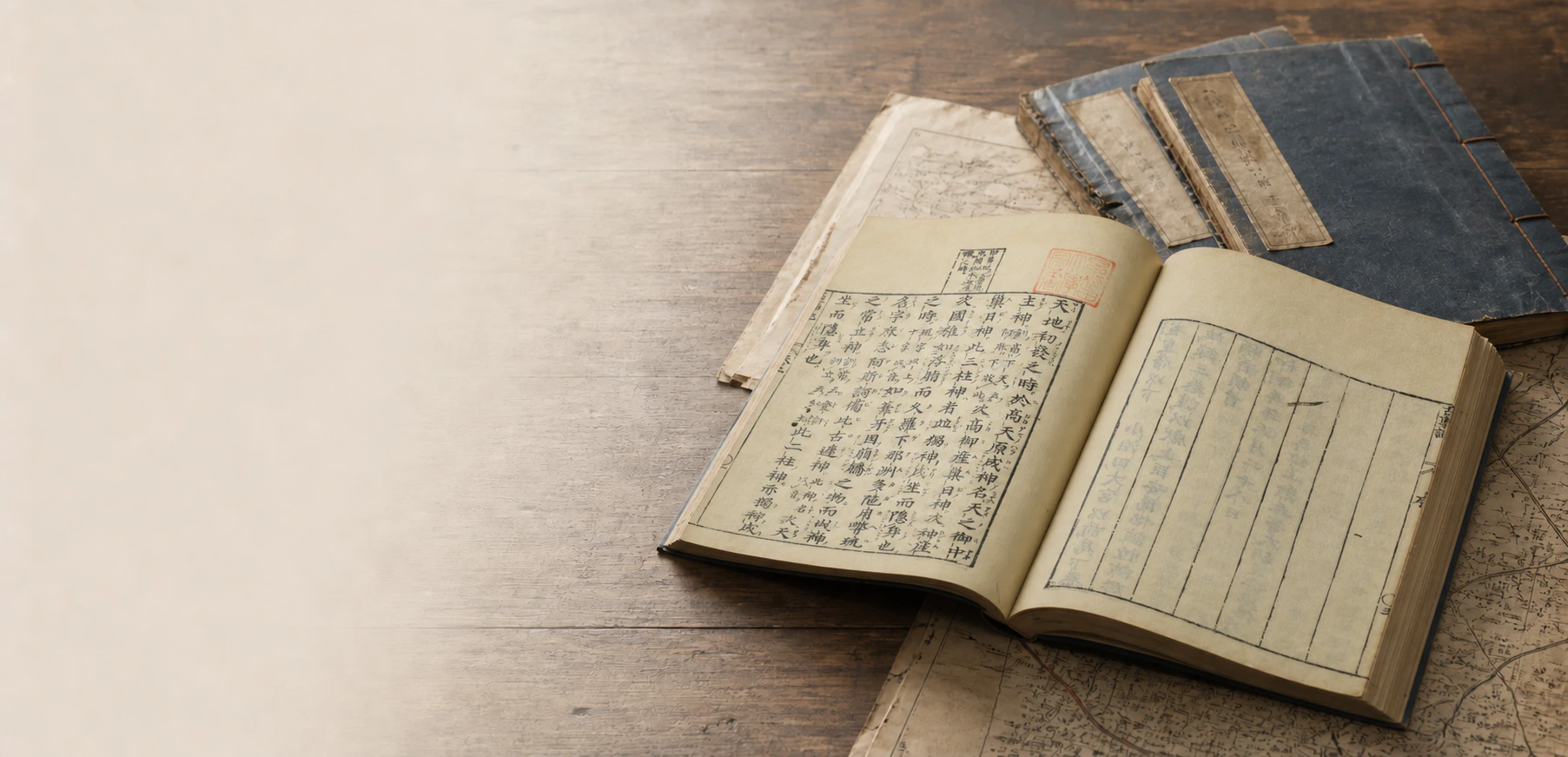
    The Kojiki in an open-book still life

    Yoshihisa Inherits the Shogunal Office

    Ashikaga Yoshihisa became shogun in the twelfth month of Bunmei 5, conventionally labeled 1473 in Japanese historical chronologies; the appointment falls in January 1474 in the Gregorian calendar. His father Yoshimasa passed on the office while the Ōnin War was still being fought. Hosokawa Katsumoto and Yamana Sōzen had died during 1473, but their coalitions had not simply dissolved.

    Yoshihisa was a child. His title established the direct father-to-son succession that had competed with Yoshimi’s earlier designation, while Yoshimasa continued to exercise authority. Hino Tomiko also remained an important figure in the household. Appointment therefore settled the holder of the office without immediately providing an independent governing center.

    Yoshihisa’s own role expanded over time. His 1479 ceremonial beginning of official business marked a further stage, and after Yoshimasa moved to Higashiyama in 1483 the son took a larger part in government. The father still retained influence. Yoshihisa’s 1487 expedition against the Rokkaku in Ōmi would be a later assertion of military leadership. It belongs to the adult shogun’s subsequent career, rather than the powers he possessed on appointment.

    Sources and notes ViewHide
    1. [1]

      足利義尚Nipponica and Yamakawa Japanese History Dictionary

    Reading context

    Reading preferences

    Text size
    Glossary intensity

    Choose how much explanation appears as you read.

    Saved on this device. All terms remain available in the glossary.

    Browse the glossary →
    History Omakase

    Opening reading…