Skip to content
Chronicle

Search History Omakase

Start typing to search.

    Read Yoshimitsu Opens Ming Relations and Tally Trade

    Read the article below. Interactive reading tools are available when scripts load.

    Overview

    Yoshimitsu Opens Ming Relations and Tally Trade

    In 1401, Ashikaga Yoshimitsu sent the monk Soa and a Hakata merchant to Ming China. Their gifts included horses, fans, screens, armor and swords. Yoshimitsu had already passed the shogunal office to Yoshimochi, but still directed policy. His mission sought an official channel into a maritime order in which the Ming court restricted private overseas trade and demanded action against coastal raiders.

    A returning Chinese mission in 1402 brought recognition from the Jianwen emperor addressed to the King of Japan, Minamoto Dōgi—Yoshimitsu’s Buddhist name. Yongle seized the Ming throne that year. Further exchanges placed Yoshimitsu in the new emperor’s tributary relationship, and official tally trade began in 1404. The tallies allowed officials to authenticate authorized missions by checking matching credentials. Monks handled diplomatic exchanges alongside the merchants carrying trade goods.

    The language of king and subject was consequential: Yoshimitsu accepted a subordinate position in Ming diplomatic documents in return for recognized access. It did not replace Emperor Go-Komatsu’s domestic imperial title. Nor could tally checks eliminate every unauthorized voyage. The relationship continued through further missions; a 1407 letter from Yongle, preserved at Shōkokuji, is one surviving document of those exchanges.

    Sources and notes

    1. 室町将軍:天平日月と永楽帝書簡 · Kyushu National Museum
    2. 日本美術年表:1401遣明使 · Tokyo National Research Institute for Cultural Properties
    3. 勘合貿易遣明船年表 · Nipponica
    4. 勘合貿易 · Nagoya Sword Museum

    About these sources

    Back

    1401-1404 | Yoshimitsu Opens Ming Relations and Tally Trade日明関係と勘合貿易

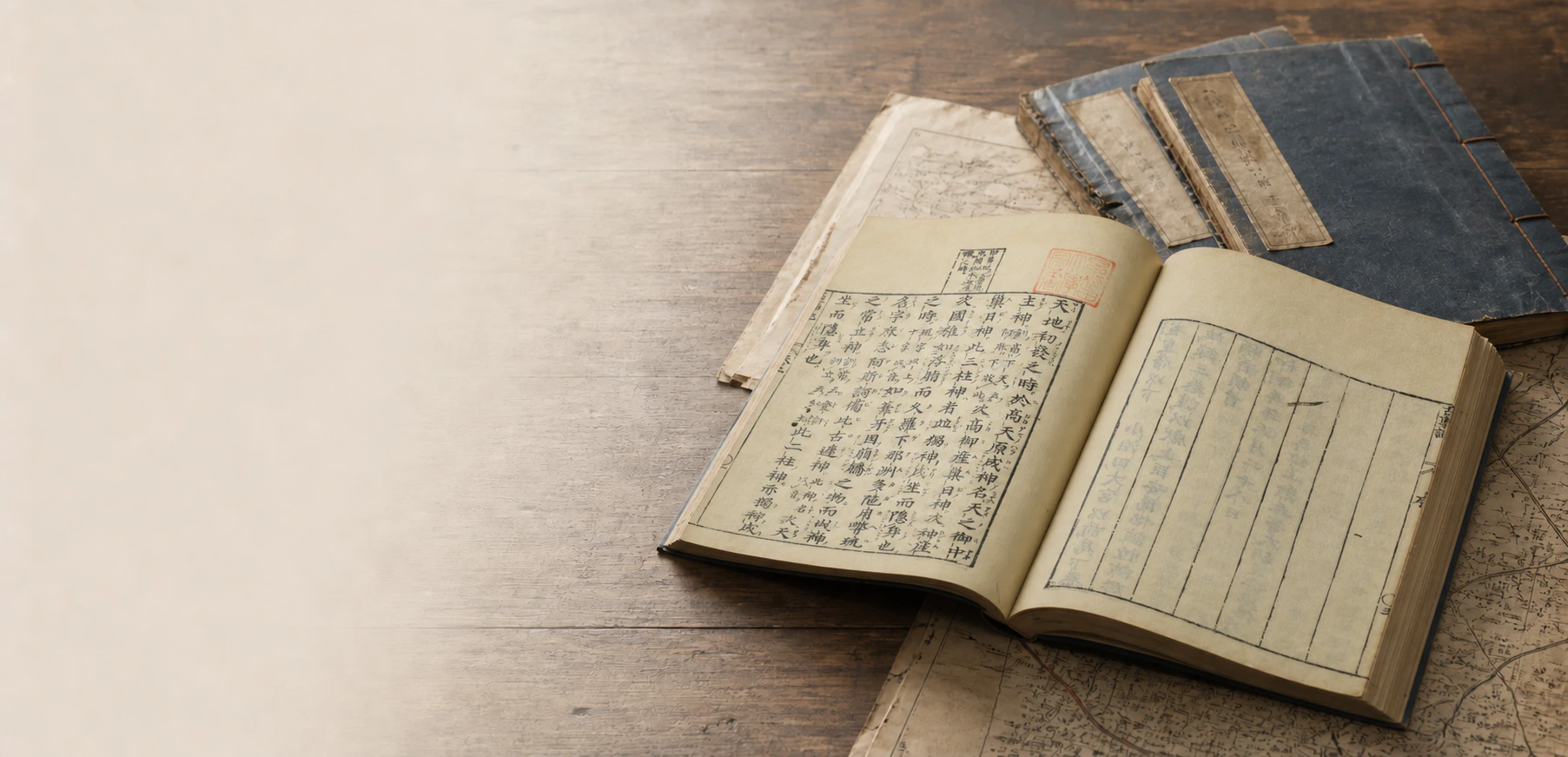
    The Kojiki in an open-book still life

    Yoshimitsu Opens Ming Relations and Tally Trade

    In 1401, Ashikaga Yoshimitsu sent the monk Soa and a Hakata merchant to Ming China. Their gifts included horses, fans, screens, armor and swords. Yoshimitsu had already passed the shogunal office to Yoshimochi, but still directed policy. His mission sought an official channel into a maritime order in which the Ming court restricted private overseas trade and demanded action against coastal raiders.

    A returning Chinese mission in 1402 brought recognition from the Jianwen emperor addressed to the King of Japan, Minamoto Dōgi—Yoshimitsu’s Buddhist name. Yongle seized the Ming throne that year. Further exchanges placed Yoshimitsu in the new emperor’s tributary relationship, and official tally trade began in 1404. The tallies allowed officials to authenticate authorized missions by checking matching credentials. Monks handled diplomatic exchanges alongside the merchants carrying trade goods.

    The language of king and subject was consequential: Yoshimitsu accepted a subordinate position in Ming diplomatic documents in return for recognized access. It did not replace Emperor Go-Komatsu’s domestic imperial title. Nor could tally checks eliminate every unauthorized voyage. The relationship continued through further missions; a 1407 letter from Yongle, preserved at Shōkokuji, is one surviving document of those exchanges.

    Sources and notes ViewHide
    1. [1]

      室町将軍:天平日月と永楽帝書簡Kyushu National Museum

    2. [2]

      日本美術年表:1401遣明使Tokyo National Research Institute for Cultural Properties

    3. [3]

      勘合貿易遣明船年表Nipponica

    4. [4]

      勘合貿易Nagoya Sword Museum

    Reading context

    Reading preferences

    Text size
    Glossary intensity

    Choose how much explanation appears as you read.

    Saved on this device. All terms remain available in the glossary.

    Browse the glossary →
    History Omakase

    Opening reading…