
Skip to content
Chronicle

Search History Omakase

Start typing to search.

    Read Negotiating Edo’s Surrender without a General Assault

    Read the article below. Interactive reading tools are available when scripts load.

    Overview

    Negotiating Edo’s Surrender without a General Assault

    Government armies advanced toward Edo after Yoshinobu’s defeat at Toba–Fushimi. Yoshinobu submitted to the court, but the fate of the Tokugawa house, its troops and its castle still required negotiation. Yamaoka Tesshū went to Saigō at Sunpu and discussed surrender conditions before the better-known meetings in Edo.

    Katsu Kaishū and Saigō met on April 5 and 6, 1868. Katsu’s diary for the first meeting records that a decision would be deferred until the next day. Their settlement postponed the general assault and opened the way to the surrender of the castle and military resources. Yoshinobu’s treatment was a particular point of contention in the preliminary talks.

    Other intermediaries also sought terms. Tenshōin, Iesada’s widow and a senior figure in the castle household, appealed to the advancing government forces for preservation of the Tokugawa house. Her intervention belonged to a wider negotiation, alongside the military discussions.

    The castle was handed over on May 3, the eleventh day of the fourth month in the Japanese calendar. Edo avoided the planned general assault. Fighting at Ueno followed in July, and campaigns continued in northeastern Japan and Ezo. The negotiated handover transferred the shogunate’s principal seat while leaving other armed opponents to be defeated or brought to terms.

    Sources and notes

    1. Katsu Kaishū Diary, April5,1868 · National Diet Library
    2. Katsu Letter to Yamaoka Tesshū · Tokyo Metropolitan Library
    3. Boshin–Hakodate War Chronological Table · Boshin War150th Anniversary executive committee
    4. The Boshin War: Official Learning Record · JACAR
    5. 天璋院と江戸開城 · Edo-Tokyo Museum
    6. 山岡鉄舟手記・駿府事前交渉 · Shizuoka Prefectural Central Library

    About these sources

    Back

    1868 | Negotiating Edo’s Surrender without a General Assault江戸城無血開城

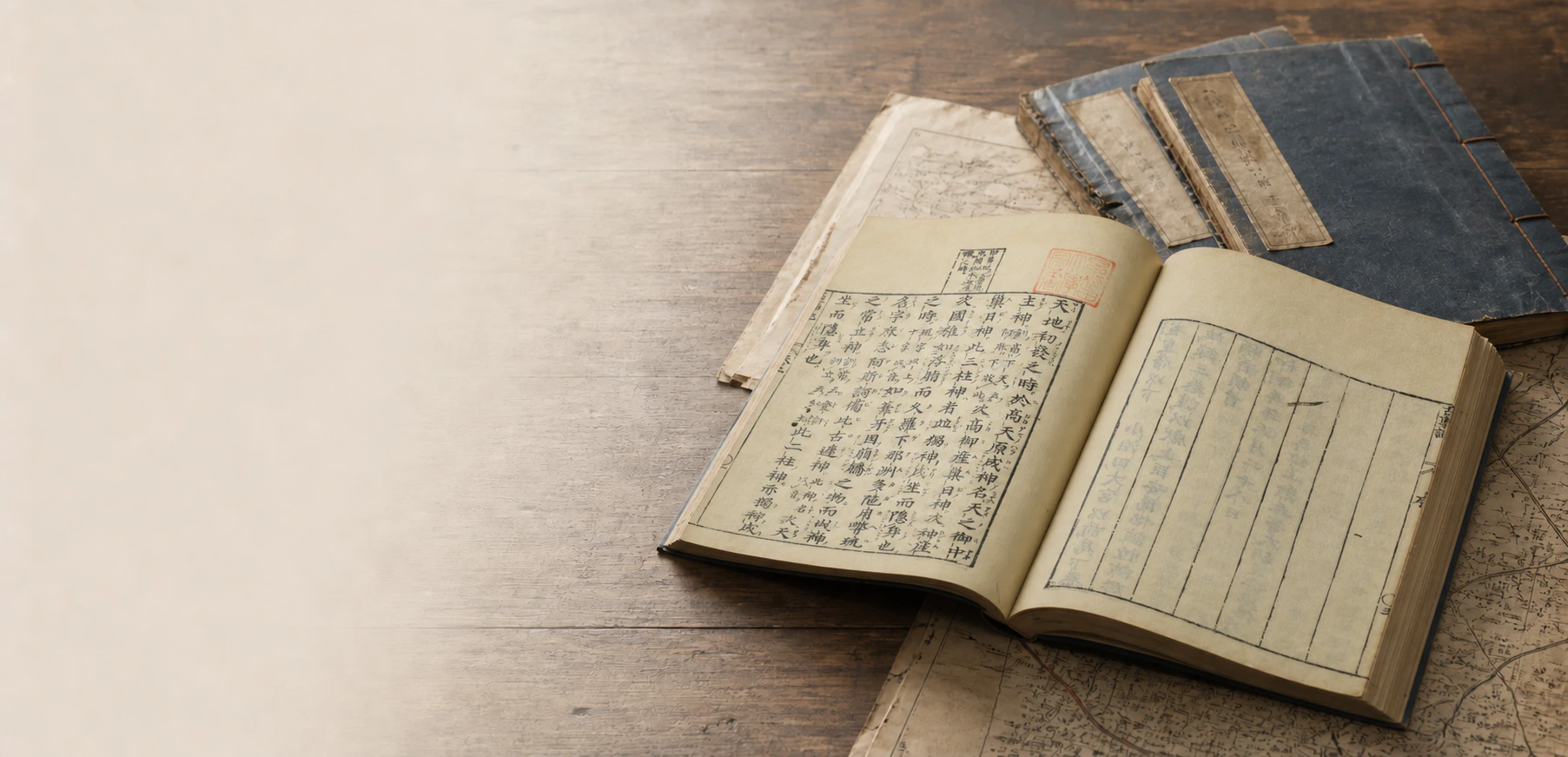
    The Kojiki in an open-book still life

    Negotiating Edo’s Surrender without a General Assault

    Government armies advanced toward Edo after Yoshinobu’s defeat at Toba–Fushimi. Yoshinobu submitted to the court, but the fate of the Tokugawa house, its troops and its castle still required negotiation. Yamaoka Tesshū went to Saigō at Sunpu and discussed surrender conditions before the better-known meetings in Edo.

    Katsu Kaishū and Saigō met on April 5 and 6, 1868. Katsu’s diary for the first meeting records that a decision would be deferred until the next day. Their settlement postponed the general assault and opened the way to the surrender of the castle and military resources. Yoshinobu’s treatment was a particular point of contention in the preliminary talks.

    Other intermediaries also sought terms. Tenshōin, Iesada’s widow and a senior figure in the castle household, appealed to the advancing government forces for preservation of the Tokugawa house. Her intervention belonged to a wider negotiation, alongside the military discussions.

    The castle was handed over on May 3, the eleventh day of the fourth month in the Japanese calendar. Edo avoided the planned general assault. Fighting at Ueno followed in July, and campaigns continued in northeastern Japan and Ezo. The negotiated handover transferred the shogunate’s principal seat while leaving other armed opponents to be defeated or brought to terms.

    Sources and notes ViewHide
    1. [1]

      Katsu Kaishū Diary, April5,1868National Diet Library

    2. [2]

      Katsu Letter to Yamaoka TesshūTokyo Metropolitan Library

    3. [3]

      Boshin–Hakodate War Chronological TableBoshin War150th Anniversary executive committee

    4. [4]

      The Boshin War: Official Learning RecordJACAR

    5. [5]

      天璋院と江戸開城Edo-Tokyo Museum

    6. [6]

      山岡鉄舟手記・駿府事前交渉Shizuoka Prefectural Central Library

    Reading context

    Reading preferences

    Text size
    Glossary intensity

    Choose how much explanation appears as you read.

    Saved on this device. All terms remain available in the glossary.

    Browse the glossary →
    History Omakase

    Opening reading…