
Skip to content
Chronicle

Search History Omakase

Start typing to search.

    Read Dutch Anatomy at the Kozukappara Autopsy

    Read the article below. Interactive reading tools are available when scripts load.

    Overview

    Dutch Anatomy at the Kozukappara Autopsy

    On the fourth day of the third month of 1771 in the Japanese calendar, Sugita Genpaku and other physicians attended an autopsy at the Kozukappara execution ground near Senju. In his later memoir, Genpaku recalls receiving notice the previous evening and sending an invitation to Maeno Ryōtaku. Maeno brought the same Dutch anatomical book Genpaku had obtained with his domain’s financial support.

    An experienced dissector opened the body of an executed woman. The physicians compared the exposed organs with the book’s illustrations. Maeno could identify several Dutch terms, including those for the lungs and heart; the others could see correspondences even where they lacked the language to name them. The observation gave the illustrated book practical authority for this group.

    Returning from the execution ground, Genpaku, Maeno and Nakagawa Jun’an agreed to work on a translation. They met at Maeno’s house the following day and continued through repeated sessions of vocabulary problems, comparison and revision. Genpaku’s 1815 recollection supplies these details decades after the event. The woman’s body enabled their comparison, but the account gives little of her life beyond the circumstances of her execution.

    Sources and notes

    1. 蘭學事始・公版原文 · Sugita Genpaku / Wikisource

    About these sources

    Back

    1771 | Dutch Anatomy at the Kozukappara Autopsy小塚原での解剖

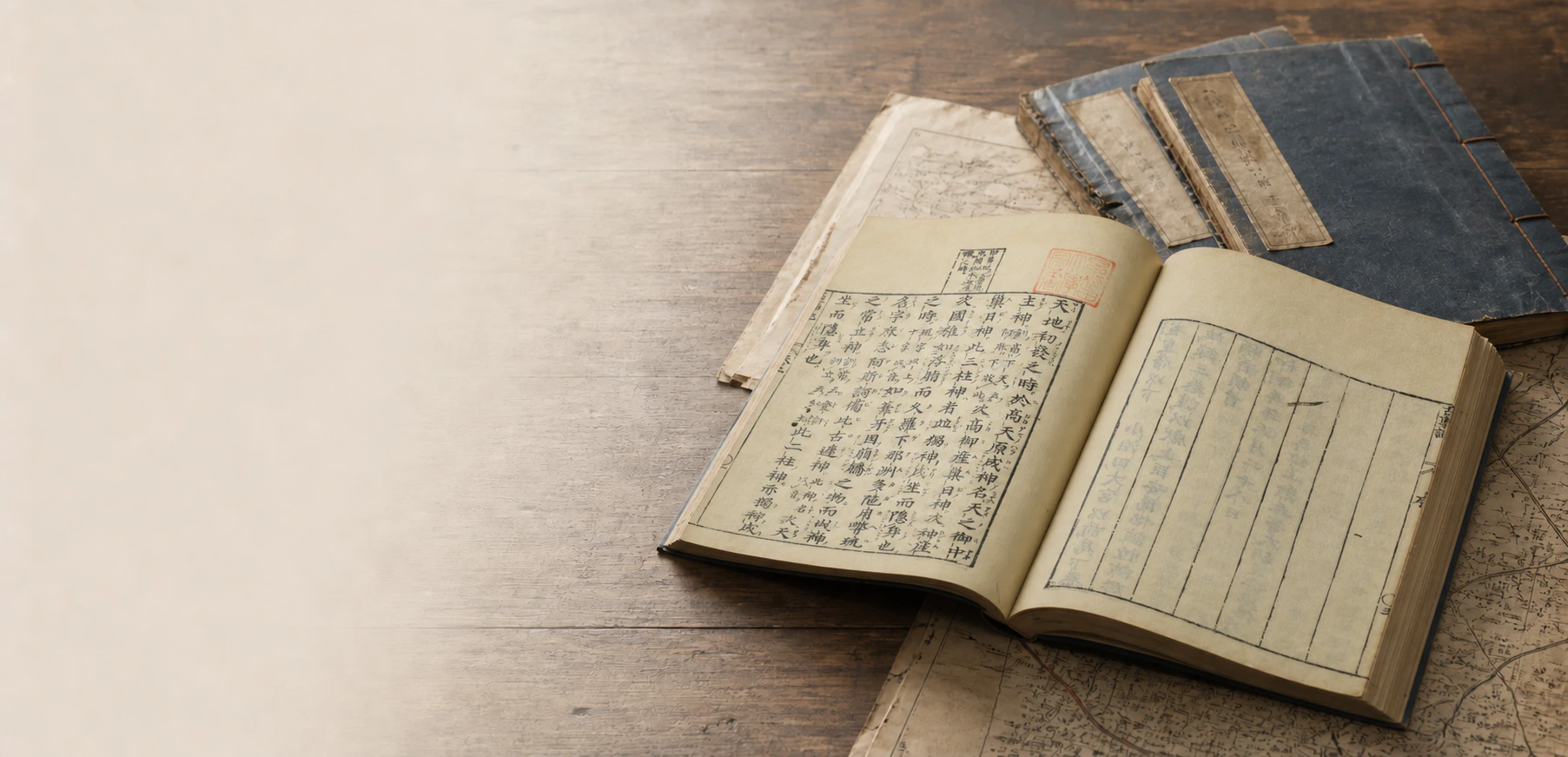
    The Kojiki in an open-book still life

    Dutch Anatomy at the Kozukappara Autopsy

    On the fourth day of the third month of 1771 in the Japanese calendar, Sugita Genpaku and other physicians attended an autopsy at the Kozukappara execution ground near Senju. In his later memoir, Genpaku recalls receiving notice the previous evening and sending an invitation to Maeno Ryōtaku. Maeno brought the same Dutch anatomical book Genpaku had obtained with his domain’s financial support.

    An experienced dissector opened the body of an executed woman. The physicians compared the exposed organs with the book’s illustrations. Maeno could identify several Dutch terms, including those for the lungs and heart; the others could see correspondences even where they lacked the language to name them. The observation gave the illustrated book practical authority for this group.

    Returning from the execution ground, Genpaku, Maeno and Nakagawa Jun’an agreed to work on a translation. They met at Maeno’s house the following day and continued through repeated sessions of vocabulary problems, comparison and revision. Genpaku’s 1815 recollection supplies these details decades after the event. The woman’s body enabled their comparison, but the account gives little of her life beyond the circumstances of her execution.

    Sources and notes ViewHide
    1. [1]

      蘭學事始・公版原文Sugita Genpaku / Wikisource

    Reading context

    Reading preferences

    Text size
    Glossary intensity

    Choose how much explanation appears as you read.

    Saved on this device. All terms remain available in the glossary.

    Browse the glossary →
    History Omakase

    Opening reading…