Skip to content
Chronicle

Search History Omakase

Start typing to search.

    Read Chōshū Is Defeated at Kyoto’s Palace Gates

    Read the article below. Interactive reading tools are available when scripts load.

    Overview

    Chōshū Is Defeated at Kyoto’s Palace Gates

    The 1863 palace coup excluded Chōshū and seven allied courtiers from Kyoto. Chōshū then sought restoration of the Mōri lords’ standing and the courtiers’ pardon. After unsuccessful appeals and the killing of some of its supporters in the Ikedaya incident, troops led by the domain’s senior retainers moved toward Kyoto. Failure to gain these concessions helped turn petitions into an armed return the following year.

    Fukuhara Echigo led an early contingent into Kyoto and was wounded in the fighting. On the nineteenth day of the seventh month of the Japanese calendar in 1864, fighting broke out near the Hamaguri and Sakaimachi gates. Aizu, Satsuma and shogunal forces defeated Chōshū. Fires spreading from the fighting and domain premises swept through central Kyoto; homes, shops and temples burned. Residents escaped through a city suddenly turned into a battlefield.

    The court’s authorization of punishment allowed the shogunate to summon domains for the first Chōshū expedition later that year. Its settlement demanded responsibility from Kunishi Shinano, Masuda Uemon-no-suke and Fukuhara Echigo, who were ordered to commit seppuku. Chōshū avoided a general invasion but could not avoid those deaths.

    The event joined a failed armed bid for court access to destruction borne by the city’s inhabitants. It did not settle Chōshū’s internal argument about submission or resistance, which continued after the expedition withdrew. Political exclusion, urban destruction and the negotiated settlement affected different groups.

    Sources and notes

    1. 蛤御門の変とどんどん焼け · Kyoto City
    2. 福原越後・人物紹介 · Yamaguchi Prefectural Library
    3. 四境戦争・資料展示 · Yamaguchi Prefectural Library
    4. 徳川慶勝の征長構想 · Tokugawa Institute for the History of Forestry / Tokugawa Reimeikai
    5. 薩長同盟・歴史事典 · National Diet Library

    About these sources

    Back

    1864 | Chōshū Is Defeated at Kyoto’s Palace Gates禁門の変

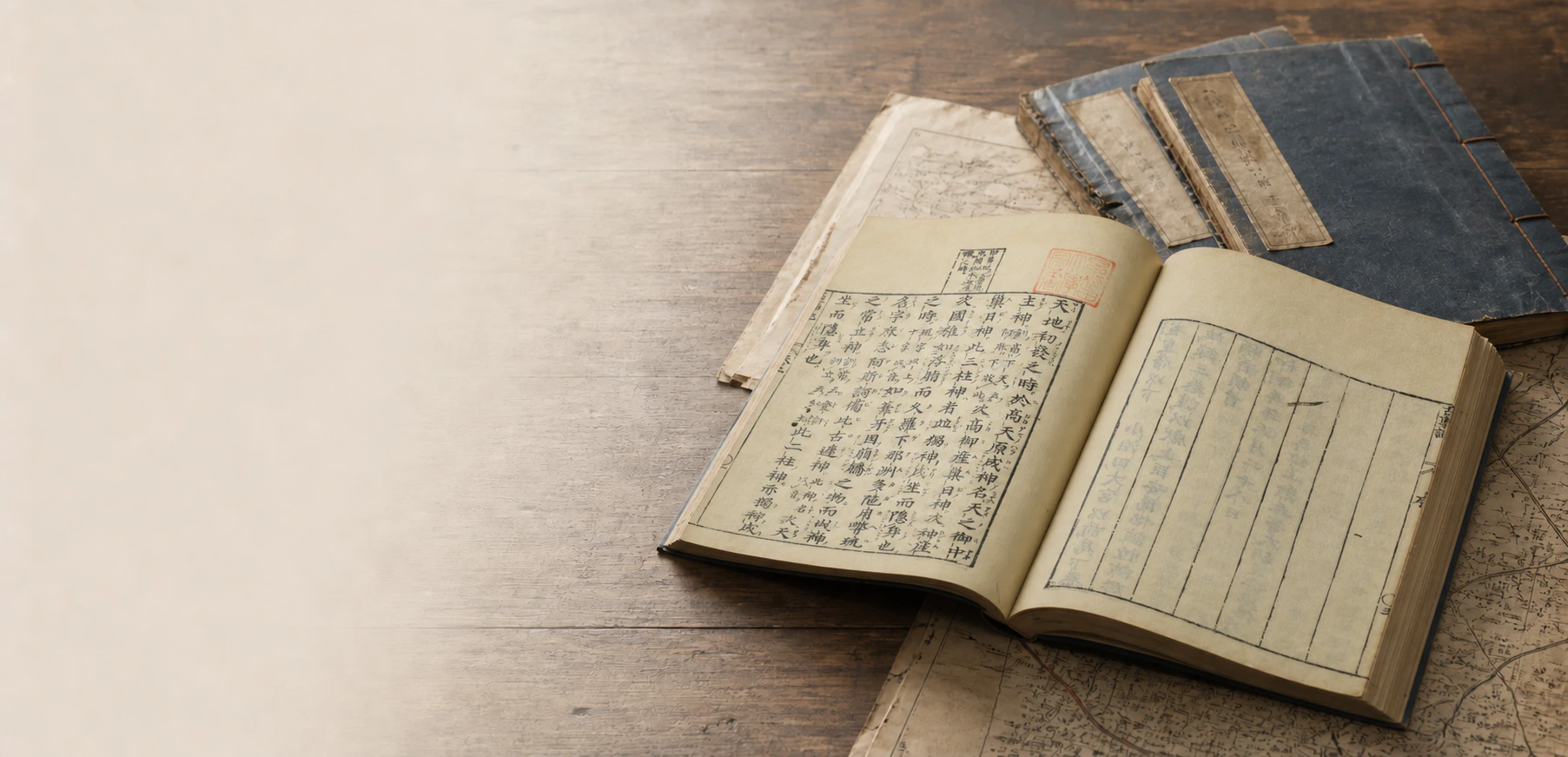
    The Kojiki in an open-book still life

    Chōshū Is Defeated at Kyoto’s Palace Gates

    The 1863 palace coup excluded Chōshū and seven allied courtiers from Kyoto. Chōshū then sought restoration of the Mōri lords’ standing and the courtiers’ pardon. After unsuccessful appeals and the killing of some of its supporters in the Ikedaya incident, troops led by the domain’s senior retainers moved toward Kyoto. Failure to gain these concessions helped turn petitions into an armed return the following year.

    Fukuhara Echigo led an early contingent into Kyoto and was wounded in the fighting. On the nineteenth day of the seventh month of the Japanese calendar in 1864, fighting broke out near the Hamaguri and Sakaimachi gates. Aizu, Satsuma and shogunal forces defeated Chōshū. Fires spreading from the fighting and domain premises swept through central Kyoto; homes, shops and temples burned. Residents escaped through a city suddenly turned into a battlefield.

    The court’s authorization of punishment allowed the shogunate to summon domains for the first Chōshū expedition later that year. Its settlement demanded responsibility from Kunishi Shinano, Masuda Uemon-no-suke and Fukuhara Echigo, who were ordered to commit seppuku. Chōshū avoided a general invasion but could not avoid those deaths.

    The event joined a failed armed bid for court access to destruction borne by the city’s inhabitants. It did not settle Chōshū’s internal argument about submission or resistance, which continued after the expedition withdrew. Political exclusion, urban destruction and the negotiated settlement affected different groups.

    Sources and notes ViewHide
    1. [1]

      蛤御門の変とどんどん焼けKyoto City

    2. [2]

      福原越後・人物紹介Yamaguchi Prefectural Library

    3. [3]

      四境戦争・資料展示Yamaguchi Prefectural Library

    4. [4]

      徳川慶勝の征長構想Tokugawa Institute for the History of Forestry / Tokugawa Reimeikai

    5. [5]

      薩長同盟・歴史事典National Diet Library

    Reading context

    Reading preferences

    Text size
    Glossary intensity

    Choose how much explanation appears as you read.

    Saved on this device. All terms remain available in the glossary.

    Browse the glossary →
    History Omakase

    Opening reading…