

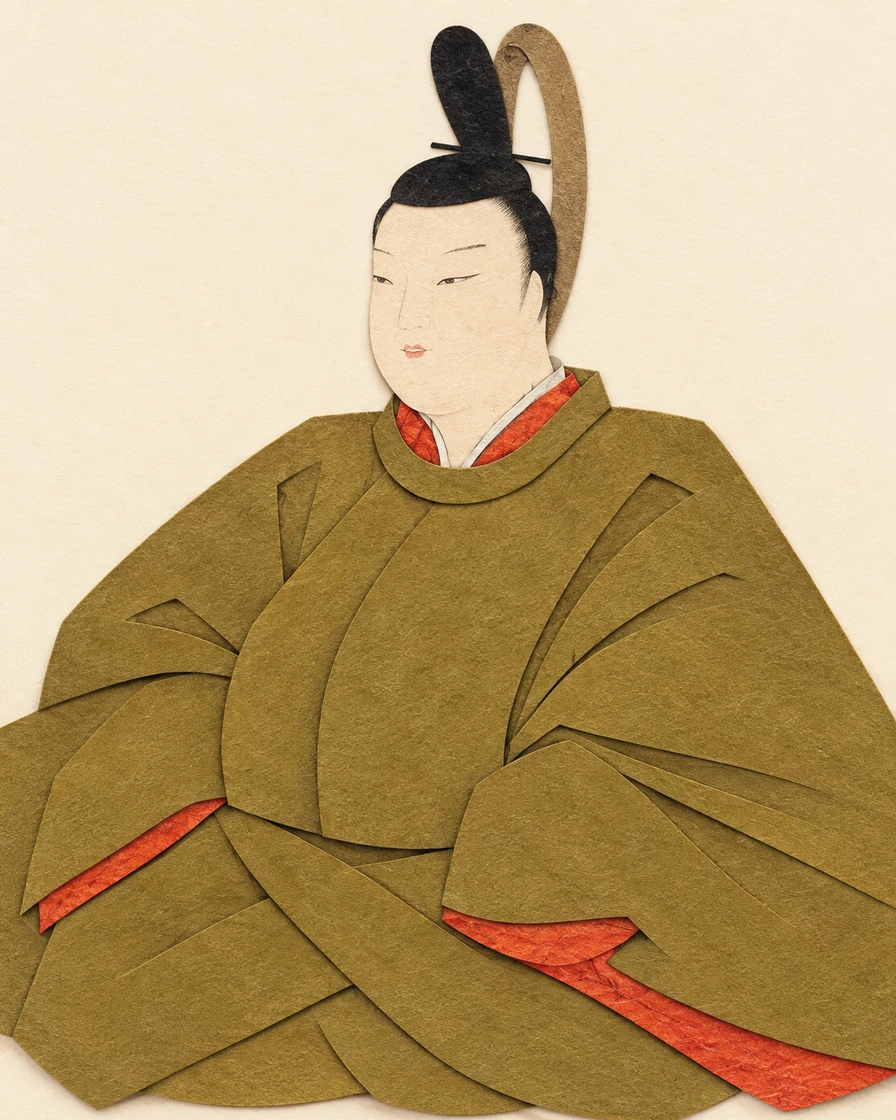
Asuka period
Emperor Monmu
文武天皇
Overview
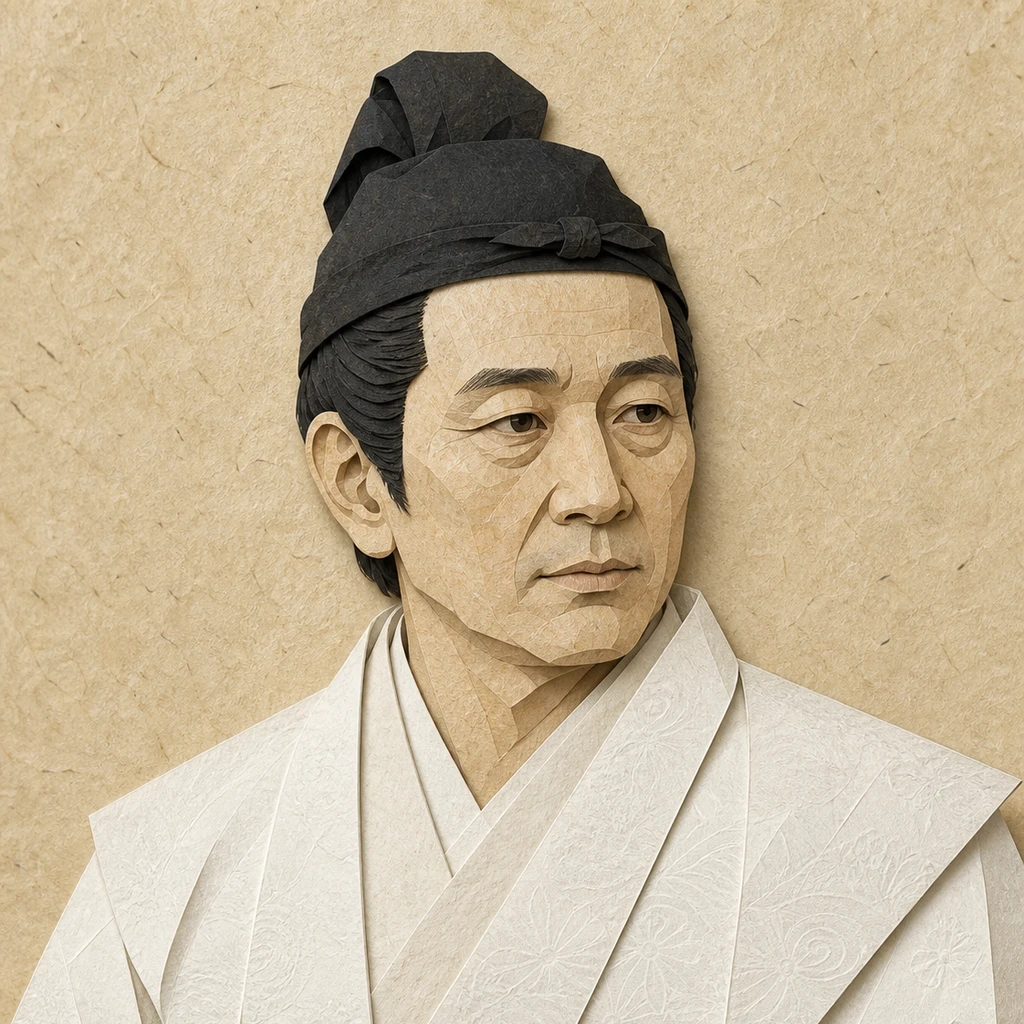
Emperor Monmu (683–707), previously Prince Karu, was a son of Prince Kusakabe and Princess Abe, later Empress Genmei. In 697, his grandmother, Empress Jitō, yielded the throne to him. He ruled from the capital at Fujiwara in present-day Nara. Jitō continued to oversee government during the earlier part of his reign. Monmu's consort Fujiwara no Miyako, a daughter of the official Fuhito, became the mother of the future Emperor Shōmu. [S01, S02, S03, S04]
Under Monmu, Prince Osakabe, Fuhito and other officials compiled the Taihō legal code, completed in 701, with implementation continuing in 702. Its regulations organized offices, official ranks and the obligations of government and population. This was a collective undertaking within a court already engaged in legal and administrative reform. In 702, an embassy departed for Tang China, renewing diplomatic contact after a long interruption. [S01, S04]
The later reign faced disasters, famine and epidemic disease. Administrative changes followed, including the establishment of the middle-counsellor office in 705 and revision of officials' evaluation periods in 706. The new code remained subject to adjustment as the government encountered practical problems. Monmu died in 707; his young son did not immediately succeed him. Instead, Abe took the throne as Genmei, continuing the government and the royal family's succession. [S01, S03]
Sources and notes ViewHide
- [1]
文武天皇 / 日本大百科全書・国史大辞典・世界大百科事典押部佳周 (Oshibe Yoshichika), Nipponica; credited Kokushi daijiten/World Encyclopedia entries, JapanKnowledge sample
- [2]
日本書紀 Book XXX / William George Aston, trans., Nihongi: Chronicles of Japan from the Earliest Times to A.D. 697. London: Kegan Paul, Trench, Trübner & Co., 1896.Nihon shoki compilers; translation William George Aston
- [3]
文武天皇 / なら旅ネットNara Visitors Bureau
- [4]
飛鳥宮跡 解説書Kansai University, Faculty of Letters Archaeology Laboratory, ed.; chapters VI Matsuo Naoya and VII Suzuki Nana; Asuka Village publisher
Emperor Monmu (683–707), previously Prince Karu, was a son of Prince Kusakabe
his grandmother, Empress Jitō, yielded the throne to him
Under Monmu, Prince Osakabe, Fuhito and other officials compiled the Taihō legal
an embassy departed for Tang China, renewing diplomatic contact after a long
Connections
Places
Events
Jitō Abdicates to Her Grandson Monmu
持統天皇の譲位と文武天皇
In 697, Empress Jitō abdicated to her grandson Prince Karu, who became Emperor Monmu, while she continued to assist government as a retired sovereign.
The Taihō Code Enters Government
大宝律令の施行
From 700 to 702, Emperor Monmu's court completed, promulgated and began applying the Taihō Code through work led by Prince Osakabe, Fujiwara no Fuhito and other compilers.
Genmei's Succession and the Move to Heijō-kyō
元明天皇の即位と平城京遷都
After Emperor Monmu died in 707, Empress Genmei took the throne, ordered a new capital in 708 and moved the court from Fujiwara-kyō to Heijō-kyō in 710.
Relationships
Related People · 4
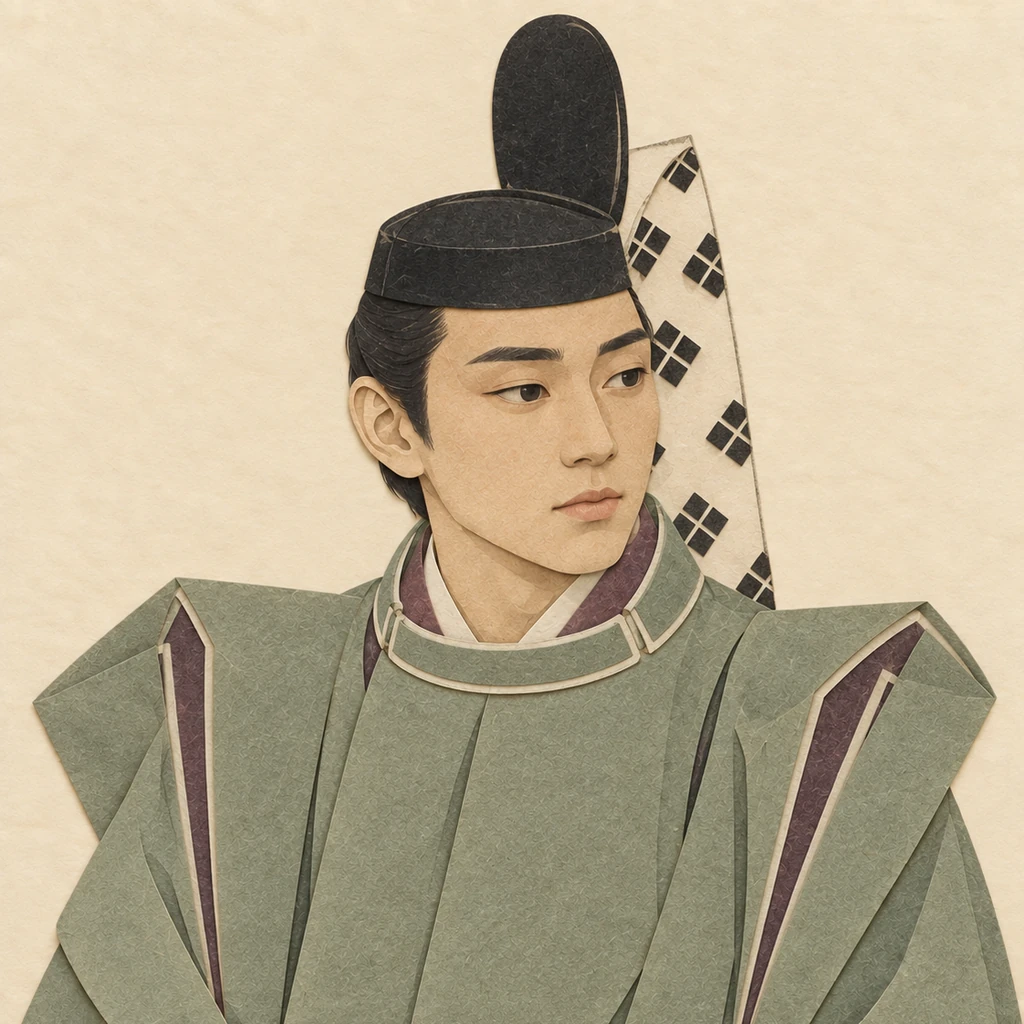 Family ParentPrince Kusakabe草壁皇子Prince Kusakabe was the father of Emperor MonmuEvidence grade B
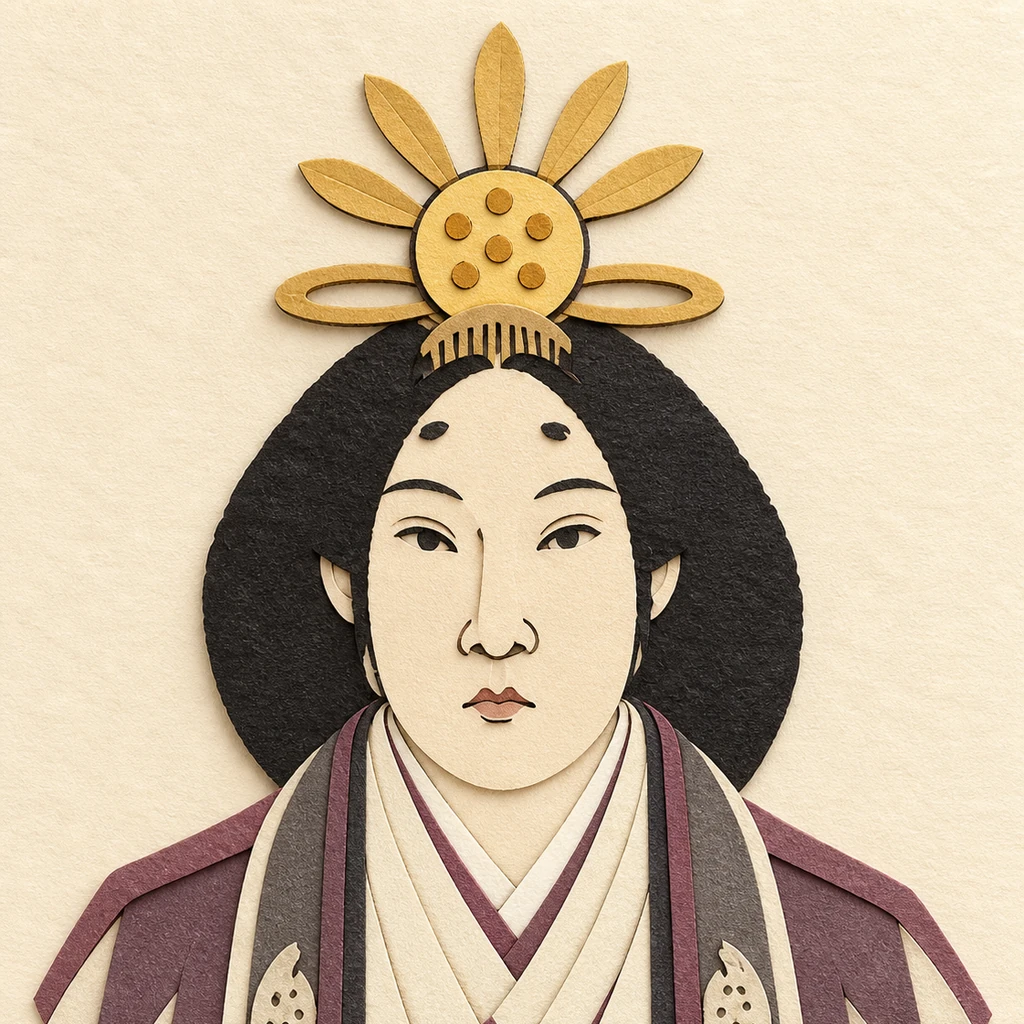 Family ParentEmpress Genmei元明天皇Genmei was the mother of Emperor MonmuEvidence grade B
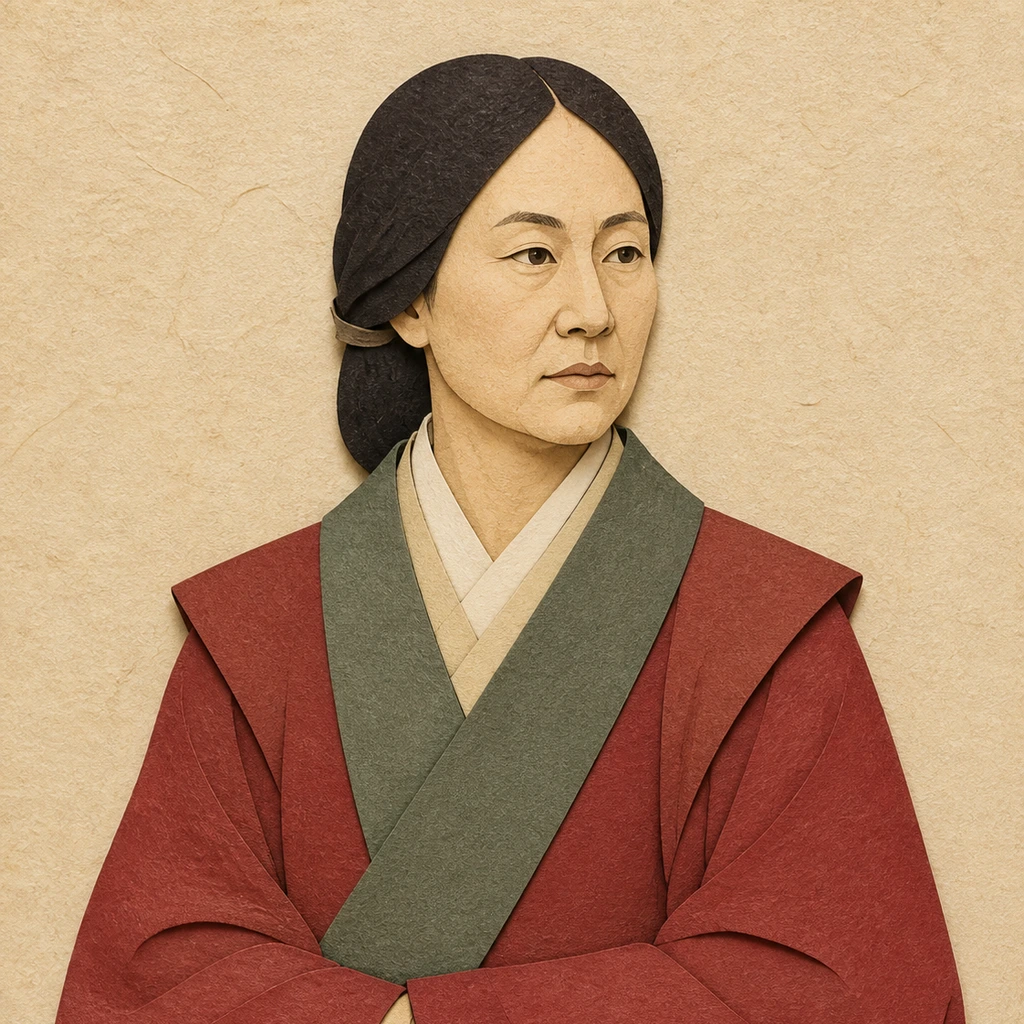 Succession Throne TransferEmpress Jitō持統天皇Jitō abdicated in 697 and Prince Karu acceded as Emperor MonmuEvidence grade B
 Family ParentEmperor Shōmu聖武天皇Emperor Monmu was Shōmu's father.Evidence grade C
Topics
No related topics yet.