
Skip to content
Chronicle

Search History Omakase

Start typing to search.

    Read Hideyoshi Orders Sen no Rikyū’s Death

    Read the article below. Interactive reading tools are available when scripts load.

    Overview

    Hideyoshi Orders Sen no Rikyū’s Death

    Rikyū served Hideyoshi as a tea master and close intermediary after Nobunaga’s death. He assisted at an imperial tea gathering in 1585 and the public Kitano gathering in 1587. His role brought him into contact with military patrons and officials as well as the practitioners and craftspeople of tea.

    In 1591 Rikyū was ordered to withdraw to Sakai, then returned to Kyoto. On the twenty-eighth day of the second Japanese month he committed suicide at his Juraku residence under Hideyoshi’s order. Accounts connect the punishment with his statue above Daitokuji’s gate and accusations about tea-utensil dealings. These charges do not settle the underlying reason; political rivalry and aesthetic opposition remain interpretations.

    The death ended Rikyū’s personal service and interrupted his family’s position. His tea practices continued through surviving pupils and later family restoration. Shōan and Sōtan carried the Sen tradition forward, and the three principal Sen schools emerged in later generations. That continuity followed subsequent patronage and succession, rather than all three schools being established immediately in 1591.

    Sources and notes

    1. 千利休 · Murai Yasuhiko, Nipponica; Kumakura Isao, Heibonsha
    2. Urasenke family lineage: Sen Rikyū · Urasenke Konnichian

    About these sources

    Back

    1591 | Hideyoshi Orders Sen no Rikyū’s Death千利休の死

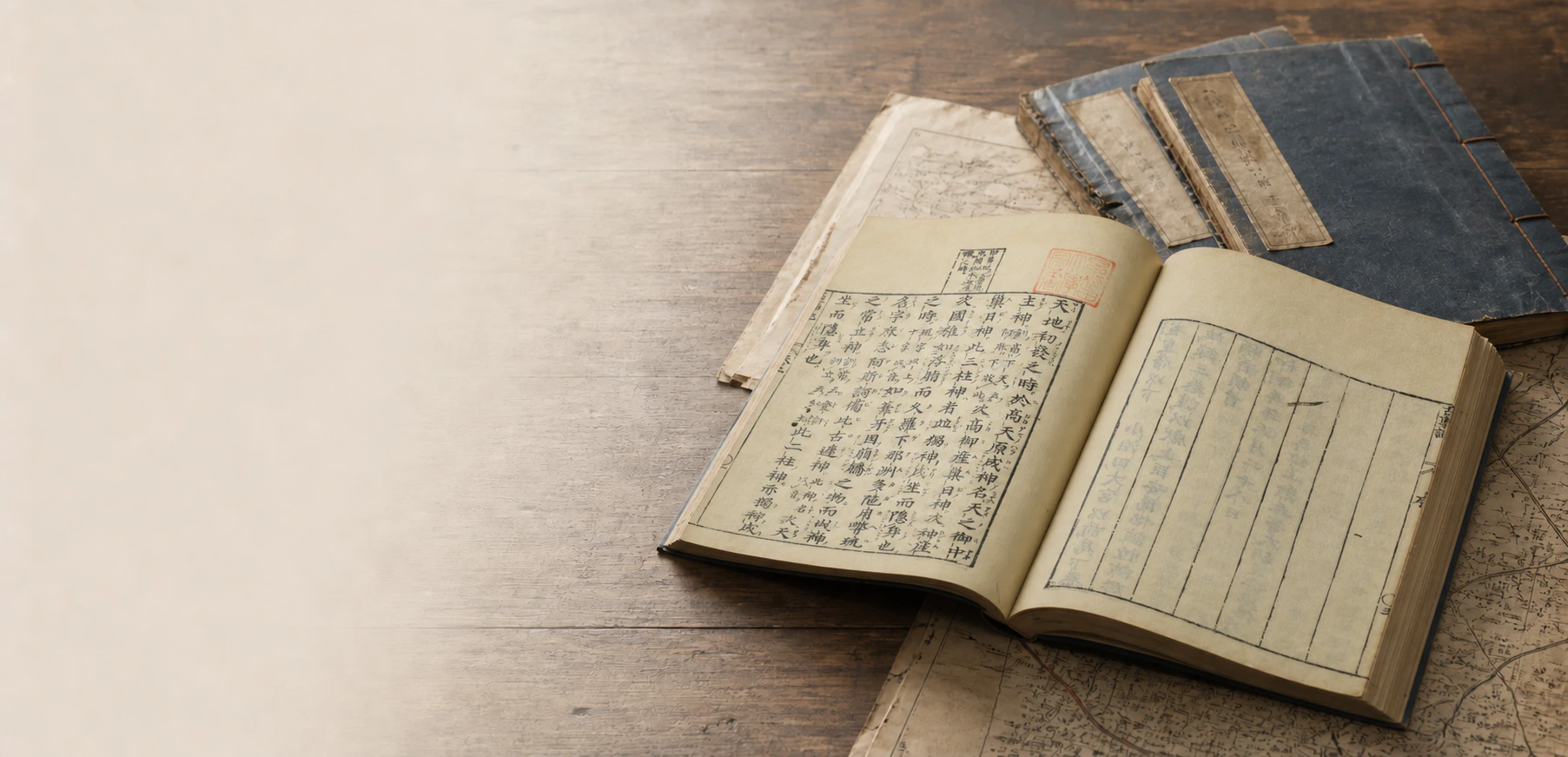
    The Kojiki in an open-book still life

    Hideyoshi Orders Sen no Rikyū’s Death

    Rikyū served Hideyoshi as a tea master and close intermediary after Nobunaga’s death. He assisted at an imperial tea gathering in 1585 and the public Kitano gathering in 1587. His role brought him into contact with military patrons and officials as well as the practitioners and craftspeople of tea.

    In 1591 Rikyū was ordered to withdraw to Sakai, then returned to Kyoto. On the twenty-eighth day of the second Japanese month he committed suicide at his Juraku residence under Hideyoshi’s order. Accounts connect the punishment with his statue above Daitokuji’s gate and accusations about tea-utensil dealings. These charges do not settle the underlying reason; political rivalry and aesthetic opposition remain interpretations.

    The death ended Rikyū’s personal service and interrupted his family’s position. His tea practices continued through surviving pupils and later family restoration. Shōan and Sōtan carried the Sen tradition forward, and the three principal Sen schools emerged in later generations. That continuity followed subsequent patronage and succession, rather than all three schools being established immediately in 1591.

    Sources and notes ViewHide
    1. [1]

      千利休Murai Yasuhiko, Nipponica; Kumakura Isao, Heibonsha

    2. [2]

      Urasenke family lineage: Sen RikyūUrasenke Konnichian
    Reading context

    Reading preferences

    Text size
    Glossary intensity

    Choose how much explanation appears as you read.

    Saved on this device. All terms remain available in the glossary.

    Browse the glossary →
    History Omakase

    Opening reading…