
Skip to content
Chronicle

Search History Omakase

Start typing to search.

    Read Hideyoshi Opens the Kitano Grand Tea Gathering

    Read the article below. Interactive reading tools are available when scripts load.

    Overview

    Hideyoshi Opens the Kitano Grand Tea Gathering

    Hideyoshi proclaimed a grand gathering at Kitano Tenmangū in 1587. Tea enthusiasts were invited regardless of rank or wealth to bring basic equipment and construct temporary spaces in the shrine’s pine grove. Those lacking tea could bring roasted grain. The invitation made participation possible beyond the usual circle of high-ranking hosts and guests.

    On the first day of the tenth Japanese month, Hideyoshi, Sen no Rikyū, Tsuda Sōgyū and Imai Sōkyū hosted leading seats. Hideyoshi’s prized objects were displayed, including the Golden Tea Room. Rikyū’s family members also established tea seats. The grounds brought small temporary gatherings into the same event as the ruler’s formal display.

    The announced ten-day gathering ended after one day. News of rebellion in Higo is one explanation in later accounts, but the precise cause remains uncertain. Its invitation widened access while the choice of setting, hosts and displayed objects remained under elite patronage. The day demonstrated both the spread of tea practice and Hideyoshi’s ability to assemble practitioners around his authority.

    Sources and notes

    1. 北野大茶湯 · Tsutsui Hiroichi, Nipponica, and Katō Mariko, Heibonsha
    2. 利休をたずねる・北野大茶会 · Omotesenke Fushin’an Foundation

    About these sources

    Back

    1587 | Hideyoshi Opens the Kitano Grand Tea Gathering北野大茶湯

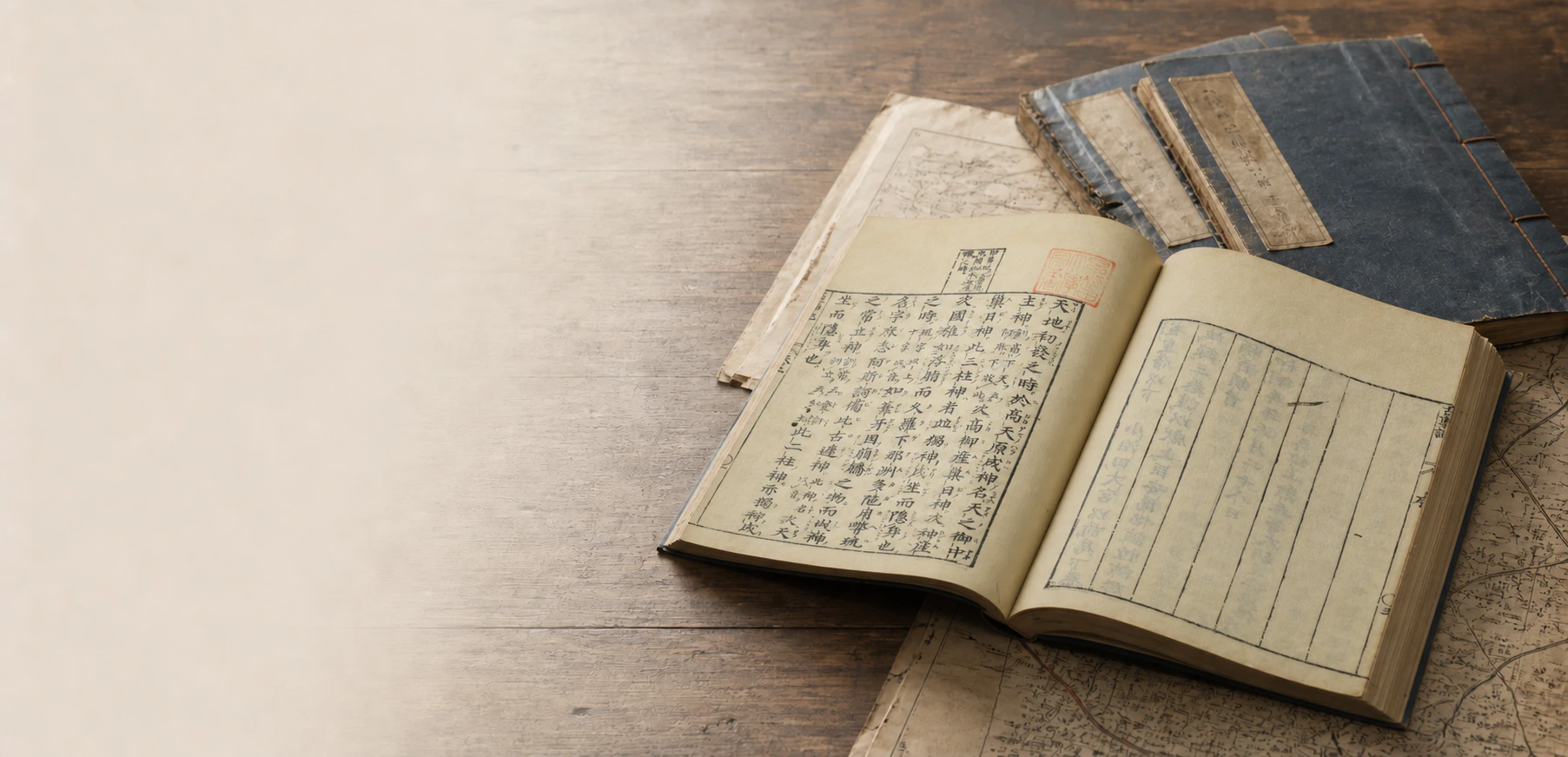
    The Kojiki in an open-book still life

    Hideyoshi Opens the Kitano Grand Tea Gathering

    Hideyoshi proclaimed a grand gathering at Kitano Tenmangū in 1587. Tea enthusiasts were invited regardless of rank or wealth to bring basic equipment and construct temporary spaces in the shrine’s pine grove. Those lacking tea could bring roasted grain. The invitation made participation possible beyond the usual circle of high-ranking hosts and guests.

    On the first day of the tenth Japanese month, Hideyoshi, Sen no Rikyū, Tsuda Sōgyū and Imai Sōkyū hosted leading seats. Hideyoshi’s prized objects were displayed, including the Golden Tea Room. Rikyū’s family members also established tea seats. The grounds brought small temporary gatherings into the same event as the ruler’s formal display.

    The announced ten-day gathering ended after one day. News of rebellion in Higo is one explanation in later accounts, but the precise cause remains uncertain. Its invitation widened access while the choice of setting, hosts and displayed objects remained under elite patronage. The day demonstrated both the spread of tea practice and Hideyoshi’s ability to assemble practitioners around his authority.

    Sources and notes ViewHide
    1. [1]

      北野大茶湯Tsutsui Hiroichi, Nipponica, and Katō Mariko, Heibonsha

    2. [2]

      利休をたずねる・北野大茶会Omotesenke Fushin’an Foundation
    Reading context

    Reading preferences

    Text size
    Glossary intensity

    Choose how much explanation appears as you read.

    Saved on this device. All terms remain available in the glossary.

    Browse the glossary →
    History Omakase

    Opening reading…