
Skip to content
Chronicle

Search History Omakase

Start typing to search.

    Read The Usa Hachiman Oracle Affair

    Read the article below. Interactive reading tools are available when scripts load.

    Overview

    The Usa Hachiman Oracle Affair

    Dōkyō was a monk who had risen under Empress Shōtoku's patronage, receiving the title Dharma King in 766. In 769, a report attributed to the deity at Usa Hachiman in Kyushu declared that his accession would bring peace. Shōtoku sent the court official Wake no Kiyomaro to seek the shrine's message.

    According to the Shoku Nihongi, Kiyomaro returned with an oracle stating that a subject could not become sovereign and that the throne must remain within the imperial lineage. Dōkyō was angered. Kiyomaro lost his office, was given a derogatory name, and was exiled to Ōsumi; his sister Hiromushi, a nun also involved in the affair, was returned to lay status and exiled to Bingo. Dōkyō did not become emperor.

    The court history preserves more than this familiar narrative. It also records a proclamation in Shōtoku's own name accusing Kiyomaro and his sister of inventing words and passing them off as a divine command. The following narrative instead blames a Dōkyō supporter for falsifying the first oracle. These conflicting voices make responsibility for producing and transmitting the messages less simple than the later image of one truthful envoy defeating one conspiracy.

    Dōkyō retained high standing until Shōtoku's death in 770. The new government then removed him and recalled Kiyomaro and his sister. The failed accession proposal exposed the boundary between extraordinary religious office and hereditary sovereignty; the record does not let a divine speech itself serve as independent proof of what the deity said.

    Sources and notes

    1. 續日本紀卷三十:神託與770年繼承 · 797年官修史書/Wikisource原文轉錄

    About these sources

    Back

    769 | The Usa Hachiman Oracle Affair宇佐八幡宮神託事件

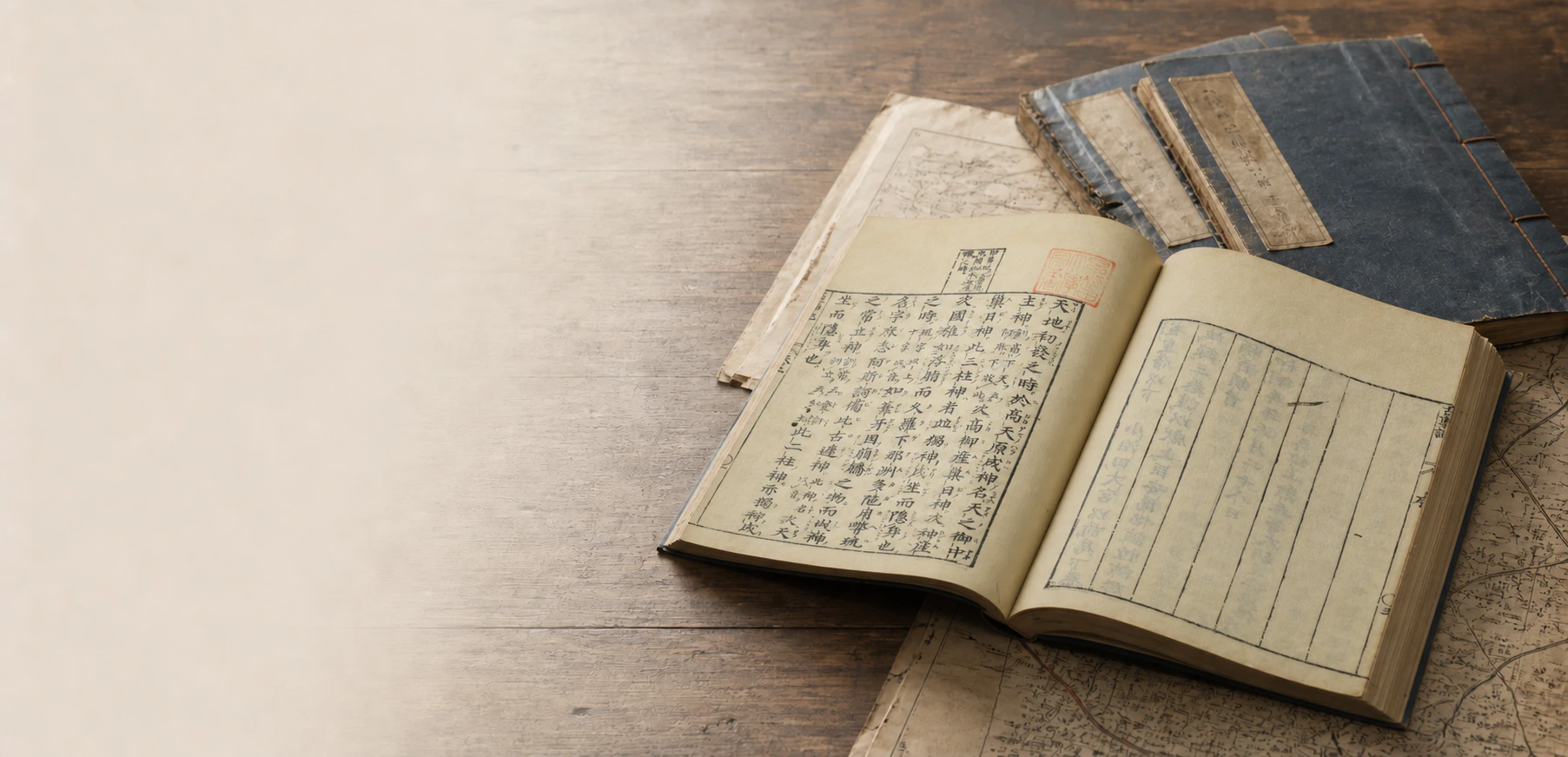
    The Kojiki in an open-book still life

    The Usa Hachiman Oracle Affair

    Dōkyō was a monk who had risen under Empress Shōtoku's patronage, receiving the title Dharma King in 766. In 769, a report attributed to the deity at Usa Hachiman in Kyushu declared that his accession would bring peace. Shōtoku sent the court official Wake no Kiyomaro to seek the shrine's message.

    According to the Shoku Nihongi, Kiyomaro returned with an oracle stating that a subject could not become sovereign and that the throne must remain within the imperial lineage. Dōkyō was angered. Kiyomaro lost his office, was given a derogatory name, and was exiled to Ōsumi; his sister Hiromushi, a nun also involved in the affair, was returned to lay status and exiled to Bingo. Dōkyō did not become emperor.

    The court history preserves more than this familiar narrative. It also records a proclamation in Shōtoku's own name accusing Kiyomaro and his sister of inventing words and passing them off as a divine command. The following narrative instead blames a Dōkyō supporter for falsifying the first oracle. These conflicting voices make responsibility for producing and transmitting the messages less simple than the later image of one truthful envoy defeating one conspiracy.

    Dōkyō retained high standing until Shōtoku's death in 770. The new government then removed him and recalled Kiyomaro and his sister. The failed accession proposal exposed the boundary between extraordinary religious office and hereditary sovereignty; the record does not let a divine speech itself serve as independent proof of what the deity said.

    Sources and notes ViewHide
    1. [1]

      續日本紀卷三十:神託與770年繼承797年官修史書/Wikisource原文轉錄
    Reading context

    Reading preferences

    Text size
    Glossary intensity

    Choose how much explanation appears as you read.

    Saved on this device. All terms remain available in the glossary.

    Browse the glossary →
    History Omakase

    Opening reading…