
Skip to content
Chronicle

Search History Omakase

Start typing to search.

    Read Jiji Shimpō Opens a Daily Newspaper and Commercial Newsroom

    Read the article below. Interactive reading tools are available when scripts load.

    Overview

    Jiji Shimpō Opens a Daily Newspaper and Commercial Newsroom

    Jiji Shimpō’s first issue appeared on March 1, 1882, after the 1881 political crisis disrupted an earlier plan for a government-connected newspaper. Fukuzawa Yukichi and younger associates, including his nephew Nakamikawa Hikojirō, turned the preparations into a paper claiming independence from parties.

    The first issue had four pages and was printed with a hand-operated press. Printing and dispatch took place at the Keiō publishing premises in Mita. Its sections combined official notices, current news, columns, telegrams, foreign reports and advertisements. Editorials appeared without signatures, sometimes continuing across more than one issue.

    Fukuzawa supervised editorial work, while Nakamikawa developed the commercial side, including circulation and advertising revenue. These tasks made publication a recurring operation: writing alone could not put a daily issue into readers’ hands.

    The paper’s independence was a stated political position, not a guarantee of neutrality. Its unsigned editorials also require care in attribution. Writers, revisers and printing staff could all affect the published text; editorial responsibility does not establish that Fukuzawa personally wrote every article later associated with the newspaper.

    Sources and notes

    1. 時事新報初期著者推定 · Agata/Ueda original authorship research
    2. 時事新報創刊と中上川の経営 · Keio/Suzuki journalism history

    About these sources

    Back

    1882 | Jiji Shimpō Opens a Daily Newspaper and Commercial Newsroom『時事新報』の創刊

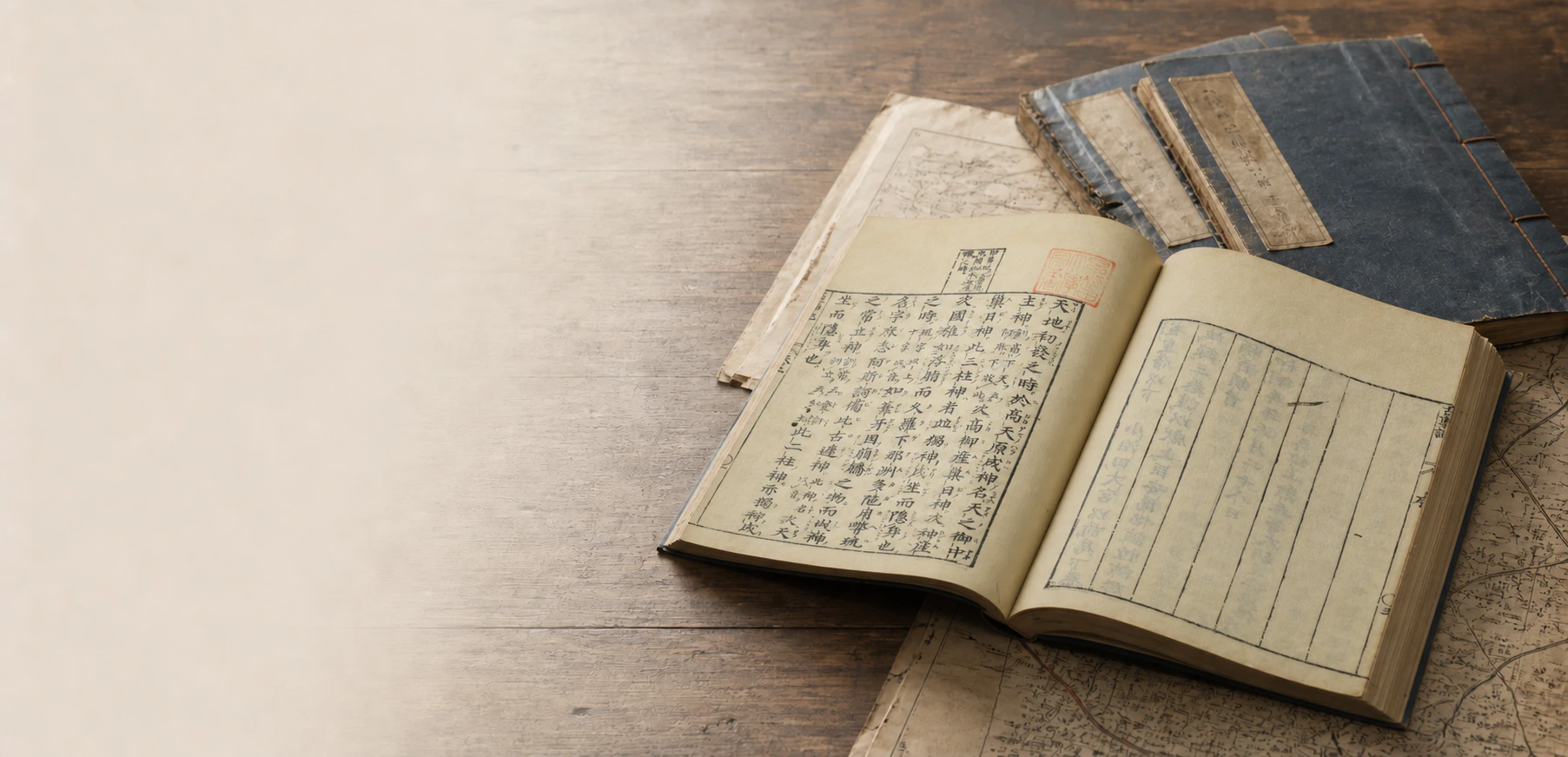
    The Kojiki in an open-book still life

    Jiji Shimpō Opens a Daily Newspaper and Commercial Newsroom

    Jiji Shimpō’s first issue appeared on March 1, 1882, after the 1881 political crisis disrupted an earlier plan for a government-connected newspaper. Fukuzawa Yukichi and younger associates, including his nephew Nakamikawa Hikojirō, turned the preparations into a paper claiming independence from parties.

    The first issue had four pages and was printed with a hand-operated press. Printing and dispatch took place at the Keiō publishing premises in Mita. Its sections combined official notices, current news, columns, telegrams, foreign reports and advertisements. Editorials appeared without signatures, sometimes continuing across more than one issue.

    Fukuzawa supervised editorial work, while Nakamikawa developed the commercial side, including circulation and advertising revenue. These tasks made publication a recurring operation: writing alone could not put a daily issue into readers’ hands.

    The paper’s independence was a stated political position, not a guarantee of neutrality. Its unsigned editorials also require care in attribution. Writers, revisers and printing staff could all affect the published text; editorial responsibility does not establish that Fukuzawa personally wrote every article later associated with the newspaper.

    Sources and notes ViewHide
    1. [1]

      時事新報初期著者推定Agata/Ueda original authorship research

    2. [2]

      時事新報創刊と中上川の経営Keio/Suzuki journalism history

    Reading context

    Reading preferences

    Text size
    Glossary intensity

    Choose how much explanation appears as you read.

    Saved on this device. All terms remain available in the glossary.

    Browse the glossary →
    History Omakase

    Opening reading…