
Skip to content
Chronicle

Search History Omakase

Start typing to search.

    Read Michinaga’s Rise and Imperial Marriage Politics, 995–1018

    Read the article below. Interactive reading tools are available when scripts load.

    Overview

    Michinaga’s Rise and Imperial Marriage Politics, 995–1018

    Fujiwara no Michinaga rose at Emperor Ichijō’s court after his elder brothers Michitaka and Michikane died in 995. The emperor’s mother Senshi, Michinaga’s sister, supported him against his nephew Korechika. Michinaga received nairan, allowing him to examine documents before imperial consideration, and became minister of the right; in 996 he became minister of the left as Korechika and his brother Takaie were punished.

    His daughter Shōshi entered Ichijō’s household in 999 and became chūgū, an empress, in 1000. Ichijō’s existing empress Teishi retained a separate empress title. Shōshi’s sons included Atsuhira, born in 1008, who became Emperor Go-Ichijō in 1016. Michinaga was now the reigning emperor’s maternal grandfather and served as regent.

    In 1017 he transferred the regency to his son Yorimichi and briefly held the office of grand minister. Another daughter, Kenshi, had become consort to Emperor Sanjō; in 1018 Ishi became Go-Ichijō’s empress. These marriages connected Michinaga to successive reigns through different women and households. His familiar name “Midō Kanpaku” can obscure the office record: he had held a regency, but was never appointed kanpaku, the office assisting an adult emperor.

    The position depended on imperial appointments, document access, childbirth and the succession of living heirs. The openings of 995 therefore explain his initial rise; they do not alone explain the imperial family connections and father-to-son transfer established over the next two decades.

    Sources and notes

    1. Michinaga: interview with historian Kuramoto Kazuhiro · Nippon.com / Kuramoto Kazuhiro
    2. Fujiwara no Michinaga: named dictionary entries · Shogakukan / Kotobank
    3. Fujiwara no Shōshi: historical entry · Shogakukan / Yamanaka Yutaka
    4. Murasaki Shikibu Diary picture-scroll fragment · National Institutes for Cultural Heritage / TNM

    About these sources

    Back

    995-1018 | Michinaga’s Rise and Imperial Marriage Politics, 995–1018道長の台頭と外戚政治

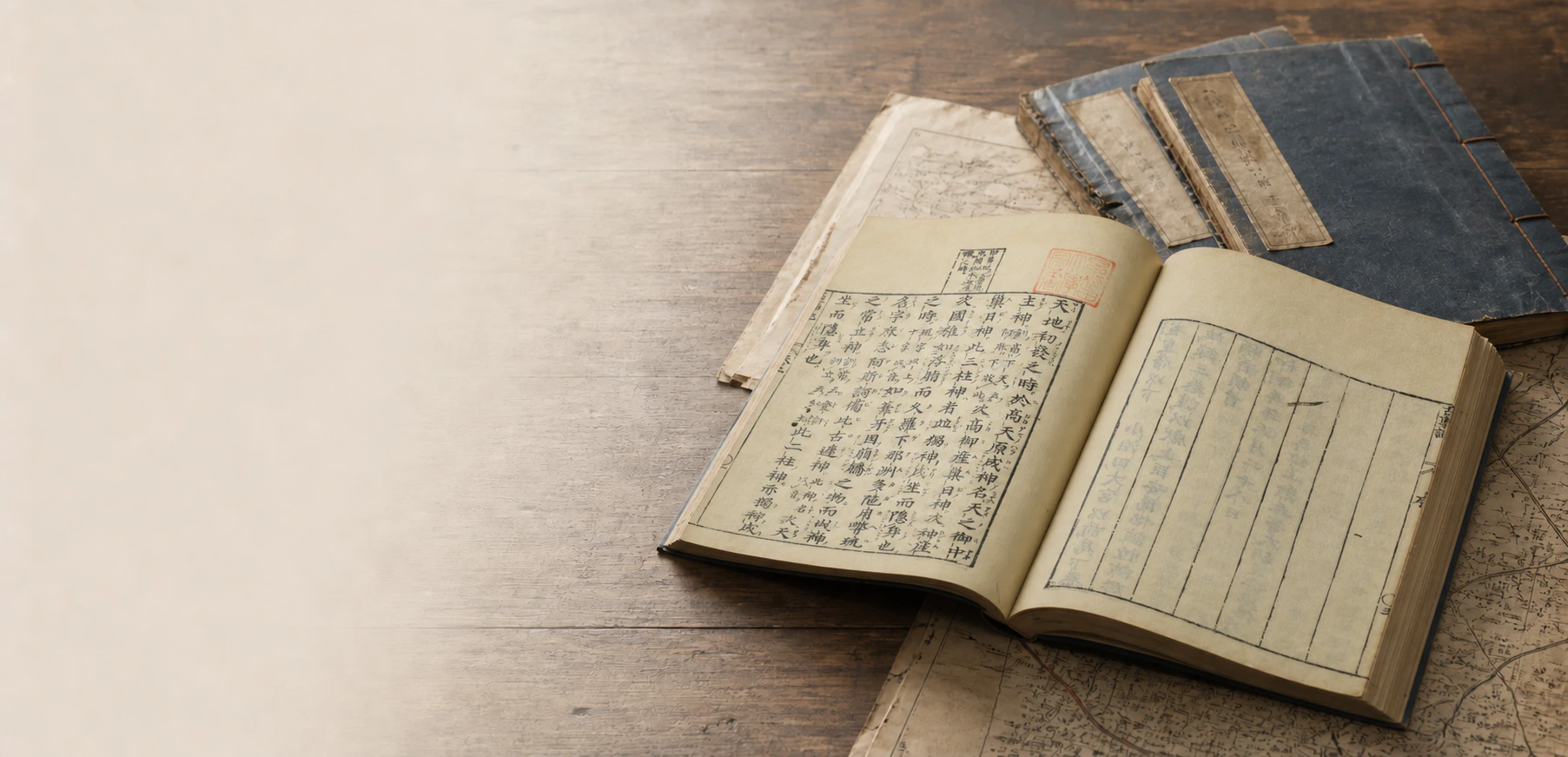
    The Kojiki in an open-book still life

    Michinaga’s Rise and Imperial Marriage Politics, 995–1018

    Fujiwara no Michinaga rose at Emperor Ichijō’s court after his elder brothers Michitaka and Michikane died in 995. The emperor’s mother Senshi, Michinaga’s sister, supported him against his nephew Korechika. Michinaga received nairan, allowing him to examine documents before imperial consideration, and became minister of the right; in 996 he became minister of the left as Korechika and his brother Takaie were punished.

    His daughter Shōshi entered Ichijō’s household in 999 and became chūgū, an empress, in 1000. Ichijō’s existing empress Teishi retained a separate empress title. Shōshi’s sons included Atsuhira, born in 1008, who became Emperor Go-Ichijō in 1016. Michinaga was now the reigning emperor’s maternal grandfather and served as regent.

    In 1017 he transferred the regency to his son Yorimichi and briefly held the office of grand minister. Another daughter, Kenshi, had become consort to Emperor Sanjō; in 1018 Ishi became Go-Ichijō’s empress. These marriages connected Michinaga to successive reigns through different women and households. His familiar name “Midō Kanpaku” can obscure the office record: he had held a regency, but was never appointed kanpaku, the office assisting an adult emperor.

    The position depended on imperial appointments, document access, childbirth and the succession of living heirs. The openings of 995 therefore explain his initial rise; they do not alone explain the imperial family connections and father-to-son transfer established over the next two decades.

    Sources and notes ViewHide
    1. [1]

      Michinaga: interview with historian Kuramoto KazuhiroNippon.com / Kuramoto Kazuhiro

    2. [2]

      Fujiwara no Michinaga: named dictionary entriesShogakukan / Kotobank

    3. [3]

      Fujiwara no Shōshi: historical entryShogakukan / Yamanaka Yutaka

    4. [4]

      Murasaki Shikibu Diary picture-scroll fragmentNational Institutes for Cultural Heritage / TNM

    Reading context

    Reading preferences

    Text size
    Glossary intensity

    Choose how much explanation appears as you read.

    Saved on this device. All terms remain available in the glossary.

    Browse the glossary →
    History Omakase

    Opening reading…