
Skip to content
Chronicle

Search History Omakase

Start typing to search.

    Read Empress Shōshi Gives Birth to Prince Atsuhira

    Read the article below. Interactive reading tools are available when scripts load.

    Overview

    Empress Shōshi Gives Birth to Prince Atsuhira

    In 1008 Empress Shōshi, Emperor Ichijō’s consort, gave birth to Prince Atsuhira at the residence of her father, Fujiwara no Michinaga. The birth made Michinaga the maternal grandfather of an imperial prince. Atsuhira became Emperor Go-Ichijō in 1016, but in 1008 he was a newborn within an imperial family that already had other children and succession interests.

    Murasaki Shikibu was serving Shōshi and recorded the household’s preparations and postpartum celebrations in her diary. Its accounts follow attendants, ritual services and visits by leading courtiers. Celebrations continued beyond the delivery: the prince’s fiftieth-day observance included ceremonial feeding and attendance by his maternal grandfather. Care for mother and child and the display of their imperial connections occupied the same household.

    The diary preserves an attendant’s observation and judgments, rather than a physician’s case record or Shōshi’s own account of pain and recovery. Painted diary scrolls made roughly two and a half centuries later selected some of these scenes. They show how later viewers imagined the birth celebrations; the earlier written testimony supplies the basis for reconstructing the event.

    Sources and notes

    1. Fujiwara no Michinaga: named dictionary entries · Shogakukan / Kotobank
    2. Murasaki Shikibu Diary picture-scroll fragment · National Institutes for Cultural Heritage / TNM
    3. Michinaga’s gilt-bronze sutra container · Kyoto National Museum / Miyakawa Teiichi

    About these sources

    Back

    1008 | Empress Shōshi Gives Birth to Prince Atsuhira敦成親王の誕生

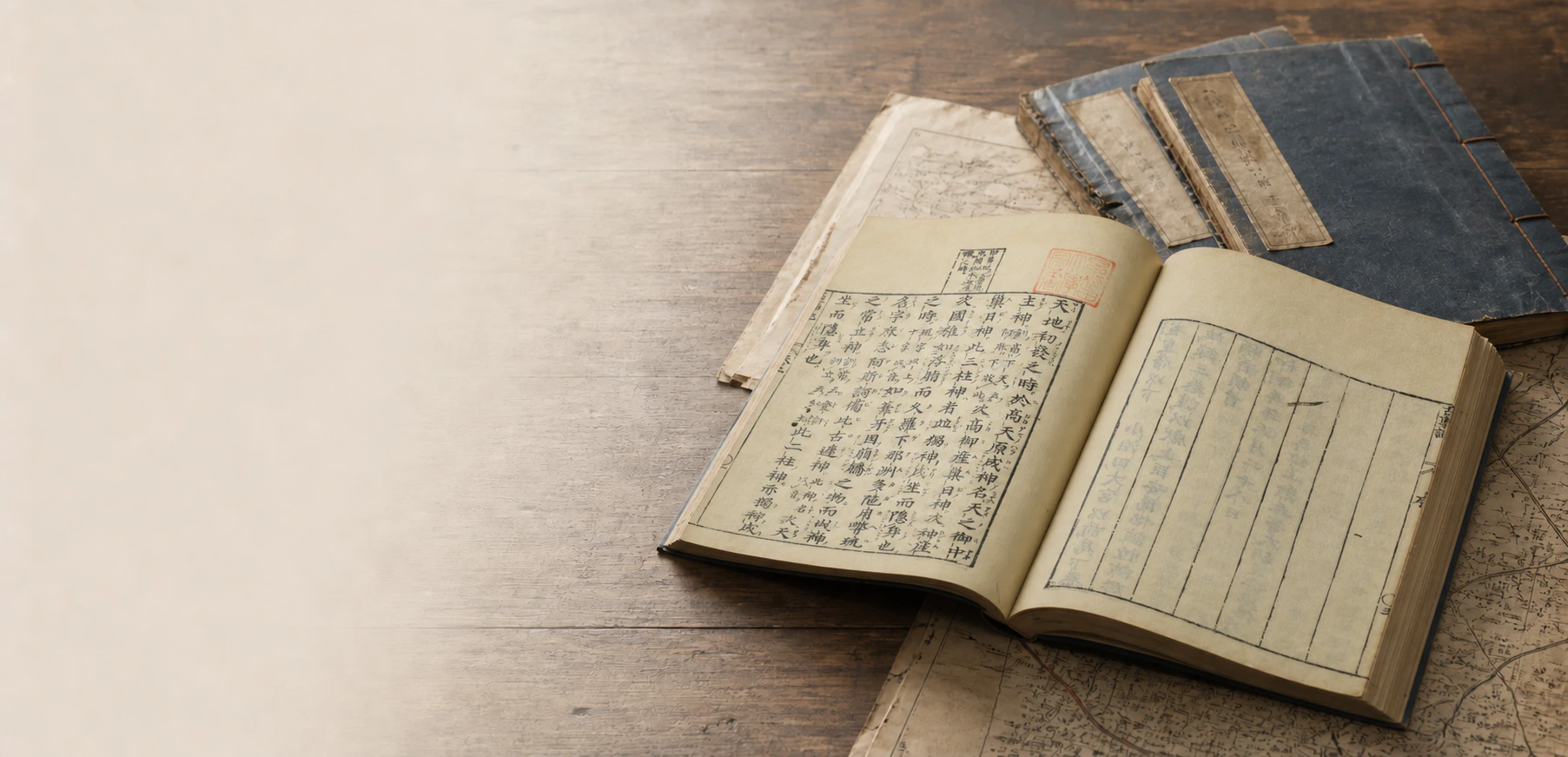
    The Kojiki in an open-book still life

    Empress Shōshi Gives Birth to Prince Atsuhira

    In 1008 Empress Shōshi, Emperor Ichijō’s consort, gave birth to Prince Atsuhira at the residence of her father, Fujiwara no Michinaga. The birth made Michinaga the maternal grandfather of an imperial prince. Atsuhira became Emperor Go-Ichijō in 1016, but in 1008 he was a newborn within an imperial family that already had other children and succession interests.

    Murasaki Shikibu was serving Shōshi and recorded the household’s preparations and postpartum celebrations in her diary. Its accounts follow attendants, ritual services and visits by leading courtiers. Celebrations continued beyond the delivery: the prince’s fiftieth-day observance included ceremonial feeding and attendance by his maternal grandfather. Care for mother and child and the display of their imperial connections occupied the same household.

    The diary preserves an attendant’s observation and judgments, rather than a physician’s case record or Shōshi’s own account of pain and recovery. Painted diary scrolls made roughly two and a half centuries later selected some of these scenes. They show how later viewers imagined the birth celebrations; the earlier written testimony supplies the basis for reconstructing the event.

    Sources and notes ViewHide
    1. [1]

      Fujiwara no Michinaga: named dictionary entriesShogakukan / Kotobank

    2. [2]

      Murasaki Shikibu Diary picture-scroll fragmentNational Institutes for Cultural Heritage / TNM

    3. [3]

      Michinaga’s gilt-bronze sutra containerKyoto National Museum / Miyakawa Teiichi

    Reading context

    Reading preferences

    Text size
    Glossary intensity

    Choose how much explanation appears as you read.

    Saved on this device. All terms remain available in the glossary.

    Browse the glossary →
    History Omakase

    Opening reading…