
Skip to content
Chronicle

Search History Omakase

Start typing to search.

    Read The Taira Leave Kyoto with Antoku and the Regalia

    Read the article below. Interactive reading tools are available when scripts load.

    Overview

    The Taira Leave Kyoto with Antoku and the Regalia

    In the seventh month of 1183, Minamoto no Yoshinaka’s advance made the Taira position in Kyoto untenable. Kiyomori had died in 1181; the retreat was led by surviving members of his family. They departed with Emperor Antoku, his mother Tokuko, his grandmother Tokiko and the imperial regalia. Their household and troops moved west toward the Inland Sea, where the Taira retained bases and maritime connections.

    Retired emperor Go-Shirakawa remained outside their custody and returned to political activity in Kyoto. He arranged the accession of another grandson as Emperor Go-Toba, although the regalia remained with Antoku. There were now two imperial claimants supported by different political and military networks. The Taira’s possession of Antoku sustained their claim even after the loss of the capital.

    The western court depended on the same routes, vessels and bases as the retreating force. Court attendants and the child’s household had to move with it, while commanders sought supplies and allies. Later losses at Ichi-no-Tani and Yashima reduced its secure land bases, before Dan-no-ura ended the coalition in 1185.

    The 1183 departure changed the setting of succession. An emperor and regalia were no longer at the center of a settled Kyoto court; their custody became part of an armed coalition’s survival. Go-Toba’s accession also showed that political authority in Kyoto could establish a succession while the physical regalia remained elsewhere.

    Sources and notes

    1. 源平の時代年表 · Kobe City
    2. 建礼門院:世界大百科事典 · Heibonsha, Sugihashi Takao, via Kotobank
    3. 安徳天皇:精選版日本国語大辞典/世界大百科事典 · Shogakukan / Heibonsha via Kotobank

    About these sources

    Back

    1183 | The Taira Leave Kyoto with Antoku and the Regalia安徳天皇と平氏の西走

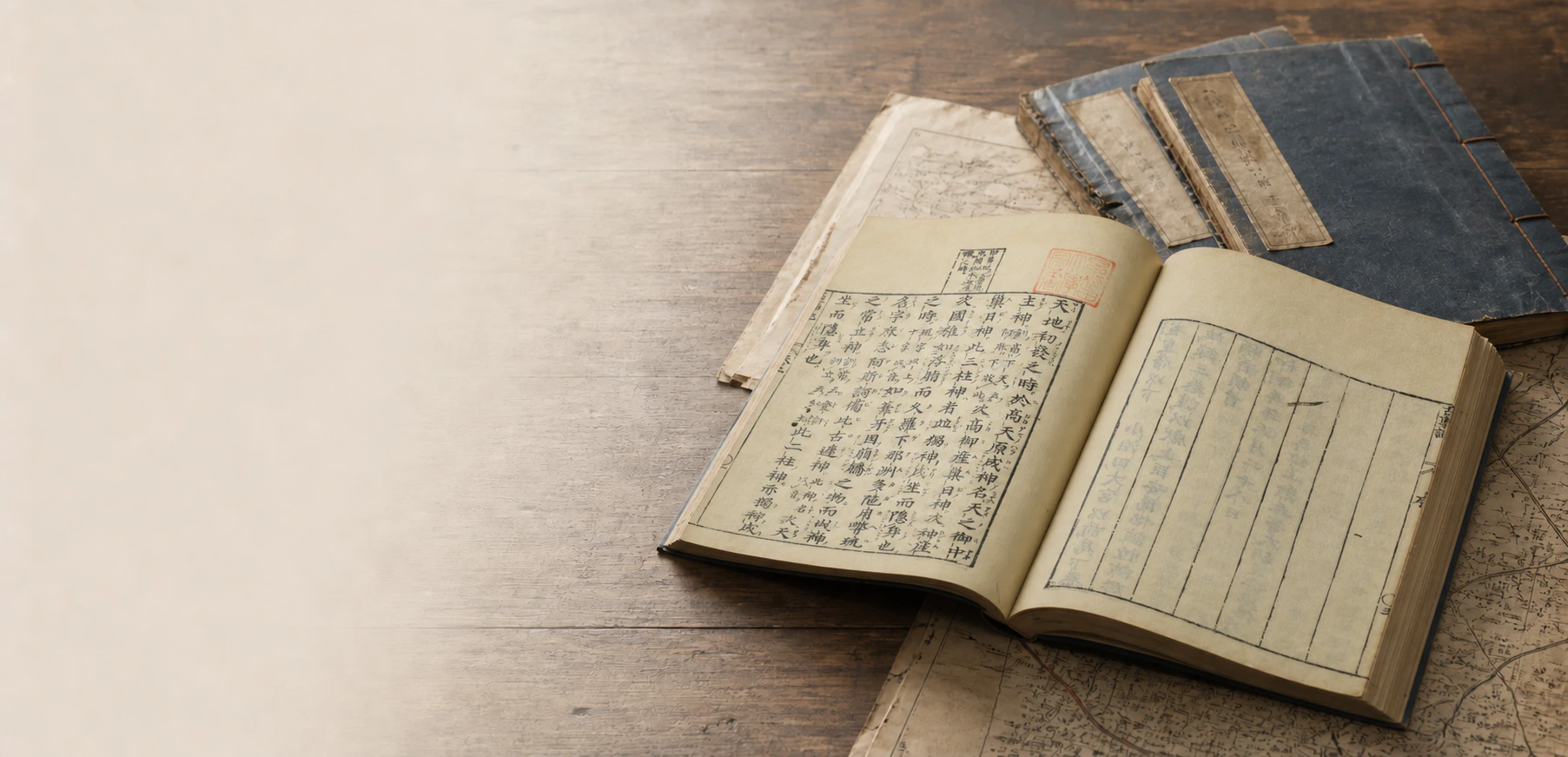
    The Kojiki in an open-book still life

    The Taira Leave Kyoto with Antoku and the Regalia

    In the seventh month of 1183, Minamoto no Yoshinaka’s advance made the Taira position in Kyoto untenable. Kiyomori had died in 1181; the retreat was led by surviving members of his family. They departed with Emperor Antoku, his mother Tokuko, his grandmother Tokiko and the imperial regalia. Their household and troops moved west toward the Inland Sea, where the Taira retained bases and maritime connections.

    Retired emperor Go-Shirakawa remained outside their custody and returned to political activity in Kyoto. He arranged the accession of another grandson as Emperor Go-Toba, although the regalia remained with Antoku. There were now two imperial claimants supported by different political and military networks. The Taira’s possession of Antoku sustained their claim even after the loss of the capital.

    The western court depended on the same routes, vessels and bases as the retreating force. Court attendants and the child’s household had to move with it, while commanders sought supplies and allies. Later losses at Ichi-no-Tani and Yashima reduced its secure land bases, before Dan-no-ura ended the coalition in 1185.

    The 1183 departure changed the setting of succession. An emperor and regalia were no longer at the center of a settled Kyoto court; their custody became part of an armed coalition’s survival. Go-Toba’s accession also showed that political authority in Kyoto could establish a succession while the physical regalia remained elsewhere.

    Sources and notes ViewHide
    1. [1]

      源平の時代年表Kobe City

    2. [2]

      建礼門院:世界大百科事典Heibonsha, Sugihashi Takao, via Kotobank

    3. [3]

      安徳天皇:精選版日本国語大辞典/世界大百科事典Shogakukan / Heibonsha via Kotobank
    Reading context

    Reading preferences

    Text size
    Glossary intensity

    Choose how much explanation appears as you read.

    Saved on this device. All terms remain available in the glossary.

    Browse the glossary →
    History Omakase

    Opening reading…